
Scientists uncover clues of an ancient civilization underwater.
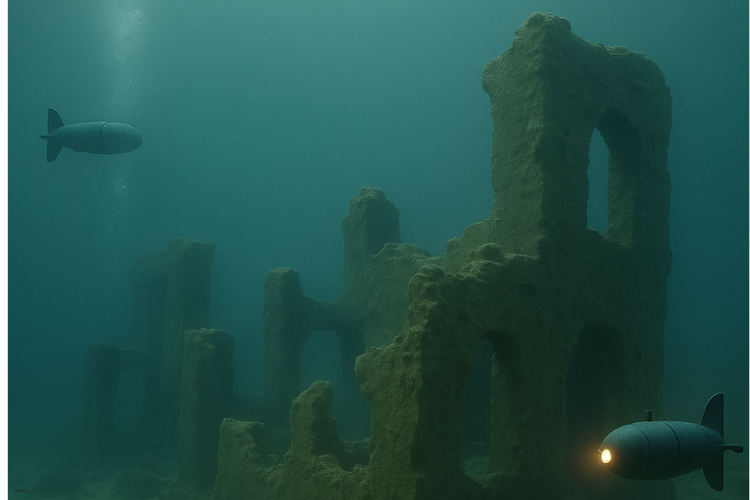
Far below the turquoise waters off the western coast of Cuba, something extraordinary may rest beneath the waves. Sonar scans have revealed what appear to be geometric stone formations arranged in distinct, grid-like patterns, far too regular to be natural. If proven to be man-made, these submerged ruins could rewrite everything we know about early civilization, placing them thousands of years before the Egyptian pyramids. The discovery has sparked debate among archaeologists and geologists alike, as it challenges established theories about when complex human societies first began to rise and build.
1. Sonar scans reveal mysterious structures beneath the sea.
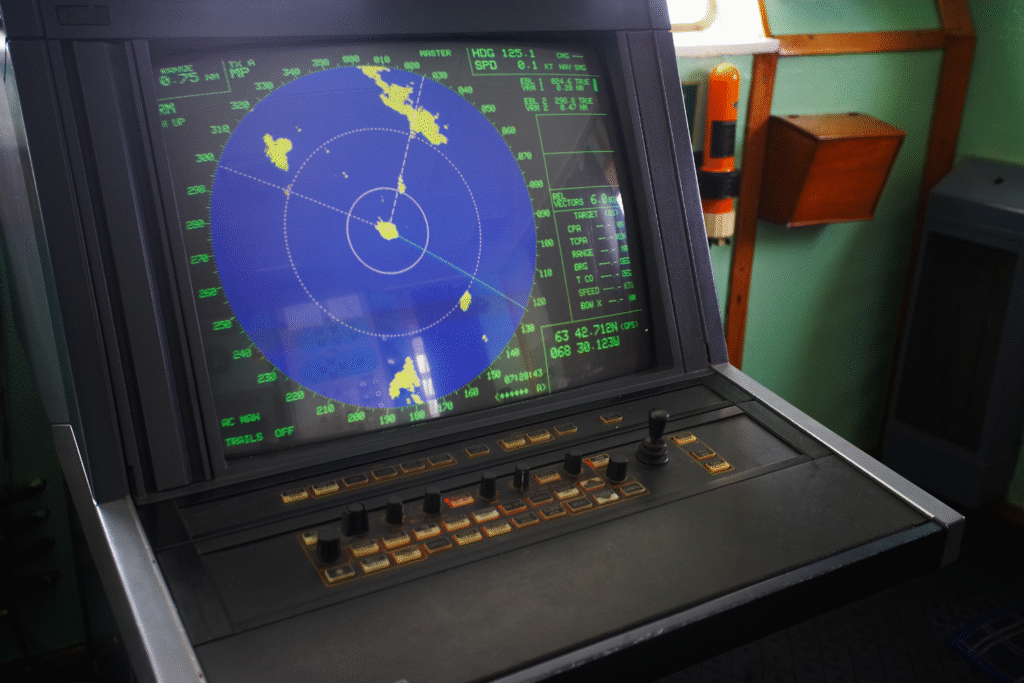
Canadian and Cuban researchers exploring the depths near the Guanahacabibes Peninsula discovered vast, symmetrical shapes on the ocean floor. These appeared as large stone-like formations arranged in rectangles and pyramidal forms, stretching for nearly a kilometer. According to Indian Defence Review, early sonar data suggested the possibility of ancient architecture buried deep beneath layers of sediment. The team that detected the images believed the structures might be remnants of an ancient settlement lost to rising sea levels. That simple discovery, pulled from the quiet darkness of the sea, has become one of archaeology’s most puzzling mysteries.
2. The site’s age could predate the Egyptian pyramids.
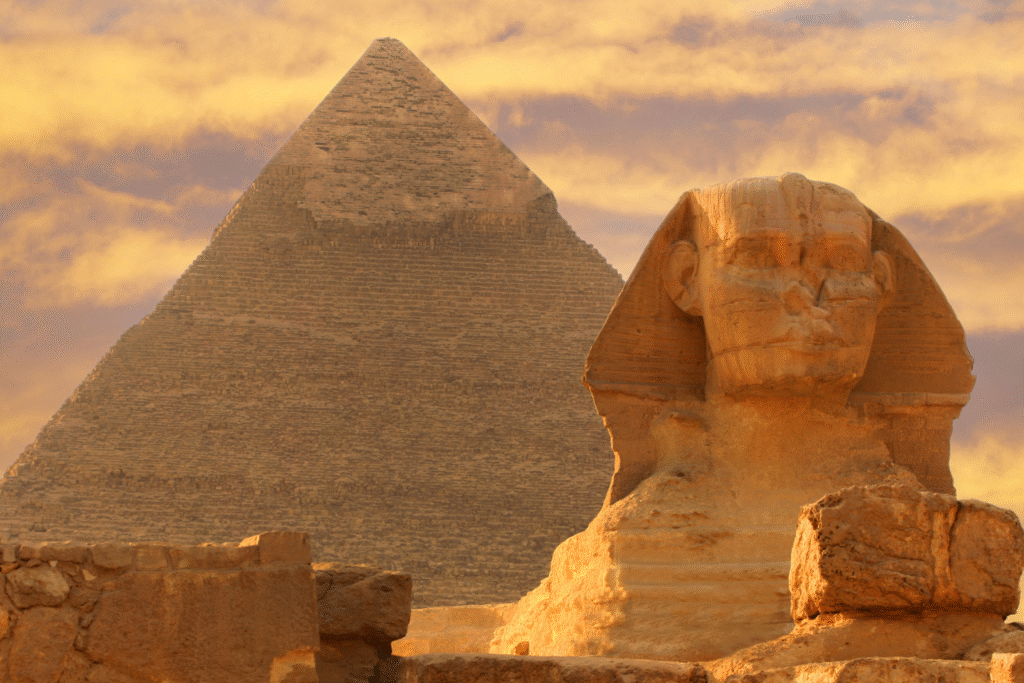
Preliminary estimates suggest that if these structures were human-built, they could be around 6,000 years old—making them older than Egypt’s Great Pyramid of Giza, as discovered by subsequent geological assessments. That timeline would place their construction during a period when human civilization was thought to be only beginning to form organized societies. As stated by Futura Sciences, this possibility would push the development of urban planning and monumental construction back by centuries, or even millennia. Such a revelation would not only reshape archaeology but also redefine how we understand human innovation in the ancient world.
3. Geological analysis suggests massive sea level rise over millennia.
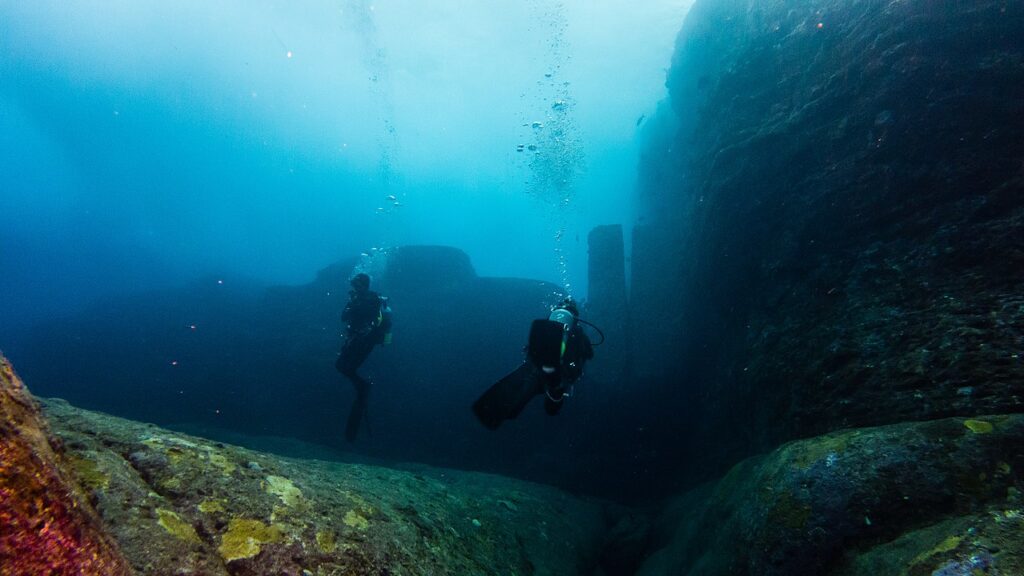
The structures now lie roughly 650 meters underwater, a depth that implies they were once above sea level thousands of years ago. According to Le Ravi, scientists studying the site noted that to reach such depths, the area must have been submerged following significant shifts in sea level or geological collapse. That means this lost settlement could have been drowned during a global event at the end of the last Ice Age. This theory ties together climate, geography, and human survival in ways that continue to fascinate researchers worldwide who are racing to find the truth.
4. The depth of the site makes verification extremely difficult.
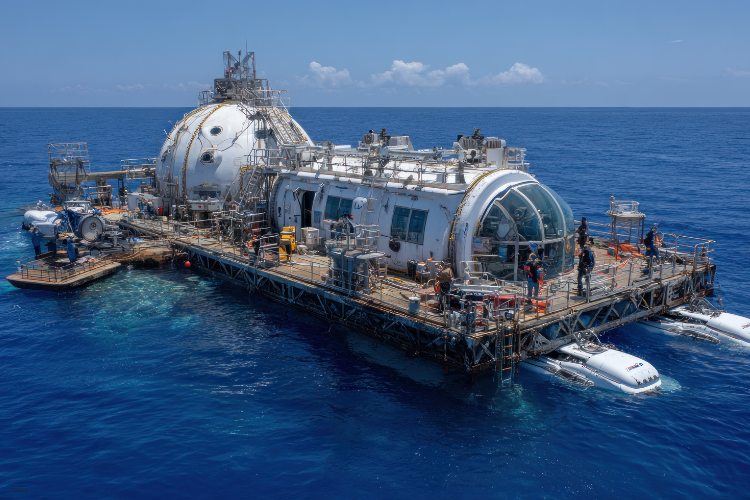
Exploring a location nearly half a mile below the surface is no easy task. Equipment costs are immense, and the extreme conditions complicate any effort to retrieve samples. For now, no direct artifacts have been recovered, leaving researchers to rely solely on sonar imaging and digital mapping. Some experts caution that underwater geological processes can mimic human design, meaning caution is essential. Still, the formation’s precision and symmetry remain hard to ignore. The mystery lingers, suspended between scientific skepticism and the thrill of possibility that something ancient sleeps below.
5. Archaeologists see potential evidence of early urban design.
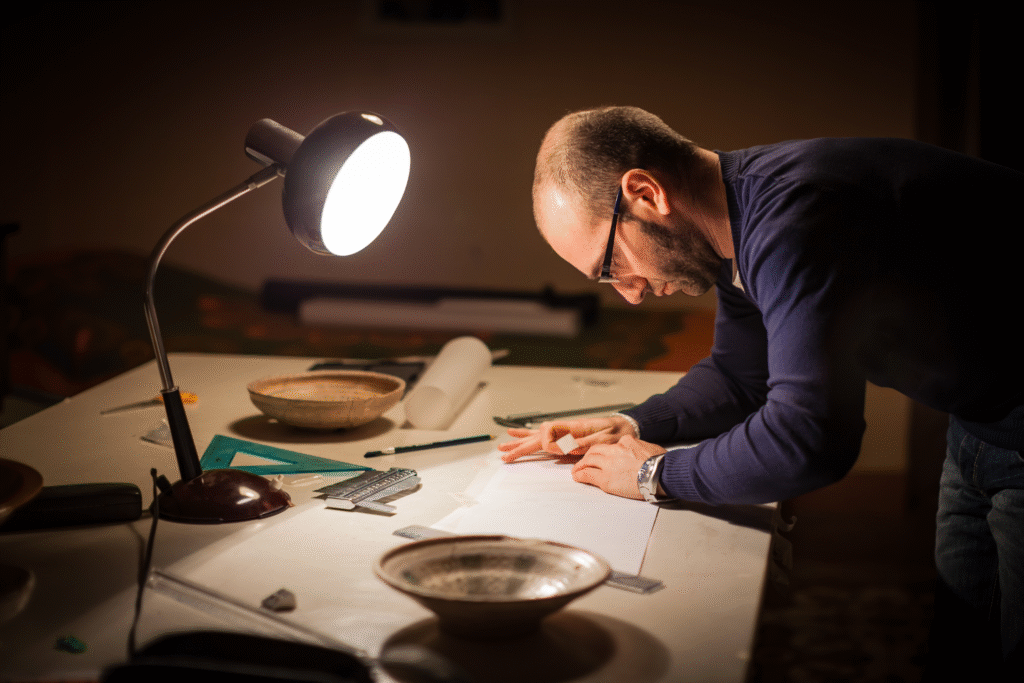
What has drawn so much attention isn’t just the depth, but the pattern. The structures appear to form a grid, with shapes resembling streets and plazas. If authentic, that kind of layout would point to an early form of urban planning—something believed to have originated thousands of years later in Mesopotamia. The idea that such sophistication might have existed on a lost Caribbean island has fueled fresh debate. Some researchers now wonder if early civilizations along ancient coastlines were more advanced than previously believed, their stories simply erased by the shifting sea.
6. Natural explanations still compete with extraordinary theories.

Geologists have suggested that tectonic activity or ancient volcanic movement could have created the shapes now seen on sonar. Massive underwater landslides can fracture rock in eerily geometric ways, giving the illusion of structured ruins. However, the formations’ sharp angles and consistent orientation keep the archaeological hypothesis alive. Even the skeptics agree that the site deserves deeper study. The question of what’s natural and what’s not remains unresolved, hovering in that fascinating space where science and speculation overlap.
7. Other submerged ruins hint that this may not be unique.
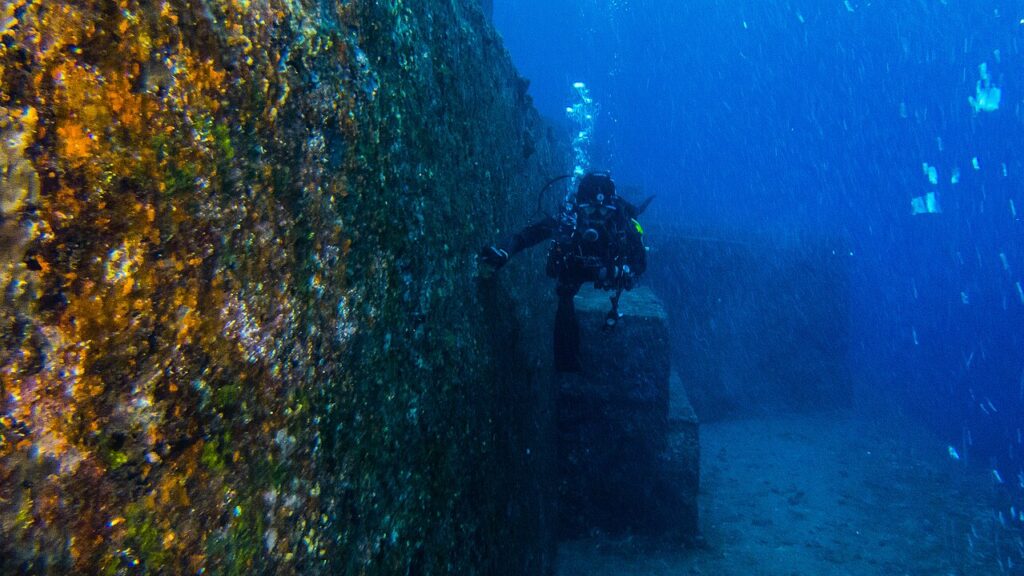
Around the world, similar underwater discoveries have emerged—from Yonaguni in Japan to Dwarka off India’s coast—each challenging our understanding of early civilization. These submerged sites suggest that rising seas may have wiped out more settlements than history ever recorded. If the Cuban site proves authentic, it could join this growing pattern of ancient cities lost to the tides. Every such discovery raises the same question: how much human history has been quietly erased beneath the oceans we still barely know?
8. Advanced technology could soon reveal the truth.
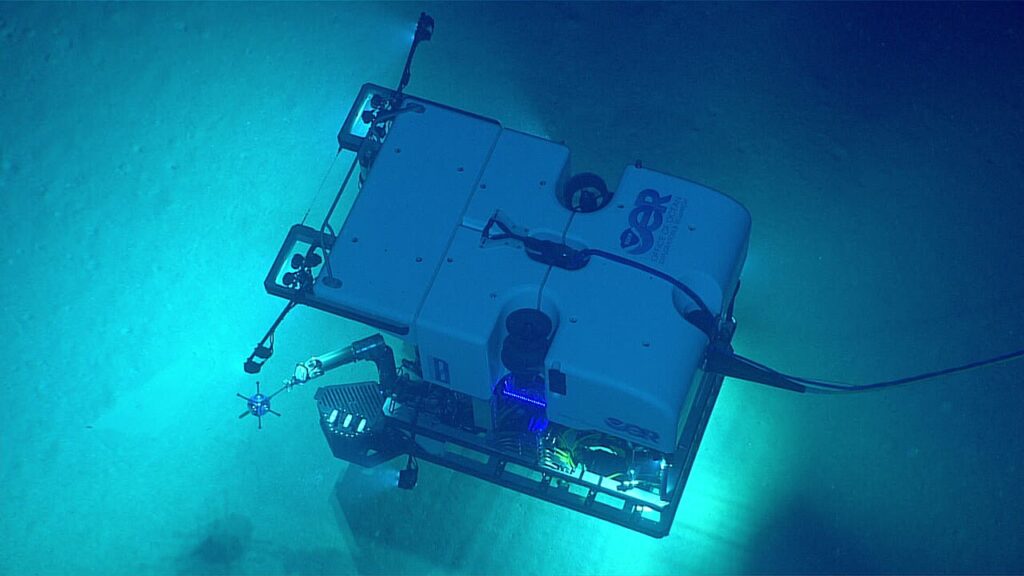
New deep-sea exploration tools, including remotely operated vehicles equipped with high-resolution imaging, are making it possible to explore places once considered unreachable. Scientists are now working on mapping the site in greater detail, hoping to confirm whether the stones show signs of cutting or placement. These advancements could finally offer proof—or disproof—of a civilization long vanished. Each new scan brings the world closer to knowing whether this is one of humanity’s oldest cities or one of nature’s most convincing illusions.
9. If confirmed, it would rewrite early human history.

A verified city of this age would shift humanity’s timeline dramatically. It would show that complex societies were organizing, building, and possibly trading thousands of years earlier than history records. Such a discovery would ripple through anthropology, archaeology, and climate science, forcing scholars to rethink migration patterns and technological progress. The idea of advanced coastal civilizations that predate Mesopotamia no longer sounds far-fetched—it sounds plausible. It would mean that the world’s first great builders may have been lost to the sea.
10. The mystery reminds us how little we truly know.
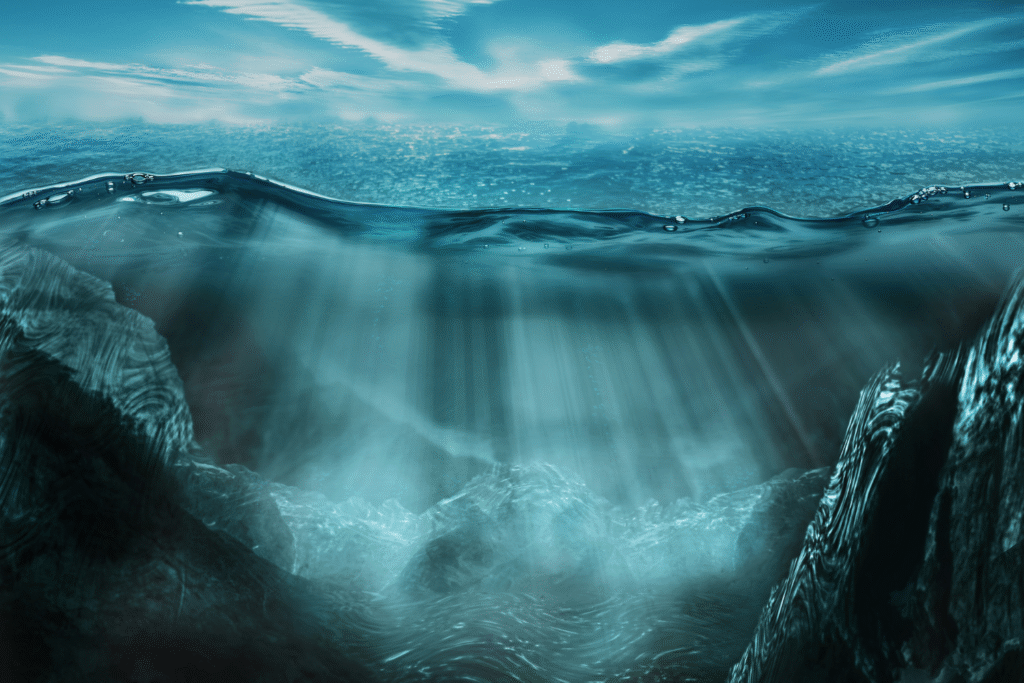
Beneath our oceans lies a record of human ambition and survival waiting to be rediscovered. The potential city off Cuba may be real, or it may be a trick of geology—but either way, it reignites curiosity about our past. Each unanswered question pulls us deeper into that mystery, bridging science and wonder in the best possible way. What lies under those waters may not only change history, it may remind us how vast the story of humanity truly is, and how much of it still sleeps beneath the waves.