
Myths that erase truth and shape wrong ideas.

Many things people think they know about Native Americans come from stories that were never true. These myths have been passed down for generations, turning complex histories into simple, often harmful tales. By uncovering thirteen of the most common falsehoods, we can start to see how they’ve shaped our view of Indigenous people. Each one connects to the next, showing how misunderstanding spreads when we don’t ask questions. It’s time to replace these old, misleading ideas with real, living truths that honor the diversity and strength of Native nations.
1. Native Americans all lived in teepees on open plains.
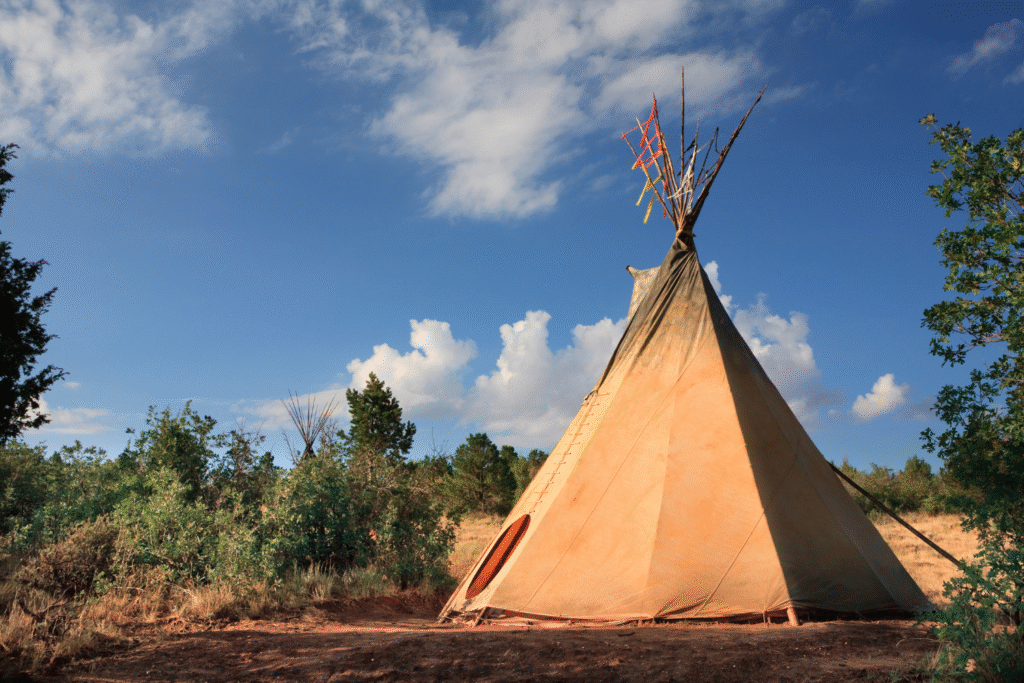
That image of endless plains dotted with teepees comes straight from Hollywood, not history. In reality, Indigenous peoples built many types of homes, from longhouses to pueblos to earth lodges. Each tribe built according to the land and weather where they lived. Farming villages thrived long before Europeans arrived, as noted by the Muwekma Ohlone Tribe’s cultural resources. Believing everyone lived in teepees simplifies centuries of cultural variety. Native Americans were not one group with one lifestyle, they were thousands of communities shaped by their own environments, traditions, and innovations.
2. Native peoples disappeared soon after European contact.
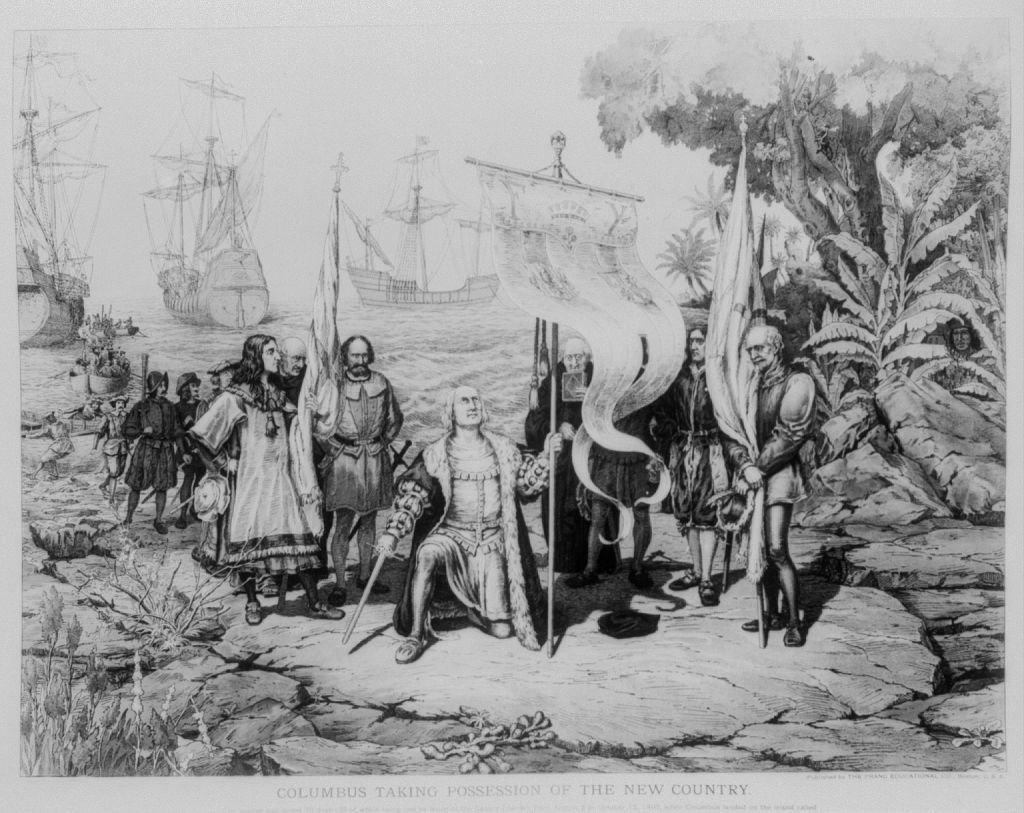
The story that Native Americans “vanished” after colonization is one of the most damaging lies ever told. Indigenous nations didn’t disappear—they adapted, rebuilt, and continue to thrive today. As reported by Oldest.org, there are currently hundreds of federally recognized tribes across North America, each with unique governments, languages, and traditions. Framing Native people as extinct turns living cultures into museum pieces. The truth is that Indigenous nations are not only surviving but growing, leading environmental movements, running businesses, and shaping modern life in countless ways.
3. Reservations were pristine lands set aside for gratitude.
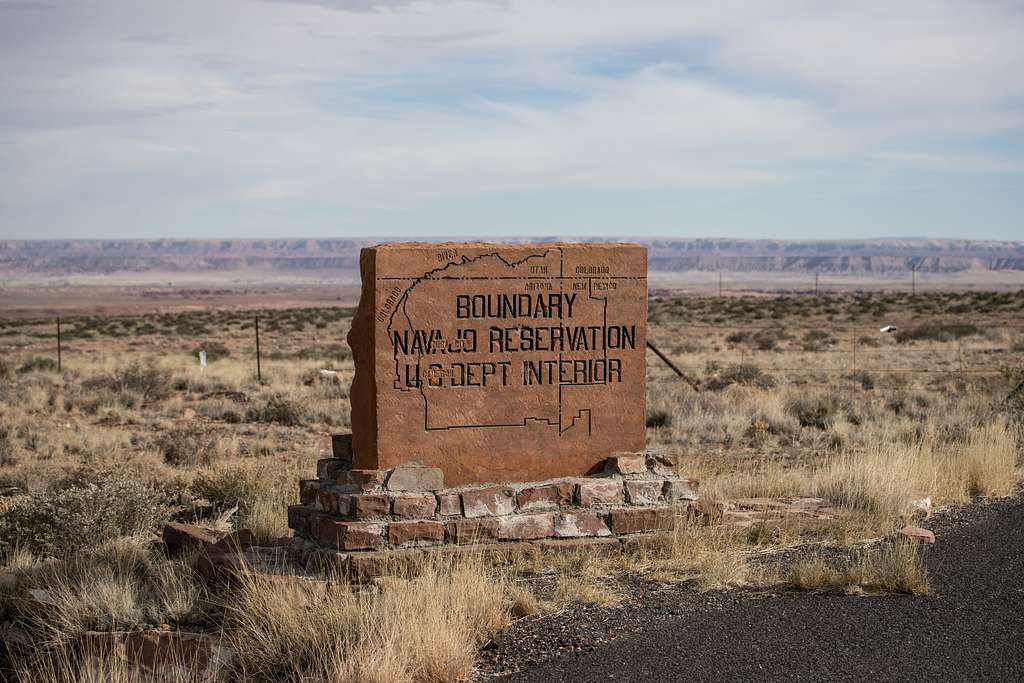
The idea that reservations were generous gifts from the government couldn’t be further from the truth. According to the Muwekma Ohlone blog, most reservations were established through forced relocation to lands that were often infertile, isolated, or less desirable to settlers. Many were created through broken treaties and coercion. These lands weren’t peaceful refuges, they were survival spaces built from displacement. Knowing this changes how we view history and justice today. When we tell the story accurately, we honor the strength and endurance that Indigenous people showed in the face of unimaginable loss.
4. All Native Americans share a single unified culture.
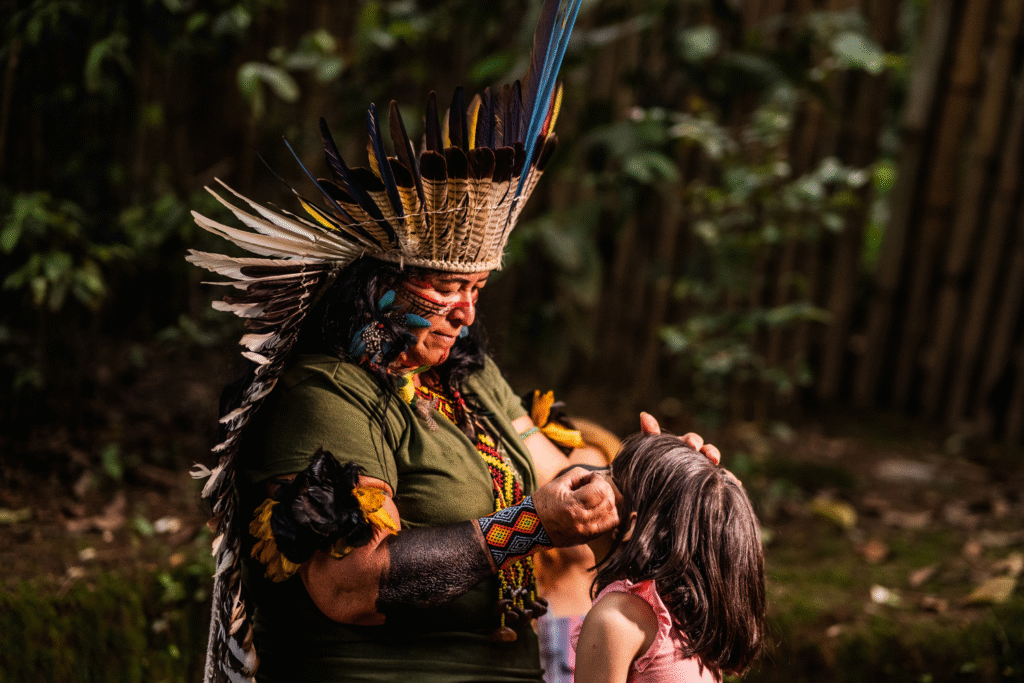
It’s easy to think of “Native Americans” as one group, but that couldn’t be more wrong. There are hundreds of distinct tribes, each with its own traditions, governance, foods, and languages. The Inuit in Alaska lived completely differently from the Cherokee in the Southeast or the Hopi in the Southwest. Lumping them together flattens this incredible diversity. When we talk about Indigenous people, we’re talking about thousands of nations with unique worldviews. Recognizing that richness is the first step toward true respect and understanding.
5. Native Americans don’t pay taxes or receive endless benefits.
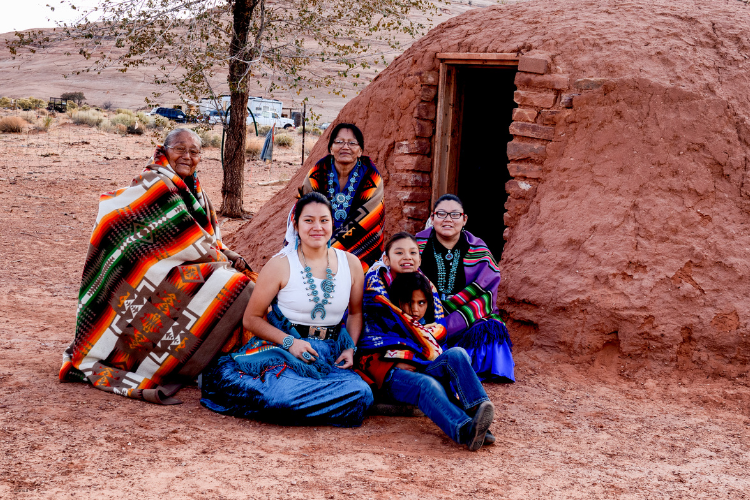
This myth pops up constantly, often as a way to dismiss Indigenous rights. The truth is that most Native Americans pay taxes like everyone else. Only certain tribal lands and specific situations are exempt, and even then, it’s tied to treaty rights, not freebies. The idea that Native communities live off government “benefits” ignores how much was taken from them, land, resources, and lives. Many tribes still face poverty, limited infrastructure, and underfunded services. These myths make it harder for people to see the real issues tribes work tirelessly to overcome.
6. Native people are stuck in the past without modern lives.
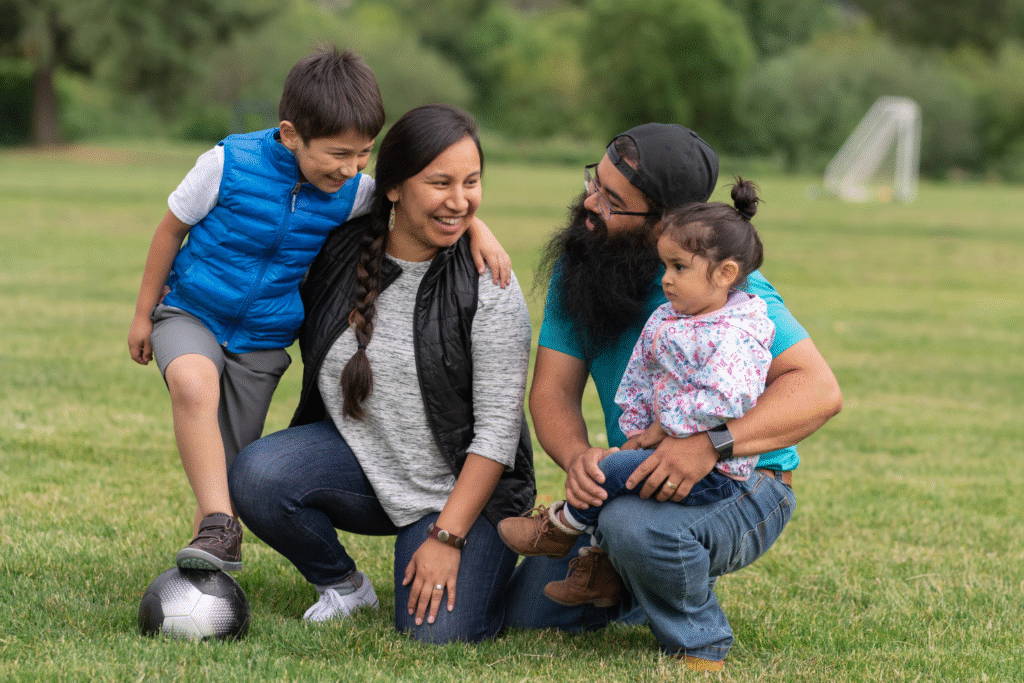
Too many people still imagine Native Americans as figures from the 1800s, wearing traditional regalia and living apart from the modern world. But Indigenous people live in cities, use technology, run businesses, and create art that reflects today’s realities. Many balance modern life while keeping traditional practices alive. Seeing them only as historical figures erases the present. Native communities are part of today’s culture—leaders, scientists, teachers, and artists shaping the world around us right now. Their history didn’t end—it continues every single day.
7. The myth of ancient white “Mound Builder” cultures preceding Native Americans.
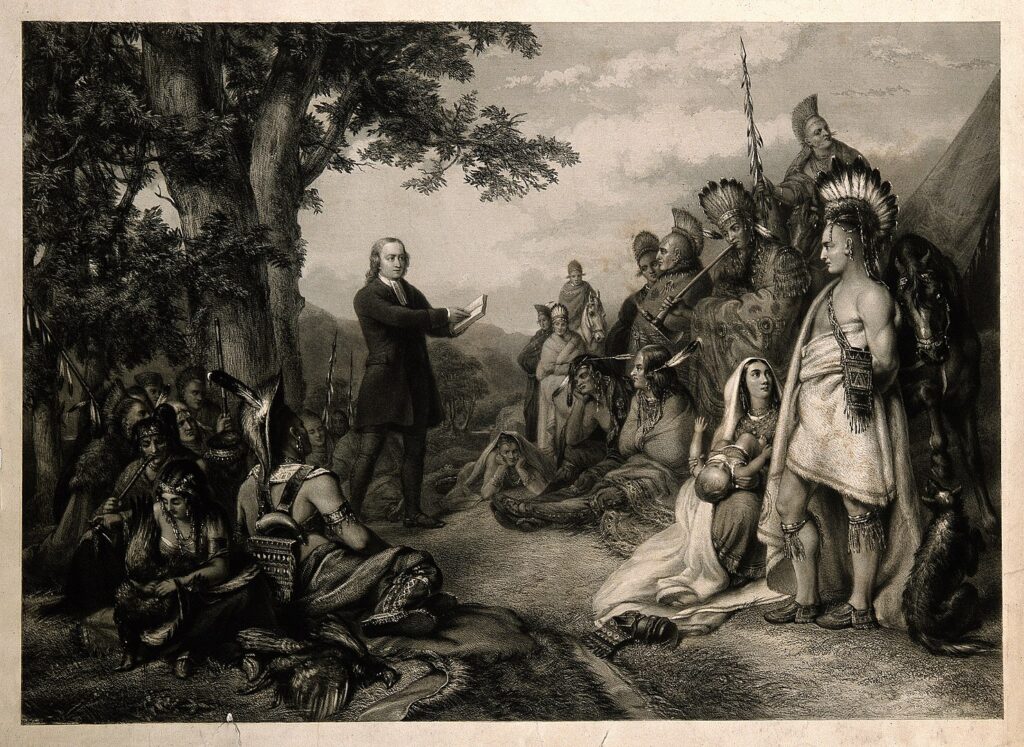
This old myth claimed that great earthworks across North America were built by some “lost white race.” That idea came from early European settlers who couldn’t believe Indigenous people had created such advanced architecture. Modern archaeology has long proven those mounds were built by the ancestors of modern Native nations. Dismissing Indigenous engineering was a way to justify stealing land. The truth is, these societies were brilliant planners, builders, and farmers who shaped the continent’s landscape with skill and intention. The credit always belonged to them.
8. Thanksgiving as popularly told reflects friendly cooperation only.
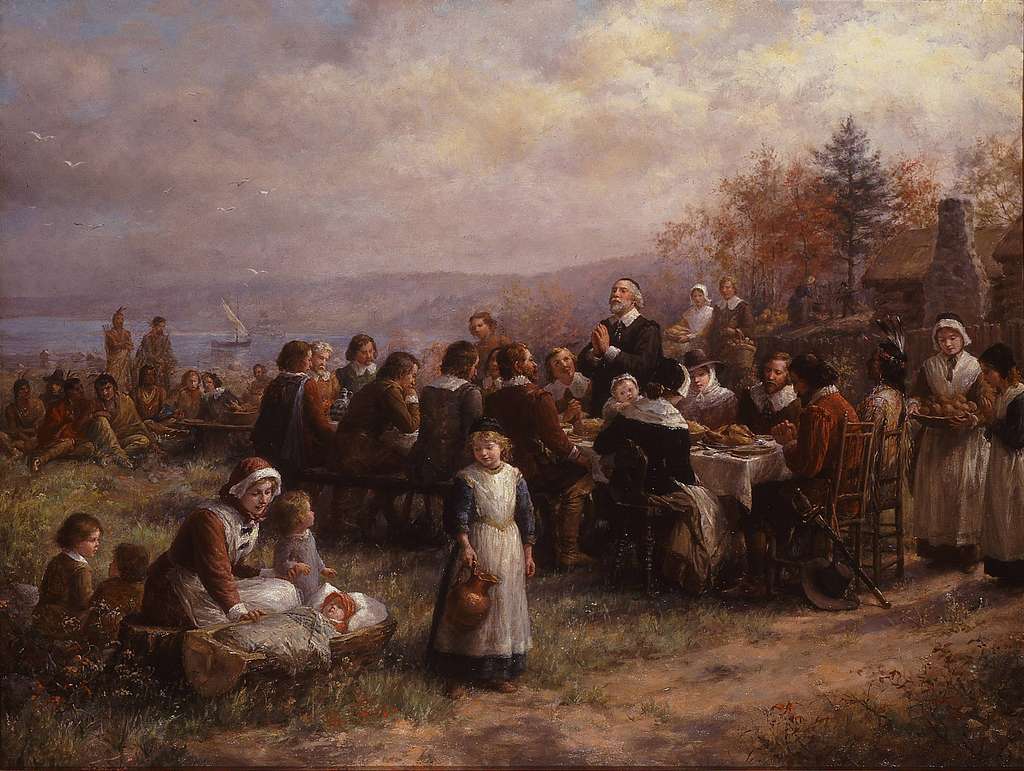
The Thanksgiving story we all learned in school skips a lot of reality. It paints a peaceful meal of friendship and gratitude, but the real story was far more complex. The Wampanoag people helped the Pilgrims survive, but what followed was centuries of broken promises, land theft, and conflict. Telling only the happy parts erases that pain. Understanding Thanksgiving’s deeper context doesn’t take away gratitude—it adds truth to it. When we remember who was there, and what came after, we can celebrate with respect instead of fiction.
9. Native Americans were primitive without agriculture or cities.
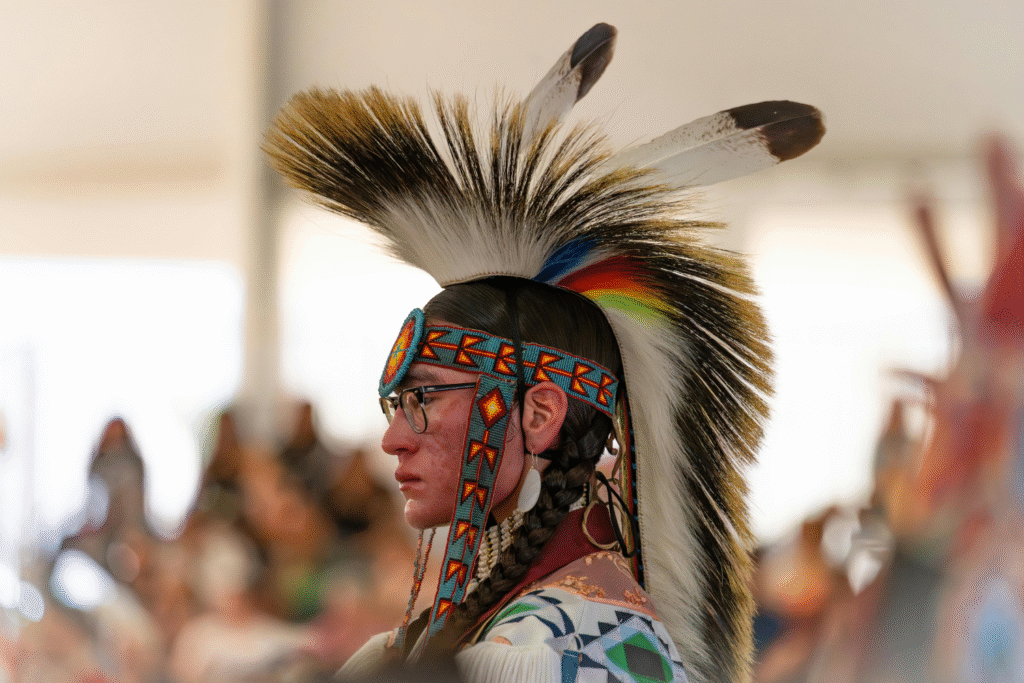
Calling Indigenous people “primitive” ignores evidence of large, thriving societies. Long before European settlers arrived, Indigenous civilizations like Cahokia and the Pueblo peoples built massive cities and complex trade systems. They cultivated corn, beans, and squash with advanced farming techniques that sustained millions. They also managed forests, rivers, and ecosystems with precision. These weren’t small, wandering groups—they were architects of entire regions. Recognizing that shifts the entire story of the Americas from discovery to acknowledgment of existing civilizations that thrived for centuries.
10. There was one big culture of Native Americans continent-wide.
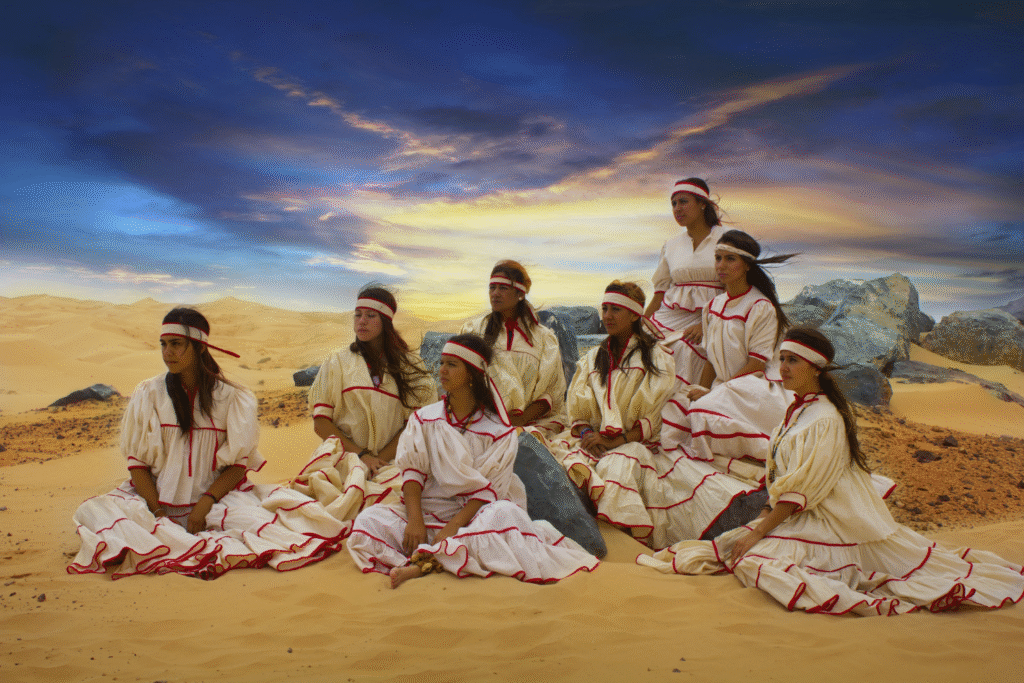
It’s tempting to imagine one shared “Native culture,” but that’s like saying Europe has just one culture. Indigenous nations across North America had, and still have, hundreds of languages, religions, and governance systems. Tribes in the Pacific Northwest lived off salmon and cedar, while those in the Great Plains followed buffalo migrations, and others in the Southwest built vast irrigation networks. Every landscape shaped a different way of life. The myth of sameness takes away what makes each nation distinct. Diversity has always been the real story.
11. Native Americans willingly gave up their lands for peace.

Many history books make it sound as if tribes signed away their land willingly, but most treaties were made under pressure, trickery, or threat of violence. When tribes refused, they faced starvation or military force. Even the treaties that were signed were often ignored or broken by the U.S. government. Framing these losses as peaceful agreements turns tragedy into consent. The truth is that much of this land was taken, not given, and remembering that truth honors the people who fought to keep it.
12. Native spirituality is the same across all tribes and open for appropriation.
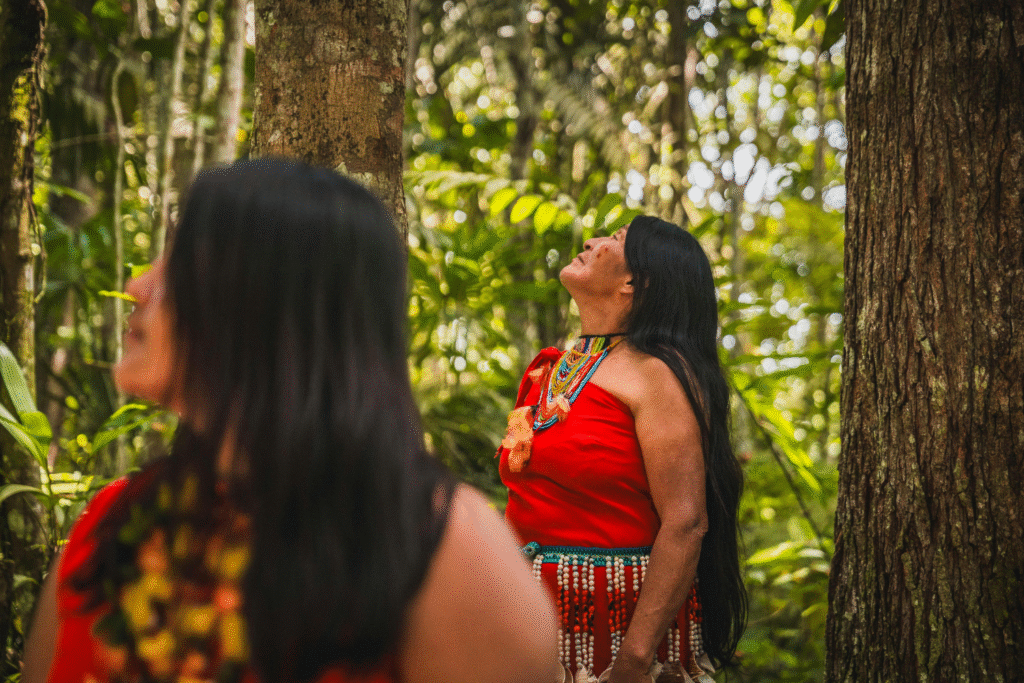
Native spirituality isn’t one-size-fits-all, and it’s not something anyone can casually adopt. Each tribe has its own sacred beliefs and ceremonies tied deeply to its land and history. Treating Indigenous spirituality like a universal “lifestyle” strips it of meaning and context. When people borrow rituals or symbols without understanding them, it turns sacred traditions into trends. Respect means acknowledging what is sacred and leaving it in the hands of the communities who live it every day.
13. All Native stories are myth or legend without historical basis.
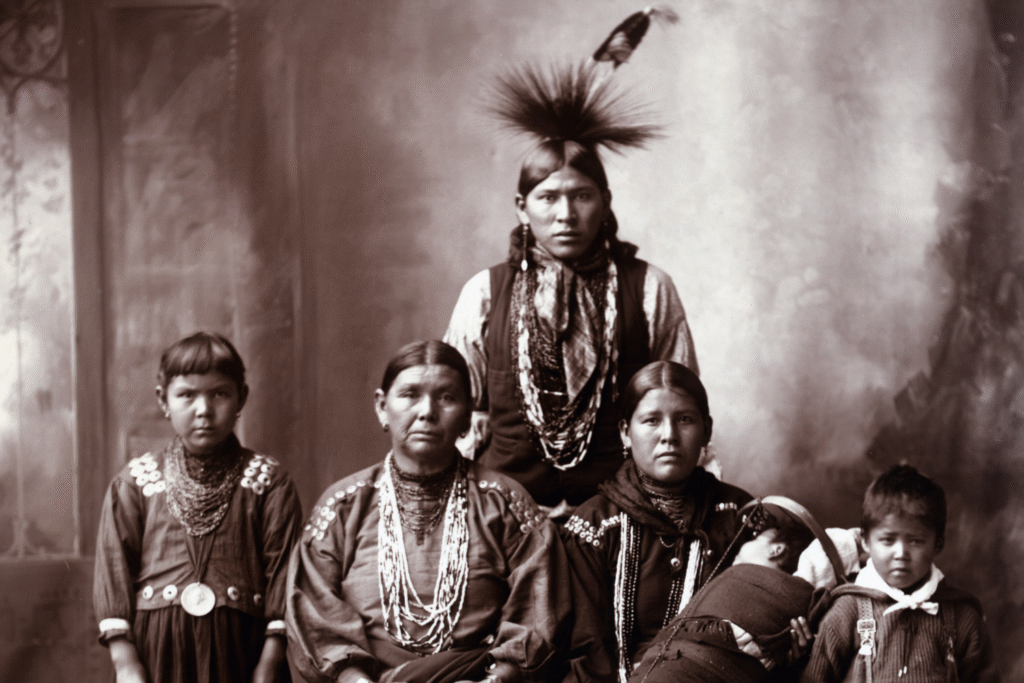
Labeling Indigenous stories as “myths” makes them sound like fiction, but many contain centuries of knowledge. Oral traditions record migrations, weather patterns, and ancestral memory with accuracy proven by modern research. These stories are history told in a different form. They teach lessons, explain relationships with nature, and pass down wisdom. When we treat them as fairy tales, we silence entire systems of understanding. Listening instead of labeling gives us access to one of the oldest, richest storytelling traditions on Earth.