
Decoding tail signals to understand canine moods.
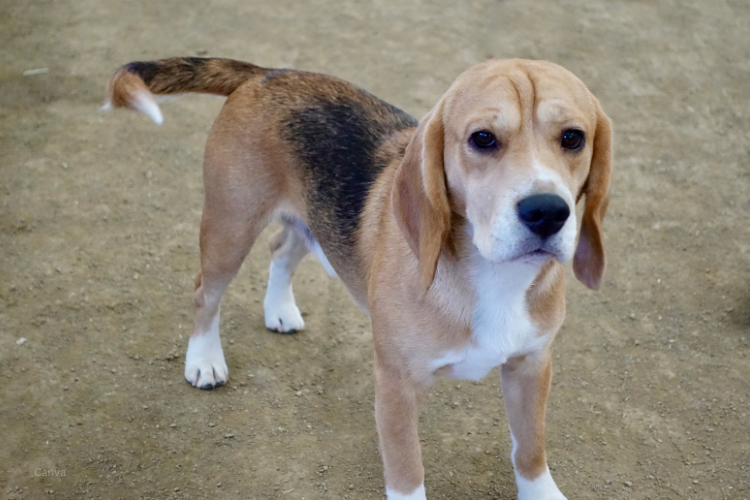
Dogs speak volumes through their tails, yet many people misread those movements and assume every wag means excitement or friendliness. Modern research shows tail signals are far more nuanced, influenced by body posture, emotional tension, social intention, and environmental context. A wag can be joyful, anxious, conflicted, defensive, or even a warning, and once you start noticing the details the entire language becomes clearer. Understanding these distinctions helps prevent misunderstandings, especially around unfamiliar dogs. With a closer look, the motions we thought were simple begin to reveal deep emotional layers. These ten points explain how to read the differences with confidence.
1. A low fast wag can indicate nervous anticipation.

A dog that keeps its tail low with quick trembling movements is often wrestling with uncertainty, and that wag shows internal tension rather than real happiness. You might see it when the dog meets someone new or enters a space where smells and sounds feel unfamiliar. The body usually follows with slight crouching or widened eyes, which reinforces that this is not a relaxed moment. According to the American Veterinary Medical Association, tail height plays a major role in interpreting canine emotion, and low placement often marks caution or anxiety. Once you understand this, other subtler signals begin to stand out as well.
2. A stiff wag often suggests rising alertness or tension.
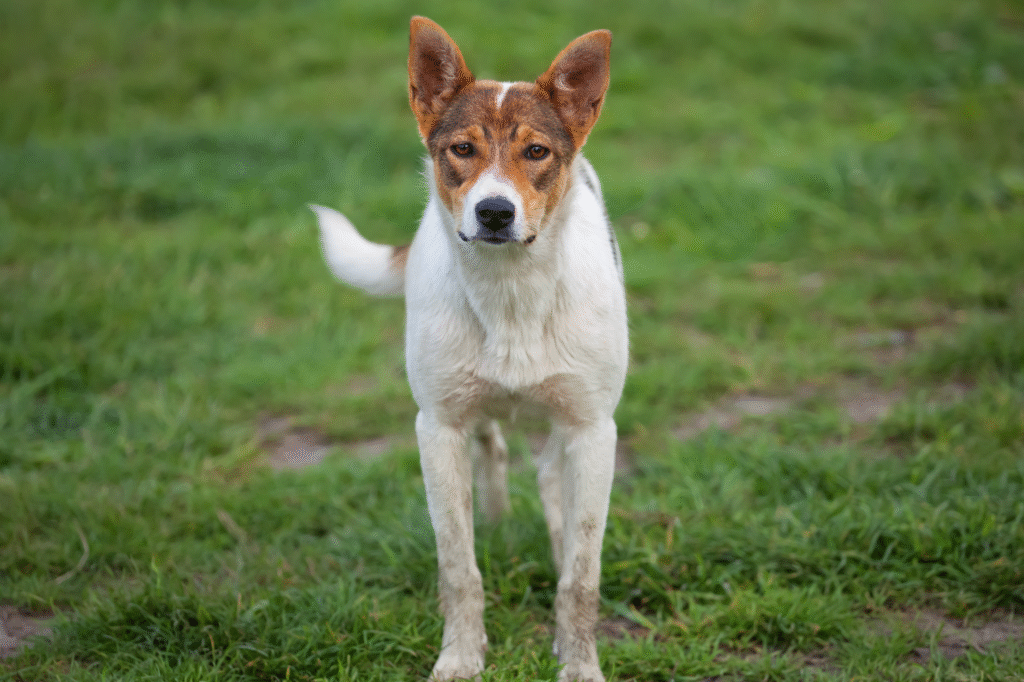
When a dog’s tail becomes rigid and moves in short quick strokes the signal usually points toward heightened awareness or discomfort as discovered by studies from the University of Trento on directional tail wagging. The dog may be deciding whether something is a threat or simply unusual, and the stiffness reveals mental strain rather than friendliness. You might notice the body leaning forward slightly and the ears standing tall which adds to the overall message of caution. This kind of wag often appears during sudden noises, unexpected visitors, or intense play that shifts toward uncertainty, creating a bridge to the next layer of communication.
3. A high tail with broad sweeping motions can express dominance.
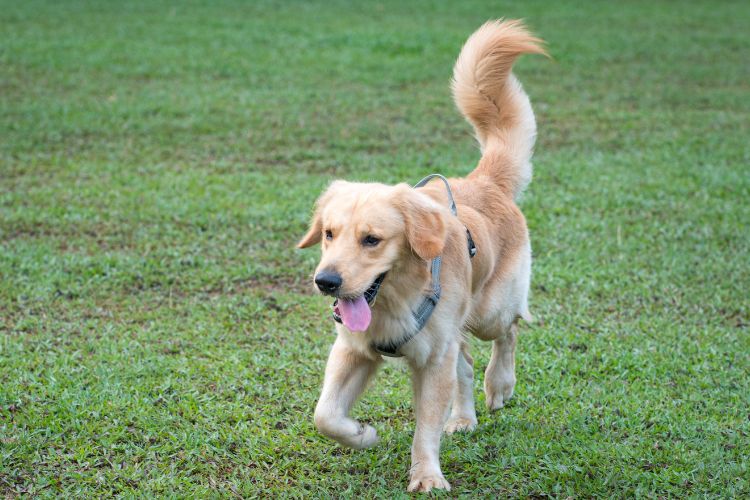
Some dogs lift their tail high and sway it in large deliberate arcs when they want to show confidence or assert themselves in social settings. This movement can look cheerful at a glance, yet the height and posture give it a different meaning altogether. Reported by the American Society for the Prevention of Cruelty to Animals, elevated tail displays often accompany direct eye contact or tension in the shoulders when unfamiliar dogs meet. The dog might be testing boundaries or signaling control which changes how the wag should be interpreted. Once this energy becomes clear, more relaxed tail movements start to shine with greater contrast.
4. A relaxed midlevel wag often signals casual friendliness.

A tail that rests naturally at mid height and moves with easy rhythm reflects a dog that feels comfortable and open to interaction. The body softens, the eyes warm, and the muscles loosen which allows the wag to unfold in a calm steady pattern. This is often the greeting you see when a familiar person comes home and the dog happily walks over without rushing. It is a reliable sign of social ease. After recognizing this comfortable baseline it becomes easier to notice when the energy shifts even slightly because every change tells you something meaningful about the dog’s internal state.
5. A slow sweeping wag can point to focused curiosity.

Some dogs slow down their tail movement when analyzing new information, and that gentle sweep shows thoughtful interest rather than excitement. The dog may pause, tilt its head, or lean forward to catch a scent while the tail moves in a careful controlled arc. It is a sign that the mind is working, sometimes evaluating a new object or puzzling over a sound. This mild curiosity is neither tense nor relaxed but sits in a balanced middle ground. Once a dog reaches a conclusion the tail usually changes pace again which naturally connects to the next emotional rhythm dogs often show.
6. Circular tail movement often indicates pure enthusiasm.
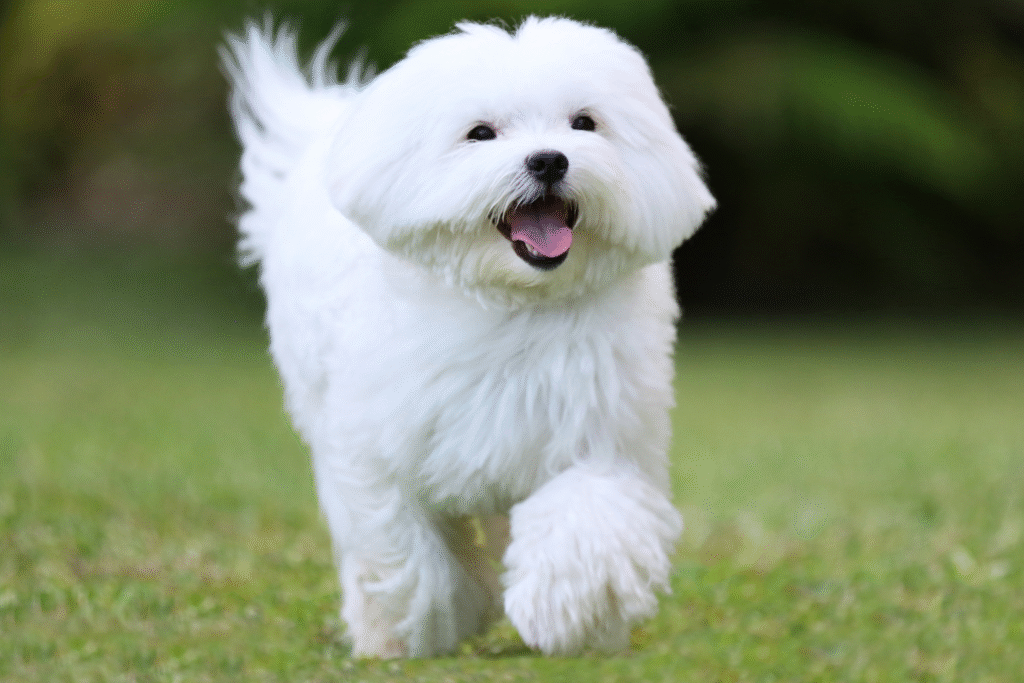
A full circular motion sometimes called the helicopter wag is one of the clearest signs of deep joy in dogs. The entire body becomes involved, from wiggling hips to bouncy paws, giving the movement a sense of sweeping warmth. It often appears during reunions with loved ones or during moments the dog finds incredibly exciting. This form of wag tends to invite play, cuddles, or close interaction and it stands in sharp contrast to the stiff or low wags that signal tension. Noticing this distinction helps create smoother transitions in reading the next behavioral clues dogs offer just as enthusiastically.
7. A tail tucked tightly under the body shows fear.

When the tail curls downward and tucks toward the belly the dog is expressing vulnerability or distress. Even if the tail trembles slightly the underlying emotion remains the same. This gesture often appears during loud environments, overwhelming encounters, or when the dog feels unsure about someone’s intentions. The body typically shrinks inward and the dog avoids eye contact which reinforces the communication of fear. It is important to slow your approach and offer space if you see this. Once the dog feels safer the tail will often rise again which should make the next emotional pattern easier to interpret.
8. A sudden freeze followed by a short wag signals uncertainty.

A dog may pause completely, hold the tail still, then offer a brief hesitant wag when trying to sort out mixed feelings about a situation. This moment often occurs during first introductions or when the dog senses something unfamiliar but not necessarily dangerous. The freeze reflects caution while the tiny wag hints at curiosity. It is a sign that the dog is weighing options and trying to decide whether to engage or retreat. Watching the body language that follows this moment helps reveal the direction the dog leans which makes the next subtle signal more understandable.
9. An uneven side to side wag can signal conflicting emotions.
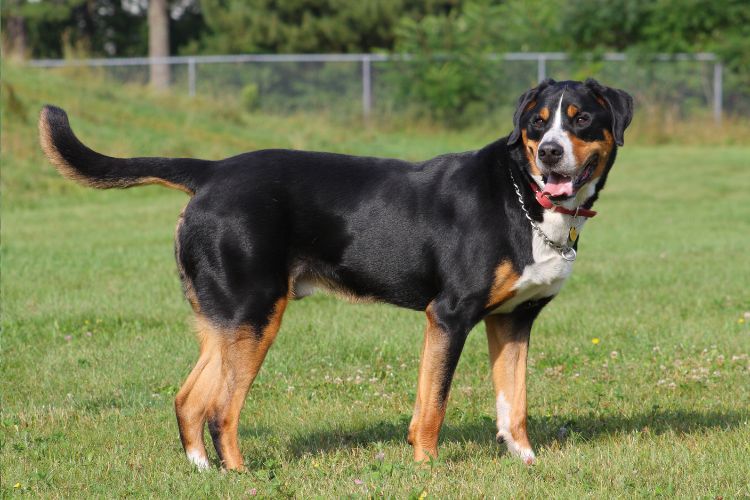
Occasionally a dog will wag more to one side than the other showing a split between wanting to approach and wanting to avoid a situation. This uneven pattern often appears when a dog feels drawn to a person but remembers something unsettling from a previous interaction. The imbalance in movement reveals an internal tug of war. The body may shift weight from paw to paw or alternate between stepping forward and stepping back. This delicate dance highlights their emotional complexity and sets the stage for the most intense wag that requires careful attention.
10. A fast high tight wag can hint at possible aggression.
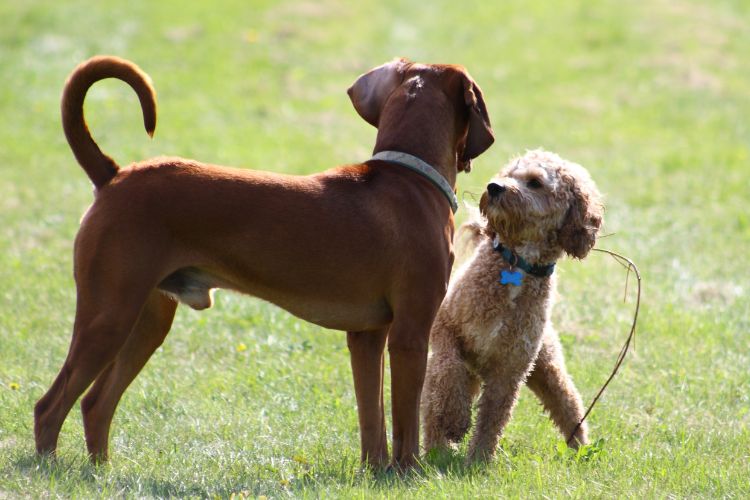
A tail held high, stiff, and moving rapidly often signals growing intensity rather than friendliness. This wag appears during moments when a dog feels challenged or protective and may accompany rigid posture or fixed gaze. It conveys pressure building inside the dog and warns that the next move might be defensive. Giving space at this moment is crucial because pushing closer can escalate the situation. Understanding this final signal brings the entire spectrum of tail movement into sharper focus and allows you to respond with calm awareness whenever a dog communicates through this powerful physical language.