
Science supported methods that elevate daily feline happiness.

A joyful cat often reflects the small choices made throughout their environment, and research shows that those choices matter more than most people realize. When a space offers comfort, stimulation and predictability, cats settle into calmer rhythms and begin expressing their personalities with more confidence. The following ideas build one upon another in a smooth progression, revealing how simple adjustments can transform daily feline life. This list acts almost like a guided conversation, offering a thoughtful look at what helps cats feel understood. As each point connects to the next, the larger picture of genuine feline happiness becomes clearer.
1. Provide vertical spaces that nurture feline confidence.
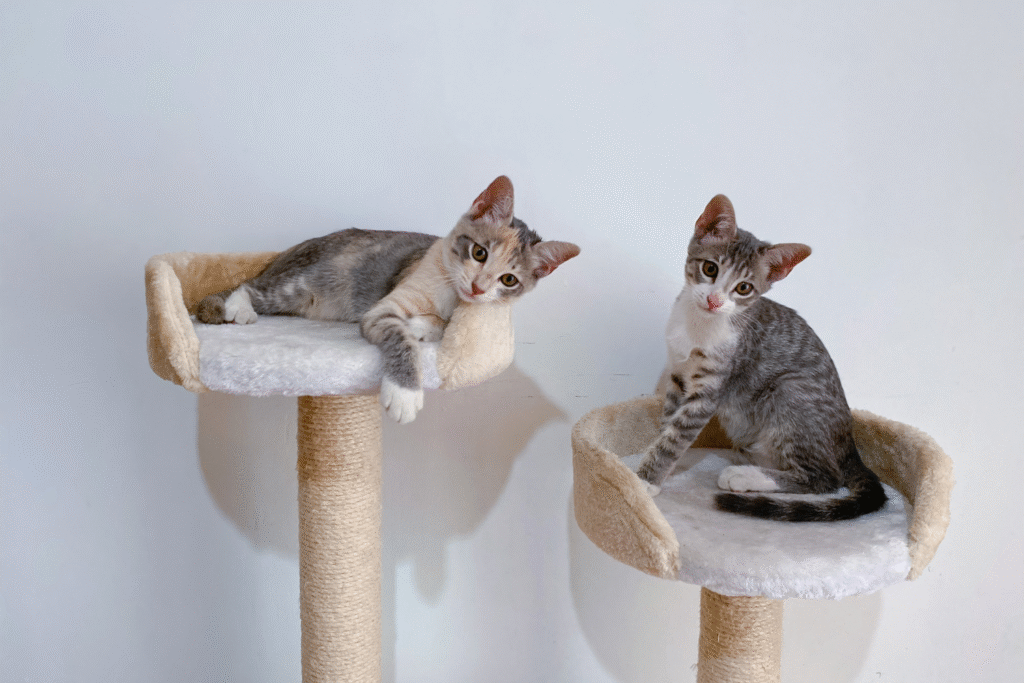
Feeling secure often depends on having a vantage point where the world can be observed without pressure. Elevated perches, tall resting zones and sturdy shelves give your cat a sense of safety and choice. According to the American Association of Feline Practitioners, vertical territory helps reduce stress and promotes more stable behaviour. Once these high spaces become familiar, many cats soften their body language, relax their movements and explore with greater comfort. Over time, these simple structural adjustments form the first steady layer of emotional grounding that supports every other enrichment effort you introduce.
2. Use interactive play that mirrors natural hunting behaviour.

A burst of controlled activity often transforms how a cat processes energy throughout the day. Moving toys that dart or wiggle encourage instinctive reactions and give your cat a meaningful outlet for built up tension. This kind of targeted play taps into the chase and capture cycle that remains strong in indoor cats, as stated by Cornell University College of Veterinary Medicine. When this instinctive need is met, many cats shift into calmer behaviour afterward, transitioning more smoothly into rest and showing more balanced moods as the day unfolds.
3. Offer hiding spots that create emotional security and choice.

A reliable retreat can dramatically shape how a cat copes with stimulation, especially in busy households. Boxes, covered beds and quiet corners become sanctuaries where they can reset in peace. As discovered by the International Society of Feline Medicine, access to hiding areas reduces fear based behaviour and improves emotional stability. When a cat knows they can withdraw freely, they return to shared spaces voluntarily, usually calmer and more sociable. These choices support healthier coping mechanisms and give your cat a sense of agency that quietly improves the rhythm of their entire day.
4. Introduce puzzle feeders that encourage natural thinking patterns.
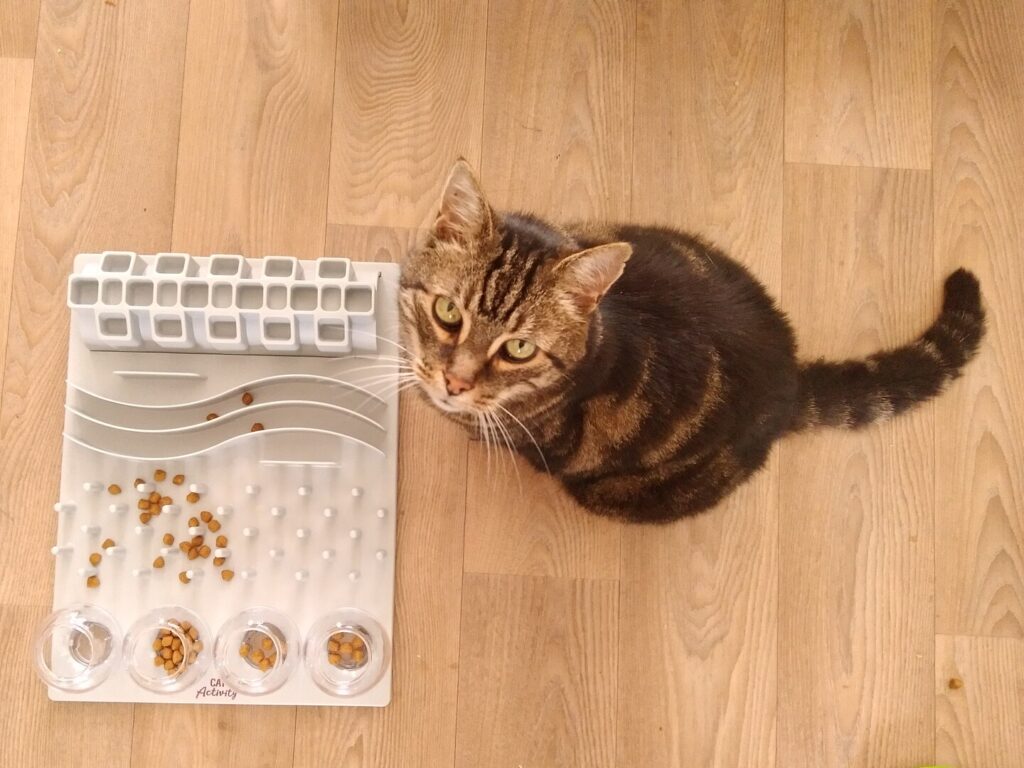
Turning mealtime into a thinking exercise deepens your cat’s connection to their environment. Puzzle feeders invite problem solving while slowing eating, preventing boredom and offering a gentle, rewarding challenge. As your cat experiments with these devices, they strengthen patience and stay mentally occupied for longer stretches. This extra engagement encourages smoother behaviour during quiet parts of the day because their mind has been meaningfully stimulated. When puzzle feeding becomes routine, it shapes a more structured rhythm where curiosity and calm coexist, creating a more satisfying day for cats who crave mental depth.
5. Offer safe outdoor experiences or enriching window vantage points.

The wider world holds endless interest, and even indirect contact with it can enrich a cat’s emotional life. Breezes, shifting shadows and distant motion stimulate instincts in a calm and steady way. Whether through a screened patio, a secure yard space or a wide window ledge, these moments expand sensory experiences without introducing danger. Many cats show more relaxed behaviour afterward because their curiosity has been gently satisfied. Over time, these small windows into the outdoors create a sense of variety that counters indoor monotony and supports a more balanced emotional landscape.
6. Refresh toys and household features to maintain their curiosity.

A familiar home can feel entirely new with just a few small changes. Rotating toys, shifting scratchers or adjusting the layout of a play area encourages a fresh wave of exploration. These simple tweaks stimulate natural curiosity without overwhelming your cat, offering just enough novelty to spark movement and investigation. When updates happen regularly but predictably, they help prevent boredom and keep the environment mentally engaging. This ongoing cycle of subtle change helps shape a home that feels alive, gently dynamic and consistently interesting from a feline point of view.
7. Use scent enrichment that aligns with feline sensory instincts.

Cats experience their world through scent far more intensely than sight or sound. Bringing in safe botanical scents like silver vine or rotating soft items with new aromas adds emotional and sensory depth to their surroundings. These scent changes encourage exploration, rubbing and lingering attention. The enrichment is quiet but meaningful, offering stimulation that does not rely on noise or busy movement. As these scent experiences accumulate, they add another dimension to your cat’s daily routine, helping them feel more engaged and grounded in their environment.
8. Establish predictable routines that build emotional stability.

Most cats relax when daily events follow a familiar pattern, and predictability often becomes a foundation for trust. When meals, play sessions and rest periods occur consistently, your cat learns to expect comfort instead of uncertainty. This sense of order reduces stress and helps them manage stimulation more gracefully. With time, predictable routines lead to fewer reactive behaviours and more consistent affection. By providing a reliable rhythm, you help your cat devote energy to positive interaction, exploration and rest rather than managing anxiety.
9. Provide varied textures and surfaces that support natural expression.

Different textures invite different behaviours, so offering a range of surfaces helps your cat satisfy multiple needs. Sisal, cardboard, soft blankets and smooth resting areas give them ways to stretch, scratch, knead and lounge, depending on their mood. This variety encourages healthy physical expression and prevents frustration that might otherwise lead to unwanted scratching. As they explore these options daily, your cat builds comfort and confidence in their territory. Over time, this sensory richness contributes to a more relaxed and satisfied presence throughout the home.
10. Build trust through respectful human feline interaction every day.

Connection grows strongest when a cat feels seen and respected. Allowing them to initiate contact, offering gentle touch and responding to their cues builds trust in a slow, meaningful way. A cat who feels understood expresses affection more openly and relaxes more easily near their human companion. This trust enhances every other enrichment strategy because a secure cat engages more fully with play, exploration and rest. As your bond deepens, their daily rhythm becomes smoother, and joy appears not as a rare moment but as a steady part of life.