
Subtle behaviors that can spoil social time.

Dog parks can feel like small worlds of energy, movement and unspoken rules. Most dogs settle right in, but others struggle a bit more, often without their owners realizing why. These habits are not signs of a bad dog, only hints that something in their social toolbox needs a tune up. As you watch the dynamics unfold, you start to see how small patterns can create bigger ripples.
Many of these behaviors come from excitement, stress or confusion. When owners understand what is really happening, they can step in early and help their dog feel more at ease. Once those habits shift, the entire energy of the outing changes, and both dog and human begin to enjoy a smoother, happier rhythm at the park.
1. Dogs that rush every newcomer at full speed.

Plenty of dogs greet with enthusiasm, but some slam into the moment with more intensity than others. Their sprint toward another dog can feel overwhelming, turning a potential friend into a startled stranger. The behavior usually comes from excitement rather than aggression, yet the impact is the same because other dogs often interpret that burst as pressure. Owners watching closely start to notice how the mood shifts when the approach softens.
Gradually teaching a slower greeting builds a safer and calmer rhythm. Once the dog learns to read subtle cues and pause briefly before getting close, the tone of each interaction begins to change. The difference becomes clear as other dogs relax around them, making return trips to the park far easier for everyone involved.
2. Some dogs ignore all social signals from others.

Certain dogs simply bulldoze through the conversation without noticing the messages coming their way. A turned head, a stiff body or a small side step can go unnoticed, causing another dog to tense up. These missed cues often stem from inexperience rather than intent, and the pattern becomes clearer when interactions keep ending abruptly. It is a sign that the dog needs help understanding how to read social context more carefully.
Supporting them through calmer meetups with steady companions can reshape the entire experience. As the dog begins recognizing pauses and shifts in body language, their approach softens. Over time, previously tense moments turn into easy exchanges that set a better tone for every future visit.
3. Play sessions become too rough before anyone can intervene.

Rough play is normal among many dogs, but some escalate too quickly, leaving others overwhelmed. The intensity can show up in abrupt grabbing, hard body slamming or fast changes of direction that ignore the comfort level of the other dog. Watching the scene unfold, you start to see how quickly fun can turn into discomfort. These moments do not always involve aggression, only a mismatch of energy.
Helping the dog learn calmer pacing creates a more positive rhythm. When owners call for short breaks, the dog has a chance to reset before things tip too far. That simple pause supports safer play, encouraging smoother interactions that give everyone more room to enjoy the moment.
4. A dog that guards toys or spaces creates tension.
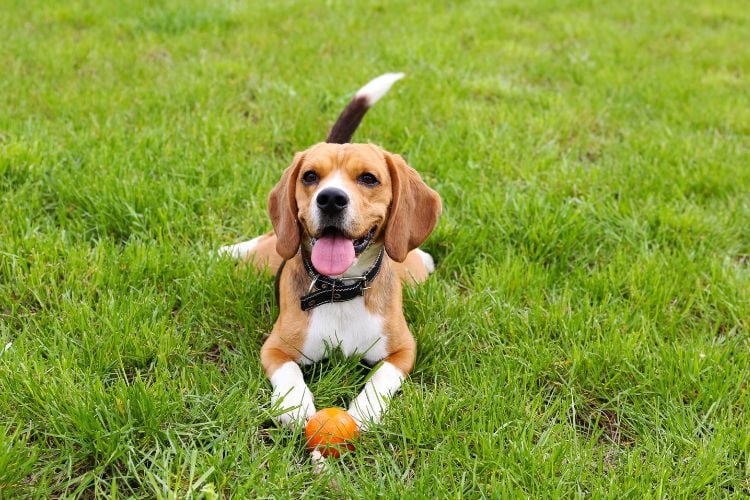
Resource guarding can surface suddenly at the park. One moment is calm, then a dog plants itself near a toy or shaded spot and freezes when another dog approaches. The shift in posture is subtle but powerful, and other dogs often notice it long before humans do. The guarded space becomes a point of pressure that changes the entire mood around it. Tension builds as other animals begin to hover at a distance.
Awareness and timely redirection help break the cycle. Removing the guarded item or guiding the dog toward open space relieves the pressure almost instantly. With practice, the dog learns to relax without anchoring itself to objects, creating a smoother social environment for everyone there.
5. Dogs that bark nonstop unsettle the entire group.

Some dogs bark out of excitement, others from stress, and a few simply do it because they are unsure how to handle the chaos. Whatever the reason, the constant noise shifts the tone of the park. Other dogs become wary, people pull their pets closer, and the atmosphere grows sharper. Watching closely, you start to see that the barking dog is usually the one feeling most unsure.
Teaching the dog to take small breaks away from the noise helps them settle. With practice they begin pairing the park with calmer experiences rather than noise driven reactions. As the barking fades, the whole environment becomes more relaxed, making social moments feel easier and more harmonious.
6. Overly clingy dogs struggle to venture out and engage.

Some dogs attach themselves to their owners like anchors, circling the same patch of ground and refusing to explore. Their hesitation can frustrate other dogs who try to invite them to play, only to be met with retreat. The clinginess often reflects insecurity or inconsistent past experiences, and you begin to see the pattern as soon as they arrive. The dog glances up frequently, trying to gauge safety before making any move.
Helping them build confidence in calm situations can shift everything. As they begin to explore in small increments, their world expands. Eventually they discover pleasure in shared play, turning their old hesitation into a new willingness to join the group.
7. Dogs that chase relentlessly can overwhelm others.
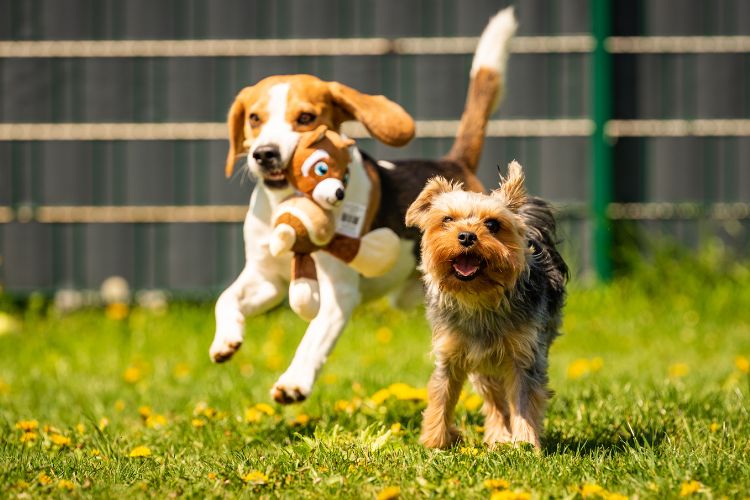
Chasing can be fun for some, yet too much pursuit quickly becomes stressful for the dog being chased. The relentless runner often misses the cues that the game is over, continuing even when the other dog tries to stop. The target becomes tense, and the rest of the park picks up on that shift. What started as play becomes a pressure filled scene that affects everyone nearby.
Helping the dog learn recall during active play creates a welcome break in the cycle. Each pause teaches them how to match the pace of the other dogs. As they adjust, their play becomes more balanced, giving every dog involved a reason to stay engaged.
8. Dogs that never rest stir up unnecessary conflict.
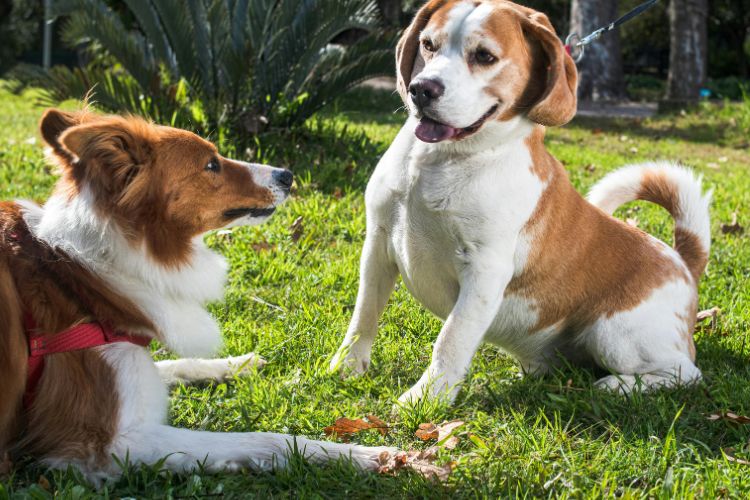
Some dogs seem unable to pause, bouncing from one interaction to the next without any downtime. The constant motion can make others uneasy, creating small pockets of tension that grow larger as the visit continues. You start noticing how other dogs begin to avoid the energetic whirlwind, seeking calmer spaces around the park. The nonstop activity often reflects a lack of self regulation rather than misbehavior.
Introducing structured breaks helps the dog pace itself more naturally. Once they learn to pause, the entire outing becomes smoother and more predictable. Other dogs respond with more openness, and the dynamic around the park shifts toward a calmer, friendlier tone.