
Old assumptions about Egypt’s boy king are starting to unravel.
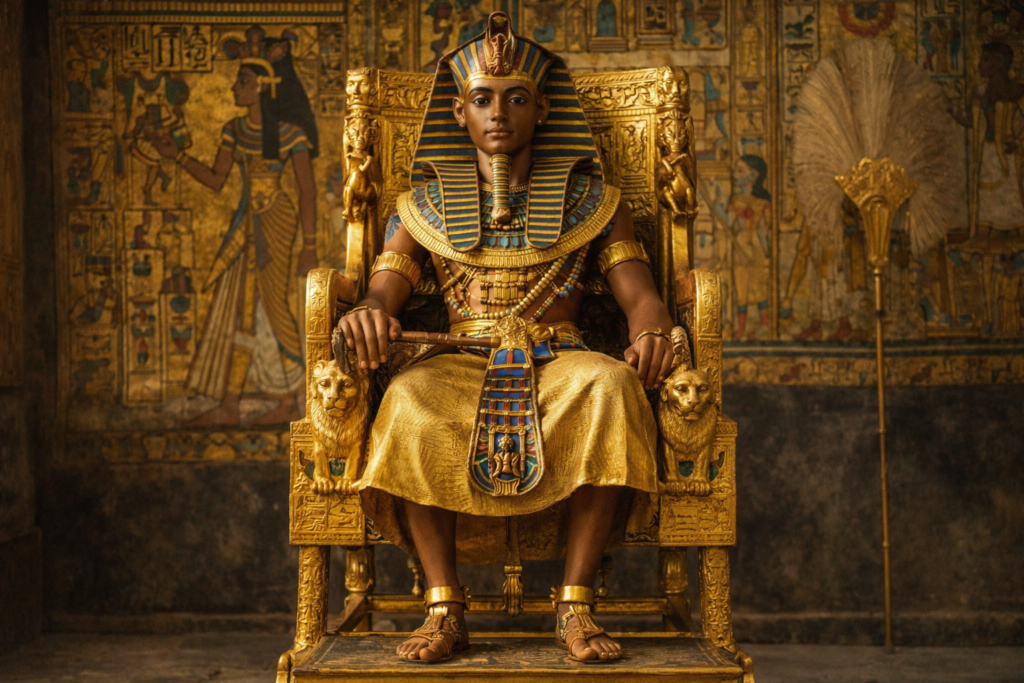
New DNA work on Tutankhamun is reshaping long standing ideas about Egypt’s most famous young ruler. For decades, his story has leaned heavily on inscriptions, statues and tomb artifacts, yet many parts of his lineage remained uncertain. Genetic research finally offers a clearer lens that cuts through the ambiguities surrounding his ancestry. The results complicate earlier explanations and introduce new possibilities that affect everything from royal politics to the identity of those closest to him. The emerging picture is more intricate than the one historians relied on for generations.
1. Genetic markers reveal a more complex parentage.

Recent DNA analysis suggests Tutankhamun’s ancestry involves connections broader than previously understood, as stated by National Geographic. Earlier models relied on narrow assumptions about his immediate family, but updated genetic sequencing reveals additional patterns that expand those boundaries. These findings open new avenues for interpreting how bloodlines intersected inside the eighteenth dynasty. They also highlight gaps that earlier research could not resolve because the physical evidence was incomplete.
The new information encourages scholars to revisit political decisions made during his rise to power. It broadens the context for interpreting the alliances and expectations that surrounded him.
2. Evidence points to unexpected links within his dynasty.

Comparisons between Tutankhamun’s DNA and that of other royal mummies show tighter relationships in the dynasty than earlier scholarship described, as reported by the Egyptian Ministry of Antiquities. These links suggest interactions within the royal household that produced strong genetic overlap across generations. That overlap shifts attention toward figures whose influence may have quietly shaped the palace environment. It also raises questions about how lineage played into succession plans.
These insights introduce a more layered understanding of how family networks affected political outcomes. They also motivate researchers to reassess long accepted interpretations of the dynasty’s power structure.
3. Studies narrow down candidates for his maternal relatives.

DNA sequencing strengthens connections between Tutankhamun and several women suspected of belonging to his maternal line, as discovered by the Journal of the American Medical Association. This clarity gives historians firmer ground for identifying which royal women carried influence during his early years. Maternal ties held strategic weight in defining a pharaoh’s identity. Rebuilding these connections helps recalibrate existing theories about who shaped his upbringing and guided the palace during his childhood.
Understanding these maternal relationships also sharpens the picture of how power circulated in the court. It offers a stronger foundation for interpreting decisions made during his transition to the throne.
4. Genetic clues deepen debates about his physical condition.
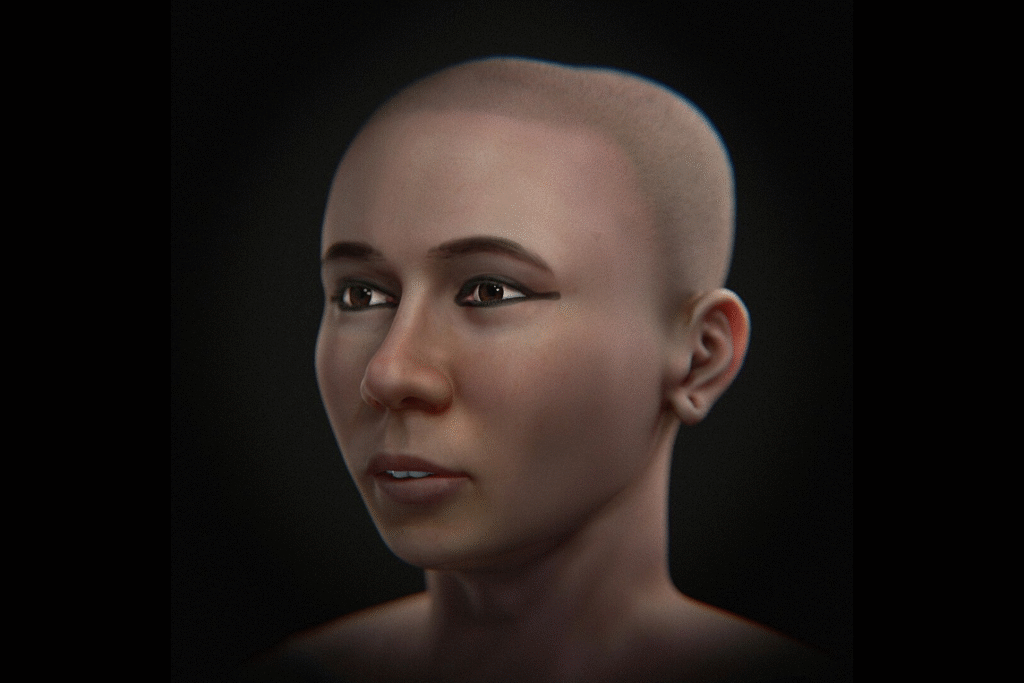
Researchers examining Tutankhamun’s DNA have identified markers that support the possibility of health challenges during his life. These indicators align with evidence from CT scans, suggesting mobility issues and other complications. While the data cannot create a full medical profile, it provides a stronger framework for discussing how his health may have influenced daily routines. Those limitations could also have shaped how advisors positioned themselves around him.
This perspective encourages a broader interpretation of how his condition affected political choices. It also gives insight into the level of support he may have required within the palace.
5. His childhood environment becomes clearer through ancestry clues.

The revised lineage data allows scholars to reconsider which parts of Egypt played a role in Tutankhamun’s early development. If his ancestry extends across a wider network than previously believed, he may have been exposed to more diverse cultural influences. Those influences could have shaped his understanding of religion, tradition and loyalty long before he assumed the throne. Geographic origin often played a quiet but powerful role in forming a ruler’s worldview.
These insights provide a more textured interpretation of his early years. They help expand how historians connect his upbringing to the decisions made later in his rule.
6. DNA strengthens evidence of interconnected royal strategies.
Tutankhamun’s genetic patterns match recurring signatures found across several members of the eighteenth dynasty. These markers suggest that marriages and alliances created shared ancestry that repeated from one generation to the next. Such overlap indicates that political strategy within the royal family relied heavily on tightly controlled relationships. Recognizing this pattern adds structure to the broader dynastic narrative.
This understanding helps explain the continuity seen in the era’s artistic, religious and political decisions. It also highlights the careful planning that shaped royal identity throughout the century.
7. The updated lineage reshapes interpretations of his succession.

If Tutankhamun’s genetic connections differ from earlier assumptions, the motivations behind his selection as pharaoh may shift. Those who supported his rise might have been responding to alliances that were not obvious through inscriptions alone. Succession in ancient Egypt relied heavily on both perceived legitimacy and strategic advantage. The revised ancestry opens the door to reevaluating which factions stood behind him.
This perspective provides room for new interpretations of palace politics. It also encourages renewed study of individuals who may have held more influence than once believed.
8. The findings affect how historians view his reforms.

Tutankhamun’s religious decisions after the Amarna period have long raised questions. The updated understanding of his lineage may offer clues about which relatives influenced those reforms. If certain family ties prove stronger than previously thought, their guidance may help explain the direction of his restoration policies. Such connections provide a more coherent framework for interpreting his return to traditional worship.
This context strengthens the link between his personal identity and his political agenda. It also offers insight into why his reign took the direction it did despite his young age.
9. His identity becomes more multidimensional through genetic context.
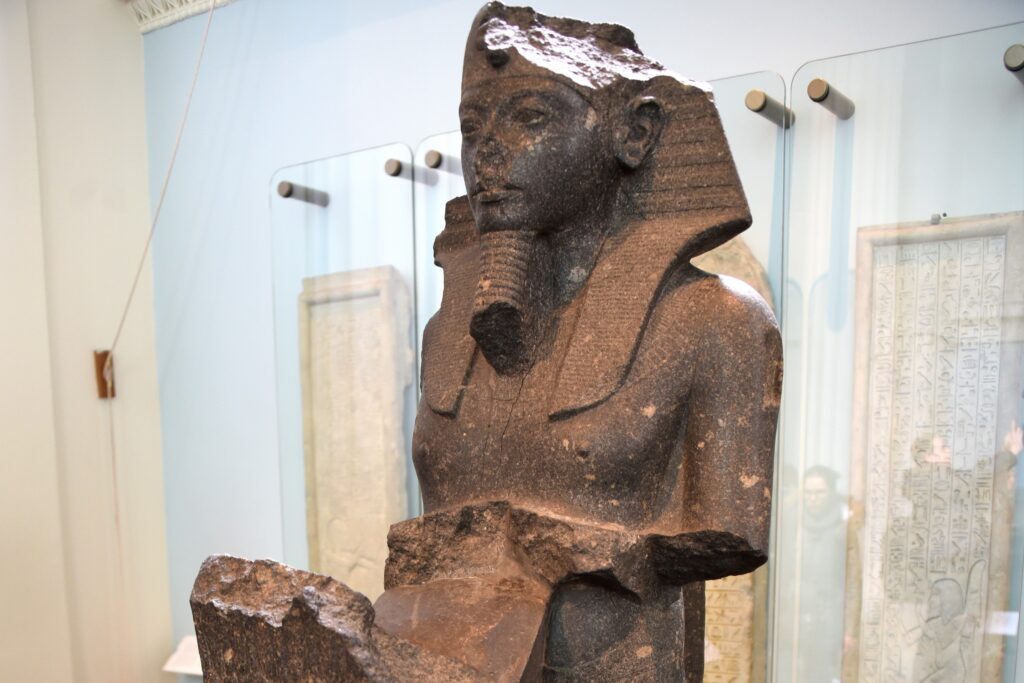
The expanding genetic picture of Tutankhamun pushes historians to reconsider how his life intersected with those of other royal figures. Instead of a solitary young ruler defined by his tomb, he emerges as part of a broader system of relationships. That integration changes how researchers interpret his decisions, challenges and legacy. The new data forces a shift away from simplified narratives.
This deeper context helps create a more accurate historical portrait. It encourages ongoing analysis that replaces speculation with grounded detail.
10. The discoveries drive momentum for reanalyzing royal remains.

Genetic analysis of Tutankhamun has renewed interest in studying other mummies from the same era. Each successful DNA extraction reveals connections that strengthen the overall map of royal ancestry. As these studies expand, researchers can assemble a more cohesive picture of how families managed power and tradition. The cumulative outcome shapes a clearer understanding of Egypt’s political structure.
This momentum signals a new phase in Egyptology. Future discoveries may continue to shift long standing beliefs, bringing even more depth to the story of Tutankhamun and his world.