
Aging pets confront changes we rarely consider.
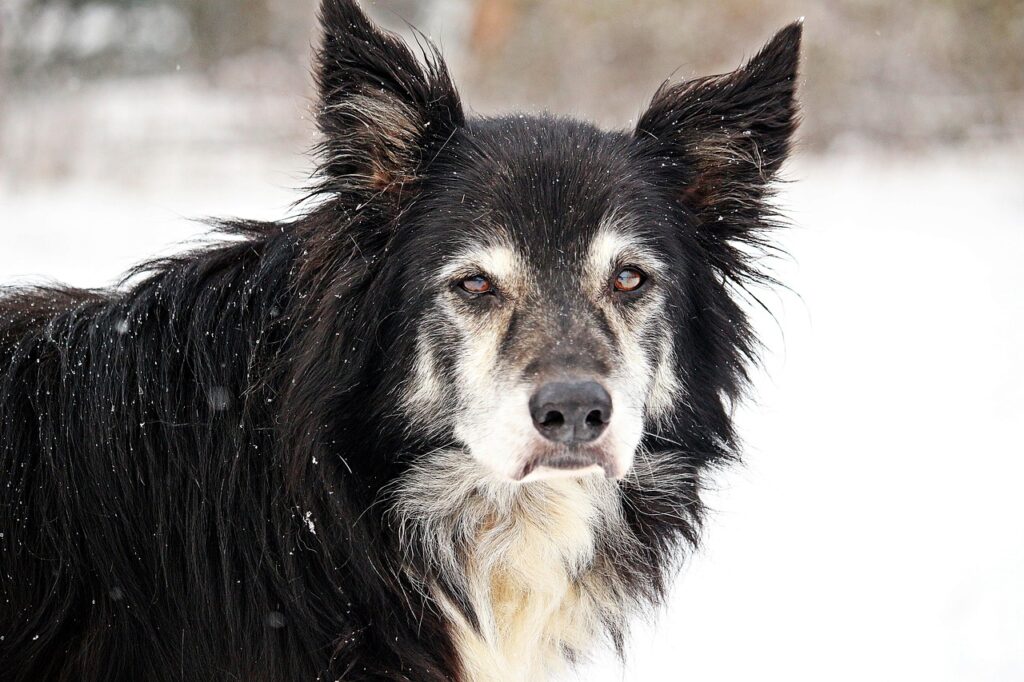
Senior dogs move through their later years with a quiet determination that often hides what is happening beneath the surface. Their bodies shift in ways that develop slowly at first, then faster than many owners expect. Aging brings a set of medical realities that do not always appear in routine conversations with veterinarians. Some of the most important changes remain subtle until they gather momentum. Understanding them can reshape how we support the companions who have stood beside us for so long.
1. Cognitive shifts develop earlier than many expect.
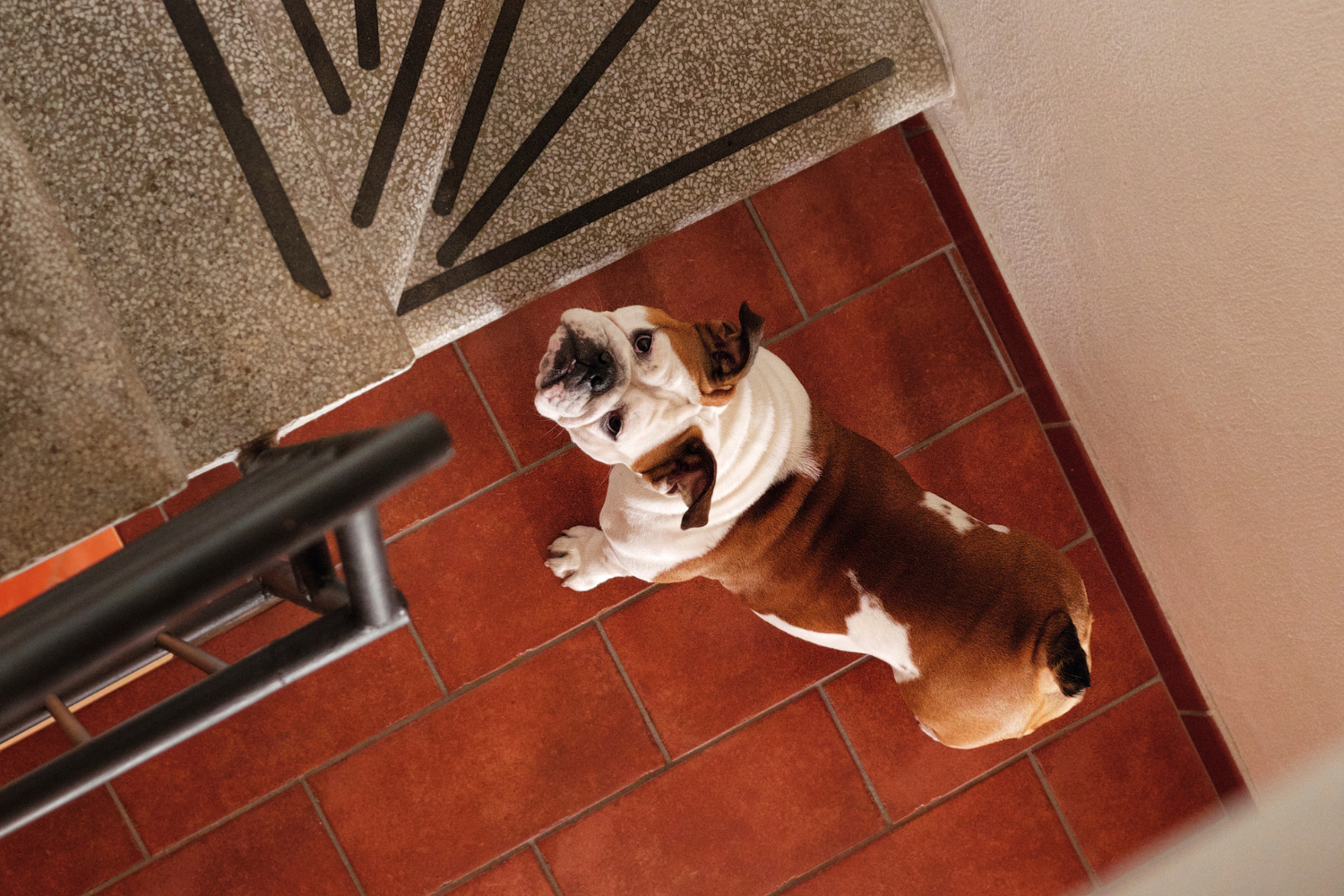
Veterinary neurologists have found that canine cognitive dysfunction can begin long before obvious signs appear, as stated by the American Veterinary Medical Association. Dogs may hesitate at doorways, sleep differently or look confused during familiar routines. These shifts are small enough to miss, yet they signal changes in brain chemistry that progress gradually. Early detection helps families adjust environments and routines with more intention.
Once these patterns become clear, owners often recognize how long their dogs have been compensating. Recognizing these cognitive changes early gives dogs additional comfort and stability during aging.
2. Joint deterioration advances quietly over time.
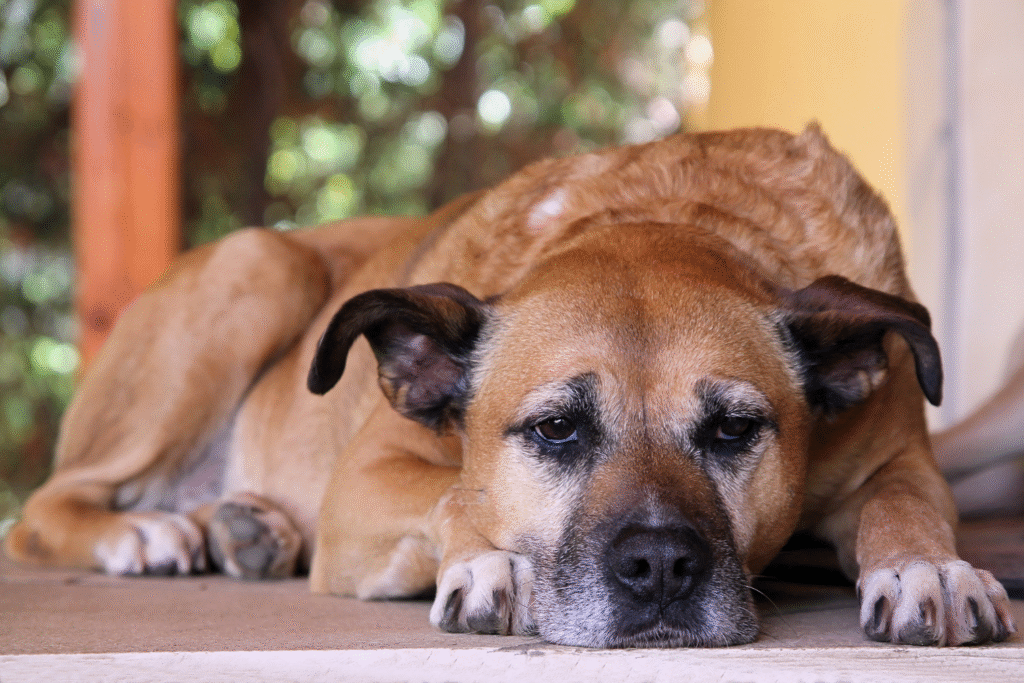
Studies show that many senior dogs develop arthritis years before symptoms become visible, as reported by Cornell University’s College of Veterinary Medicine. The cartilage in their joints erodes slowly, leading to stiffness that dogs often hide. They may shift their weight, shorten their stride or avoid certain movements in ways that go unnoticed. The progression continues regardless of how stoic they appear.
Understanding these subtle signs allows for earlier treatment. Once pain management and supportive care begin, dogs often regain mobility that owners did not realize had been fading.
3. Organ decline can begin without clear warning signs.

Veterinary researchers have noted that kidney and liver changes may start before blood tests show abnormalities, as discovered by the Journal of Veterinary Internal Medicine. Senior dogs often continue eating and drinking normally while internal changes quietly accelerate. By the time symptoms appear, the conditions may already be established. That quiet progression explains why routine screenings become more important with age.
With earlier detection, families can adjust diet, medication and hydration to support aging organs. These adjustments often slow decline and strengthen overall quality of life in later years.
4. Respiratory capacity decreases in subtle but significant ways.

As dogs age, lung elasticity and airway strength gradually diminish. The change may appear as slower recovery after exercise or mild wheezing during rest. Many owners interpret this as simple aging, yet it represents measurable shifts in respiratory function. Over time, reduced oxygen exchange can affect stamina and comfort. Dogs may seek cooler areas or choose shorter bursts of activity.
When these signs become clearer, owners can tailor routines to support comfortable breathing. This attention helps prevent unnecessary strain on aging lungs and improves daily energy.
5. Hormonal shifts influence behavior more than expected.

Older dogs often experience changes in endocrine function that subtly alter behavior. Variations in thyroid or adrenal hormones can affect appetite, vocalization or sleep rhythms. Because these personality shifts unfold slowly, families sometimes misinterpret them as mood changes rather than medical signals. Recognizing the connection helps identify treatable conditions.
When hormone levels stabilize with appropriate treatment, many dogs regain patterns that feel familiar. These improvements provide reassurance that some behavioral changes are medical rather than emotional.
6. Skin integrity weakens and becomes more reactive.

Aging skin produces less natural oil and loses elasticity, making senior dogs more vulnerable to irritation. Even mild allergies or environmental triggers can lead to dryness or inflammation. Owners may notice more scratching or changes in coat texture. These signs reflect a weakened barrier that once protected them easily. Environmental adjustments and supportive treatments can reduce sensitivity.
Attention to small changes in skin condition preserves comfort and reduces secondary infections. This vigilance helps older dogs maintain ease in environments that once posed no challenges.
7. Immune response becomes less efficient with age.
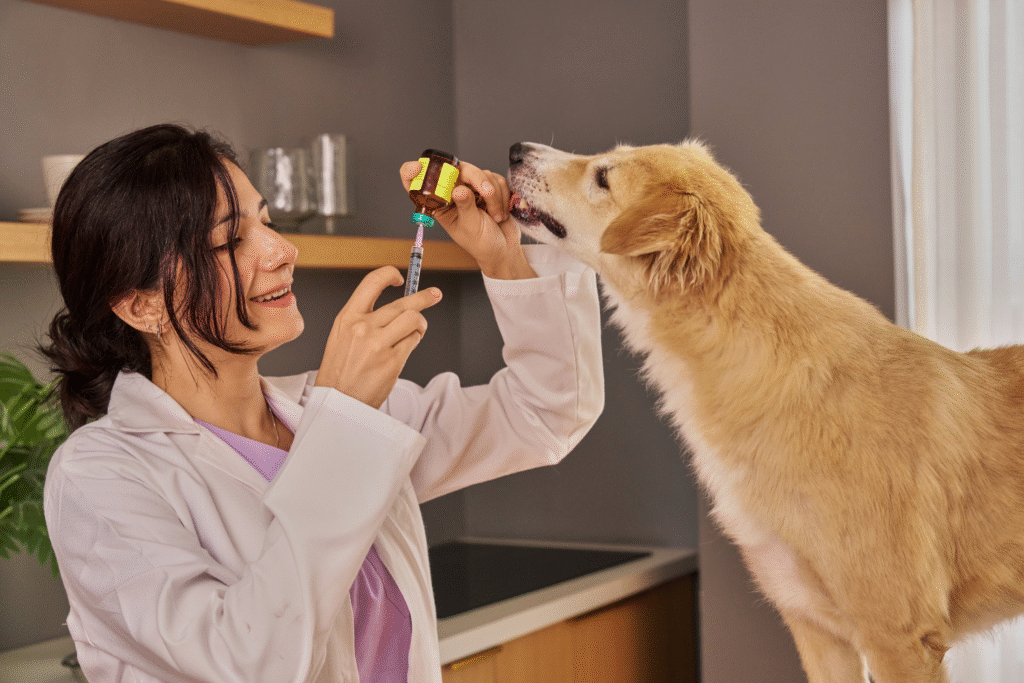
Senior dogs experience a natural decline in immune function, reducing their ability to fight infections. Conditions that once resolved quickly may linger. Vaccination schedules may shift to reduce risks while preserving protection. Even minor illnesses can affect energy levels more noticeably. These shifts reflect the immune system’s gradual transition away from peak efficiency.
Owners who recognize these patterns can adjust exposure and care routines. Preventive steps help reduce stress on the immune system and preserve resilience.
8. Sensory loss changes how dogs interact with home life.
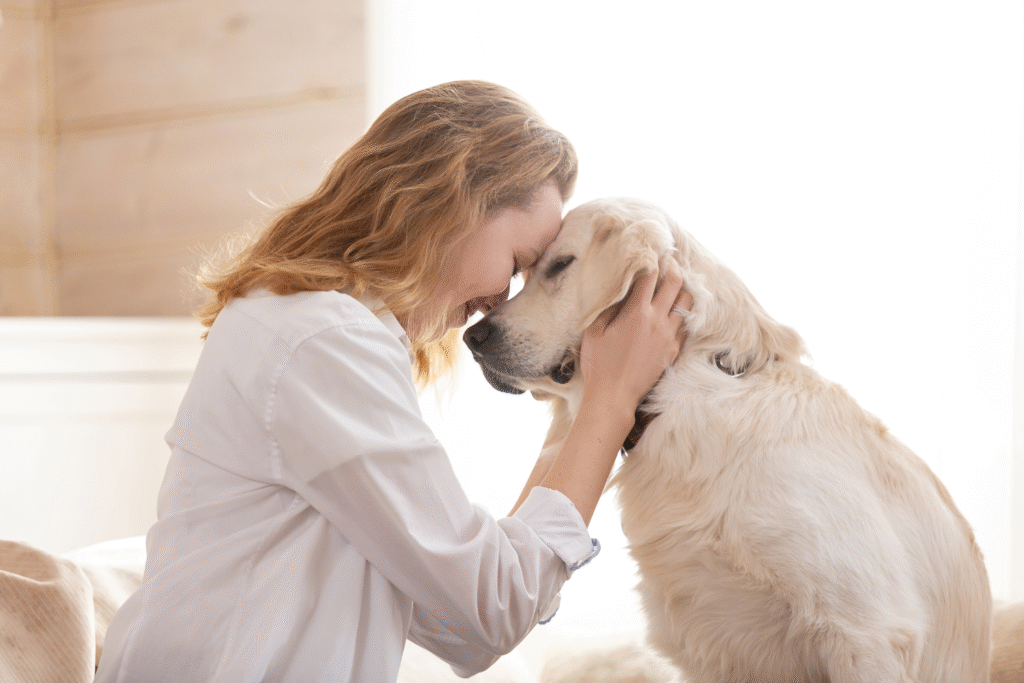
Hearing and vision steadily decline in many senior dogs. They may startle more easily or hesitate in dim light. Navigating familiar spaces requires more concentration. These adjustments do not indicate fear but reflect changes in sensory processing. Dogs often rely more heavily on scent and touch to compensate.
Families can make small modifications that reduce confusion or frustration. Consistent layouts, gentle cues and predictable routines help senior dogs maintain confidence as their senses evolve.
9. Muscle mass declines faster than activity levels show.
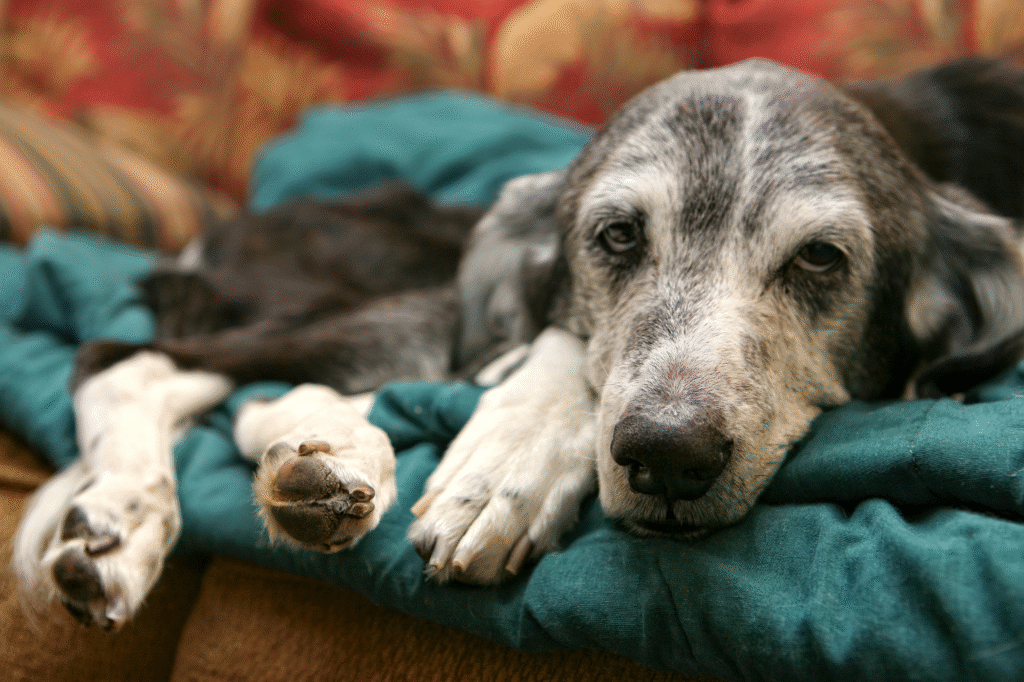
Sarcopenia progresses even when dogs remain active. The gradual loss of muscle strength shifts posture, balance and overall stability. Dogs may manage daily routines well until a moment when weakness becomes suddenly visible. This decline affects their ability to recover from minor injuries or navigate uneven surfaces.
Strength supporting activities, thoughtful movement and appropriate nutrition help maintain functionality. Recognizing early signs of muscle loss allows owners to preserve mobility for longer.
10. Emotional resilience changes as health shifts accumulate.

Senior dogs may respond differently to stress as physical changes accumulate. Loud noises, new environments or disruptions to routine can affect them more deeply than before. These shifts reflect a combination of cognitive, sensory and physical transitions. They are not signs of withdrawal but of changing thresholds for comfort.
Supportive environments, calm routines and patient reassurance help senior dogs maintain emotional steadiness. These adjustments strengthen their sense of safety during a stage where stability matters most.