
Some dogs demand experience to stay truly safe.

Many people imagine that love, treats and a comfortable home can smooth out any rough edge in a dog. Experts caution that this belief overlooks how deeply genetics, history and instinct shape certain breeds. Some dogs were built for serious work, which means they require structure, experience and consistency far beyond what the average household can offer. When those needs are not met, their behavior can shift in ways that feel overwhelming or unsafe.
Understanding the challenges does not demonize these breeds, it simply honors what they were designed to do. A capable home with training and boundaries can transform them into remarkable companions, but the wrong environment can push them into stress, reactivity or defensive behavior. Knowing this ahead of time helps families avoid mismatches that place both people and dogs at risk.
1. Caucasian Shepherds guard intensely without clear direction.

These imposing guardians were built to protect livestock from predators, a job requiring powerful instincts and unwavering confidence. In homes that lack steady guidance, those instincts spill into daily life, prompting the dog to monitor guests, deliveries and even family movement. They need owners who understand how to manage a dog that weighs heavily on instinctive control. Without that, they may decide on their own who is safe and who is not, creating uneasy moments.
Once that mindset takes root, redirecting it becomes a long process. Their size and strength add pressure to a situation already requiring skill. People who underestimate their seriousness often find themselves scrambling to create boundaries after the dog has already claimed the role of household protector. This mismatch is why experts stress experience long before adoption.
2. Belgian Malinois demand constant mental structure to stay balanced.
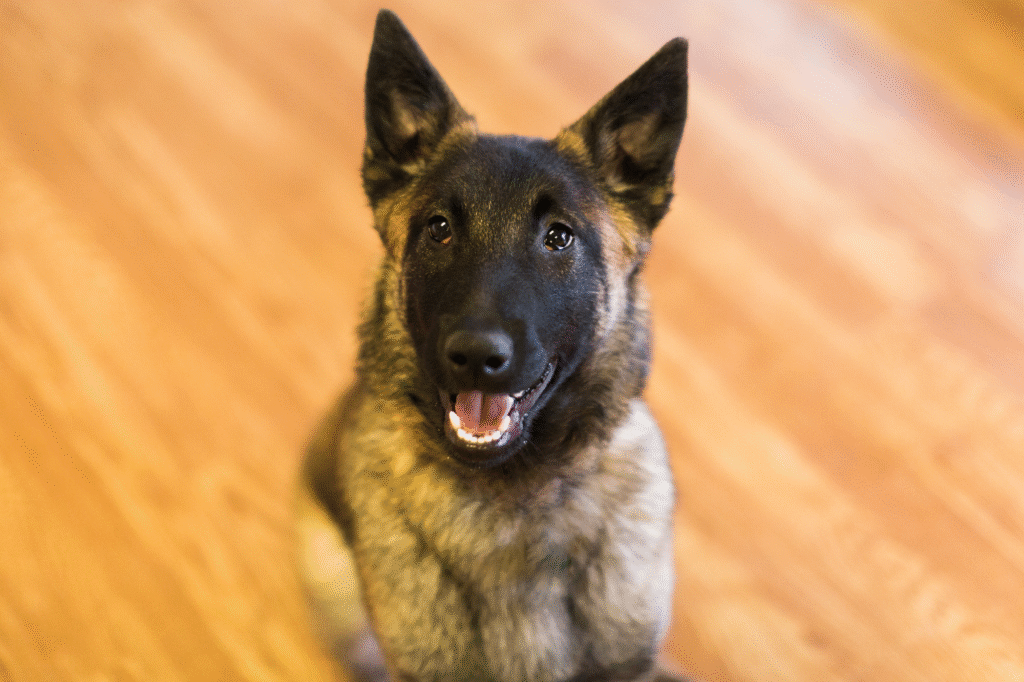
These highly intelligent dogs thrive when given purposeful work, not casual routines. Their natural drive pushes them to scan, react and solve problems faster than most families can keep up with. In the wrong home, this energy becomes frantic, leading to destructive behavior or overreaction toward sounds and motion. They need precision and consistency every single day, which many households cannot sustain.
When those needs go unmet, the Malinois becomes overwhelmed by its own intensity. That pressure makes them unpredictable in environments filled with noise or chaos. Owners who treat them like typical pets quickly discover how much management is required. Their brilliance shines only when experienced handlers channel that energy with intention.
3. Presa Canarios respond forcefully when poorly trained.
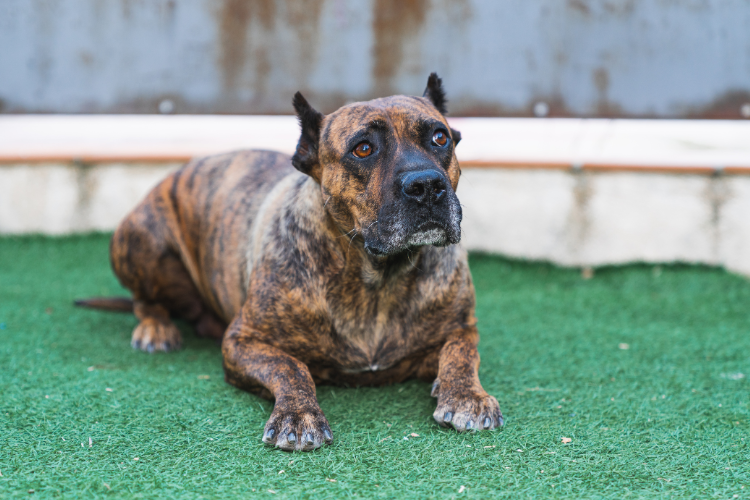
This powerful breed carries a calm exterior paired with a deep instinct to guard. Without clear leadership and early social exposure, they may rely on their own judgment, which can be too strong for everyday living. Families unprepared for their intensity sometimes unknowingly reinforce the wrong behaviors, allowing protective instincts to expand unchecked. That dynamic becomes dangerous when visitors or unfamiliar situations arise.
Over time the dog begins to interpret subtle cues as threats, and that interpretation is difficult to undo. Their confidence becomes a barrier to gentle correction, requiring owners who understand timing, tone and consistency. Experts emphasize that these dogs excel only when guidance is firm and fair, not casual or inconsistent.
4. Cane Corsos struggle in homes without steady leadership.
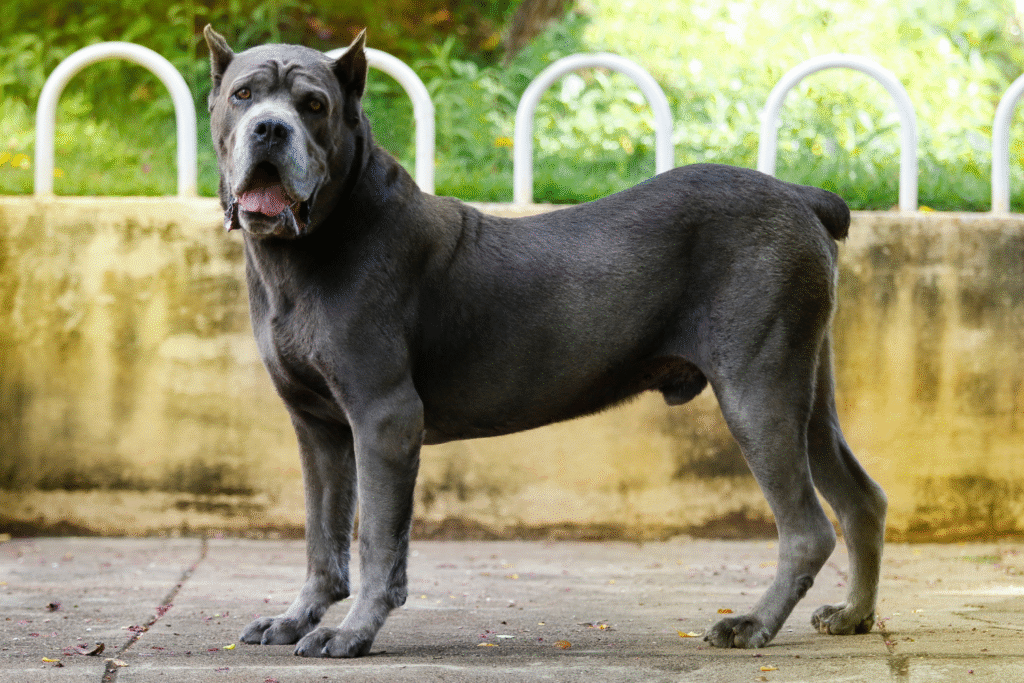
These dogs read human confidence with impressive accuracy. When they sense uncertainty or inconsistency, their protective nature fills the gap. That instinct makes them step into authority roles that inexperienced owners never intended to surrender. They need a household built on predictable routines and calm direction. Without that, tension grows as the dog becomes more assertive.
As the imbalance deepens, simple situations become complicated. Guests, children and even household noises can trigger suspicion. Reversing that pattern requires significant knowledge. Experts caution that this breed needs more than affection, it needs structure that remains firm long term.
5. Akitas react strongly in homes filled with constant activity.

Akitas prefer environments that are calm and clearly defined. They do not enjoy chaotic movement or unpredictable interactions, and they often react with stiffness when stressed. In households with frequent commotion, they may retreat or escalate based on what they perceive. Their quiet demeanor often masks a strong internal assessment of everyone around them, which surprises owners who mistake stillness for comfort.
As tensions accumulate, these dogs may rely on their natural independence, making them harder to guide. Their tendency to form strong attachments with one person can also create friction in families with many members. Experts consistently warn that understanding subtle stress signals is crucial for anyone considering this breed.
6. Bullmastiffs can overwhelm inexperienced owners during growth.
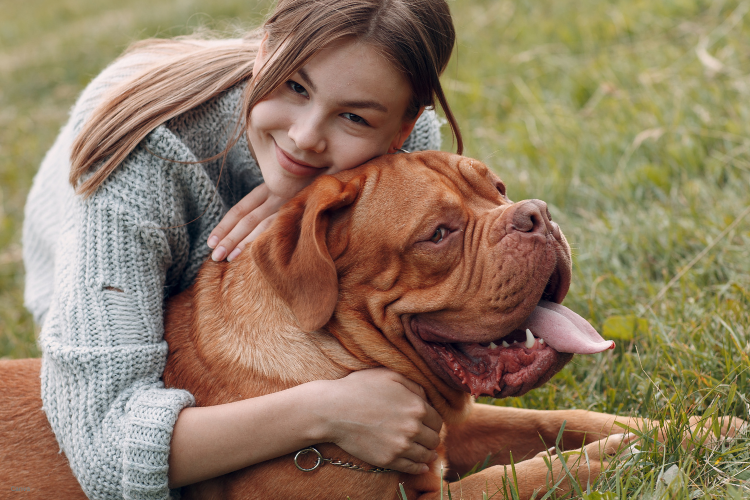
The gentle expression of a Bullmastiff hides a body that grows rapidly and a temperament that demands thoughtful training. Puppies often show playful stubbornness, but without structure, that behavior becomes pushy and hard to manage. Their protective instinct appears early, and if it blends with poor training, the outcome can be unsafe. These dogs rely on clear expectations from day one.
As they mature, their sheer size amplifies every misstep. Small errors in early handling turn into large problems later. Experts often note that while Bullmastiffs can be wonderful family dogs, they require owners who understand how to guide a powerful breed through adolescence without losing control.
7. Rottweilers require steady boundaries to avoid overprotection.

Rottweilers bond deeply with their families, sometimes so deeply that they take on the role of protector without being asked. If owners fail to establish boundaries, the dog may decide that strangers, guests or even neighbors pose a threat. This protective streak is not aggression, but it becomes risky when left unmanaged. They need experienced hands shaping their social understanding.
As they grow more confident, they also become more assertive. That combination demands an owner who can match their steadiness and set limits early. Without that, the dog interprets the world through instinct instead of guidance, leading to unpredictable outcomes in ordinary situations.
8. Doberman Pinschers react quickly when they sense uncertainty.

These sleek dogs are highly attuned to human emotion and react strongly when they sense tension or hesitation. In the wrong home, that sensitivity morphs into nervous energy or defensive behavior. Dobermans need a calm environment filled with consistent communication, not one that wavers or shifts from day to day. Their intelligence works both for and against them depending on the situation.
If uncertainty becomes common, the dog may attempt to control its environment with intensity. The resulting behavior can be alarming for families without experience. Experts highlight that this breed flourishes only when owners project confidence and maintain stable routines.
9. German Shepherds can develop serious issues without purposeful training.

German Shepherds thrive when given clear jobs that match their intelligence. Homes that provide little structure often see anxiety or reactivity grow over time. Their instinct to scan for threats becomes excessive when they lack direction, turning daily life into a constant watch. They need mental and physical engagement that goes far beyond casual exercise.
Left unmanaged, their alertness escalates into behavior that feels unpredictable. Redirecting this requires intentional training and environmental control. Experts frequently remind families that the breed’s popularity does not reflect how much skill they demand.
10. Dogo Argentinos carry instinctive drive that needs containment.

This muscular hunting breed was designed to track powerful game, and that history gives them a determined mindset. They require owners who can create layers of structure that prevent impulsive reactions. In homes that lack experience, they may act without hesitation when startled or confused. Their focus becomes a challenge rather than an asset in the wrong setting.
If boundaries remain loose, the dog begins making decisions independently. That independence, combined with physical power, increases risk. Experts consistently stress that these dogs excel only when surrounded by predictable rules and confident leadership.
11. Tibetan Mastiffs defend territory with surprising intensity.

These ancient guardians watch over their surroundings with unfiltered seriousness. Once they decide that a boundary exists, they enforce it with remarkable commitment. Homes with frequent visitors or unpredictable schedules often struggle to manage this instinct. Their commitment to territory demands respect and continuous guidance.
As their sense of responsibility grows, they may become more controlling of movement around the home. This creates situations that feel tense or restrictive. Skilled handling can prevent this, but inexperienced owners often find themselves overwhelmed long before they understand the patterns forming.
12. Chow Chows rely heavily on personal boundaries to stay calm.

This independent breed values space and predictability more than affection or excitement. In homes where boundaries blur, they become defensive or withdrawn. Their quiet demeanor hides a complex emotional landscape that inexperienced owners may misread. They require careful social guidance and consistent routines to stay steady.
If their comfort zone is repeatedly violated, they may respond with irritation or avoidance that escalates over time. This pattern becomes challenging in families that expect constant affection. Experts advise that only owners who respect the breed’s distance and structure should consider bringing one home.