
Hair strands unfurled secrets Beethoven never could.
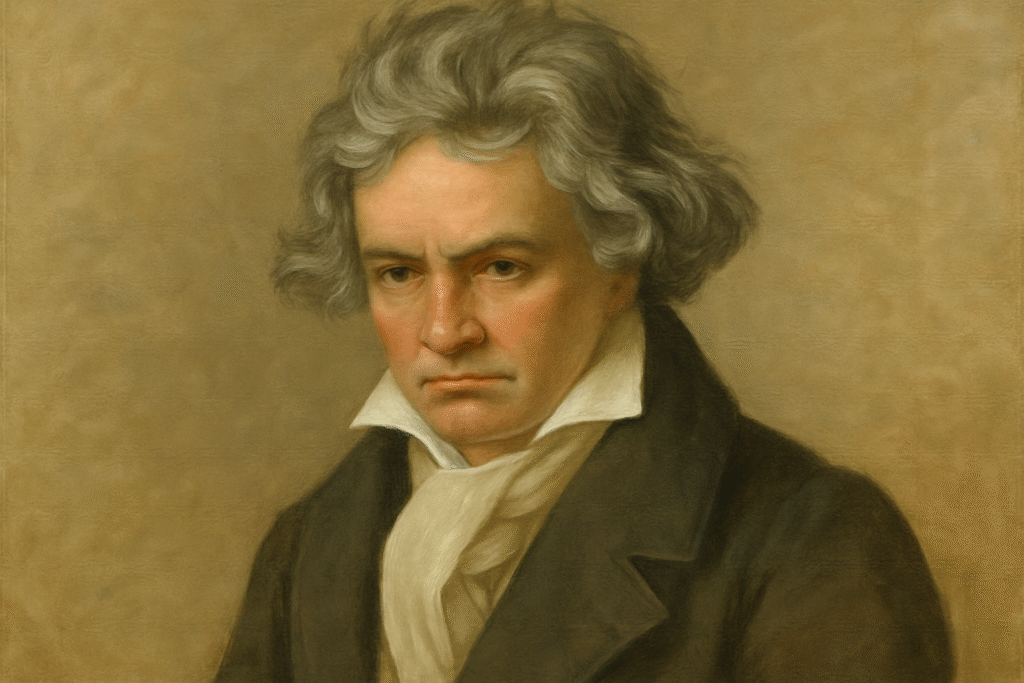
When fragments of hair attributed to Ludwig van Beethoven were studied, scientists did more than just identify the composer’s genome—they uncovered hidden chapters of his health, ancestry, and death. These locks, some passed down for nearly two centuries, finally yielded credible DNA data that resolved myths and raised unexpected questions about his family tree and medical past. The discoveries paint a portrait of a man whose genetic legacy is as complex as his music.
1. Researchers authenticated Beethoven’s hair locks for analysis.
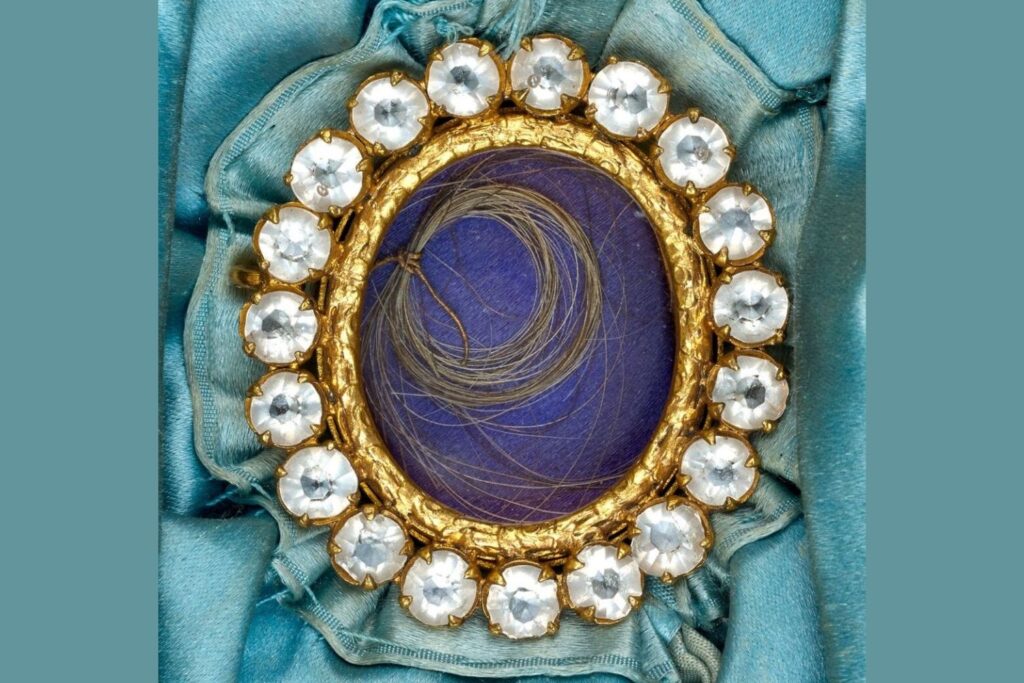
To begin the investigation, the team collected eight hair locks claimed to belong to Beethoven and confirmed that at least five came from the same individual, as stated by the University of Cambridge’s account of the study. By combining provenance records with DNA damage patterns typical of early 19th-century samples, they validated authenticity. Those first steps were crucial because past analyses used dubious samples and reached conflicting conclusions.
Once authentic samples were secured, the researchers performed high-coverage genome sequencing to map his genetic profile. The confirmed locks formed a reliable foundation, allowing the team to link Beethoven’s measurable traits with documented biography and medical history. Without this foundation, subsequent insights would carry far more uncertainty.
2. The genome revealed Beethoven’s elevated risk for liver disease.

DNA extracted from the authenticated locks showed variants in genes like PNPLA3 that increase susceptibility to liver conditions, according to ScienceNews’ report on the findings. In addition, traces of hepatitis B virus DNA were found in the hair, suggesting an active infection near the end of his life. When coupled with his documented struggles with jaundice and cirrhosis, the genetic evidence pointed strongly toward liver disease as a major factor in his decline.
Although the study could not pinpoint a single cause for his death, the convergence of genetic risk, viral infection and historical records makes a compelling case. It helps transform decades of speculation into grounded medical context. With better understanding, Beethoven’s final years appear less mysterious and more scientifically traceable.
3. Genetic findings exposed a surprise in Beethoven’s paternal ancestry.
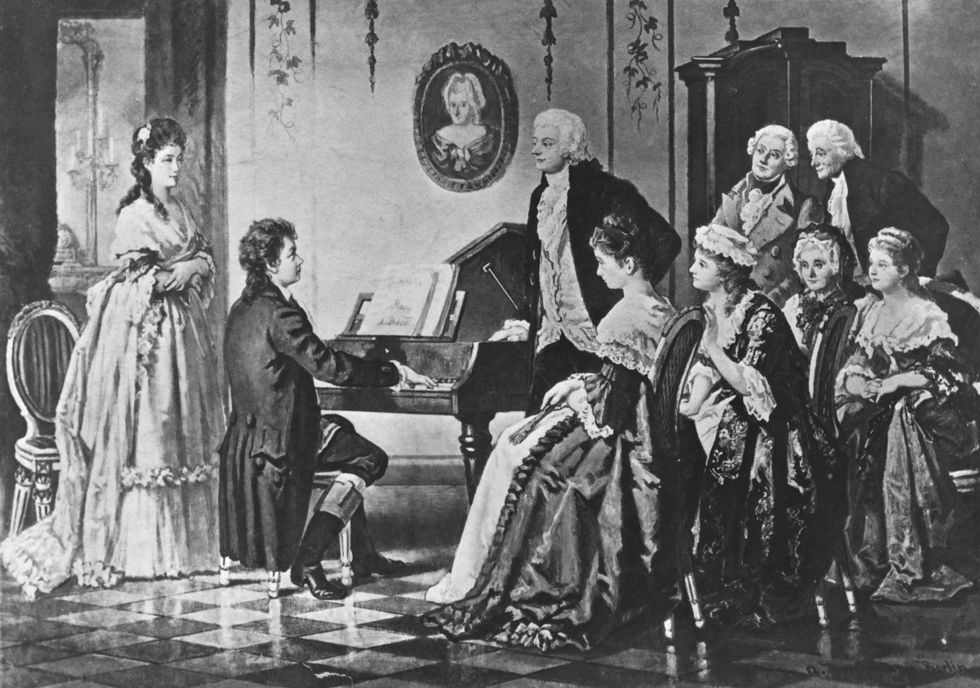
The team compared the Y-chromosome from Beethoven’s hair to living patrilineal descendents of the Beethoven family and found a mismatch, as reported by the News-Medical summary of the study. This discrepancy implies an “extra-pair paternity event” somewhere along his father’s line in the 16th- to 18th-centuries. It means the legal surname and biological ancestry diverged.
While this revelation does not change Beethoven’s music or legacy, it alters the story of his lineage. It shows that historical records can hide surprising genetic truths. The finding adds a human layer of complexity to a man often seen as a towering icon beyond everyday biography.
4. The study dismissed long-held theories of Beethoven’s deafness.
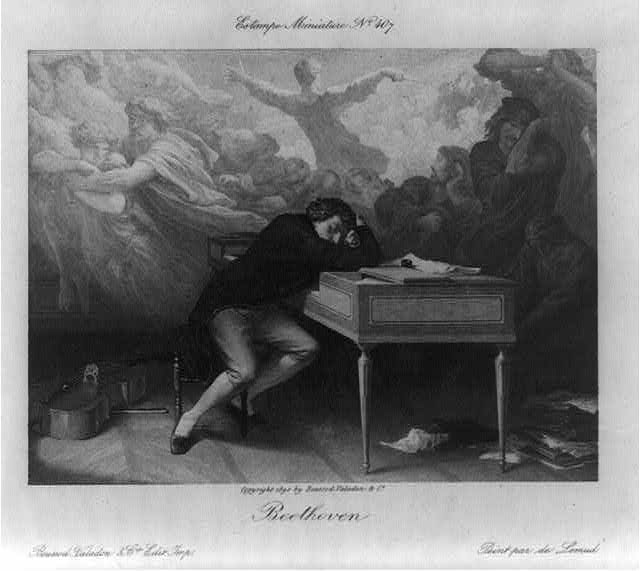
Many scholars long believed lead poisoning or congenital malformations explained Beethoven’s progressive hearing loss. However, the genome sequence did not reveal clear markers of those causes. Instead, the research found no definitive genetic variants linked to his deafness, leaving hearing loss still partly unresolved. His deafness remains a major mystery, though the genetic data refines the possibilities.
With some causes ruled out, researchers can narrow their focus on other potential mechanisms such as autoimmune damage, infections or environmental insults. The clarity provided by the genome allows historians and medical experts to discard weaker hypotheses and build new ones on firmer footing.
5. Historical medical symptoms aligned with genetic risk factors.

Beethoven’s journals, letters and autopsies describe gastrointestinal pain, liver issues, and hearing loss across decades, consistent with the newly identified genetic profile. For example, the genome supported his elevated liver disease risk and presence of Hepatitis B infection near death. These correlations transform isolated symptoms into part of a connected biological narrative.
By anchoring documented symptoms in genetics, the research bridges biographical detail and scientific evidence. Beethoven enters the cross-discipline space where music history meets genomics. The extra context enriches our understanding of his final decades and how his body may have shaped his creative output.
6. Authentication overturned artifacts once thought genuine.

One famous lock once believed to be Beethoven’s actually came from a woman, and was excluded from the analysis. The study identified this error and focused only on validated samples. That vow for precision eliminated many dubious claims and restored confidence to the resulting genetic findings.
This correction matters not just for Beethoven but for any historical DNA work. Sample provenance, chain of custody and biological verification are vital. By setting that standard, the Beethoven project raises the bar for future investigations into historical figures.
7. Genome sequencing opened doors to future historical research.
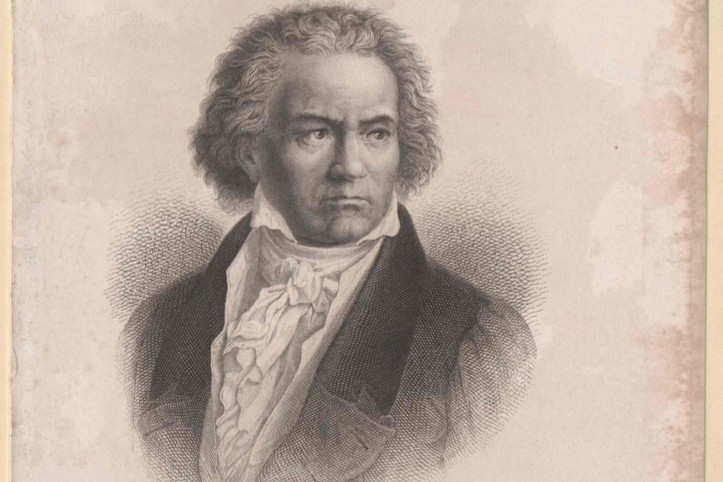
Having produced a high-coverage genome of Beethoven, scientists now have a reference point for further studies into his health, ancestry and even creative life. The sequencing sets the stage for comparative research on other historical figures whose medical or genealogical mysteries persist.
It also demonstrates how preserved personal items—in this case hair locks—can yield biological truth across centuries. As techniques refine, we can expect more insights from artifacts long deemed untestable. Beethoven’s genome may be the start of a new wave of historical genomics.
8. The findings deepen our view of Beethoven as a person.
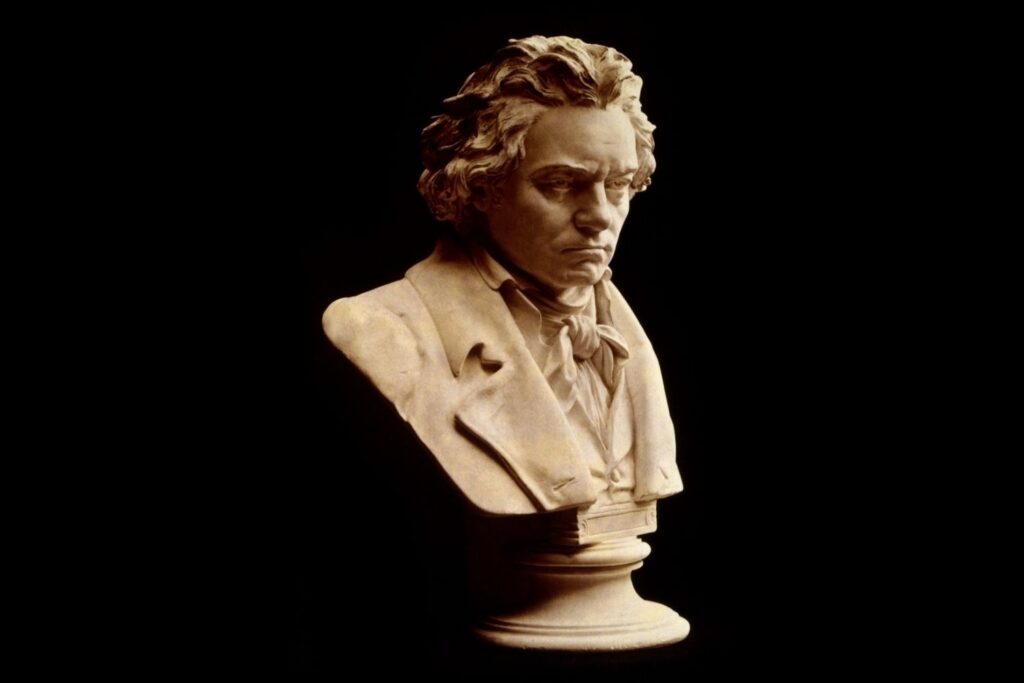
Beyond the musical genius, Beethoven emerges as a human being shaped by biology, history and lineage. His health challenges, family circumstances and ancestry get drawn into sharper focus. He is no longer solely a mythic figure but one whose cells carry the remnants of sweeping personal narratives.
That dimension does not diminish his art; instead it enriches how we see him. While listening to his Ninth Symphony or Moonlight Sonata, knowing more of his life story adds depth to the experience. His legacy expands into science as much as music.
9. Ethical and cultural questions accompany the research.

Sequencing Beethoven’s genome raises ethical questions about studying historical individuals without consent, and about how results are used, interpreted and publicised. The project drew scrutiny about how artefacts were handled, how authenticity was established and how findings affect the composer’s legacy.
Moreover, cultural institutions that hold hair locks and other relics must navigate scientific access, public interest and preservation. The Beethoven study serves as a case where science and cultural heritage meet, demanding sensitivity and rigor.
10. A 200-year mystery now opens to unfolding insight.
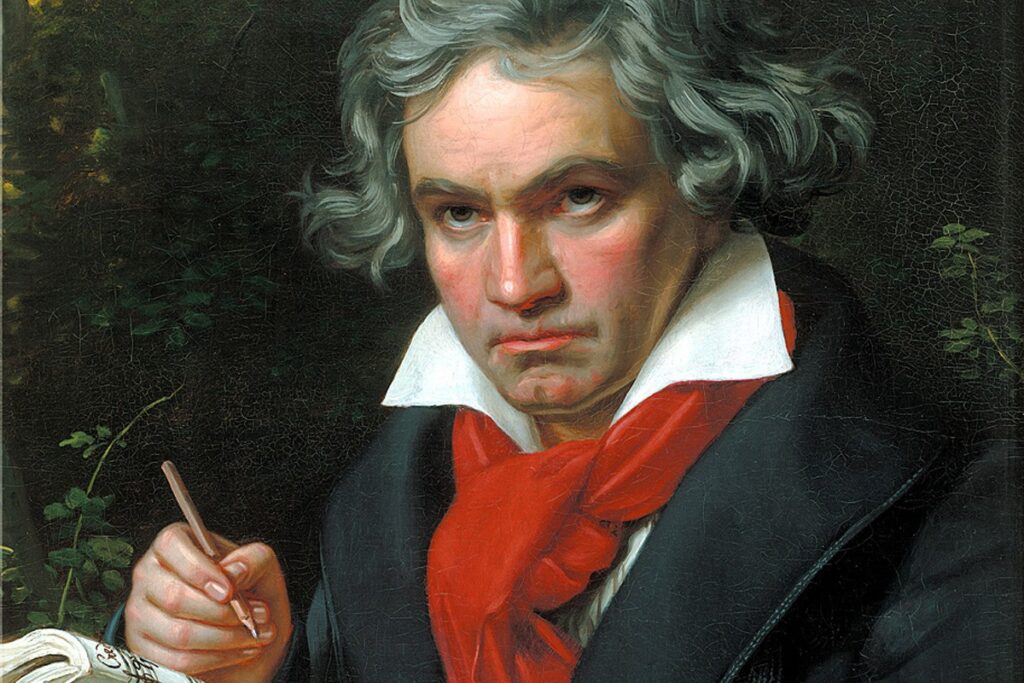
What began as curiosity about a composer’s ailments has turned into a full-scale scientific detective story. The DNA from Beethoven’s hair cracked open chapters of his lineage, his health and his biography that had been locked for generations. With each strand scrutinised and each gene mapped, the composer’s life becomes both clearer and more intriguing.
Still unresolved questions remain—especially about his deafness—but the groundwork is laid for deeper investigation. Beethoven’s genome stands as a testament to how historical legacy and modern science can converge to reveal the past in vivid new ways.