
Urban landscapes are reshaping feline survival strategies.

In cities across the world, street cats are navigating crowded sidewalks, traffic noise and unpredictable human behavior with a surprising amount of skill. Researchers tracking free roaming cats have noticed how quickly they learn new routines and how easily they shift their habits to fit the city around them. What once looked like struggle has started to resemble a sophisticated form of adaptation shaped by both instinct and opportunity.
Many of these cats have formed small territories around food sources, shelters and predictable human activity. Their ability to sense patterns helps them survive in environments that move fast and change constantly. As animal experts study these shifts, they are discovering how deeply urban landscapes are influencing feline behavior. Street cats are not just surviving city life, they are adjusting in ways that reflect remarkable intelligence.
1. Street cats are learning human schedules with ease.

Cats living outdoors begin to track the rhythm of human routines, often gathering where they know food appears or activity increases. Their internal clocks grow sharper as they memorize the timing of restaurants, markets or residents who feed them regularly. This constant observation shapes their daily routes, allowing them to conserve energy and avoid unnecessary risks. Predictability becomes their most valuable resource.
Those patterns help cats manage competition among other animals. When they understand when certain areas become busy or quiet, they adjust their movement to access food or shelter without confrontation. Over time these learned schedules become part of their survival toolkit, turning busy neighborhoods into manageable terrain.
2. Alley networks offer reliable shelter during harsh seasons.
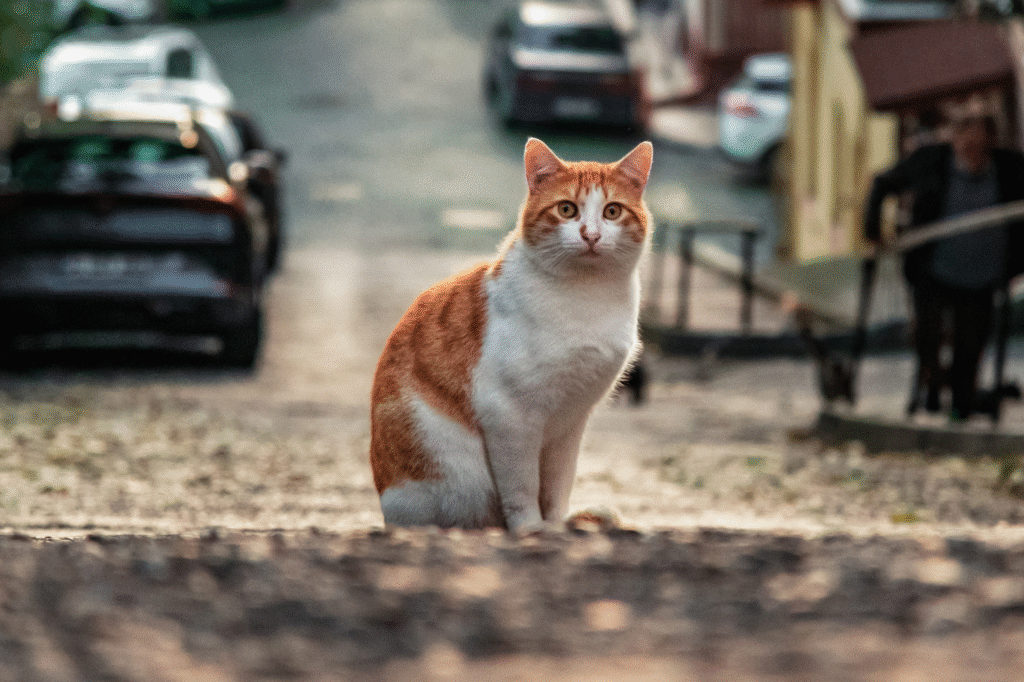
The twisting alleys and tucked away corners of cities provide much needed protection from weather, predators and loud human activity. Cats quickly locate small openings behind shops, vents near buildings or warm spots close to pipes and laundries. These places become temporary homes that shift with the seasons. Their ability to slip into tight spaces gives them advantages that larger animals cannot match.
Once they find a safe location, they often return to it every night. In cold weather they seek spots where heat collects, and during summer they find shaded areas with airflow. These choices reveal how well cats read the environment around them and how quickly they adapt shelter strategies to changing conditions.
3. Resourceful scavenging habits are helping cats stay nourished.

Urban cats rely on a mix of scavenging, human generosity and small prey to maintain their diets. They learn where trash bins are unlocked, which restaurants leave scraps outside and which neighborhoods offer more predictable food sources. Their flexible eating habits allow them to take advantage of whatever the city provides, shifting between methods as the situation demands.
These scavenging skills also reduce risk because cats do not have to spend long periods hunting in unsafe areas. They simply follow known routes and check familiar locations. Over time these routines strengthen, creating reliable feeding systems that help them maintain energy in ever changing environments.
4. Social groups are forming in unexpected city pockets.
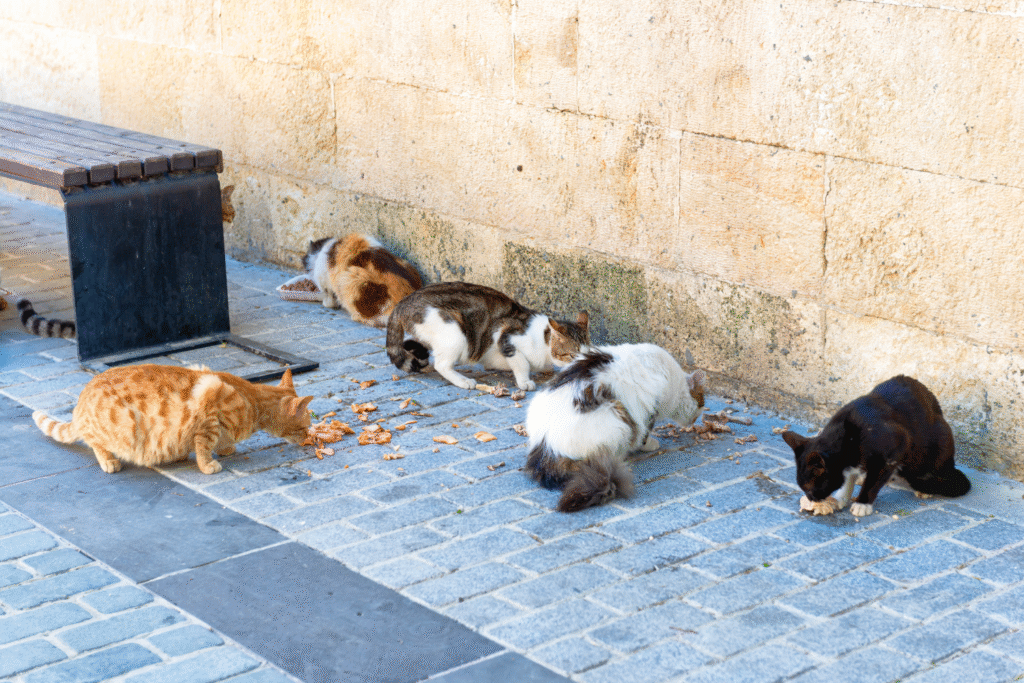
Cats that once preferred solitary lives are forming loose communities where food is abundant. These groups are not bonded the way domestic pets might be, but they share territory and tolerate each other more than many people expect. Researchers believe this cooperation happens because the city rewards collective living with easier access to resources.
These loose networks also help reduce conflict. Cats learn who belongs in the area and who does not, creating a balance that limits unnecessary fights. Their social tolerance is not perfect, but it shows how urban pressure encourages them to adapt their natural behavior.
5. Strong navigation skills keep cats safe from urban dangers.
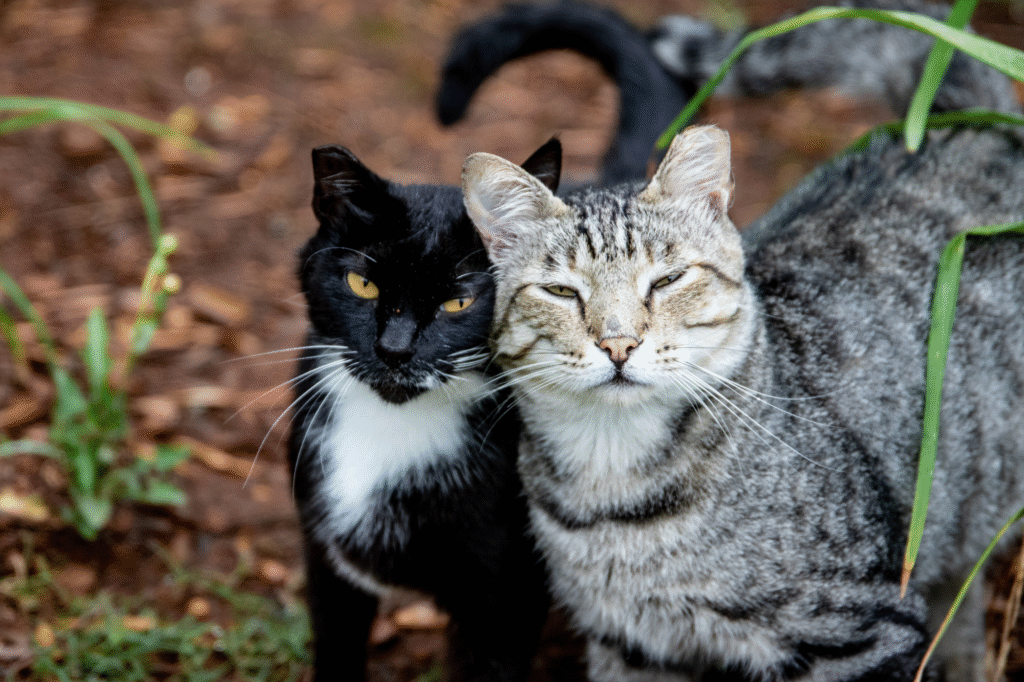
Street cats develop mental maps of their surroundings faster than many other urban animals. They remember escape routes, hidden paths and safe crossings with impressive accuracy. Their sharp senses allow them to react instantly to cars, bikes or sudden movement. This awareness helps them avoid dangerous situations that would overwhelm less agile creatures.
As the city shifts each day, cats update their routes accordingly. If construction blocks an alley or a new business alters traffic flow, they simply adjust. That ability to reinterpret their environment is a key reason they remain so resilient despite constant change.
6. Urban noise is becoming part of their daily rhythm.
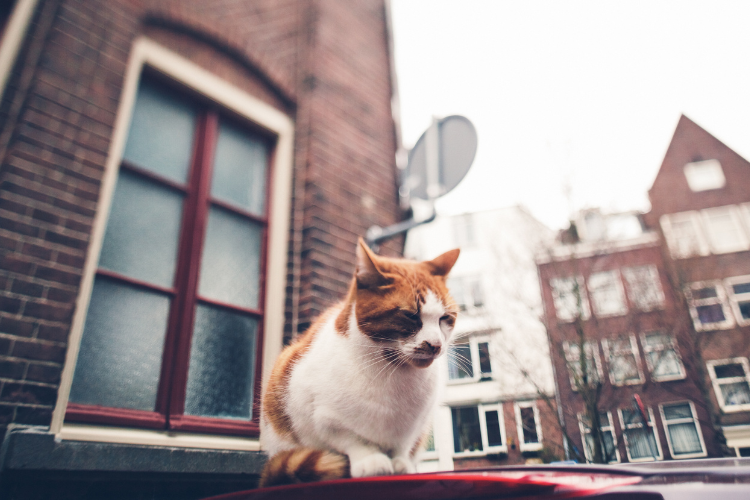
Street cats learn to filter the roar of traffic, alarms and conversations until it becomes background information. Instead of reacting to every sudden sound, they begin to focus only on noises that signal real risk. This selective attention helps them stay calm in environments that overwhelm many animals.
As they grow skilled at filtering sound, they also learn to use noise as a form of warning. Loud areas often mask their movement, allowing them to slip past dogs or other threats. Their relationship with urban sound becomes a tool rather than an obstacle.
7. Health patterns are shifting as veterinary outreach expands.
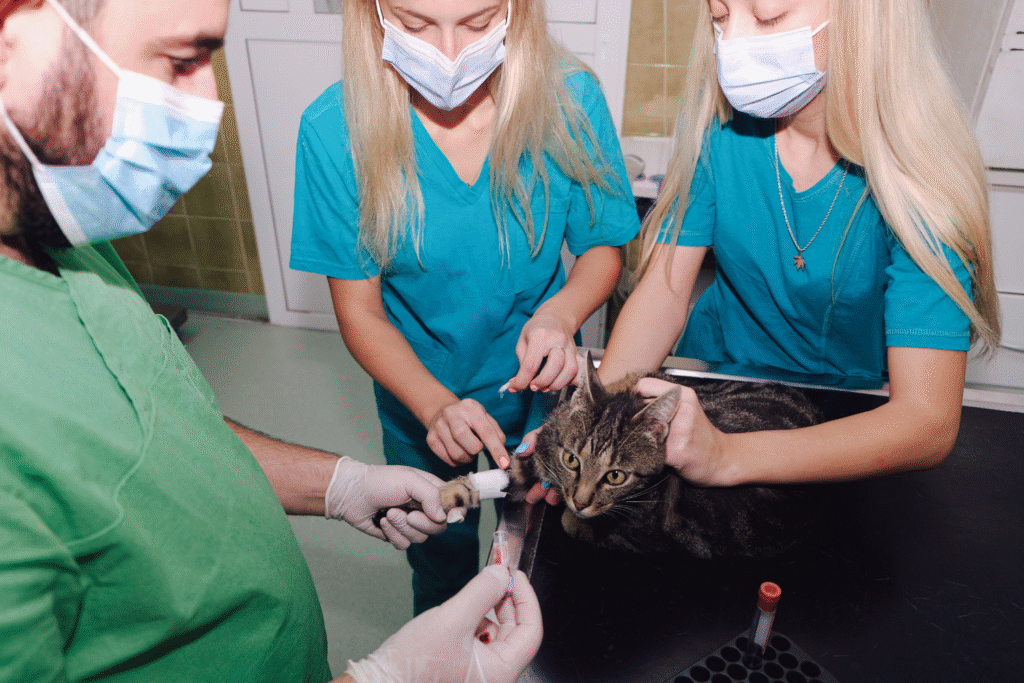
Many cities now support trap, neuter and return programs that monitor cat colonies. These programs reduce disease and increase overall health among street cats. As cats receive vaccinations, spay or neuter services and occasional treatment, entire groups begin to stabilize. Improved health allows them to adapt more effectively, since they spend less energy fighting sickness.
Better health also means more predictable behavior. When illness decreases, cats maintain steadier routines, making it easier for volunteers and researchers to track how they adapt to their surroundings. This stability plays a significant role in their long term survival.
8. Changing diets are reshaping their physical stamina.
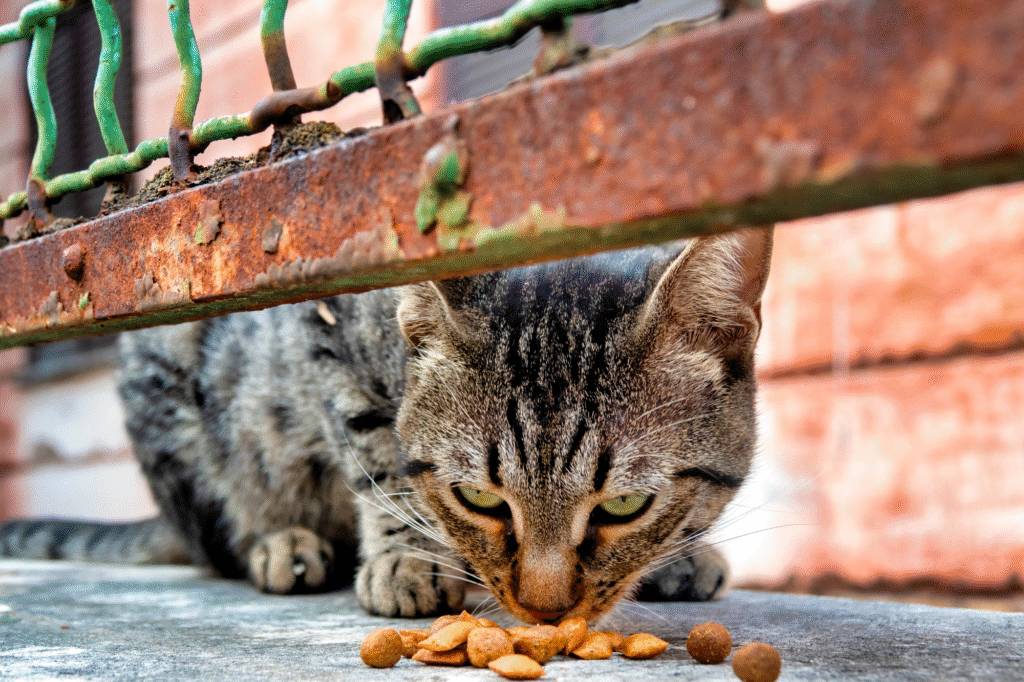
Urban environments expose cats to new food sources that differ from traditional prey. Some survive on a mix of commercial food left by residents, small mammals or scraps from businesses. These varied diets influence their energy levels, coat condition and mobility. The constant presence of calories gives them the ability to move frequently and cover larger territories.
As their diets shift, their bodies adjust accordingly. Many cats become lean and muscular from constant movement, while others maintain weight easily because of dependable feeding routes. This physical flexibility helps them thrive in diverse neighborhoods.
9. Street cats are adjusting their hunting strategies in cities.
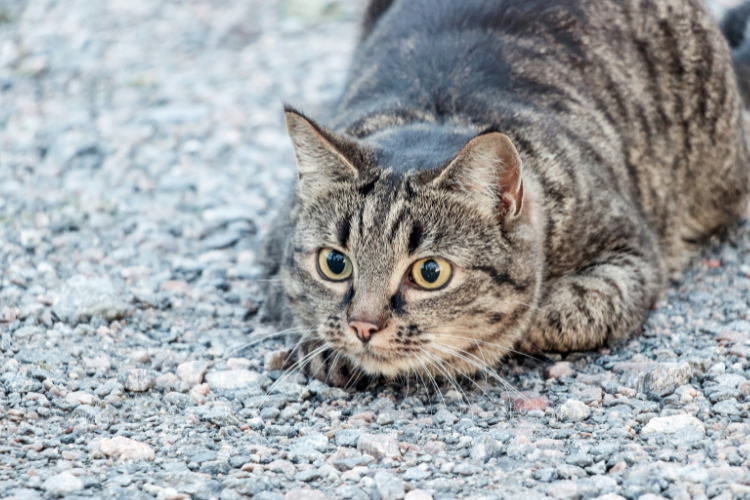
Cats still hunt when opportunities arise, but the techniques change in urban spaces. Instead of stalking long distances, they rely on quick ambushes in tight corners, under cars or near dumpsters. They use shadows and structures to stay hidden until the right moment. These micro hunting strategies reflect how well they adjust to manmade landscapes.
Hunting also keeps them mentally sharp in environments that can easily become monotonous. It offers stimulation and practice, reinforcing instincts that remain vital to their survival even when scavenging provides most of their calories.
10. Human interactions are shaping new behavioral patterns.
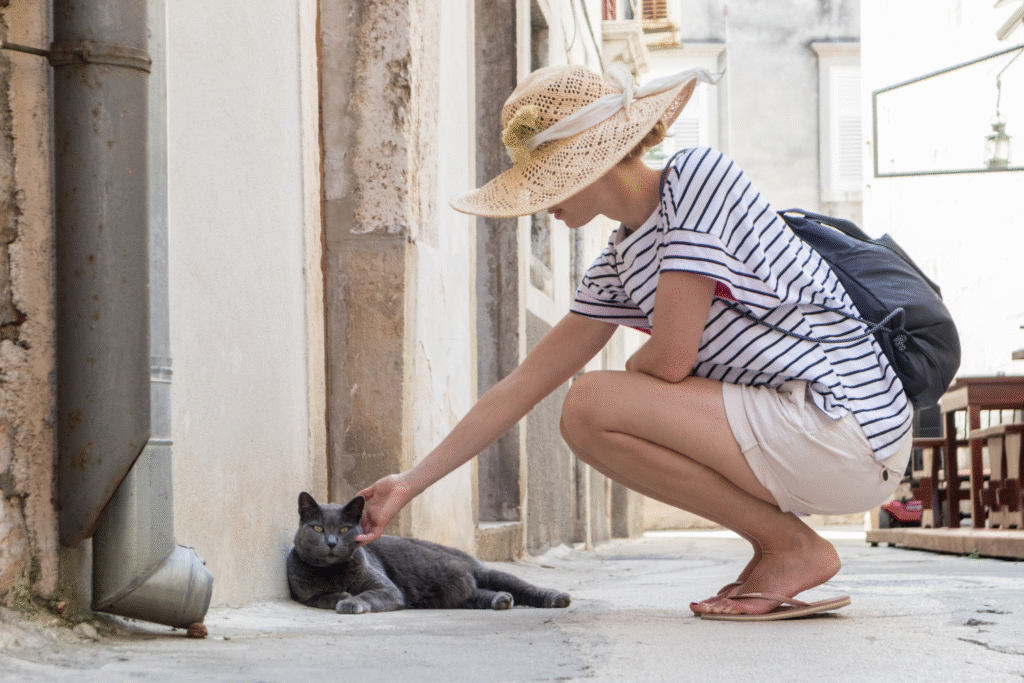
In many neighborhoods, residents feed and watch over specific cats. These interactions slowly influence the animals’ comfort levels around people. Some become bolder, approaching humans they trust while staying cautious with strangers. This selective tolerance becomes a survival skill that lets them benefit from kindness without putting themselves at unnecessary risk.
As these relationships grow, cats often develop routines based on human presence. They appear at certain doors, linger near markets or wait near parks where people gather. These small bonds change their daily rhythm and widen their access to resources.
11. Territory sizes are shrinking as adaptation improves.

Studies show that urban cats use smaller territories than rural ones because city environments provide denser resources. With food and shelter close together, they do not need to travel as far. This shift reduces physical strain and limits exposure to danger. It also allows more cats to occupy the same neighborhood without constant conflict.
Smaller territories create a more stable rhythm. Cats learn every inch of their chosen area, which improves their ability to avoid threats. This deep familiarity becomes one of their strongest tools for long term survival.
12. Street cats are developing generational knowledge in cities.
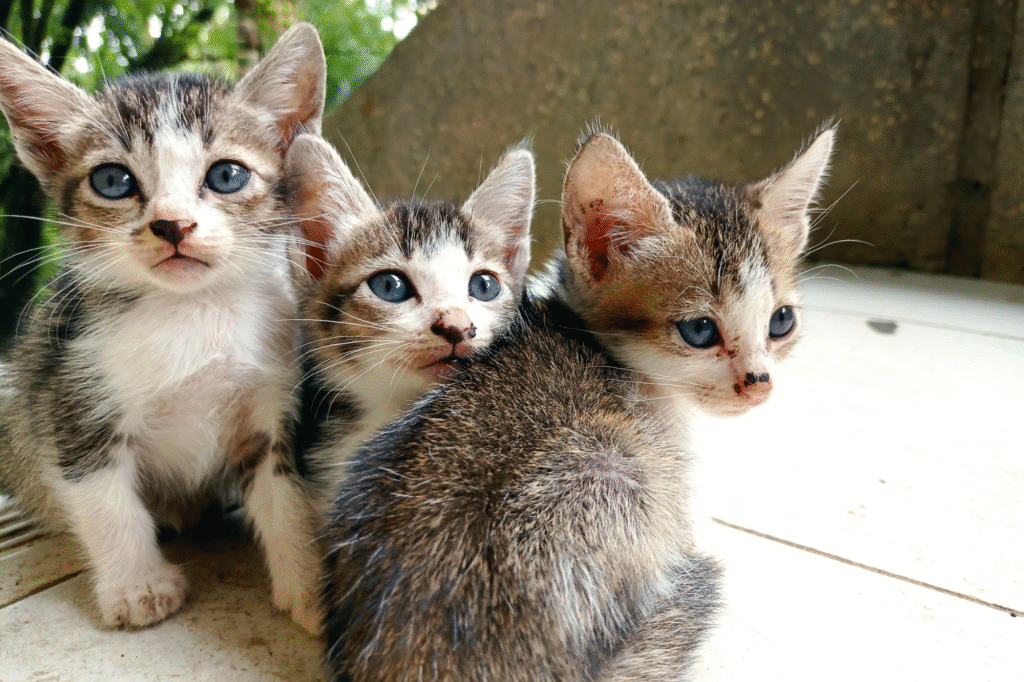
Kittens born outdoors watch older cats navigate traffic, find shelter and locate food. These lessons become part of their own routines as they grow. The knowledge passes across generations, shaping new urban behaviors that differ from their rural counterparts. Each generation becomes a little more skilled at living among concrete, cars and crowds.
These learned patterns help entire colonies remain stable despite constant change. Young cats adapt faster because they begin life inside the system rather than learning it later. Over time the collective knowledge of these cats forms an evolving blueprint for surviving city life more effectively than ever.