
Clay tablets reveal a language lost for millennia.
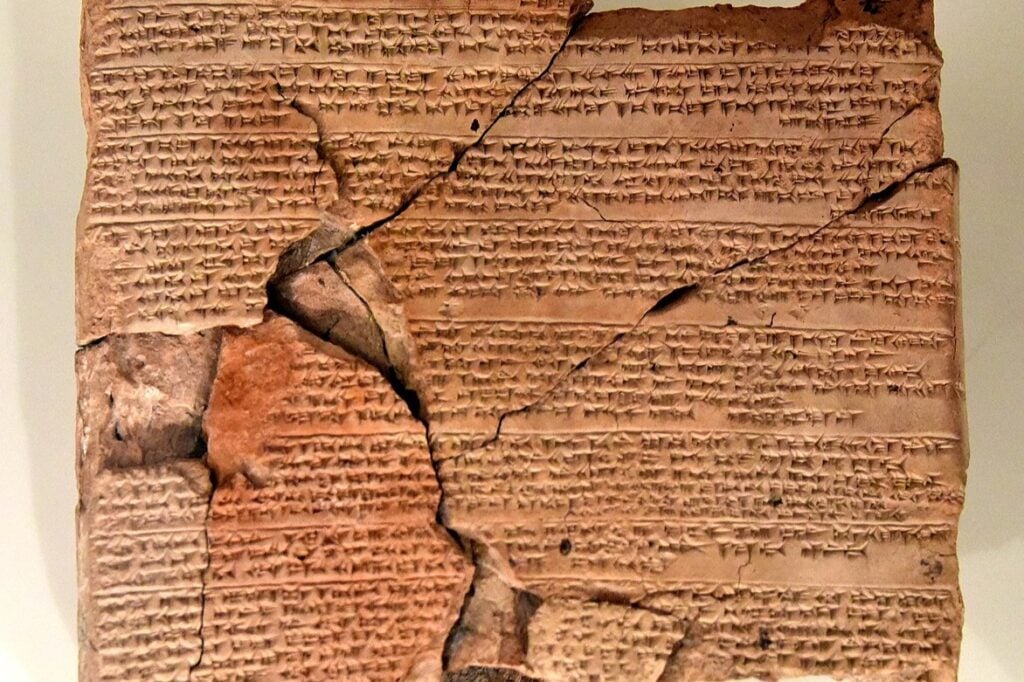
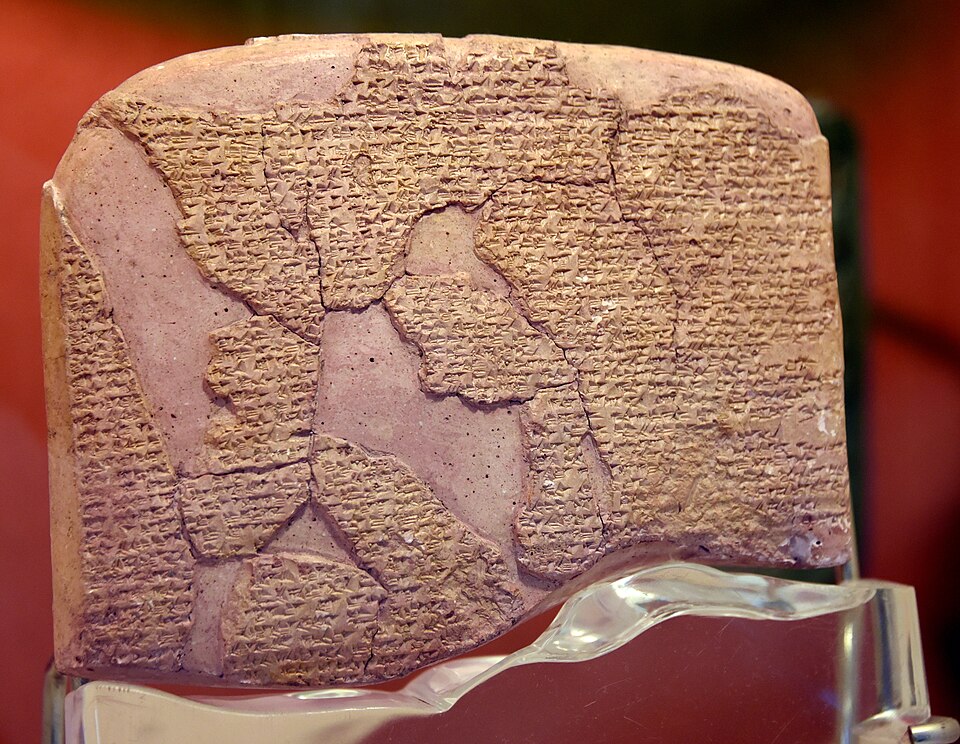
Buried beneath the ruins of an ancient capital, a small collection of clay tablets waited in silence for thousands of years. When archaeologists uncovered them among the remains of a Hittite temple complex, the markings seemed familiar at first glance. Yet something about the words refused to fit known languages of the region. As specialists began studying the inscriptions more closely, they realized the tablets preserved a voice no historian had ever recorded. The discovery hints at a forgotten community whose language once echoed through rituals and ceremonies. Now those fragments of writing are reopening questions about culture, identity and memory in the ancient world.
1. The tablets were uncovered at the Hittite capital during excavation.
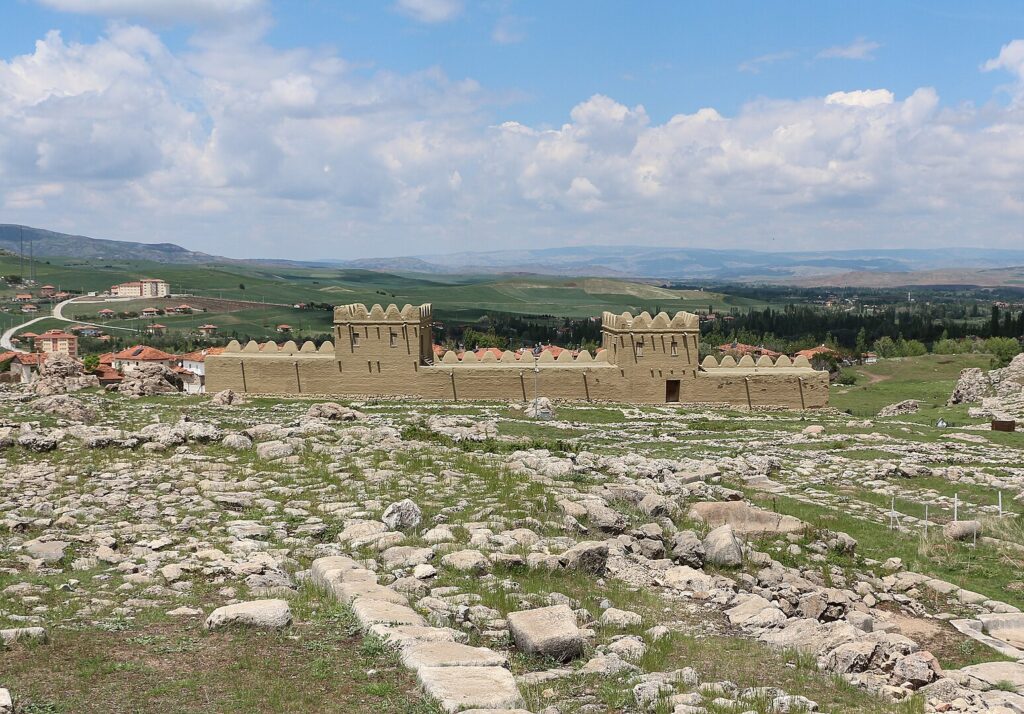
The discovery emerged during an excavation season at Boğazköy Hattusa, the former capital of the Hittite Empire in central Türkiye. Archaeologists from the German Archaeological Institute identified a sealed room containing ritual tablets unlike those found in nearby archives. When the clay pieces were inspected, the writing patterns suggested an unfamiliar linguistic structure, as reported by the German Archaeological Institute in their annual field summary. The finding immediately drew interest from experts specializing in ancient Near Eastern scripts.
Once safely removed, the tablets were cleaned and photographed for digital study. As researchers examined the glyphs, they noticed signs that multiple scribes contributed to the text. Minor variations in style hinted at different hands working within the same ritual tradition. The layered craftsmanship suggested a language woven into religious practice rather than administrative duties. That realization directed the investigation toward new interpretive methods.
2. The language showed no direct match to known Indo European tongues.
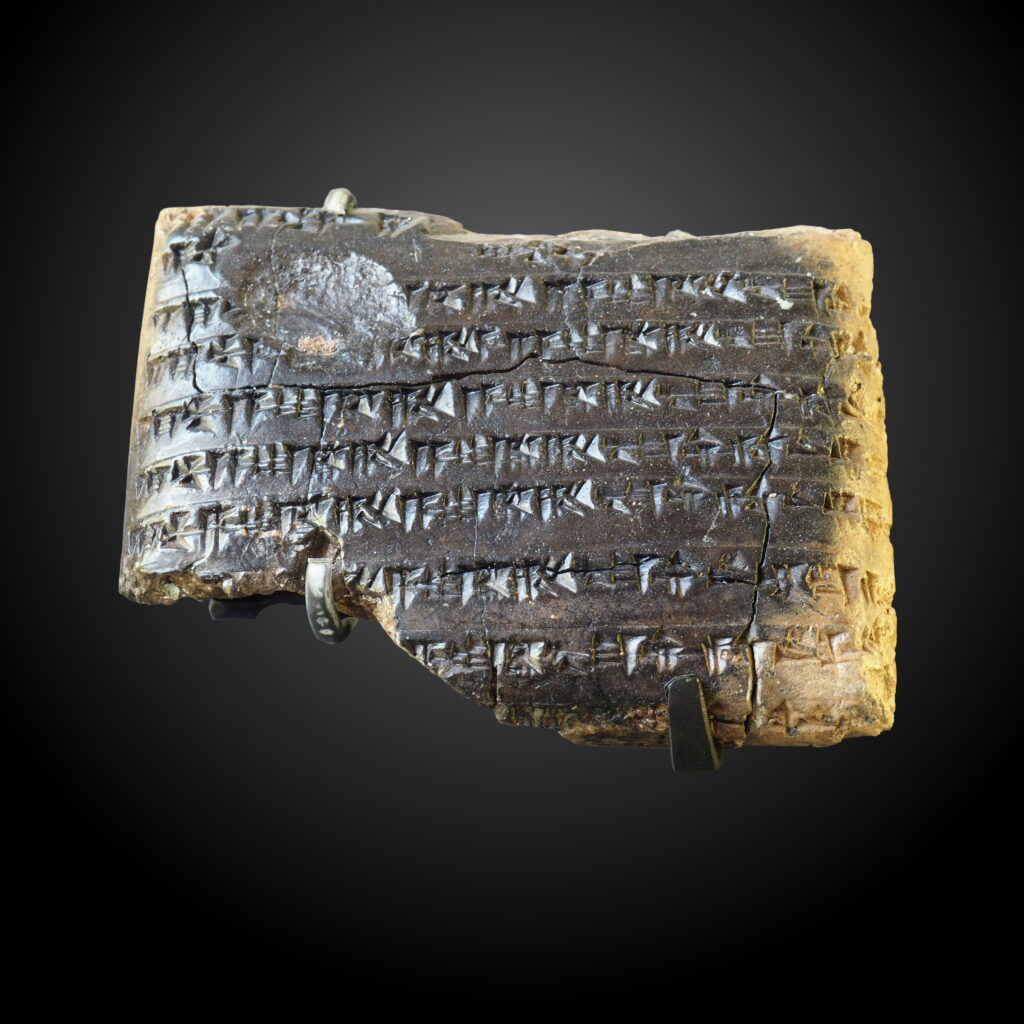
Linguists expected the tablets to reflect Hittite, Luwian or another related language. Instead, many words lacked recognizable roots or shared structures. The syllabic patterns diverged from typical Hittite formulations, making translation surprisingly difficult. Specialists concluded that the text belonged to a previously unattested language preserved within ceremonial writing, as stated by UNESCO observers who reviewed the preliminary findings.
The linguistic differences pushed researchers to compare the inscriptions with smaller regional languages that vanished long ago. Certain repeated terms suggested a unique ritual vocabulary never referenced elsewhere. As new parallels emerged, it became clear that the language had existed in isolation even during its own era. That isolation preserved a distinct worldview locked inside the tablet lines.
3. The tablets appear connected to a local ritual tradition.
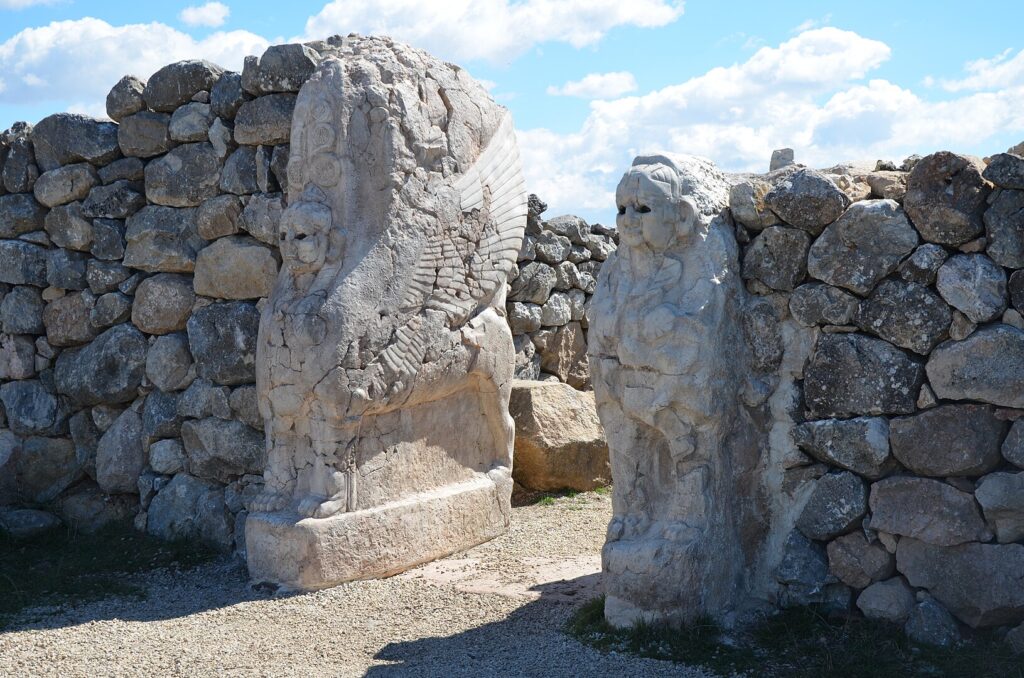
Context clues revealed that the tablets likely originated from a temple complex dedicated to multiple deities. Many sections described offerings, chants and seasonal ceremonies. These details matched the tone of religious texts previously excavated in the area, but this new language added an unexpected layer of cultural identity. Scholars analyzing the pieces concluded that the ritual content aligned with local traditions, as discovered by Archaeology Magazine in their review of the excavation’s significance.
Once researchers pieced together the fragments, they recognized a rhythm typical of ceremonial recitation. The text repeated key invocations that may have been spoken aloud during festivals. That repetition hinted at an oral tradition underlying the writing. Understanding these patterns offered a potential path toward reconstructing vocabulary and grammar, giving shape to a language lost for thousands of years.
4. The find suggests the Hittite Empire absorbed multiple regional cultures.
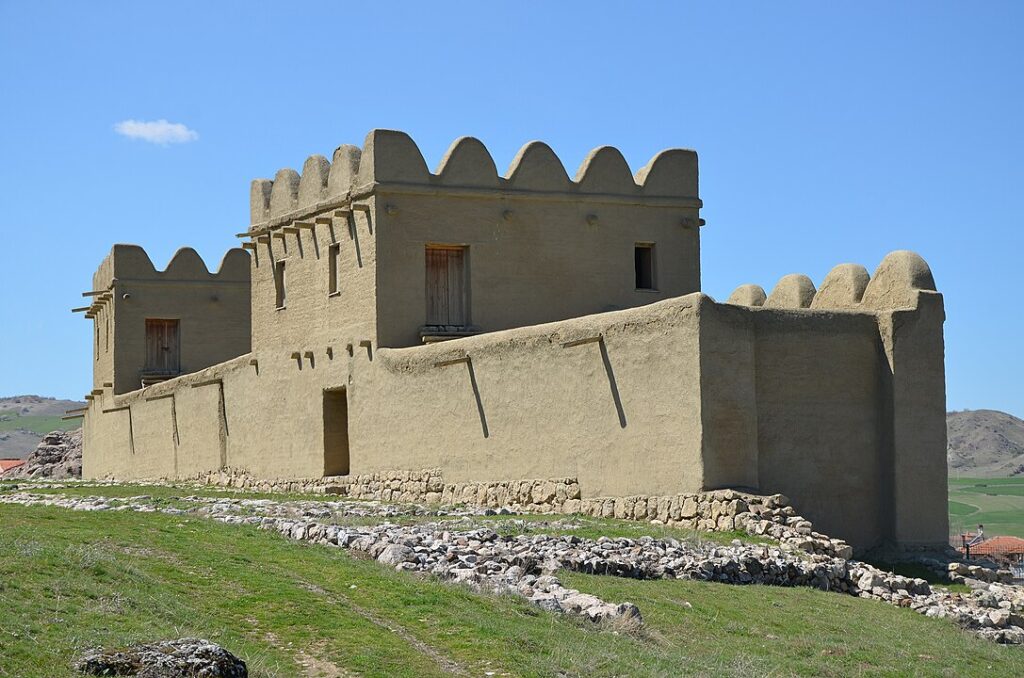
The existence of an entirely new language within Hittite ritual texts indicated deeper cultural layering across the region. It suggested that local groups maintained distinct identities even while incorporated into imperial structure. This pushed historians to reconsider how diverse communities contributed to religious life. The tablets functioned as quiet evidence that the empire offered space for varied traditions.
These insights challenged older models that portrayed the Hittites as linguistically uniform. Instead, the empire appeared more flexible and adaptive. The newly discovered language showed how peripheral groups shaped central religious practices. That blend of influences likely strengthened cultural cohesion across distant regions.
5. The preservation conditions kept the language intact for millennia.
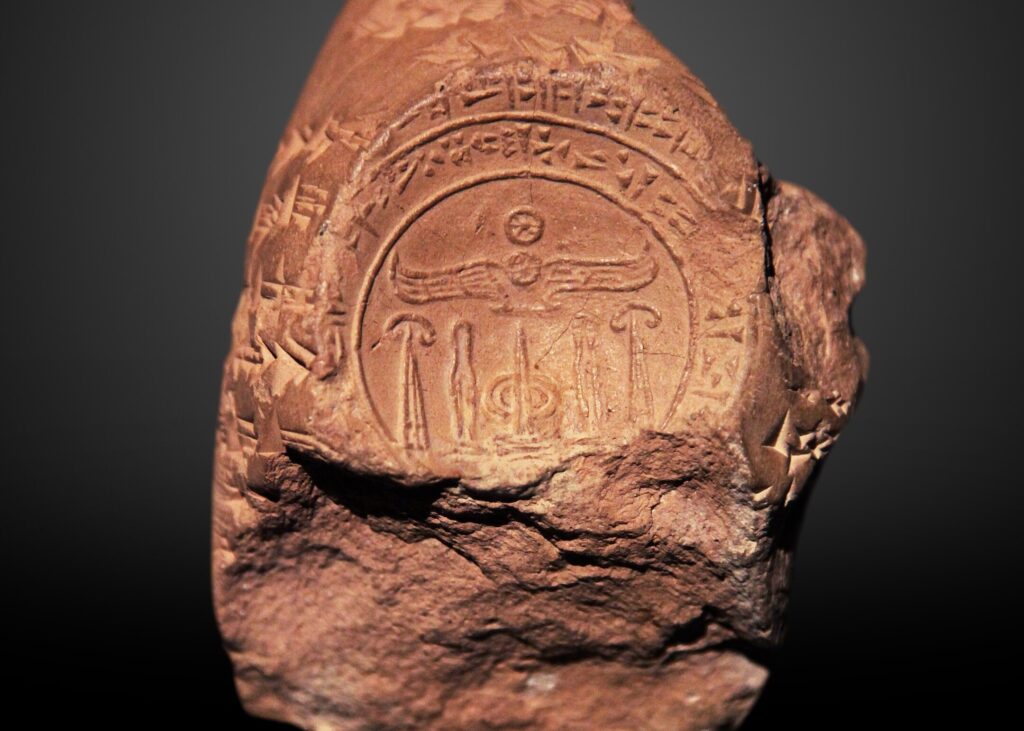
The tablets survived because they were stored in a chamber hidden beneath collapsed temple debris. Fire hardened some of the clay pieces, protecting them from decay. Soil layers sealed the room with surprising stability. These conditions preserved the delicate script more effectively than open air archives where erosion often damaged older finds.
Archaeologists noted that the positioning of the tablets suggested purposeful safeguarding. They may have been archived after ritual use and placed away from public areas. This extra protection allowed the language to survive when neighboring writings vanished. The tablets served as a time capsule created unintentionally by disaster.
6. The script revealed surprising artistic precision from its scribes.
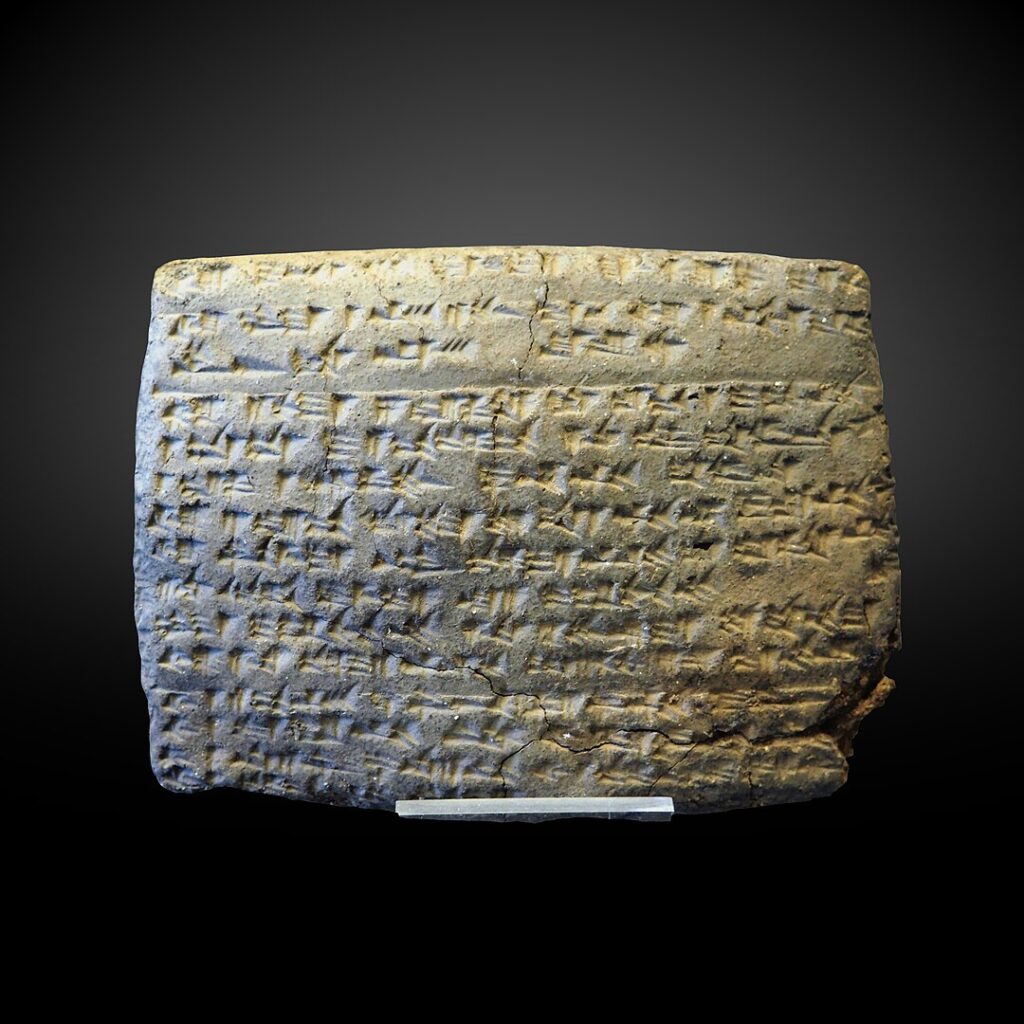
Despite the challenging content, the writing itself showed remarkable craftsmanship. Each sign was carved with steady pressure that indicated professional training. The lines followed consistent spacing that suggested formal instruction. These details revealed that scribes considered the text important enough to record with clarity and care.
The precision helped modern researchers decode repetitive structures within the unknown language. Consistent sign shapes allowed linguists to identify phonetic patterns more easily. Without this artistry, the language might have remained indecipherable. The scribes’ meticulous work became the bridge linking the past to present understanding.
7. Linguists believe the language may trace back to a mountain community.
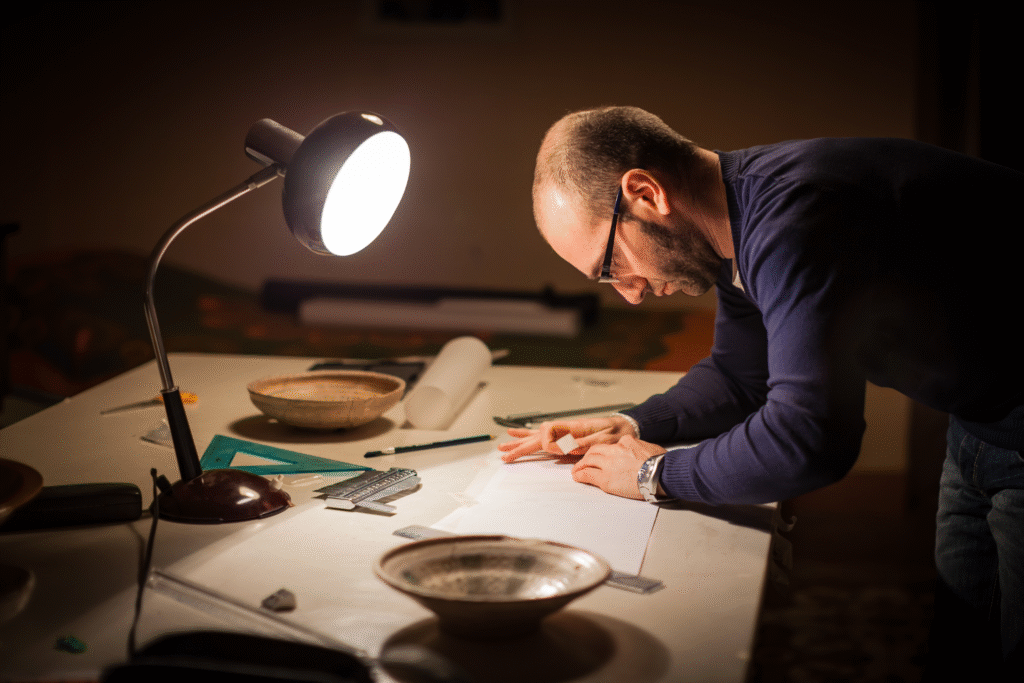
Clues within the vocabulary hinted at geographical features such as high passes, cold regions and stone built settlements. These references contrasted with the lowland environment of the Hittite capital. The language’s unique terms suggested origins in a community living in the northern or northeastern mountains near the empire’s borderlands.
If correct, this connection would explain how a small cultural group influenced a major imperial ritual. Their traditions may have gained importance due to political alliances or religious prestige. The tablets preserved these echoes even after the community itself disappeared.
8. The discovery may revise timelines of ancient Anatolian migration.

If the language belongs to a previously unknown population, historians may need to adjust maps of early settlement in the region. The linguistic traits did not align neatly with known migration waves. Instead, the community may have persisted independently long after neighboring cultures merged or vanished.
This independence offered a rare look at cultural survival in ancient Anatolia. The language functioned as evidence of a group maintaining identity across centuries. The tablets allowed historians to reconstruct movements and interactions that rarely leave material traces. That insight widened the scope of early Anatolian history.
9. The find opens a new frontier in ancient language research.
With the discovery of this language, linguists now have a new data source for understanding how communication evolved in the ancient Near East. Early analyses show patterns that may bridge gaps between isolated linguistic families. The potential connections could transform how scholars interpret cultural networks across the region.
Future work will focus on expanding the dictionary of known terms, identifying grammar rules and comparing them with other fragmentary languages. As each layer of meaning emerges, the tablets continue revealing new threads of history. Their survival created an unexpected avenue for exploring a world long thought unreachable.