
What we carry inside may be brighter than expected.

It sounds like something that belongs in myth, the idea that the human body gives off light, something faint, constant, and completely invisible to the naked eye. For years, it remained more suggestion than certainty, a theory that hovered at the edges of science without clear proof. Then researchers found a way to look closer, far closer than human vision allows. What they captured was not imagined or symbolic, but measurable, a real glow rising and falling across the body throughout the day. It is subtle, almost ghostlike, yet undeniably present, revealing that something luminous has been happening within us all along.
1. Researchers in Japan captured human bioluminescence directly.
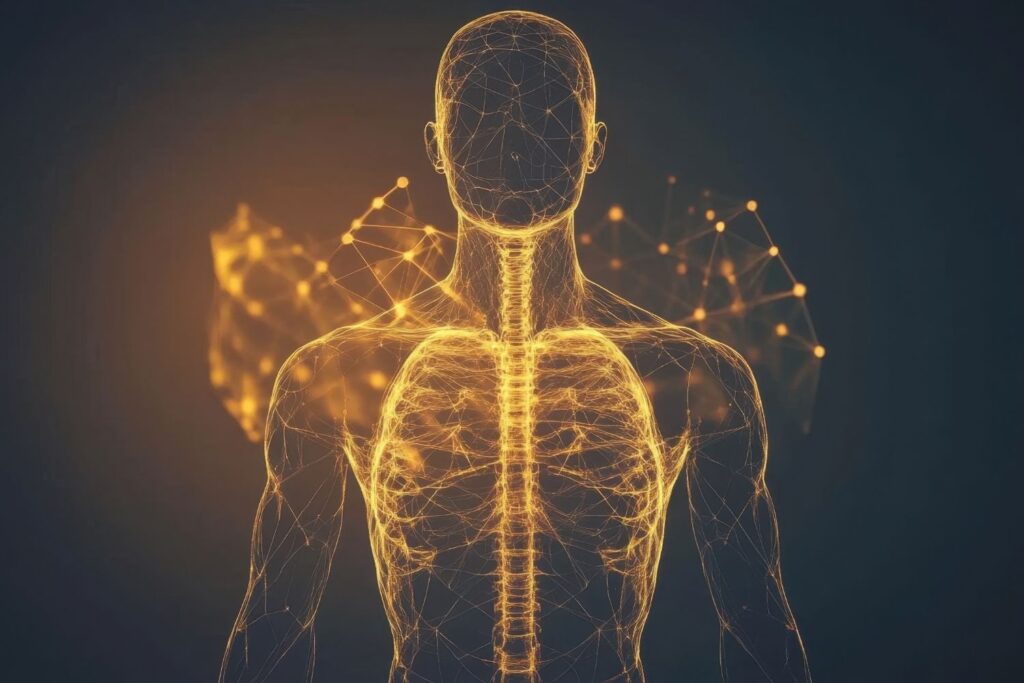
In 2009, a team at Tohoku Institute of Technology and Kyoto University placed volunteers inside a completely dark room to measure photon emissions from living skin. Using an ultra sensitive cooled CCD camera, they recorded waves of faint light radiating from the face, neck and torso. The discovery was confirmed in a peer reviewed study, as reported by Live Science near the end of their coverage. The glow was real, even if invisible without specialized sensors.
The camera’s long exposure revealed a soft flicker that rose and fell throughout the day. The highest brightness appeared early in the afternoon when metabolic activity peaked. The findings surprised researchers who expected nearly undetectable emissions. Instead, they saw a clear biological pattern that matched energy use at the cellular level. The experiment opened an unexpected doorway into human physiology.
2. The glow comes from chemical reactions inside every cell.

Biologists traced the light to reactive oxygen species formed during normal metabolism. These molecules interact with lipids and proteins, releasing tiny bursts of photons. The process had been documented in isolated cells before, as stated by the Journal of Photochemistry and Photobiology in related research. The Japanese study proved the phenomenon scales up to the entire human body.
This glow is not the same as the bioluminescence found in fireflies or deep sea organisms. Instead, it represents a byproduct of the body’s energy production. Each cell emits small quantities of light during chemical reactions, creating a global shimmer too faint to detect naturally. The continuous output forms a subtle signature of metabolic activity.
3. The study revealed that the face shines the brightest.
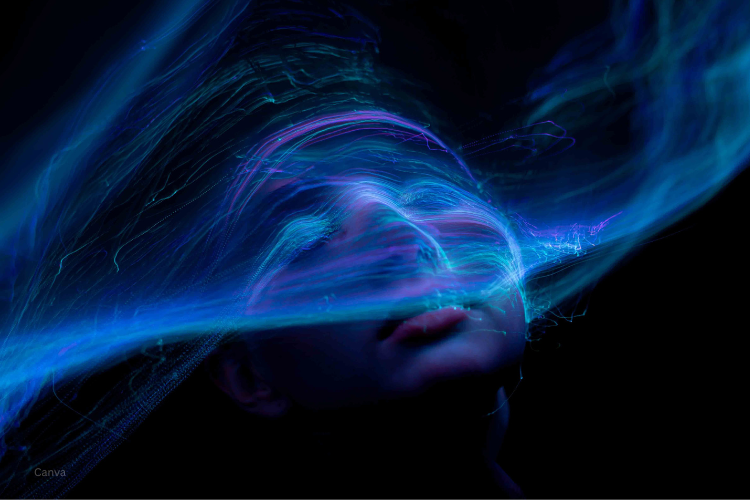
When researchers examined the camera’s output, they found the highest photon emissions around the forehead, cheeks and neck. This matched regions with the most surface level metabolic activity and thinner skin. The finding was highlighted in a detailed analysis by The Guardian, as discovered by their science desk’s report on unusual biological emissions. The glow appeared strongest when volunteers were most alert.
The pattern suggested that areas with more mitochondria rich tissue released slightly more light. Because the head carries dense networks of blood vessels and nerve cells, it appeared noticeably brighter on the imaging system. The result offered a practical clue for future researchers studying metabolic shifts across different parts of the body.
4. Light levels changed dramatically over a twenty four hour cycle.
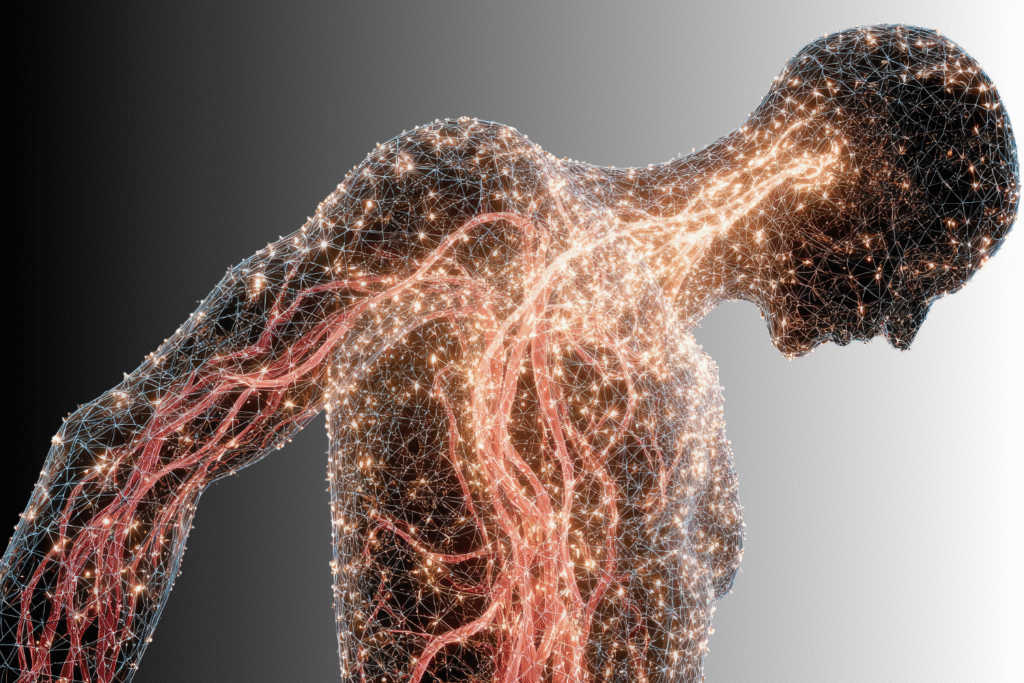
The glow followed a predictable rhythm, brightest in late afternoon and dimmest late at night. This mirrored natural fluctuations in cellular energy use. As the body shifted into rest, photon emissions declined across the skin. When metabolism increased, the glow strengthened again, creating a quiet wave that tracked the body’s internal clock.
Scientists used this cycle to infer deeper relationships between circadian timing and biochemical processes. The light was weak, but its pattern carried valuable information. It offered a subtle map of how internal rhythms express themselves physically. Even small changes in daily routine influenced the glow’s intensity.
5. Stress amplified the glow in measurable ways.

During the study, volunteers who experienced mild stress or elevated heart rate produced slightly stronger emissions. The shift reflected changes in reactive oxygen species released during heightened metabolic demand. These molecules increased briefly when the body entered a more alert state, boosting photon output across the skin.
This link suggested new ways to study how emotional and physical stress influence cellular reactions. Though the changes were subtle, the imaging system captured them clearly. The glow provided a window into processes too small for traditional monitoring but too broad for isolated cell studies.
6. Researchers realized the glow could track metabolic health.
Because photon emissions rise and fall with cellular energy use, scientists began exploring whether the glow could serve as a marker for physiological stress or disease. Conditions involving high oxidative stress may elevate emissions above normal ranges. Early experiments suggested potential applications in identifying irregular metabolic shifts.
The challenge remains the weakness of the signal, which requires specialized equipment to observe. Still, the connection between health and photon output is clear enough to attract interest from fields studying inflammation, aging and chronic disease. The glow represents a real time indicator of cellular strain.
7. The findings revealed how sensitive the body is to light itself.

The study took place in strict darkness because even small amounts of external light overwhelmed the emitted photons. Researchers discovered that human skin absorbs and re releases some wavelengths during the experiment. That insight prompted new questions about how biological tissues interact with environmental light throughout the day.
This interaction could influence how the body regulates temperature, energy and circadian systems. The experiment highlighted the subtle relationship between human skin and its surroundings. Even in darkness, the body maintained a quiet conversation with its own chemistry through light.
8. Scientists began using the glow to study oxidative aging.
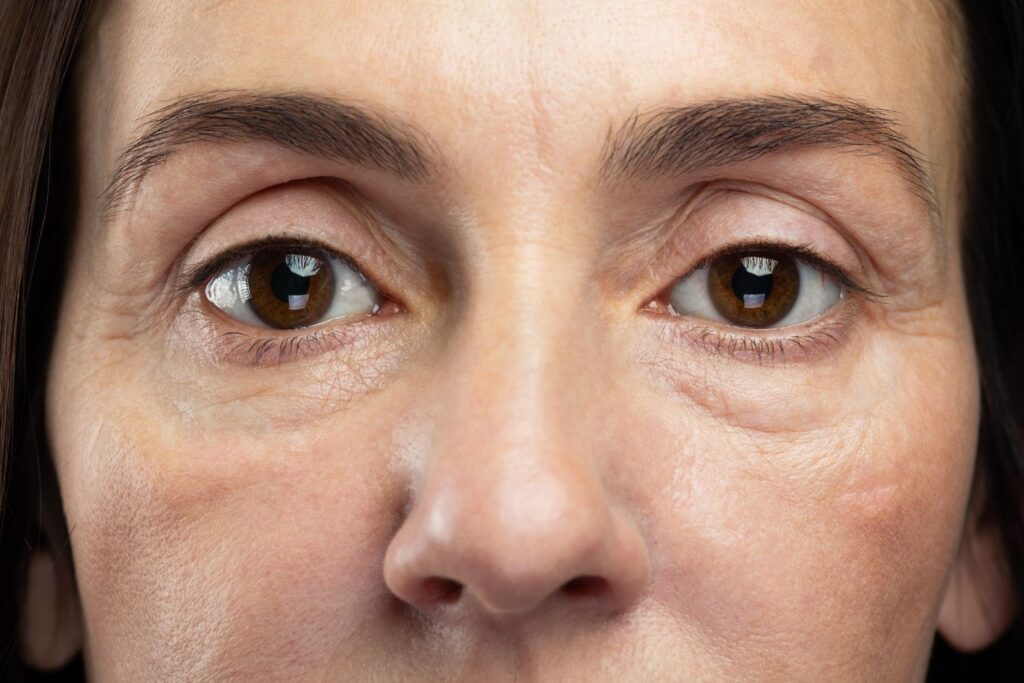
Photon emissions correlate strongly with oxidative stress, a major factor in aging. As researchers expanded the experiments, they found older participants tended to show slightly higher baseline emissions in some regions. These increases reflected shifts in cellular efficiency and repair processes.
This connection opened a possible avenue for studying the pace of aging in skin and deeper tissues. Though still an emerging field, biophoton research has already provided insights into how lifestyle, diet and environmental conditions influence long term oxidative load. The glow became a subtle measure of aging’s progression.
9. The discovery sparked interest in how emotions shape biophoton output.

Follow up studies examined whether emotional states influenced light emissions. Early findings suggested small increases during heightened mood or physiological arousal. The fluctuations aligned with changes in breathing and cardiovascular activity. These shifts influenced reactive oxygen production, which in turn affected photon output.
Researchers exploring these links believe the glow may reflect more than simple metabolism. It could provide clues about how the nervous system and cellular chemistry interact. The phenomenon remains complex but deeply connected to everyday experiences.
10. The human glow may help explain ancient references to inner light.
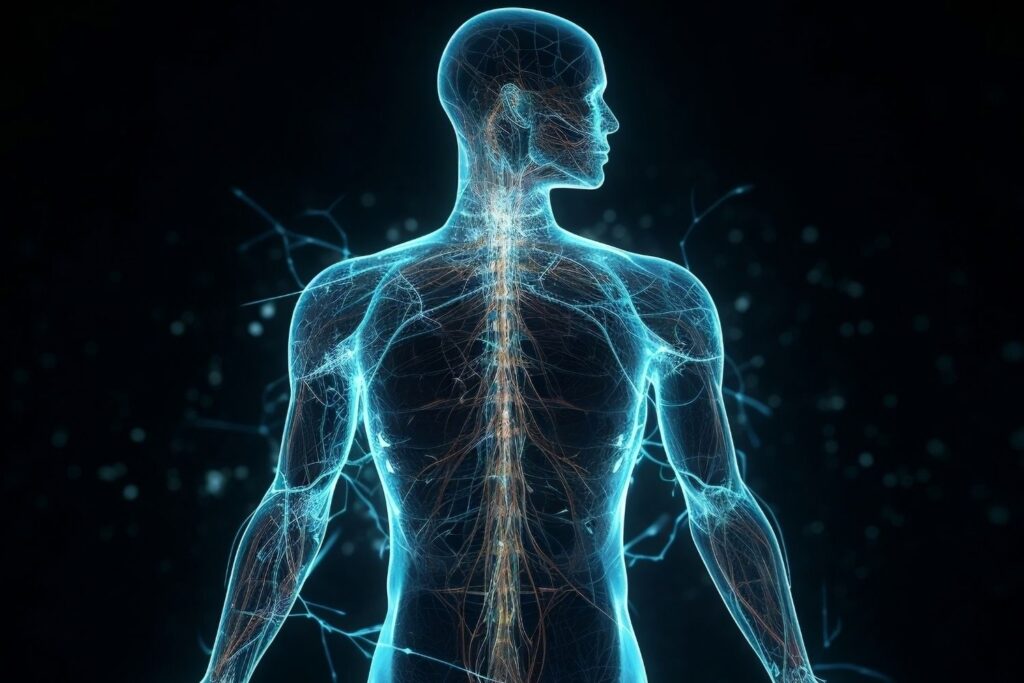
Cultures throughout history have described energy or radiance surrounding the body. Though often symbolic, the new research offers a biological foundation. Humans emit measurable light tied directly to the chemistry of living cells. This glow, though invisible to the eye, is constant and quantifiable.
The discovery bridges folklore and modern science in an unexpected way. It confirms that the body carries a faint luminosity created by its own internal processes. Even though we never see it, the glow is always present, woven quietly into the fabric of life.