
Some breeds test patience in unexpected ways.
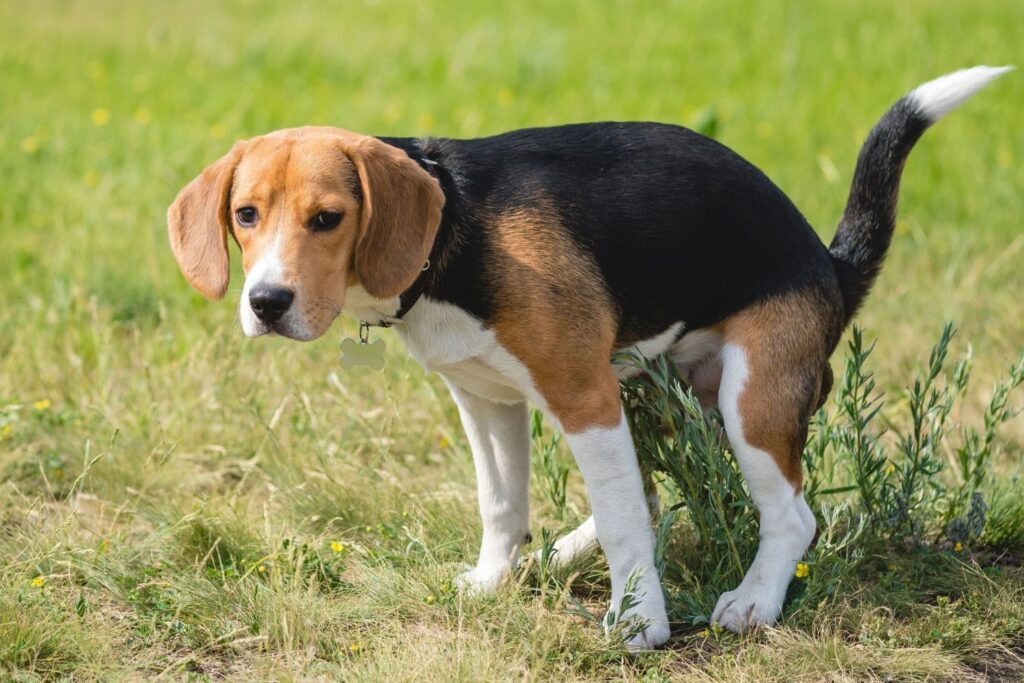
Every household has a moment when the simple act of teaching a dog where to go feels like a contest of will and endurance. Some breeds seem to grasp the concept instantly, while others take their time as if the rules are written in a language they do not fully trust. Genetics, temperament and size all play roles in these delays. What looks like stubbornness often turns out to be something more complicated beneath the surface.
1. Dachshunds struggle because their instincts can override training.
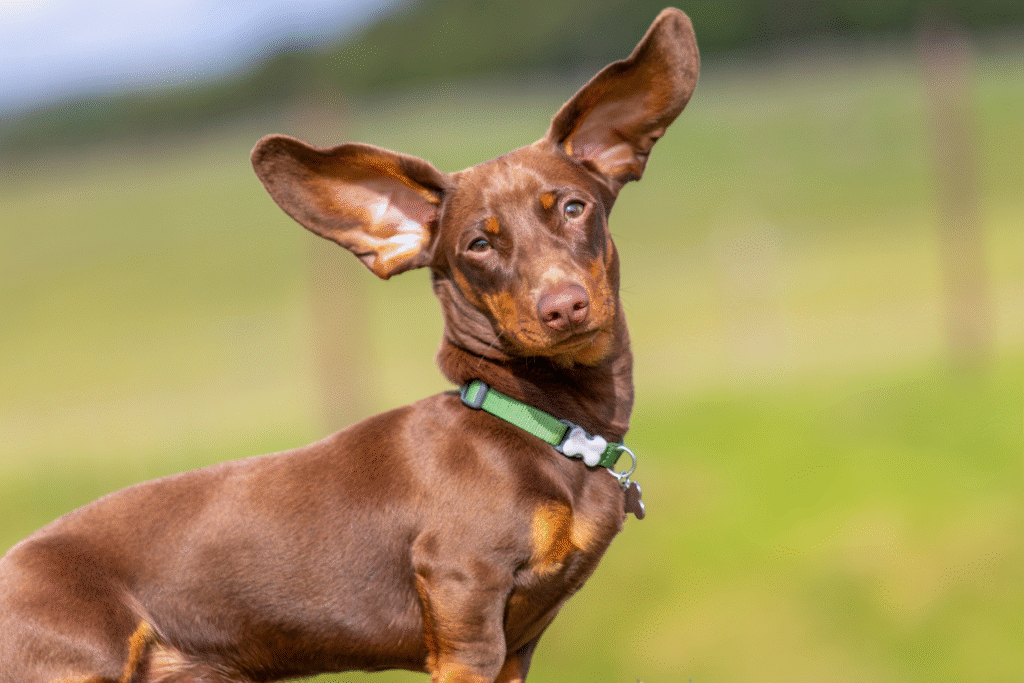
Dachshunds were bred for independent underground hunting, and that independence still shapes their behavior indoors. Their strong sense of territory makes them prone to marking, and their small size means accidents dry quickly before owners notice. According to the American Kennel Club, their stubborn streak often slows early training. That resistance becomes stronger if routines shift or outdoor access feels unpredictable.
Owners who succeed with Dachshunds usually rely on steady schedules and very frequent outings. The dogs respond well when they feel the structure is consistent each day. Because they react strongly to changes in their environment, even small disruptions can set progress back. With enough repetition, they eventually settle into predictable habits, but the journey can take longer than expected.
2. Chihuahuas often avoid going outside during colder months.

Their tiny frames lose heat quickly, making outdoor trips uncomfortable in many climates. When they resist heading out, owners assume defiance rather than physical avoidance. As stated by WebMD Pets, small breeds often have greater difficulty controlling their bladder due to limited body size. The combination of discomfort and anatomy makes consistent training more challenging for Chihuahuas.
Indoor pads sometimes become a fallback option, but this can confuse long term expectations if not managed carefully. They learn best when owners provide warm outdoor gear and short but frequent trips. Their confidence improves when they feel safe and protected in unfamiliar weather. As their comfort grows, their willingness to follow routines becomes stronger and more dependable.
3. Yorkshire Terriers can take longer due to their sensitive temperament.
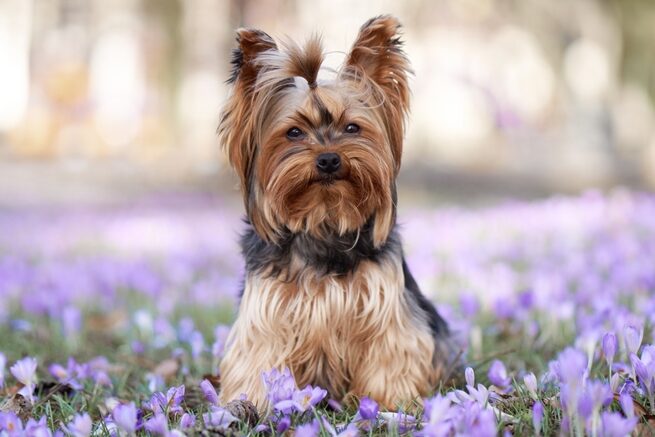
Yorkies notice every shift in tone or environment, which makes them excellent companions but inconsistent learners during early training. Loud reactions or rushed schedules often intimidate them, slowing progress. Their small bladder size adds another challenge, as reported by The Spruce Pets in discussions of toy breed house training. Many owners underestimate how often these dogs need outdoor breaks.
Creating a calm and predictable environment helps Yorkies feel secure enough to follow routines. They respond well to steady praise and gentle redirection. If they sense tension, they often retreat or hide, which complicates efforts. Once trust builds, their eagerness to please becomes a powerful tool, allowing training to click into place with more consistency.
4. Bichon Frises sometimes struggle with inconsistent signals at home.

Bichons thrive on emotional closeness, which can make them overly tuned to their owners rather than to the task itself. They pick up on moods instantly, and if those moods shift during training, their performance shifts with it. Their fluffy appearance hides subtle body language, so owners may miss early cues that they need to go outside.
Their enthusiasm for indoor play sometimes distracts them from routines. Clear schedules help them understand expectations. They excel when owners keep training upbeat without overwhelming them. Their intelligence becomes an advantage once the structure is set, allowing them to form reliable habits after the initial adjustment phase.
5. Pugs may delay because physical comfort affects their decisions.
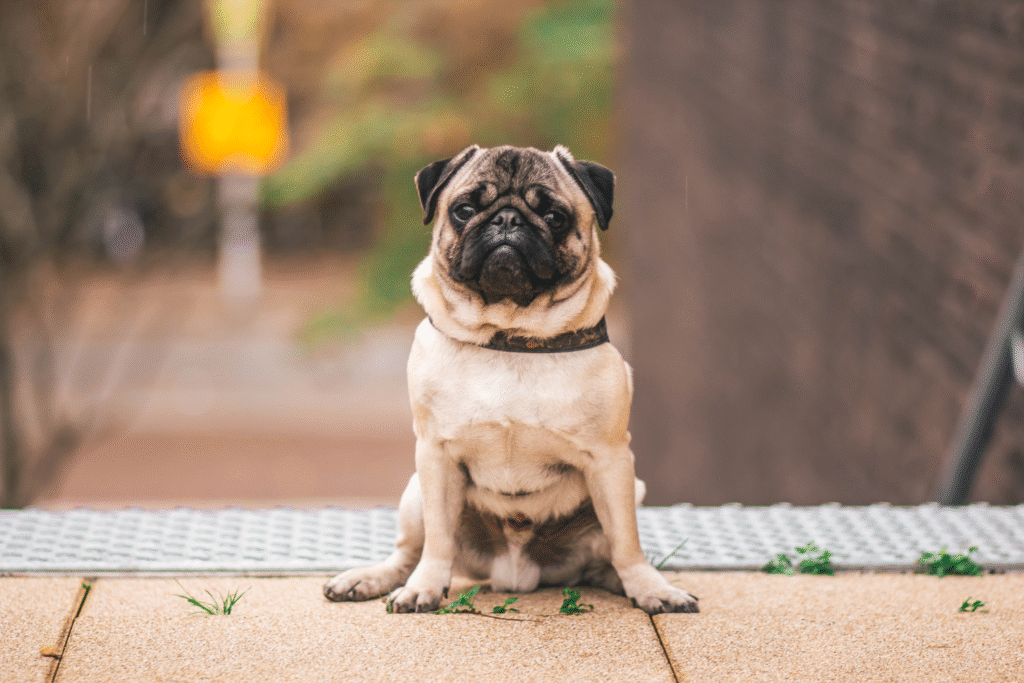
Their compact build and short muzzle make temperature regulation more challenging, especially during hot or cold days. When the weather feels uncomfortable, they hesitate or return indoors too quickly. Owners sometimes assume laziness, but the reluctance is often tied to breathing ease and body temperature rather than attitude.
Calm encouragement and short outdoor sessions help them gradually build confidence. Pugs respond well when outings feel relaxed rather than rushed. As their comfort improves, their willingness to learn strengthens. Their affectionate nature becomes an asset once they trust the routine fully.
6. Beagles can lose focus due to strong scent instincts.
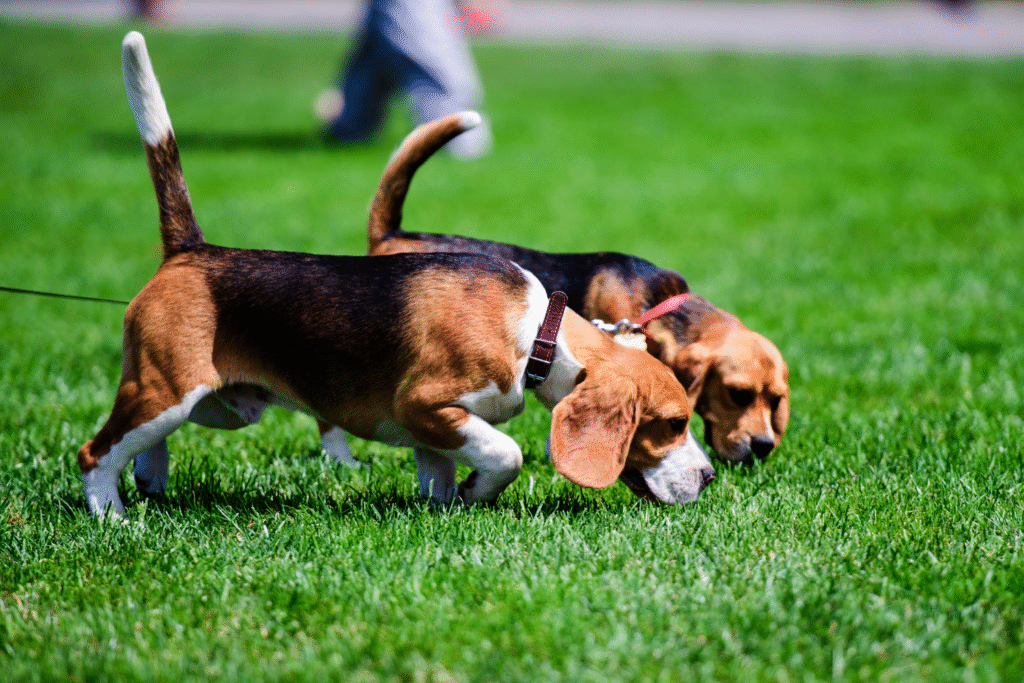
Any smell outdoors can pull a Beagle away from the task at hand. Their mind locks onto trails rather than schedules, and this distraction breaks training momentum. Owners often struggle to regain attention in stimulating environments. Indoor signals also become muddled if the dog feels excited or restless.
Success often comes from choosing quieter outdoor areas with fewer distractions. When Beagles realize they must complete the task before exploring, their reliability improves. Consistent leash guidance and firm but gentle cues help guide them toward better habits. With patience, their instinctive curiosity becomes easier to manage.
7. Shih Tzus occasionally resist because they dislike rushed routines.

Their relaxed temperament means they prefer slow transitions, and abrupt training methods push them into avoidance. If they feel pressured, they sometimes retreat or refuse to follow early cues. Owners misinterpret this as stubbornness rather than sensitivity to pace.
Giving them extra time outdoors makes a significant difference. They learn best when outings feel calm and unhurried. When they sense emotional balance around them, they commit to routines more easily. Their affectionate nature eventually aligns with training once the pace feels comfortable.
8. Maltese dogs may regress if schedules shift too often.
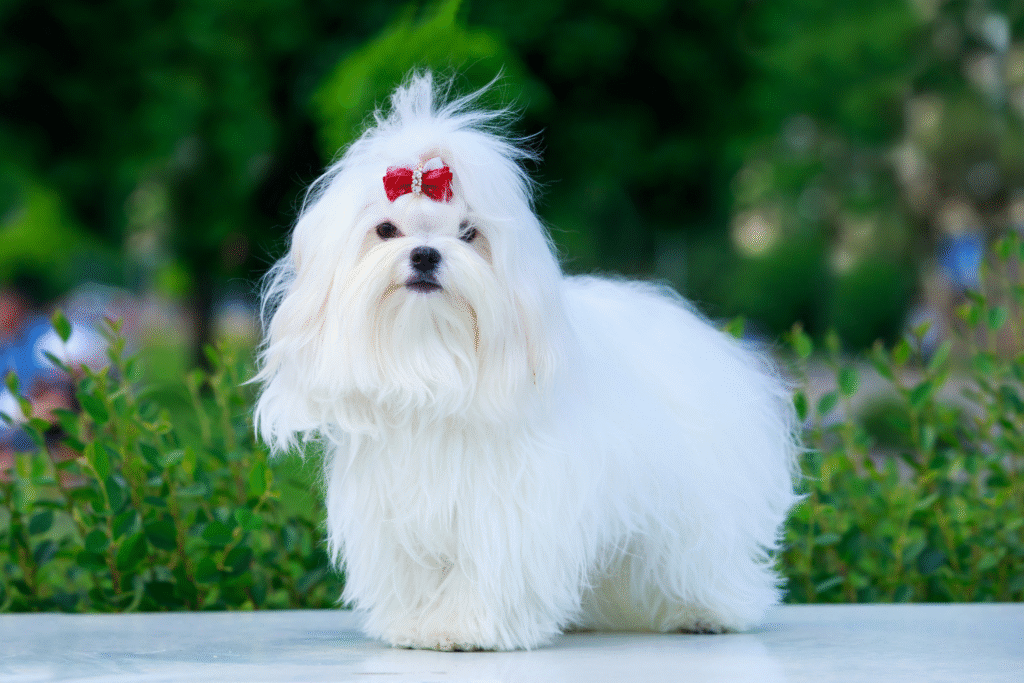
These small dogs rely on consistent timing to regulate their habits. When owners change work schedules or travel frequently, the Maltese struggles to form long term associations. Their size also means they cannot wait long between breaks.
Solutions often revolve around strict regularity. Dogs who receive consistent cues often improve dramatically within weeks. Quiet environments also help them avoid overstimulation. Once the routine stabilizes, they adapt quickly and respond with more confidence.
9. Jack Russell Terriers sometimes prioritize energy over routine.

Their intense drive and constant readiness for action make it hard for them to pause long enough to follow early training steps. They race through outdoor time without taking a moment to focus. Owners need extra patience to redirect that high energy into structured habits.
Extended exercise sessions before training often help them settle. When their energy levels drop slightly, they respond better to consistent cues. Over time, their intelligence becomes a benefit rather than a barrier. Once they understand the system, they follow it with impressive discipline.
10. Bulldogs occasionally struggle due to slower body rhythms.

Their calm temperament and heavy build make transitions difficult. They sometimes need more time to reach outdoor areas or adjust to temperature changes. Owners often underestimate how these physical factors influence early training.
Gentle guidance and predictable outings help Bulldogs connect the routine to the expected behavior. Their loyalty grows quickly once they feel understood. They learn at a slower pace, but their steady nature eventually turns into reliability. With patience, they form strong habits that hold well into adulthood.