
Sudden inflammation triggers a cascade of internal stress.
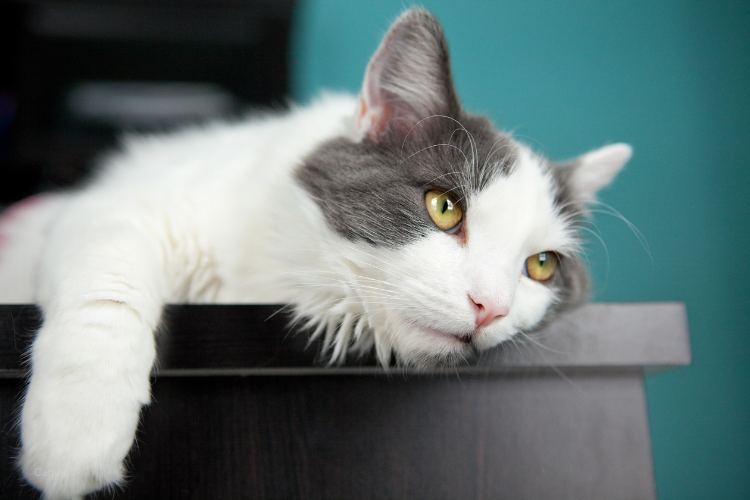
Pancreatitis in cats often arrives quietly, showing only faint signs on the outside while significant changes unfold deep within the body. The pancreas plays a central role in digestion and blood sugar control, yet when it becomes inflamed, the entire system begins to unravel. The condition starts subtly, then gains momentum as the organ struggles to keep up with the demands placed on it. Many cats hide discomfort, which delays recognition and allows the condition to grow more severe.
Veterinarians explain that a flare affects far more than the pancreas alone. Inflammation spreads, digestive stability collapses and the body scrambles to protect itself. Organs that normally work cooperatively begin to strain under the pressure. Understanding what happens inside the body during a flare helps owners respond quickly and recognize the warning signs that might otherwise slip past them.
1. Pancreatic inflammation begins rising faster than the body can control.
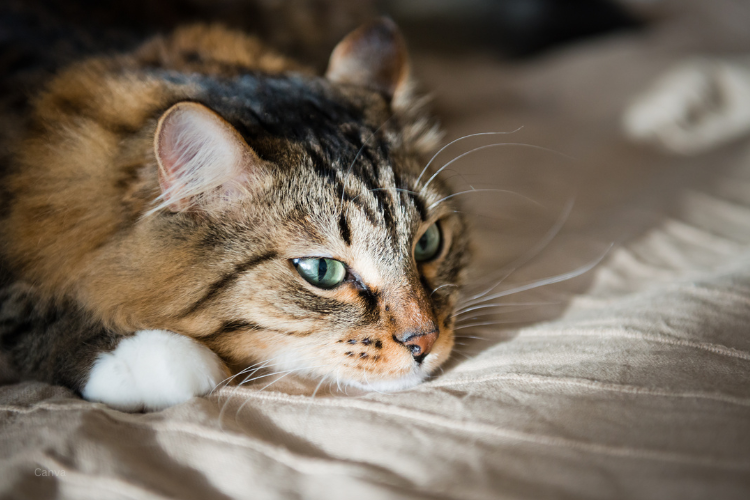
A flare starts when the pancreas becomes irritated by injury, infection or immune changes. Its tissue swells and digestive enzymes inside the organ activate at the wrong time. These enzymes are meant to work in the intestines, not inside the pancreas itself. The organ reacts with sudden inflammation that spreads through nearby tissue. Cats may show only subtle signs at first, which makes the internal shift easy to miss.
This early stage sets off a chain reaction. The swelling disrupts the organ’s structure and interferes with normal function. As irritation builds, pain increases and the body diverts energy toward controlling the damage. These hidden changes affect appetite, behavior and comfort long before owners notice outward symptoms.
2. Digestive enzymes begin leaking into surrounding tissue unexpectedly.
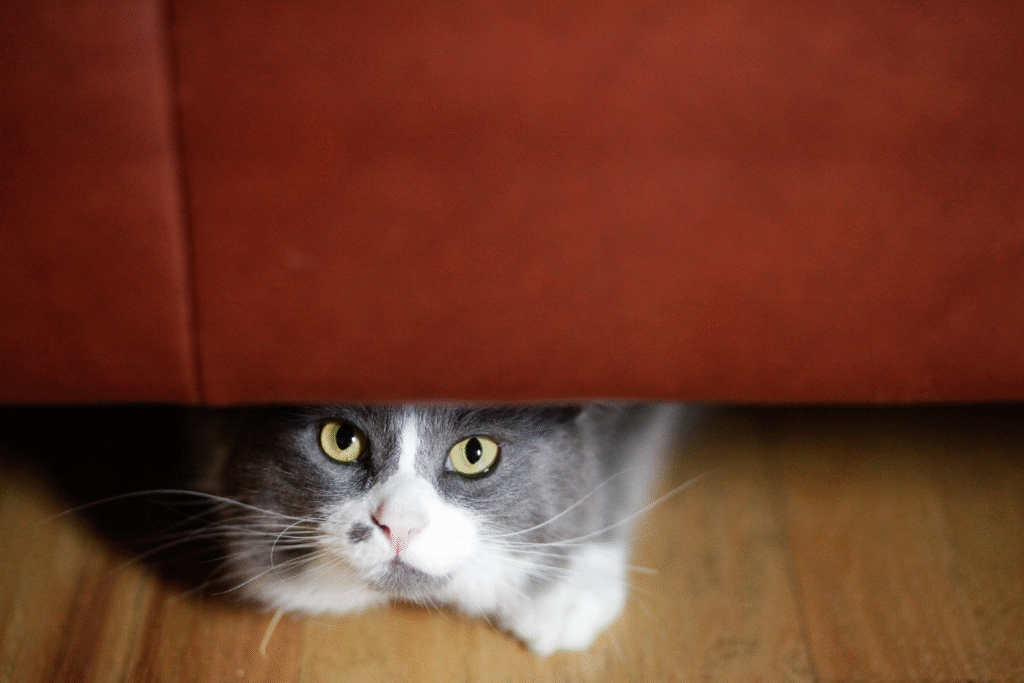
Once the pancreas inflames, enzymes created for breaking down food can spill into nearby areas. This leak triggers further irritation because the enzymes begin digesting tissue they were never meant to touch. The reaction creates inflammation that spreads outward and heats the surrounding organs. Cats may begin vomiting or retreating to quiet places as their bodies react to the internal discomfort.
As the flare increases, this leakage becomes one of the most damaging parts of the process. The body responds with swelling and defensive responses that only add more pressure to the area. The cycle becomes self reinforcing as irritation leads to more leakage and more leakage leads to more inflammation. This creates a storm the pancreas cannot manage alone.
3. Pain signals intensify as inflammation spreads through the abdomen.
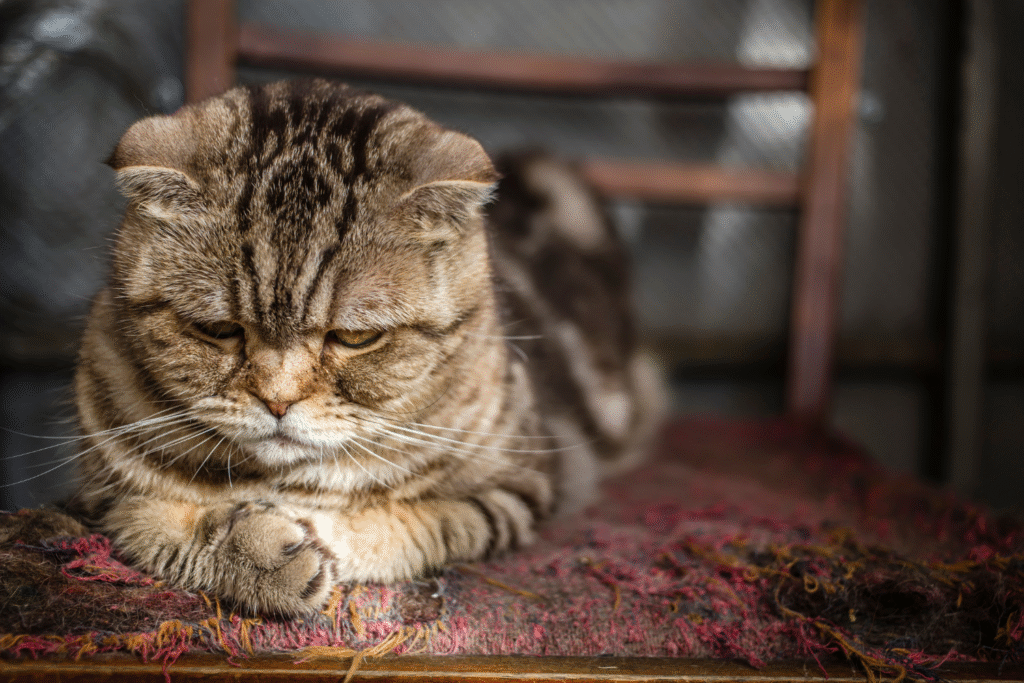
The swollen pancreas presses against nerves and nearby organs, sending strong pain signals that the cat cannot easily express. Many cats respond by curling up tightly, avoiding touch or moving with hesitation. Owners sometimes overlook these signs because cats instinctively hide discomfort. The internal pain can be sharp or deep, depending on how much the tissue has swollen.
As inflammation increases, the pain becomes more persistent. This can cause the cat to stop eating, which makes the situation worse. Without food, the digestive system slows even more, creating additional nausea and discomfort. This creates a loop where pain affects appetite, and reduced intake further stresses the system.
4. Nausea rises as digestive movement becomes irregular.
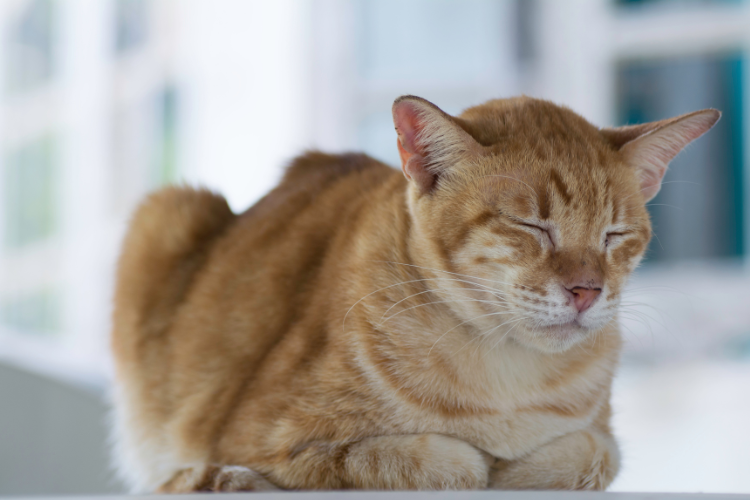
A flare disrupts the timing of stomach and intestinal movement. Food that normally moves smoothly now lingers, triggering nausea that becomes difficult for the cat to tolerate. Owners may see drooling, lip licking or sudden refusals to eat. These subtle signs reflect a significant internal struggle as the digestive tract tries to cope with the disruption.
As the nausea builds, the body becomes increasingly sensitive to smell and movement. Even favorite foods may be ignored. The digestive system attempts to reset by slowing down, but this only increases bloating and discomfort. The cycle leaves the cat caught between hunger and nausea, making it difficult to regain stability.
5. Vomiting increases as the stomach rejects lingering food.

Once nausea reaches a certain point, the stomach reacts by pushing out anything it cannot process. Vomiting during a flare often appears sporadically at first, yet becomes more frequent as inflammation builds. Cats may vomit foam, undigested food or small amounts of bile. These episodes drain energy and worsen dehydration.
The repeated vomiting strains the body further. Each episode removes fluid needed for proper circulation and organ function. As hydration decreases, inflammation increases, creating an internal tug of war that the cat cannot manage alone. This stage deepens the seriousness of the flare and signals the need for immediate support.
6. Dehydration develops quickly as fluids drop below normal.
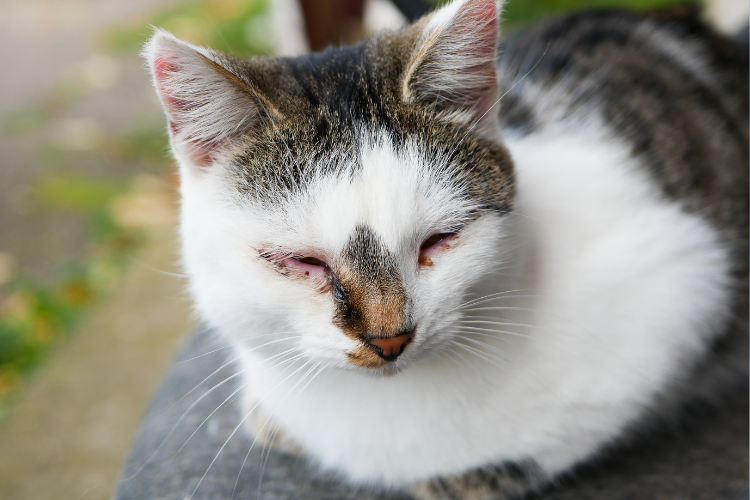
A cat loses moisture through vomiting, reduced drinking and disrupted digestion. The body pulls fluid from other tissues to compensate, leaving the cat dehydrated. Skin becomes less elastic and energy drops noticeably. Families may assume the cat is simply tired, but the kidneys and circulation are already under significant strain.
This dehydration affects every organ. Blood thickens slightly, making circulation less efficient, and toxins build faster. These internal changes push the pancreas into further distress. As fluid levels fall, the flare becomes harder to reverse without medical intervention. This phase ties directly into the next stage of instability.
7. The liver becomes stressed as toxins rise in the bloodstream.
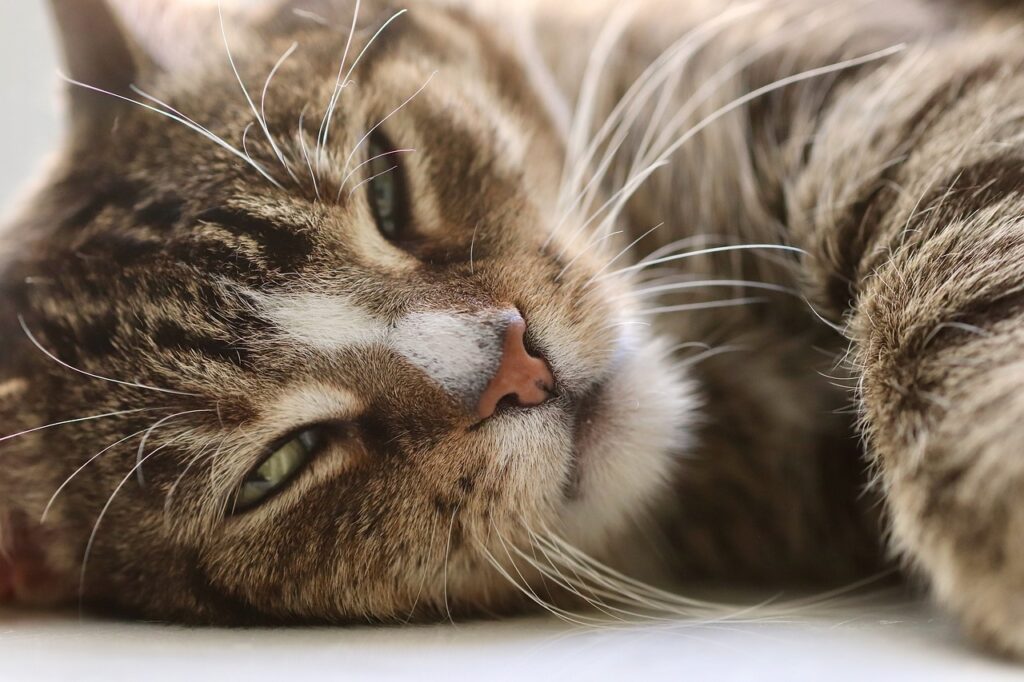
During a flare, the liver works harder to manage waste created by inflammation. Its workload increases rapidly because digestion is impaired and toxins accumulate. Cats may develop jaundice in severe cases, though early liver stress often goes unseen. The liver’s attempts to filter the bloodstream create heat and fatigue within the body.
As the flare progresses, the liver struggles to keep up. Energy drops, appetite fades further and the cat becomes less responsive. This stress drains the body and reduces the cat’s ability to self regulate. The connection between pancreas and liver becomes clearer as both organs feel the effects of the flare.
8. Blood sugar levels swing unpredictably as insulin regulation falters.
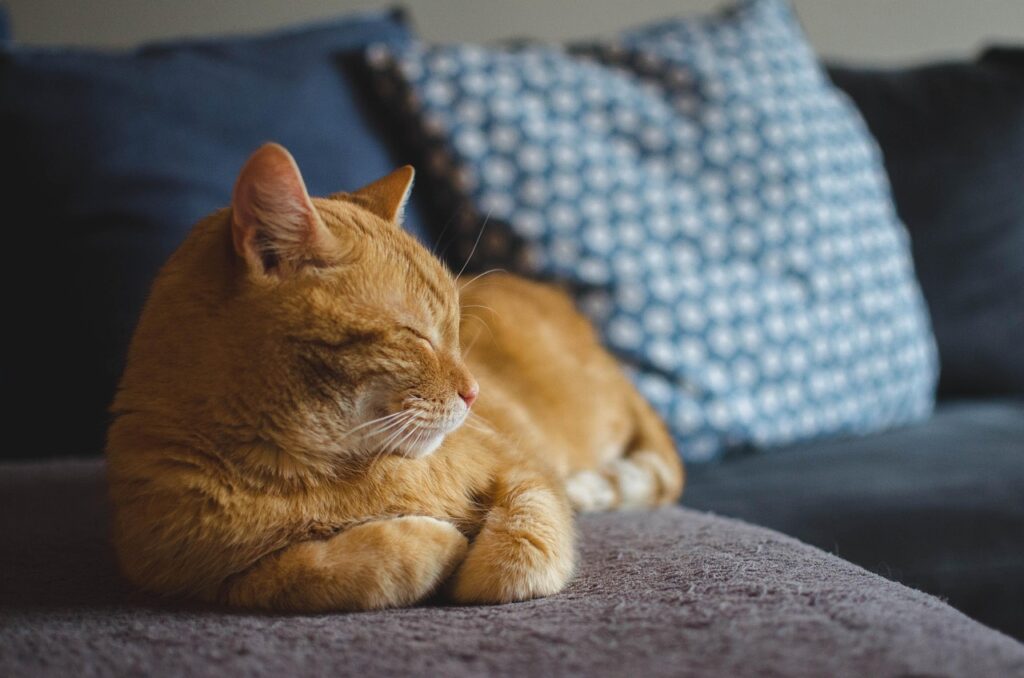
Because the pancreas helps control blood sugar, a flare disrupts insulin production. Levels may rise or fall without warning, causing weakness, trembling or sudden lethargy. Owners may misinterpret these changes as simple fatigue when the body is actually dealing with unstable glucose levels. This instability can worsen quickly if the flare continues unchecked.
The swings affect mood, appetite and coordination. A cat may seem alert one moment and disoriented the next. These inconsistencies reflect the pancreas struggling to maintain control over one of its essential functions. The deeper the inflammation, the more erratic these shifts become.
9. Inflammation spreads outward and strains multiple organs.
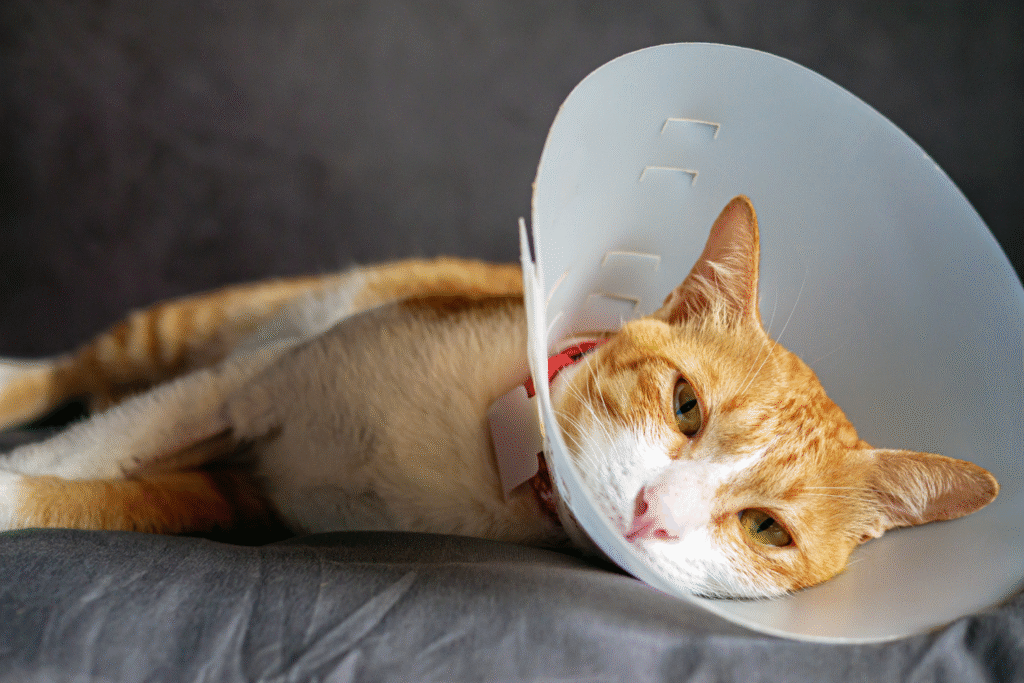
As the pancreas continues to inflame, nearby organs become caught in the expanding irritation. The stomach, liver, intestines and even bile ducts begin reacting. This widespread inflammation adds layers of discomfort that complicate recovery. The body enters a defensive state, redirecting energy toward managing the crisis.
This broad reaction also disrupts nutrient absorption and digestive coordination. Everything slows down as the system prioritizes stabilizing inflammation. These internal adjustments highlight how a single inflamed organ can destabilize the entire abdominal region. The flare becomes a whole body event rather than an isolated problem.
10. Energy drains rapidly as the body fights to stabilize itself.
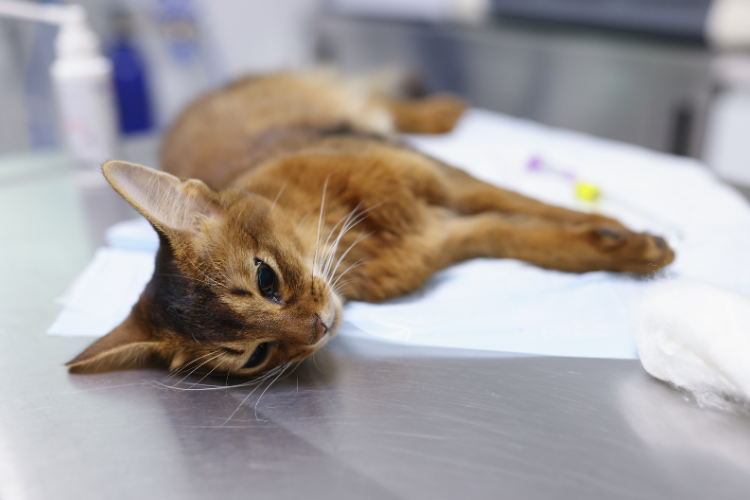
The final stage of a flare often leaves a cat exhausted. The combination of dehydration, pain, nausea and inflammation drains every reserve. Movement becomes slow and rest becomes constant. Families sometimes read this as quiet behavior, not realizing how hard the body is working internally.
If the flare continues, the body reaches a point where it cannot compensate. Appetite disappears completely and weakness becomes more visible. This stage reflects the full impact of the internal struggle described in the earlier sections. Prompt intervention becomes critical to prevent long term damage and restore balance within the cat’s system.