
New research reveals surprising effects of feline sound.

There is something strangely grounding about the low vibration of a cat resting against your ribs or settling into the curve of your arm. The sound is soft, steady and somehow tuned perfectly to quiet the nervous system in ways you never quite notice until afterward. Scientists studying the acoustic range of purring have begun uncovering unexpected physiological effects that deepen the mystery. The noise is simple, yet its influence runs far deeper than a sign of comfort or affection.
1. Purring falls within a frequency linked to tissue repair.
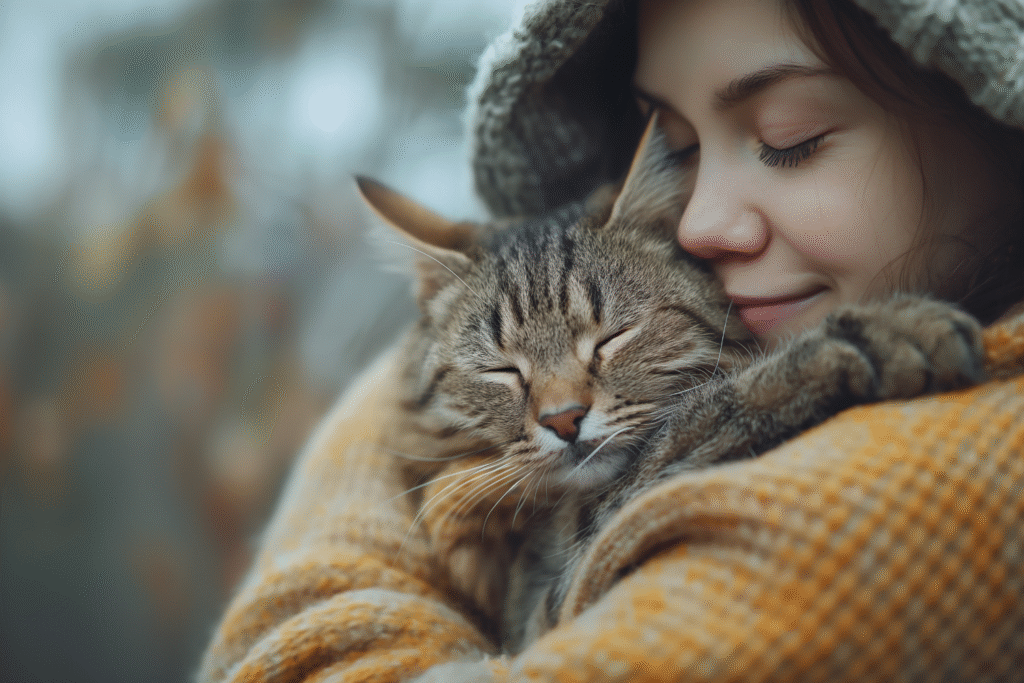
Researchers discovered that most cats purr between twenty and one hundred fifty hertz, a range associated with improved bone density and soft tissue healing in clinical studies. According to Scientific American, these frequencies are used therapeutically in medical settings to stimulate recovery. The overlap intrigued researchers who began questioning whether cats evolved this frequency range for their own health.
Humans exposed to these vibrations may experience subtle benefits as well. When your cat settles on your lap or chest, the frequency resonates through surface tissues. The effect is gentle, but some scientists believe it mirrors low level vibration therapy. This idea adds new context to why many people feel physically calmer after long periods of purring contact.
2. The vibration pattern helps slow stress responses naturally.

Studies observing people interacting with cats noted measurable reductions in cortisol levels over time. As stated by Healthline in their analysis of pet related stress research, repetitive sound patterns can interrupt physiological stress cycles. Purring creates one of the most rhythmic patterns found in domestic animals, and the consistency seems to matter.
When the vibration reaches your chest or abdomen, the nervous system responds by dropping into a slower rhythm. Heart rate steadies, breathing becomes more regular and muscles release tension gradually. The process feels almost automatic because it bypasses conscious effort. Many cat owners describe this shift without realizing how closely it tracks to measurable stress reduction.
3. Exposure to purring may influence blood pressure regulation.
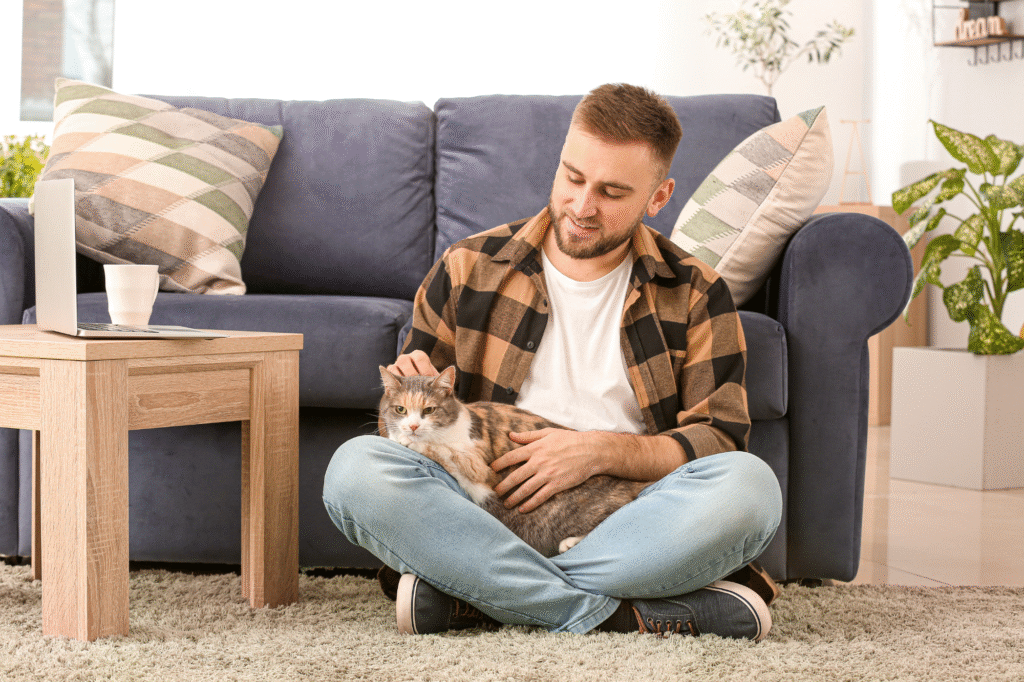
A review explored how companion animals affect cardiovascular health and noted that cat owners often show slightly lower baseline blood pressure. This connection appeared in a study referenced by the National Institutes of Health, which highlighted the long term cardiovascular advantages seen in cat owning households. While the study did not isolate purring alone, researchers acknowledged it as a likely contributor due to its calming effect.
The steady vibration may help reduce sympathetic nervous system activity, which governs fight or flight responses. As that system quiets, blood vessels relax and circulation becomes smoother. The effect is subtle but persistent, especially for people who spend long evenings resting with a purring cat nearby. Over time, these small shifts add up.
4. Cats may share healing benefits they evolved for themselves.
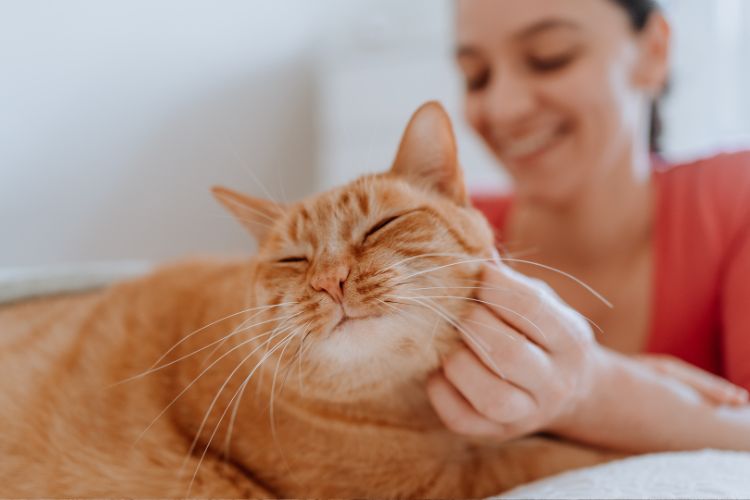
Scientists believe cats developed purring as a self healing tool because wild felines must mask injury while recovering. The frequency range supports bone repair, muscle recovery and pain reduction, making purring a built in survival mechanism. Domestic cats maintain this instinct even when safe indoors.
When they curl against you, the benefits extend beyond emotional comfort. Their instinctive healing behavior creates an environment of low level vibration that humans unknowingly absorb. The relationship becomes more symbiotic than most people imagine. The soft rumble that signals contentment also carries a practical evolutionary purpose.
5. The sound may interrupt chronic anxiety loops.
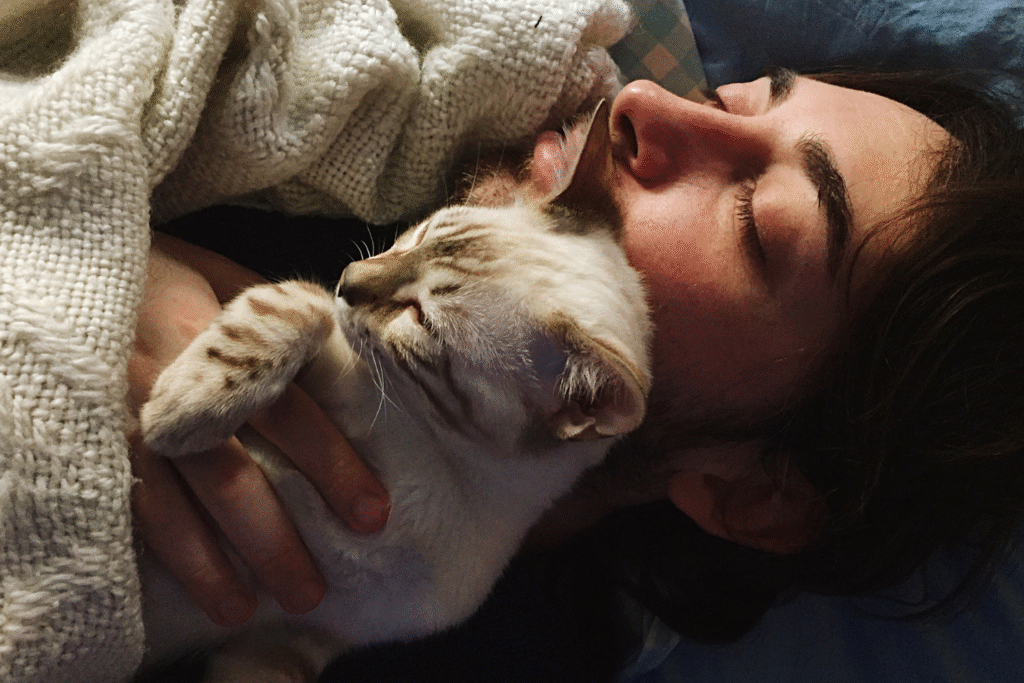
People living with chronic anxiety often describe looping thought patterns that feel hard to disrupt. The low buzz of a cat resting nearby interrupts that cycle through sensory grounding. The vibration anchors your attention in the present moment, pulling focus away from internal noise.
This physical grounding works even when you are not actively engaging with the cat. The purring becomes a sensory signal repeating at a steady pace, allowing the mind to step back from anxious spirals. Many cat owners report calming effects they cannot fully explain. Science suggests this may be one reason.
6. Purring creates micro vibrations that support respiratory ease.
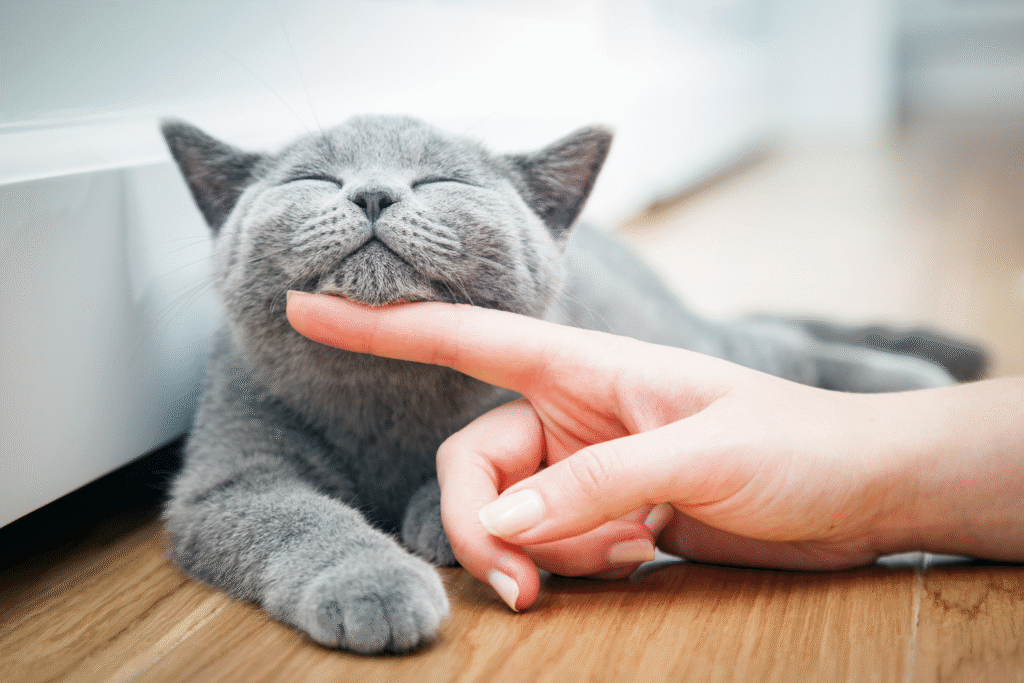
The resonance produced by a purring cat can influence breathing patterns in humans. Many people unconsciously synchronize their breath with the rhythmic sound. This stabilization prevents shallow breathing, which commonly rises during stress or fatigue.
As breath deepens, oxygen flow improves and tension in the upper chest decreases. People with mild respiratory discomfort sometimes describe relief when resting with a purring cat, despite not knowing why. The rhythmic sound and vibration act like a natural metronome for the body, guiding it toward steadier respiration.
7. The vibration may reduce physical pain through sensory distraction.
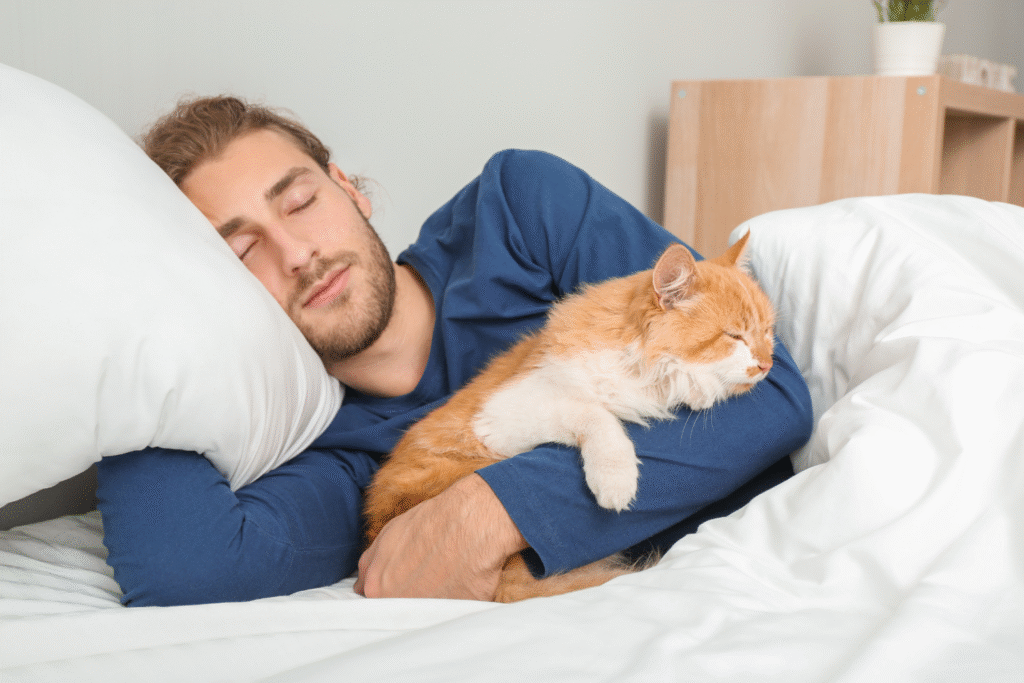
Purring generates a sensory layer that can distract the brain from processing discomfort. This distraction works similarly to how rhythmic pressure or warmth can reduce aches. The soft vibration reaches nerves beneath the skin and shifts attention away from low level pain signals.
Long term cat owners often mention feeling soothed when recovering from illness or injury with their cat beside them. The effect is not dramatic, but it builds gradually. The consistent hum acts like ambient comfort, lowering awareness of discomfort while the body rests more easily.
8. Emotional bonding strengthens the healing effect further.
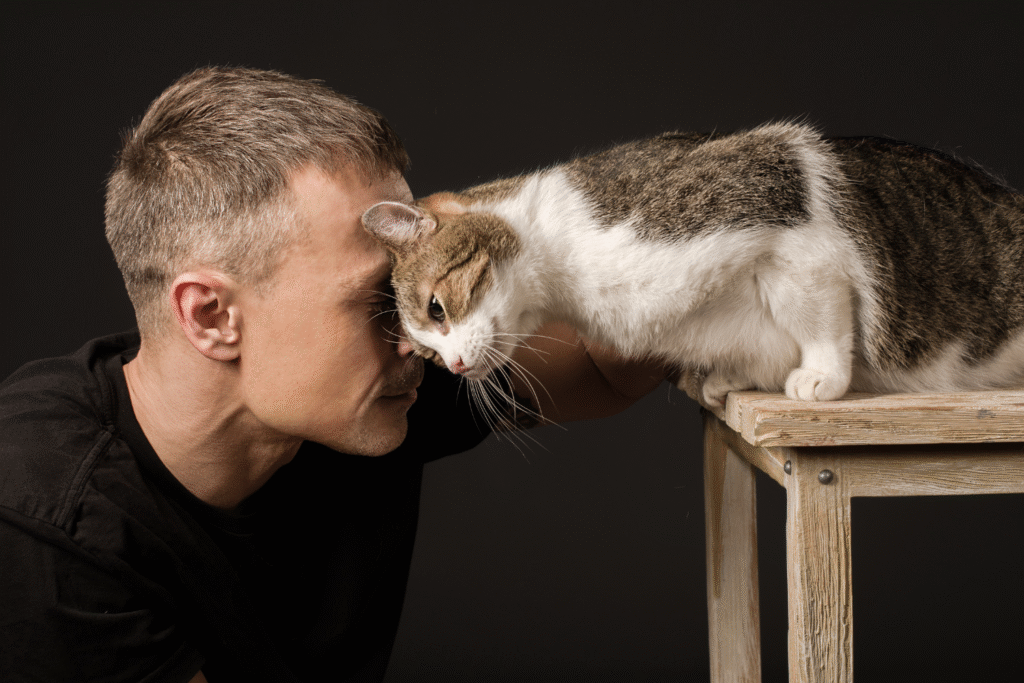
The connection between a cat and its owner amplifies the physical benefits of purring. When an animal has become part of your emotional landscape, the comfort it brings triggers deeper hormonal changes. Oxytocin, the bonding hormone, increases during quiet moments of contact.
This hormone reduces stress, stabilizes mood and supports feelings of safety. When the vibration of purring overlays this hormonal shift, the combined effect becomes stronger than either one alone. The body relaxes in layers, starting with the emotional bond and deepening with the physical resonance.
9. Cats sense when you are unwell and adjust their behavior.
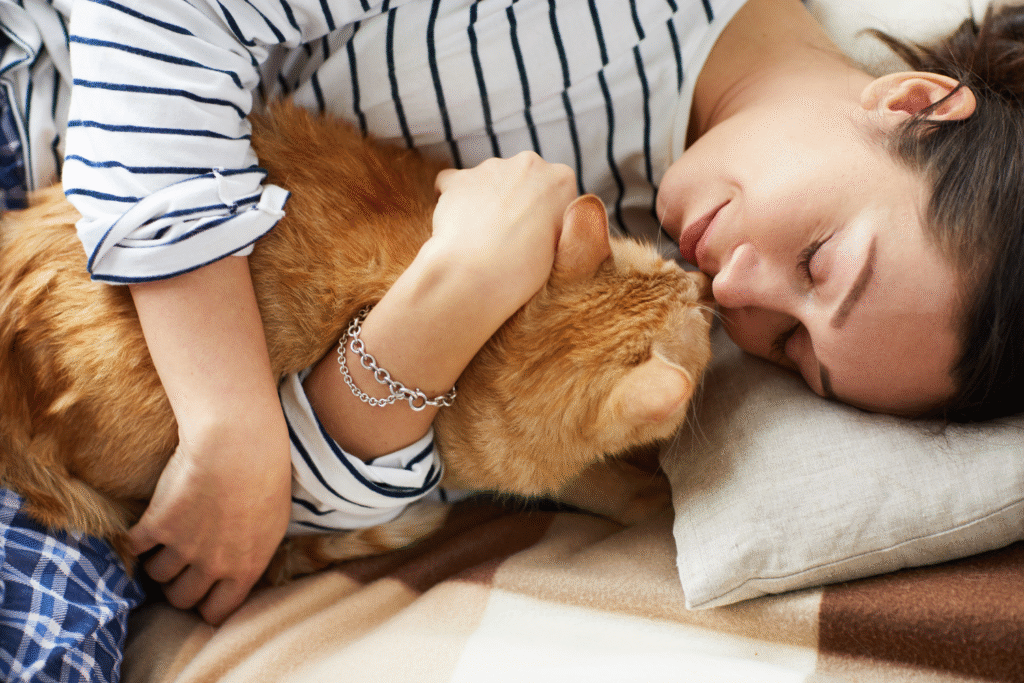
Many owners describe moments when their cat sits directly on an aching joint or settles across the stomach during illness. Cats appear to detect small shifts in your breathing, posture or temperature and respond with closer physical contact. Their instinctive care often includes extended periods of purring.
This response deepens the therapeutic effect because the vibration reaches the areas where the body feels weaker. Whether coincidence or instinct, the result provides both comfort and potential low level physiological support. Their presence feels intentional even if science cannot fully explain it.
10. Purring may help you reach deeper rest at unexpected times.

When the body relaxes under the influence of low vibration and steady rhythm, it becomes easier to slip into restorative rest. The mind drifts more easily, and the nervous system settles into a slower pace. Many people describe falling asleep faster when a cat curls against them.
This deeper rest is one of the most overlooked benefits of purring. The body does its best healing when it feels safe enough to relax. Cats, without trying, create that environment through sound alone. Their quiet presence becomes a form of care woven into everyday life.