
Intelligence collides with rising global demand.
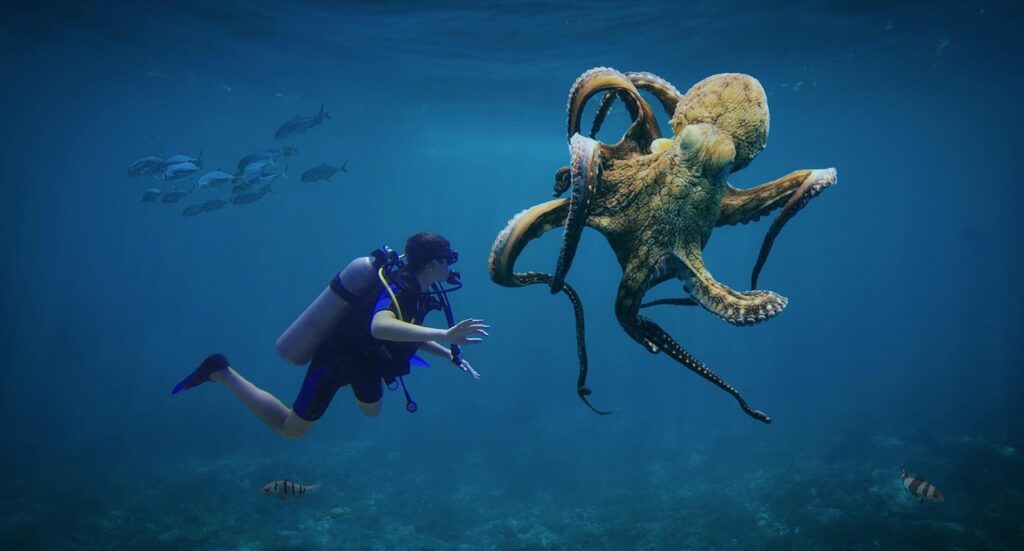
Octopuses have always carried an air of mystery, but the last decade has pushed them into an uncomfortable spotlight. Their intelligence is no longer a fringe curiosity but a well documented reality supported by lab studies from Seattle to Okinawa. At the same time, global seafood demand is increasing, especially across Mediterranean and Asian markets where octopus dishes are cultural staples. That collision between cognitive complexity and commercial appetite has placed octopuses in a fragile position, one where their adaptability is outpaced by the forces closing in on them.
1. Their problem solving skills reveal extraordinary awareness.
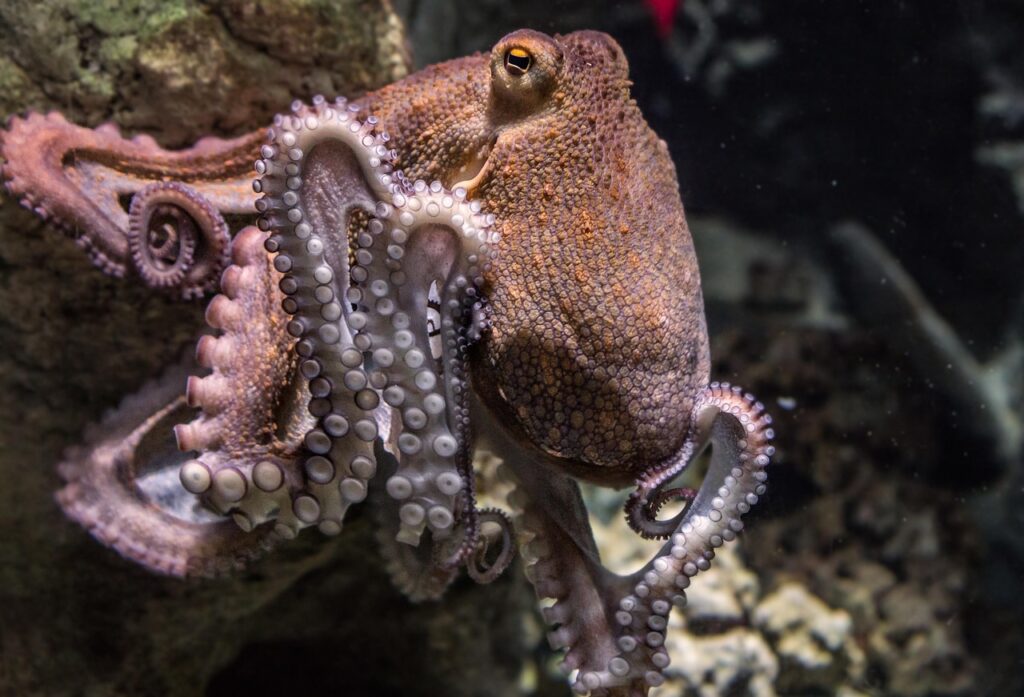
Laboratories studying octopus cognition have documented abilities that resemble those seen in some mammals and birds. As stated by National Geographic, researchers observed octopuses opening jars, navigating mazes and remembering solutions for days afterward. These skills make them unusually aware of their surroundings, which becomes tragic when they encounter traps or fishing gear that exploit their curiosity.
Their ability to recognize patterns and seek out escape options often fails against modern harvesting tools. Even intelligent animals have limits when confronted with equipment engineered to prevent exit. Their awareness only heightens the sense that they understand more than they can avoid, making them vulnerable despite their impressive cognitive abilities.
2. They show emotional responses under stress in captivity.
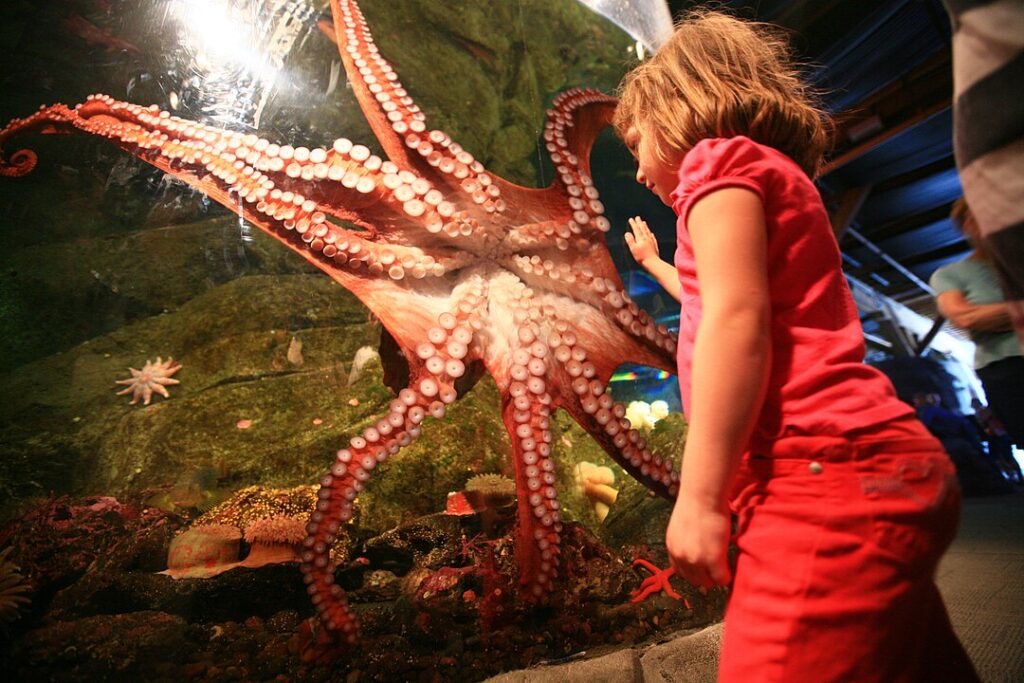
Scientists monitoring octopuses in controlled environments noticed behavioral changes that mirror stress indicators in other complex species. According to The Guardian, studies revealed signs that octopuses experience anxiety when confined in small or barren spaces, especially during research on farming trials. These findings complicate efforts to scale octopus aquaculture, which may cause them physical and psychological harm.
That stress response highlights how poorly they adapt to crowded environments typically used in seafood production. Instead of thriving, they withdraw and engage in self harming behaviors. Their emotional sensitivity makes them particularly incompatible with conditions designed for efficiency rather than wellbeing, turning them into casualties of attempted mass farming.
3. They demonstrate advanced hunting strategies in the wild.

Researchers from the University of Sydney documented octopuses using precise, coordinated tactics to corner prey. As reported by BBC News, some species even displayed tool mediated hunting, such as using coconut shells as mobile shelters to sneak up on targets. This level of strategy illustrates how finely tuned their behavioral systems are.
Unfortunately, such intelligence does not shield them from human exploitation. The same tactics that help them survive complex reefs offer little protection against industrial scale fishing boats sweeping the ocean floor. Their refined behavior becomes irrelevant in settings where nets overwhelm every advantage they evolved.
4. Their high demand in global cuisine is rapidly rising.
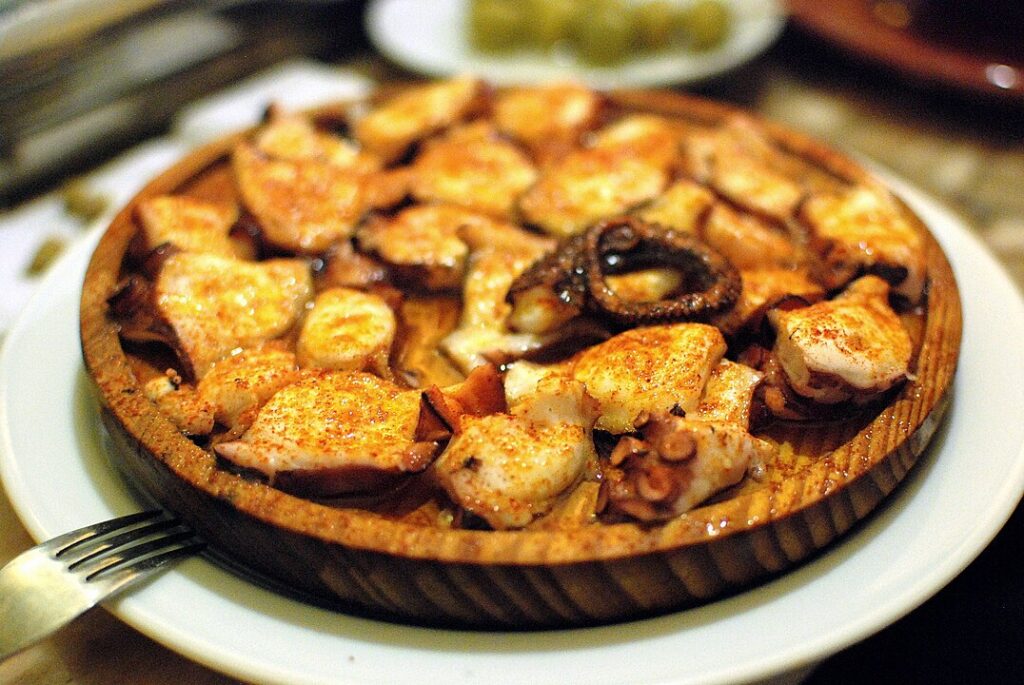
Octopus consumption has climbed sharply in countries like Spain, Japan and South Korea. Popular dishes such as galician style octopus and live sliced octopus in Seoul appear on menus everywhere, pushing demand beyond historical levels. This rising popularity is driven by both tradition and modern food trends that reward novelty and seafood variety.
The problem is that wild octopus populations cannot replenish quickly enough to match that appetite. Most species grow fast but live short lives, which makes them deceptively resilient. Yet intense harvest pressure removes animals before they can reproduce, creating hidden declines in places where monitoring is minimal or inconsistent.
5. They breed in ways that limit population recovery.
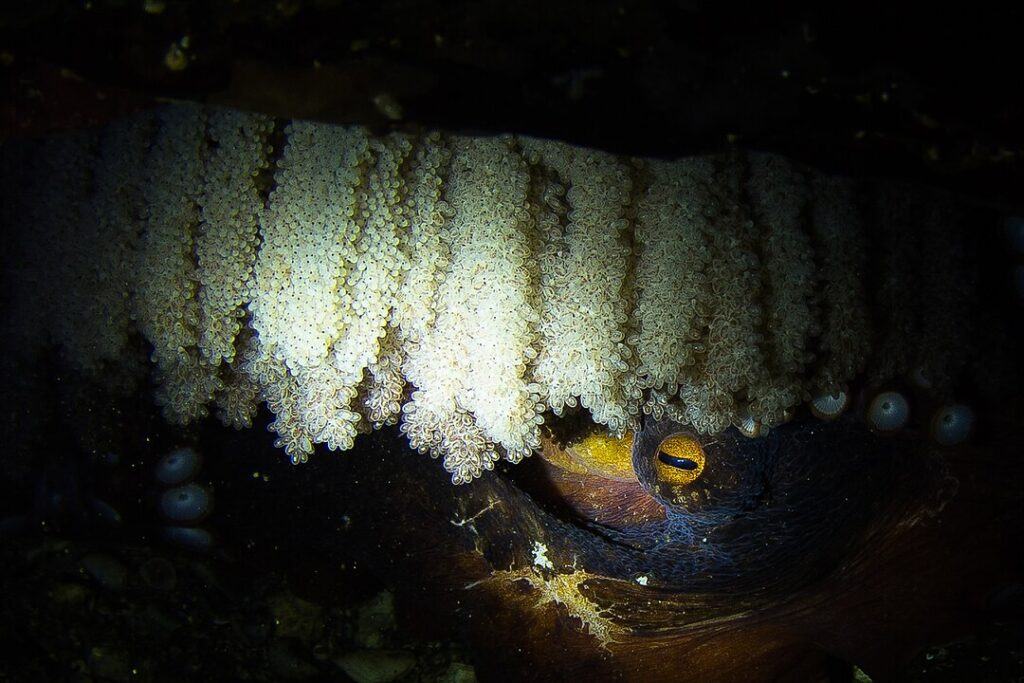
Many octopus species lay eggs only once in their lifetime. Females guard their nests until they die, investing every remaining bit of energy into protecting their offspring. If environmental disruptions or heavy fishing remove too many adults before reproduction, entire local populations can collapse silently.
This reproductive pattern is uncommon among harvested marine species and leaves octopuses unusually exposed to commercial pressure. Their life cycle offers no buffer, no long lived breeders to maintain stability. A single poor year can produce long lasting consequences felt across an entire coast.
6. Their solitary nature makes farming ethically complicated.
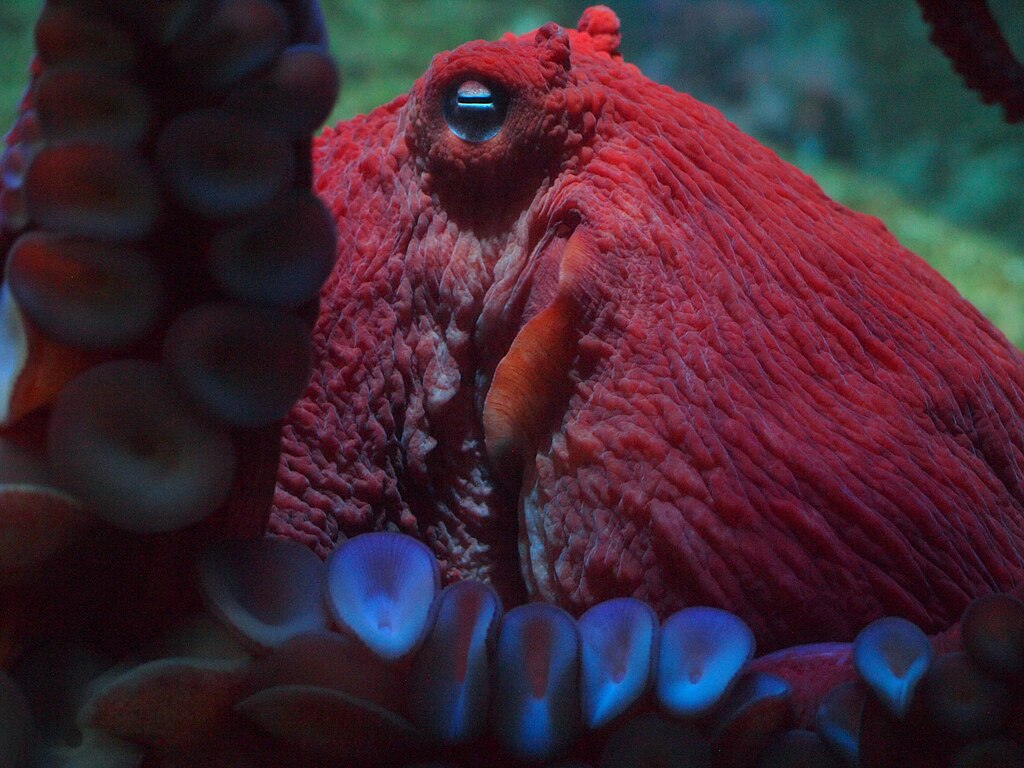
Unlike fish that thrive in schools, octopuses prefer solitude. In confined spaces, they often fight, cannibalize or retreat into stress driven behaviors. Attempts to design shared tanks require constant separation barriers and intensive monitoring that still fail to replicate natural conditions.
Such solitary tendencies should serve as a warning. They show that large scale farming is likely to cause suffering, injuries and erratic survival rates. The industry’s desire for efficiency collides with a species built for independence and behavioral freedom.
7. They escape enclosures with surprising creativity.
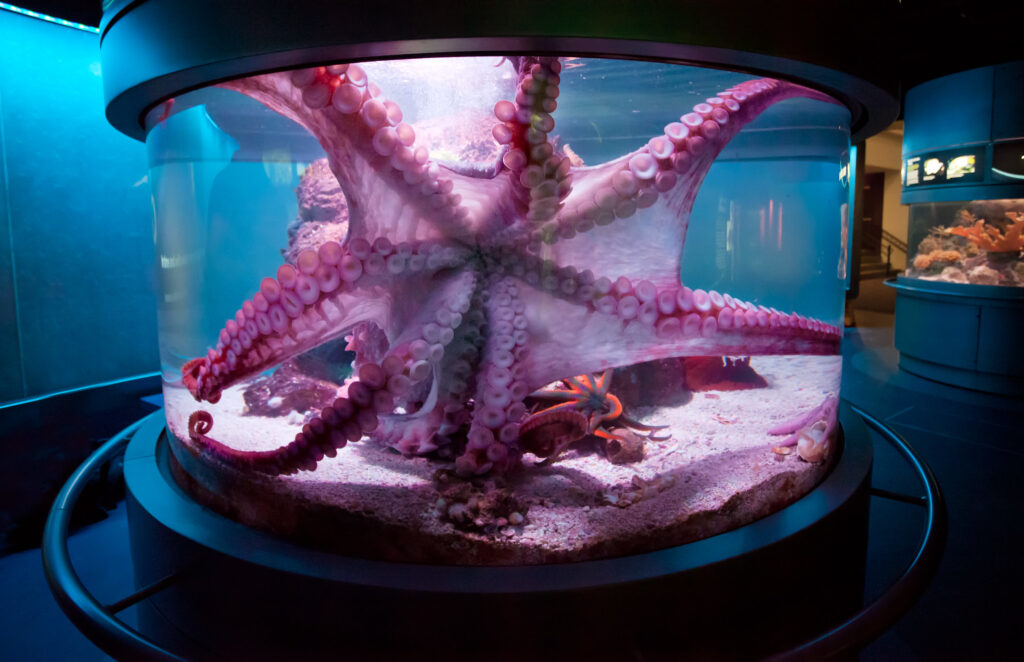
Aquariums routinely report octopuses slipping through openings the size of coins, unscrewing lids or crawling across floors to reach water elsewhere. These escapes are not rare incidents but consistent demonstrations of problem solving under pressure. Their agility and determination complicate any attempt to contain them safely for farming.
When confinement creates constant escape attempts, the animals exhaust themselves or injure their arms. Rather than adapting, they resist, signaling that their cognitive abilities make captivity fundamentally hostile to their nature. Their ingenuity becomes the very reason they struggle in human controlled environments.
8. Their short life spans make farming inefficient and harsh.
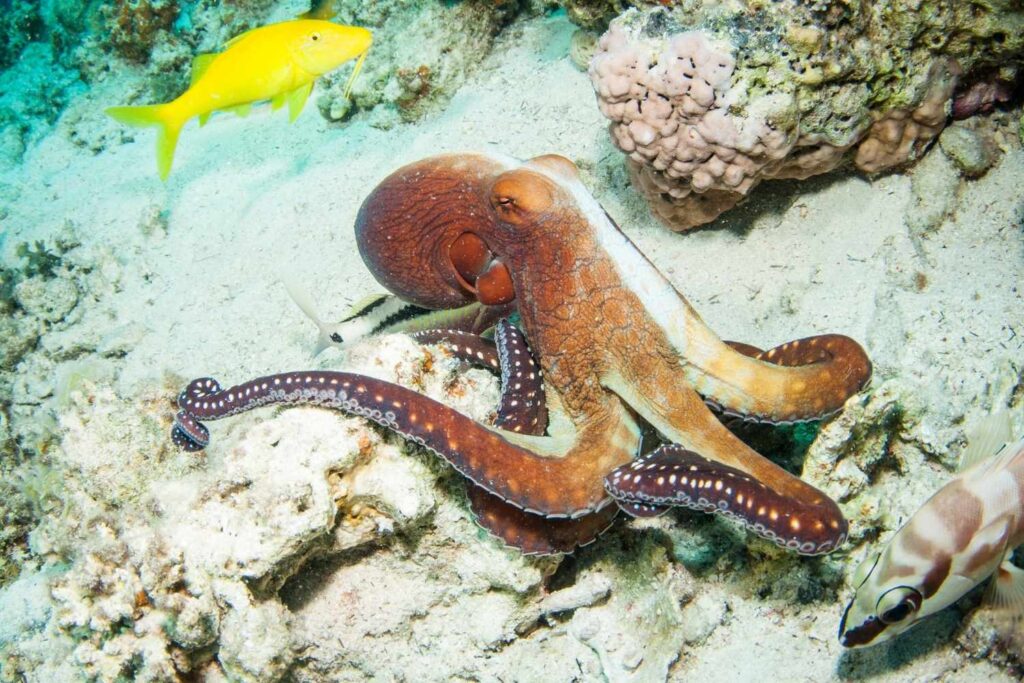
Most octopuses live only one to two years. This brief lifespan means rapid growth but also rapid decline, which disrupts predictable farming cycles. Any delays, disease outbreaks or environmental issues quickly destroy entire cohorts. This instability pushes farmers to use dense tanks and high turnover systems that increase stress.
Short lives also mean that every month of captivity represents a large portion of their existence. Conditions that might seem temporary or tolerable for long lived animals become significant for octopuses, reducing their already limited time to natural environments and meaningful behaviors.
9. They show cultural learning within some populations.
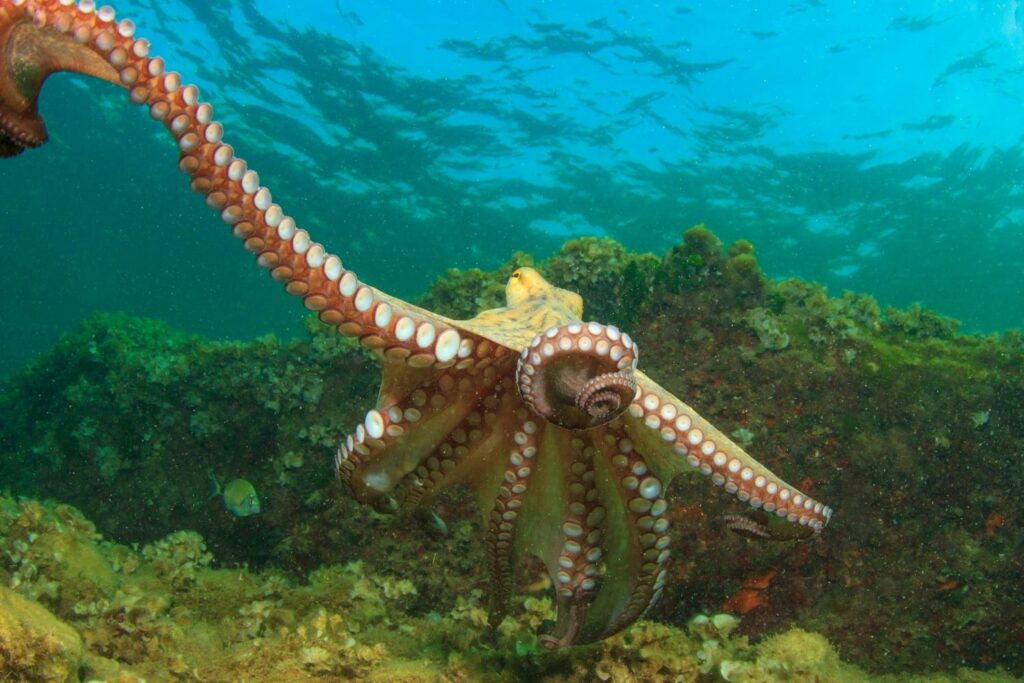
Certain octopus communities display shared hunting techniques or shelter strategies passed between individuals. This suggests that octopuses do not rely solely on instinct but on learning influenced by local conditions. Cultural behaviors are rare in marine invertebrates and demonstrate deeper social memory than once assumed.
Removing large numbers of individuals may erase these localized skills. When fisheries target specific areas repeatedly, they disrupt not only population size but behavioral knowledge that took generations to develop. The loss extends beyond individuals to the subtle intelligence shaping entire groups.
10. Their neural complexity amplifies ethical concerns in harvest practices.
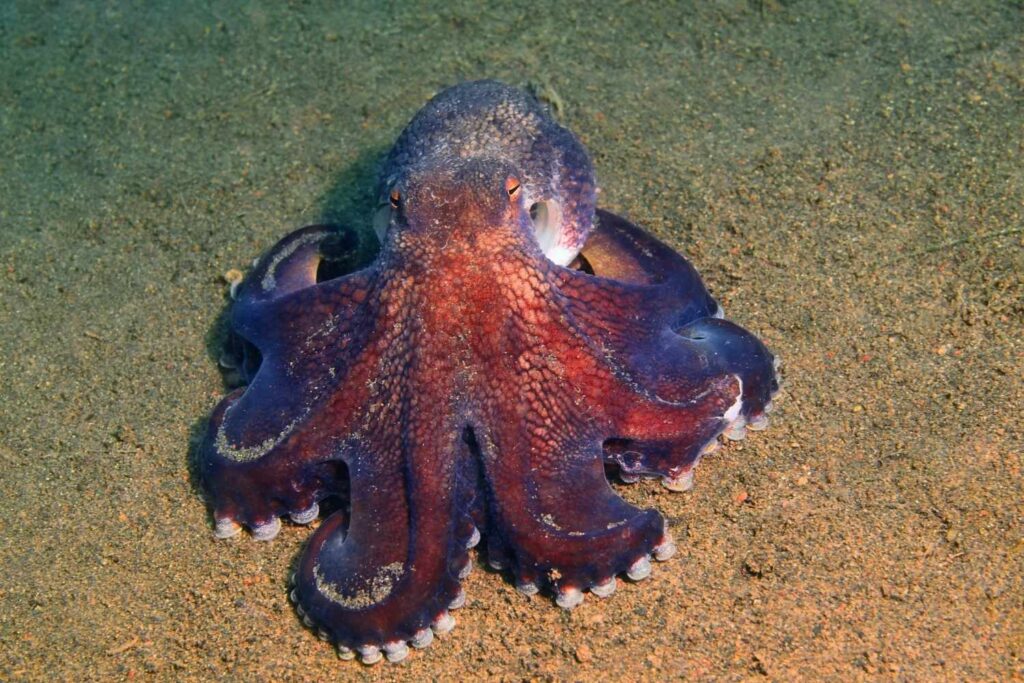
Octopuses possess a distributed nervous system with neurons concentrated in their arms, enabling semi independent processing. This architecture suggests that they experience the world in ways unlike most animals humans consume. Pain perception is multi layered and potentially more intense due to their neural sensitivity.
These traits raise difficult questions about how they are captured and killed. Current methods do not account for their cognitive depth or sensory experience. As understanding grows, the gap widens between what science reveals and what industry practices allow, making octopuses some of the most intelligent yet unprotected animals in global seafood markets.