
Common kitchen foods can threaten a cat’s health.
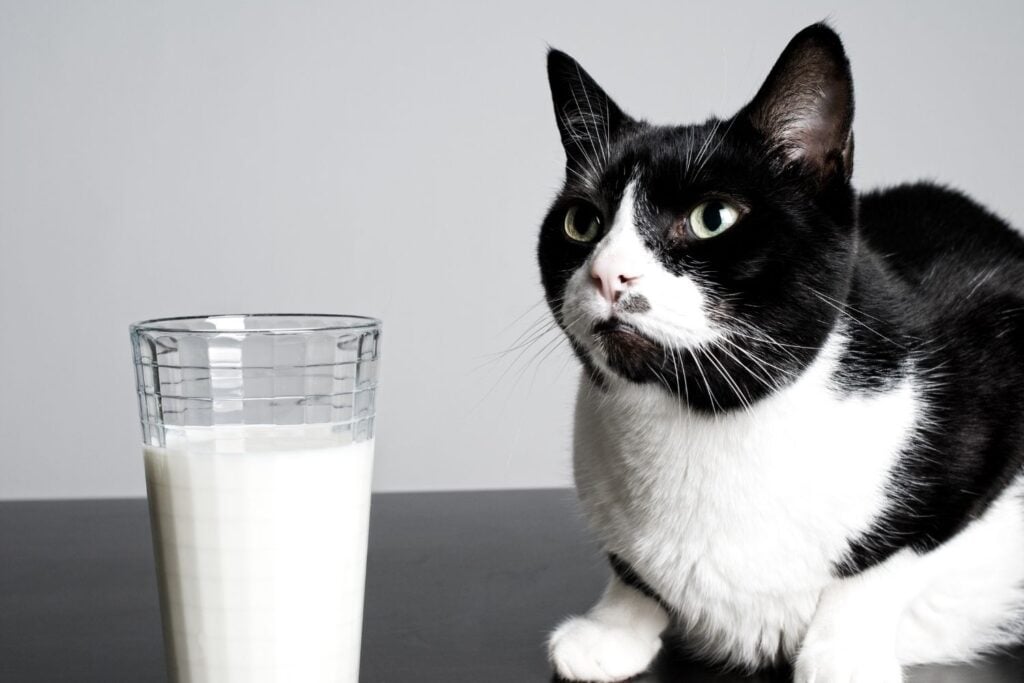
A kitchen can feel harmless to the people who move through it every day. For a cat, though, the same space hides dangers that rarely look threatening at first glance. A dropped crumb, a spilled drink or a forgotten ingredient on the counter can introduce substances their bodies are not built to handle. What makes these hazards unsettling is how ordinary they appear. Most belong to foods families eat without a second thought. Yet inside a cat’s metabolism, those same ingredients can trigger reactions that escalate far faster than anyone expects. The quiet curiosity that leads cats into kitchens sometimes places them far closer to danger than we realize.
1. Chocolate creates rapid toxicity inside a cat’s bloodstream.
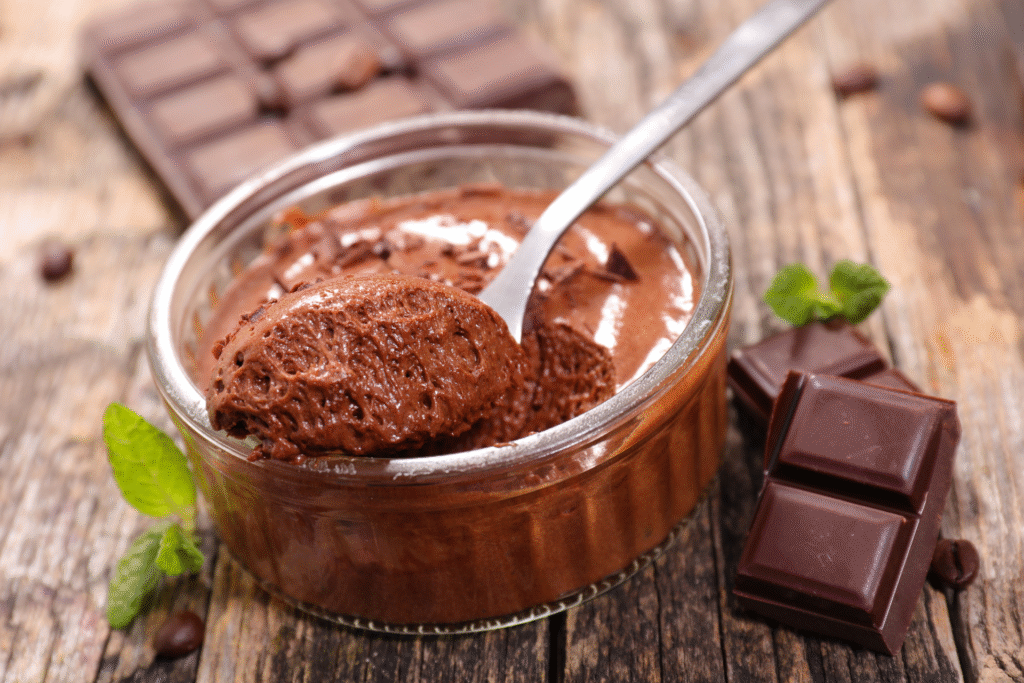
Chocolate contains stimulants that cats cannot break down, causing the compounds to accumulate quickly in the bloodstream. Even a tiny piece can trigger vomiting, agitation or tremors because their nervous system reacts sharply to the chemicals. Cats may lick crumbs from countertops or nibble dropped pieces, making accidental ingestion more likely than people expect. Once the stimulant reaches the heart, it escalates the danger by raising heart rate and disrupting normal rhythm.
As the toxin continues circulating, the body becomes overwhelmed. Seizures, collapse or cardiac distress may follow if the exposure is large enough. Dark chocolate and cocoa powder intensify the reaction because they contain higher levels of the harmful compounds. Cats do not sense the danger, leaving prevention fully in human hands. The speed of this reaction leads smoothly into the next food, which can cause equally serious harm without showing early clues.
2. Grapes and raisins silently damage a cat’s kidneys.
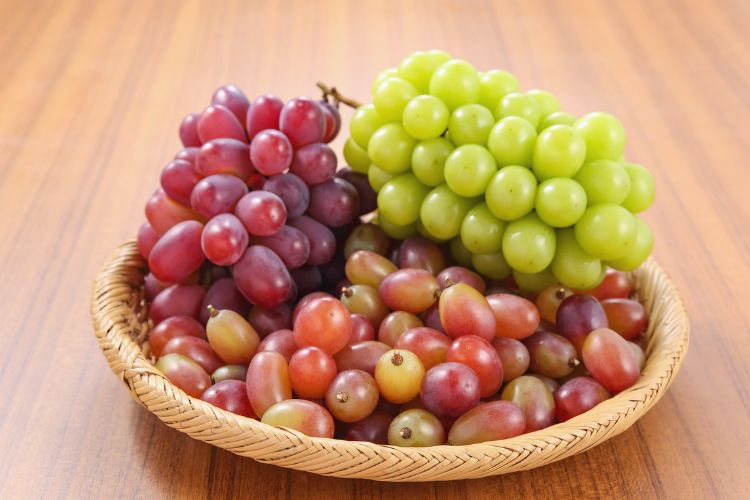
Grapes and raisins cause kidney injury in cats even when eaten in very small amounts. The reaction seems unpredictable, yet once it begins, the kidneys struggle to filter waste properly. Early signs often appear mild, such as slight lethargy or reduced interest in food. These subtle shifts may pass unnoticed, giving the toxin time to create deeper harm. Cats may ingest raisins from baked goods or lick grape juice without owners realizing the danger.
As kidney stress intensifies, vomiting, dehydration and abdominal discomfort start to appear. The kidneys lose efficiency, allowing toxins to build inside the bloodstream. Without treatment, the damage may progress to life threatening failure. The quiet escalation mirrors how sneaky many food toxins can be for cats. This leads directly into the next ingredient, which harms the body in a very different way.
3. Onions and garlic weaken red blood cells in harmful ways.
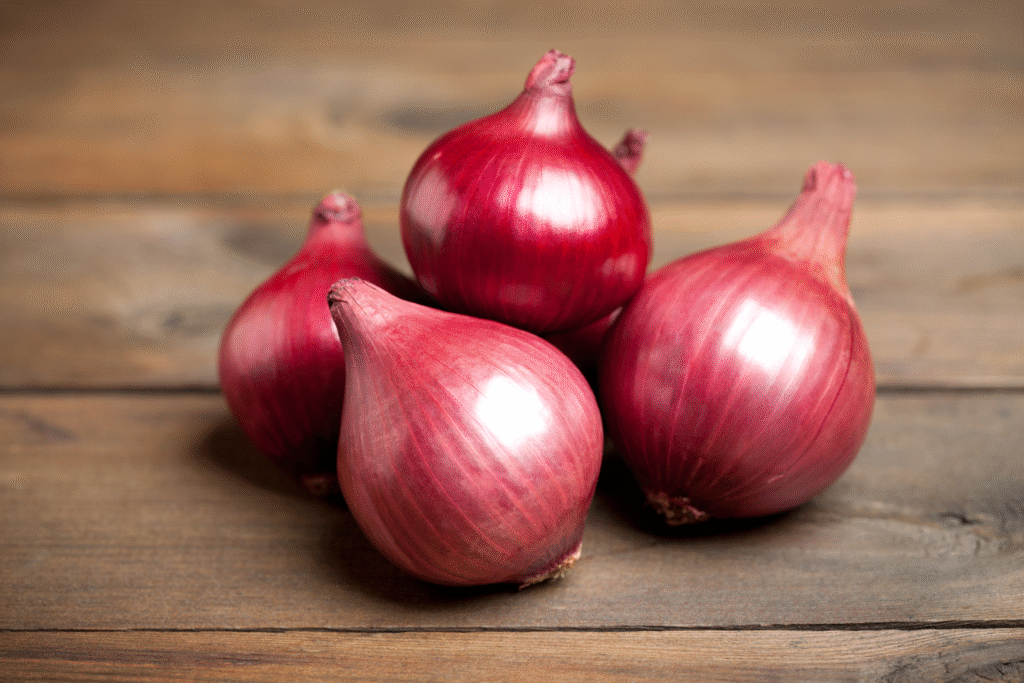
Onions and garlic contain compounds that damage red blood cells, making them unable to carry oxygen effectively. Cats may ingest them from seasoned meats, soups or small bits dropped on the floor. Early symptoms appear as fatigue or reduced activity because the cells start breaking down before the body can replace them. These vegetables sometimes hide in processed foods, increasing accidental exposure.
As more red blood cells deteriorate, breathing may become labored and gums may pale. The body attempts to compensate by working harder, putting strain on the circulatory system. This slow but steady breakdown can become serious if not addressed quickly. The way these foods affect oxygen transport creates a different kind of danger compared to direct organ toxicity, echoing a pattern seen in the next everyday ingredient.
4. Xylitol causes dangerous drops in a cat’s blood sugar.
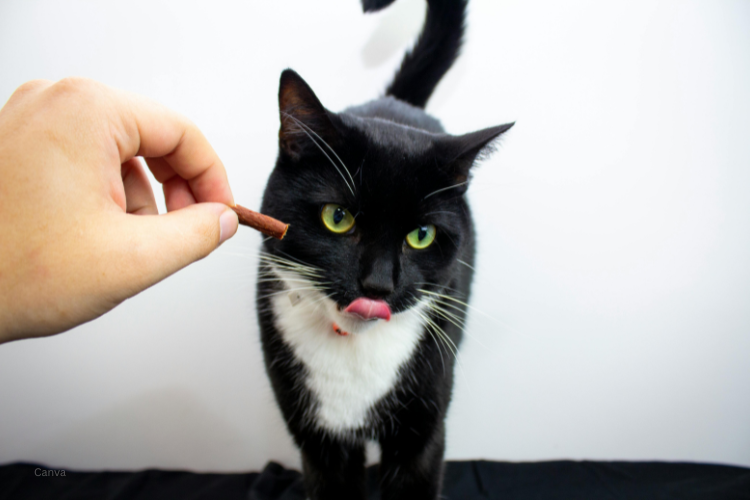
Xylitol, found in sugar free gum, candy and some nut butters, triggers a sudden insulin surge in cats. This surge pulls sugar out of the bloodstream so quickly that the cat becomes shaky or disoriented within minutes. Owners may not realize how toxic even a single lick can be because the ingredient looks harmless. Cats are especially vulnerable because their bodies react much faster than a human’s would.
As blood sugar drops further, seizures or collapse may occur. The liver also becomes stressed as it tries to manage the chemical imbalance. This rapid decline creates an urgent medical emergency. The intensity of this reaction highlights how everyday household items can become dangerous in seconds. The next food continues this theme of digestive and metabolic disruption.
5. High fat scraps overwhelm the pancreas and digestion.
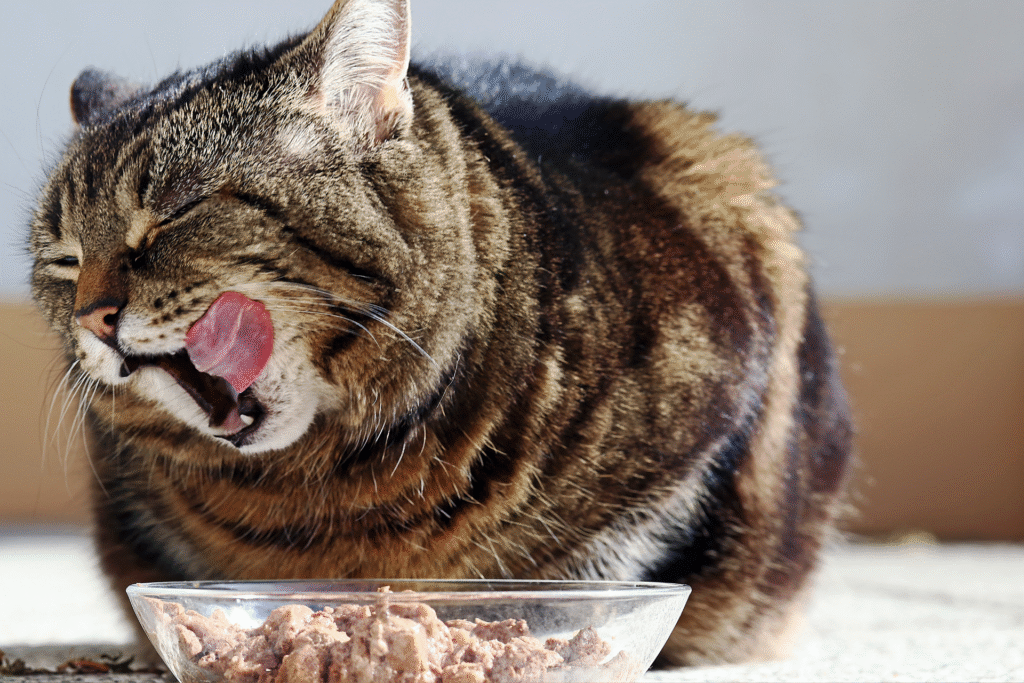
Rich leftovers like fried meats or buttery dishes place sudden pressure on a cat’s digestive system. Their bodies are not designed to handle heavy fat loads, which can inflame the pancreas. Early symptoms include vomiting, lethargy or reluctance to eat as the pancreas struggles to manage the sudden change. Owners often mistake these signs for mild stomach upset without realizing a more serious issue has begun.
As inflammation grows, pancreatitis becomes increasingly painful. Cats may hide, pace or avoid movement because the discomfort affects the entire abdomen. Digestion slows dramatically, complicating recovery and stressing multiple organs. Even small amounts of rich food can start this process, emphasizing how cautious families must be with leftovers. This digestive sensitivity connects naturally to the next type of household hazard.
6. Alcohol disrupts neurological and metabolic stability instantly.

Small amounts of alcohol, even a single lick from a spilled drink, can affect a cat’s coordination and breathing. Their small body size allows alcohol to enter the bloodstream rapidly, disrupting brain function almost immediately. Early signs include stumbling, drooling or unusual vocalizing. These symptoms reflect how quickly their system becomes overwhelmed.
As alcohol spreads, heart rate slows and body temperature may drop. Severe exposure can lead to respiratory failure or unconsciousness. Cats cannot metabolize alcohol safely under any circumstances, making every exposure potentially dangerous. This dramatic impact highlights how sensitive cats are to substances designed for human consumption. The next risk reveals an unexpected threat hiding in the kitchen.
7. Raw dough expands dangerously inside a cat’s stomach.
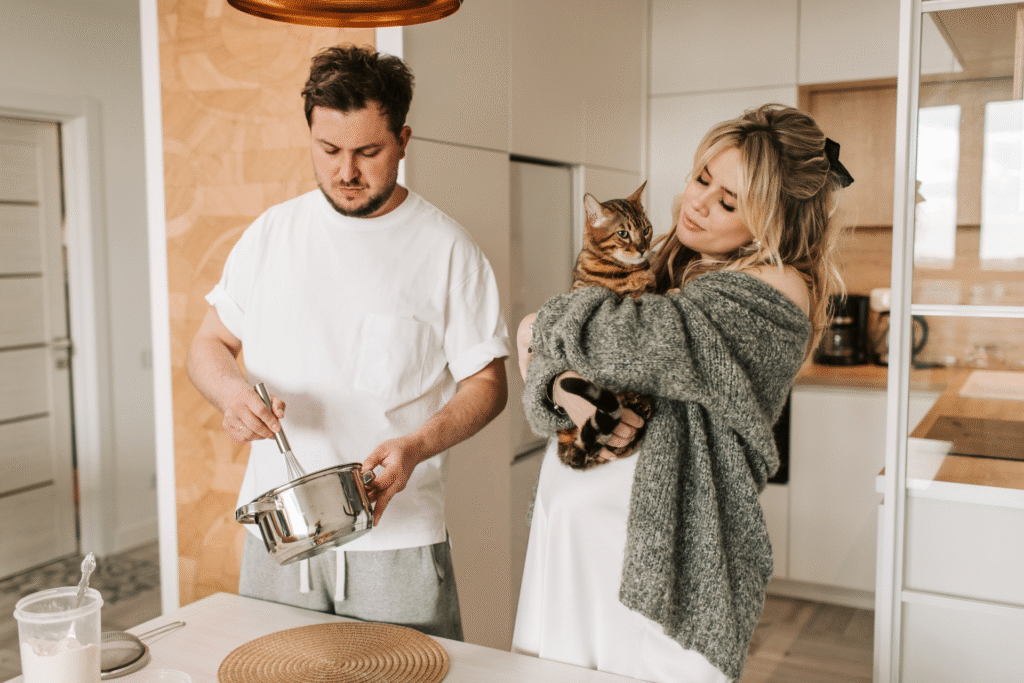
When raw bread dough enters a warm stomach, the yeast continues to rise and produce gas. This expansion causes painful bloating that interferes with breathing and digestion. Cats may act restless, drool or show signs of abdominal discomfort as the dough swells. The pressure can become intense enough to restrict blood flow.
Fermentation also produces alcohol, adding another toxic effect. This combination creates a severe medical emergency that progresses quickly. Intervention becomes essential to prevent further expansion. Raw dough demonstrates how something harmless during baking can become hazardous once inside a cat’s body. This theme of hidden danger continues with another common stimulant.
8. Caffeine overstimulates the heart and nervous system intensely.
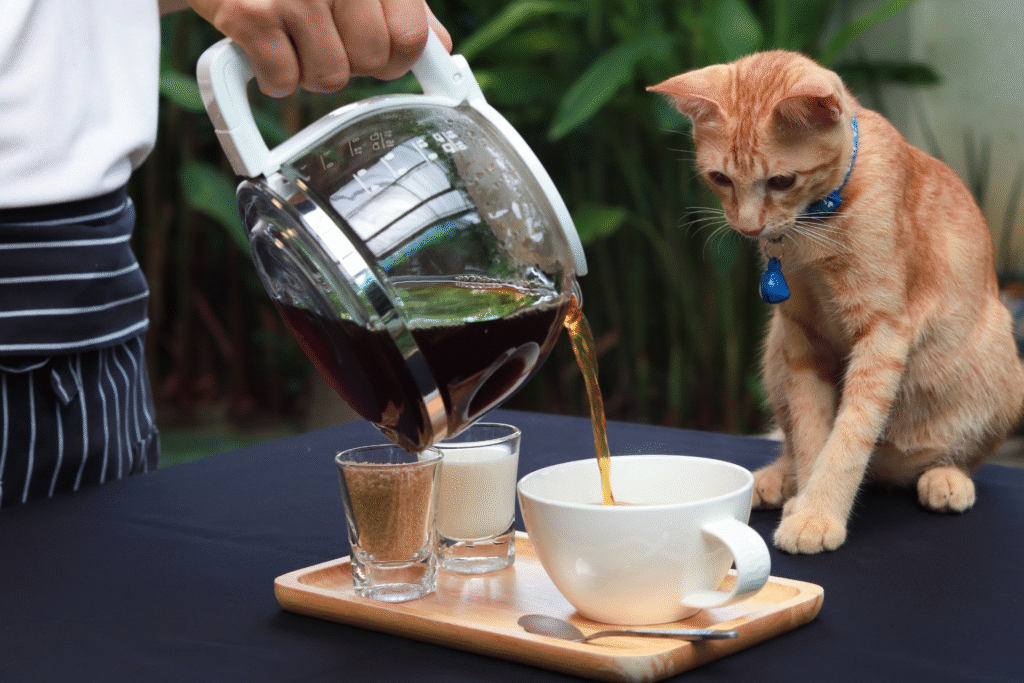
Caffeine from coffee, tea or energy drinks can cause rapid heart rate and agitation in cats. Their nervous system reacts strongly, creating restlessness or pacing shortly after ingestion. A curious cat might lick spilled liquid or chew a stray coffee bean, exposing itself without anyone noticing. These early signs reflect overstimulation spreading through the bloodstream.
As the stimulant builds, tremors, vomiting or rapid breathing may occur. The heart becomes strained as it attempts to stabilize itself against the chemical surge. Severe cases can lead to collapse if the body cannot adapt. Because caffeine hides in many household items, it remains an ongoing hazard. The pattern of irritation and toxicity continues with the next item.
9. Artificial seasonings irritate the stomach and intestines quickly.

Packaged foods often contain preservatives and spices that irritate a cat’s digestive tract. Even licking leftover seasoning from a plate can trigger vomiting or diarrhea. Their intestines react strongly to additives because their system evolved for simple proteins, not heavily flavored human meals. These reactions may seem sudden but stem from chemical sensitivity.
Repeated exposure intensifies the irritation, sometimes leading to dehydration or abdominal pain. Cats do not benefit from added flavor, so every exposure increases risk without providing value. The discomfort may take hours to appear, making the cause harder to identify. This leads smoothly into the final common food that creates frequent trouble for cats.
10. Dairy products trigger digestive distress in many adult cats.
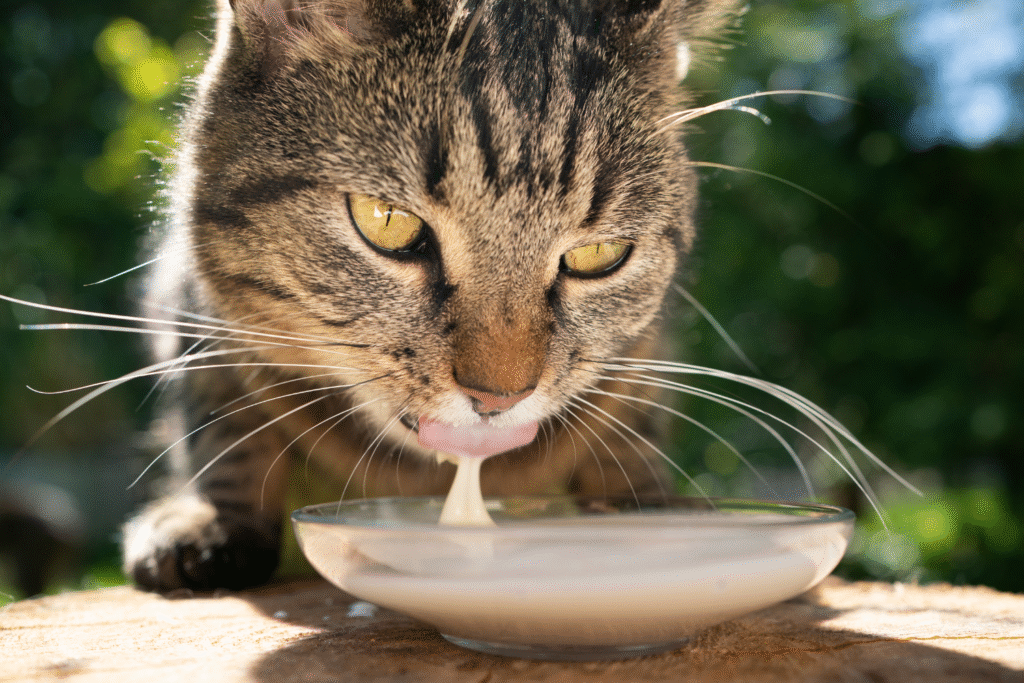
Adult cats often lack the enzyme needed to break down lactose. Milk, cheese or cream may cause bloating, gas or diarrhea after ingestion. Many families assume cats enjoy dairy because of familiar cultural depictions, yet their digestive systems respond poorly. Early signs of discomfort often appear subtle, which delays recognition.
As digestion struggles, hydration becomes an issue. Ongoing irritation weakens appetite and disrupts normal routine. The combination of discomfort and digestive upset creates unnecessary stress for the cat. Avoiding dairy altogether keeps their digestive system stable and prevents recurring issues. This final example reinforces how foods that seem harmless can quietly create significant harm for cats.