
A gentle giant leaves a remarkable legacy.
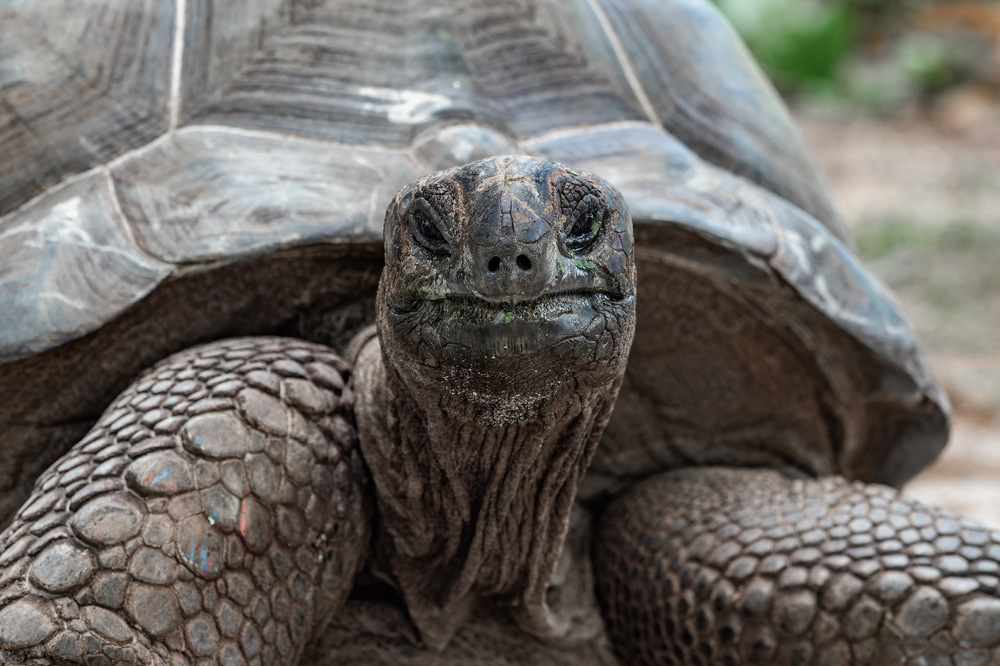
Gramma, the 141 year old Galápagos tortoise who spent more than five decades at the San Diego Zoo, died in late November 2025 after age related bone deterioration. Her presence offered researchers an unusual chance to observe extreme reptile longevity in real time. Her long life created a bridge between early twentieth century natural history efforts and modern conservation science, giving her story both emotional and scientific weight.
1. Gramma lived her final years under intensive monitoring.

Veterinarians tracked her mobility changes and bone health throughout 2025, and the shift became especially clear during autumn evaluations, as reported by the Los Angeles Times. Her care team noticed that her movements slowed in a way that signaled irreversible age related deterioration. Their ongoing assessments allowed them to make decisions focused on comfort rather than intervention, which shaped her final months with intentional gentleness.
Her last weeks reflected that steady attention. Staff provided carefully adjusted habitat conditions and monitored her feeding patterns while maintaining routines she recognized. Those familiar details helped stabilize her as her strength declined, creating an environment that respected both her age and her long history at the zoo.
2. Her lifespan placed her among the oldest documented tortoises.

Gramma’s estimated age of 141 years made her one of the oldest known Galápagos tortoises in captivity according to ABC News, which highlighted her rare longevity following her death. That age estimate came from a combination of early records and institutional tracking throughout her decades of care. It placed her in a distinguished group of long lived individuals whose biology continues to inform scientific discussion about reptile aging.
The significance of her age became clearer as researchers compared her history with those of other well studied tortoises. Each data point added to her file helped refine understanding of growth patterns, skeletal wear and metabolic stability in advanced old age. Her extended life created a natural archive of information that will remain useful long after her passing.
3. Her death resulted from progressive bone decline.

Veterinarians identified severe shell and bone degeneration that steadily worsened during the year, as stated by NBC News in their coverage of her euthanasia. The condition reduced her ability to move comfortably, and every treatment option focused on minimizing discomfort rather than extending decline. By late November, her care team concluded that continued treatment would no longer support her quality of life.
The decision reflected years of medical observation. Her caretakers had monitored subtle structural changes for a long time, and the pattern pointed to irreversible aging rather than disease. That clarity allowed them to choose an ending grounded in compassion while preserving the dignity she carried throughout her life at the zoo.
4. She became a central figure in conservation education.

Visitors often learned about Galápagos tortoise biology through stories shaped around her calm routines. Her long tenure made her an anchor for school groups, researchers and families who returned year after year. That presence turned complicated ecological concepts into something easier to grasp because she embodied the time scale these tortoises require for survival.
Many educators described how she helped translate slow moving evolutionary history into something that felt more personal. Her steady habits demonstrated the patience needed to protect species that live far longer than the average human lifespan. That impact extended beyond her enclosure, influencing how people thought about long term conservation planning.
5. Her arrival at the San Diego Zoo marked a turning point.

Gramma was transferred to the zoo in the early 1960s, a period when captive breeding strategies were still developing. Her presence offered researchers a stable individual to observe during the formation of modern husbandry techniques. Over the years, improvements in diet, substrate and mobility space were tested with her needs in mind, and those changes shaped broader reptile care standards.
Her early years there helped staff learn how to manage the unique demands of aging tortoises. Small adjustments in habitat layout or feeding routines produced noticeable effects, and those observations influenced practices used with younger animals. Her longevity magnified the value of each adjustment.
6. Gramma’s calm temperament helped build cross generational familiarity.
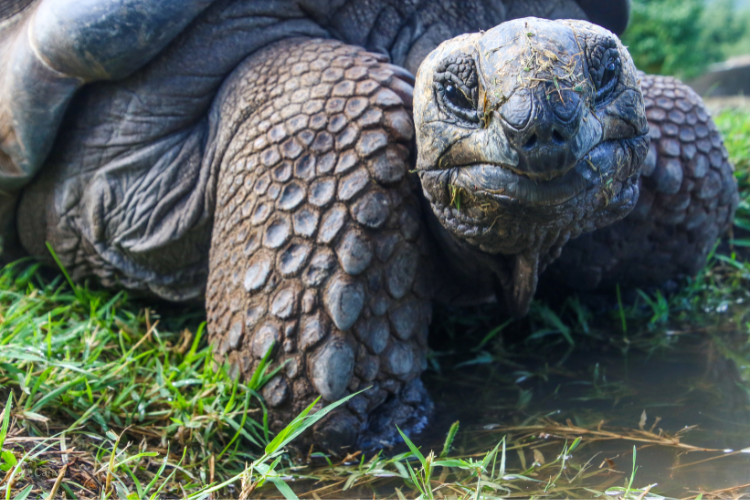
She interacted with several generations of keepers, many of whom described her patterns with striking consistency. That predictability created a sense of connection that lasted long after a staff member moved to a new role. Her gentle reactions during routine care made her approachable while still reminding people of her immense age and biological importance.
Those interactions shaped institutional memory. Stories about her became a kind of informal training material for new staff, helping them recognize how tortoise behavior reflects subtle changes in health. Her presence became both practical and symbolic in daily operations.
7. Her lifespan offered data valuable to longevity research.
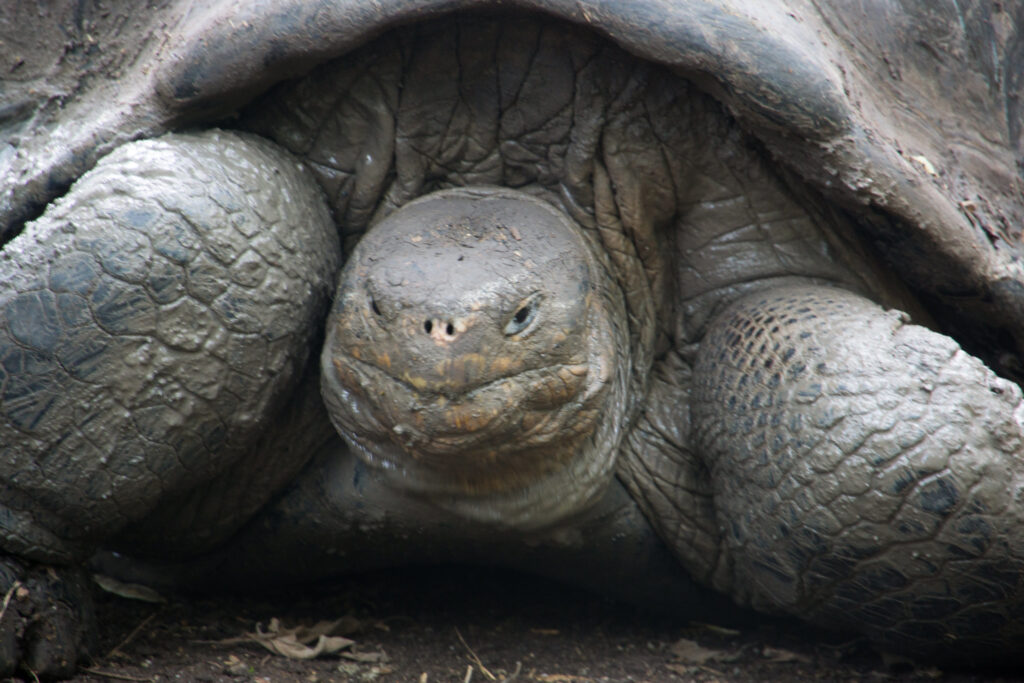
Scientists studying aging often look to tortoises because their extended lives reveal patterns not visible in shorter lived species. Gramma’s records provided rare insight into how skeletal stress accumulates and how metabolism shifts in later life. Her stable environment allowed those patterns to be observed without the complications that wild variables would introduce.
Her medical logs, habitat notes and behavioral records now contribute to broader comparative studies. Researchers examining genetic markers associated with long life may draw on her data as reference material, especially in projects that compare lifespan strategies across reptile species. Her history will continue shaping scientific conversations.
8. She represented a lineage shaped by geological isolation.
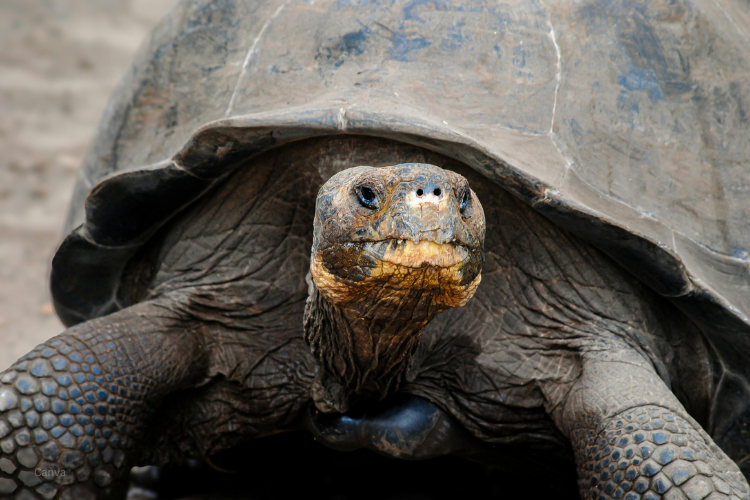
Galápagos tortoises evolved on islands where slow growth and extreme longevity became evolutionary advantages. Gramma’s life offered a close up example of what those adaptations look like over more than a century. Her large frame, slow metabolic rhythm and gradual aging reflected the selective pressures that shaped her species across thousands of years.
Her presence also highlighted the fragility of that lineage. Habitat disruption, invasive species and poaching once placed many tortoise populations at risk. By embodying the resilience of her species, she helped maintain public awareness of ongoing restoration efforts in the islands.
9. Her routine emphasized the value of environmental stability.
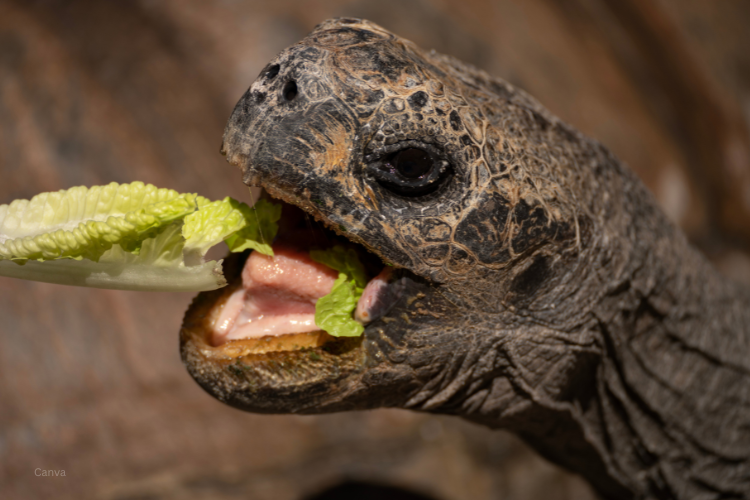
Tortoises depend heavily on predictable space, consistent temperatures and steady access to food. Gramma demonstrated how such stability supports extreme longevity. Caretakers regularly noted how even subtle environmental shifts influenced her behavior, which reinforced how sensitive long lived reptiles can be to habitat change.
Those observations helped refine habitat design for other aging reptiles. Adjustments made for her comfort often led to similar improvements elsewhere in the facility. Her needs shaped a more nuanced understanding of how to care for animals whose lifespans span multiple human generations.
10. Her legacy now extends into future conservation efforts.
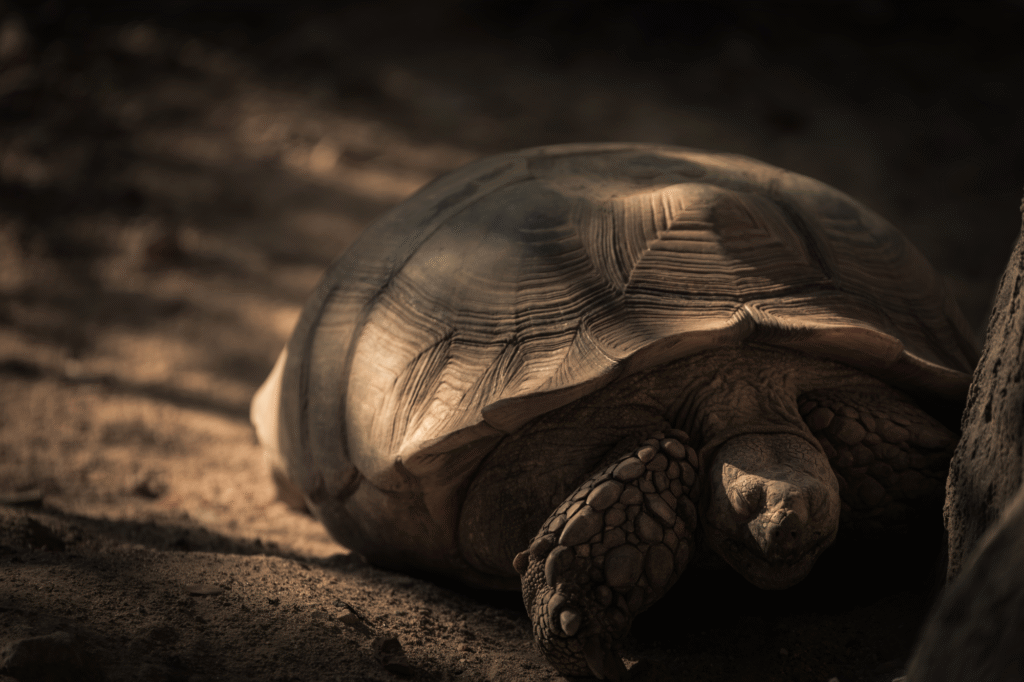
The San Diego Zoo plans to integrate her history into educational programs that highlight reptile longevity and ecosystem restoration. Her story offers a concrete example of how sustained care influences survival for species that require long time horizons. Future tortoise studies will likely reference her data when examining life expectancy trends and age related health decline.
The memory of her calm presence and long life remains woven into the scientific and public narrative. Her contribution to understanding aging in reptiles continues forward, even as her enclosure now stands quiet for the first time in decades.