
A genetic void long hidden begins to take shape.

At first, it appeared as a gap, something small, almost easy to overlook among thousands of genetic markers. But as more samples were analyzed, the absence grew harder to explain. A lineage that had persisted for generations simply stopped, leaving no continuation in the people who came after. There was no gradual decline, no blending into neighboring groups, no sign of movement elsewhere. It ended abruptly, within a narrow span of time. Now, as researchers align genetic data with historical timelines, a more unsettling picture is taking shape, one where an entire line of ancestry disappears in the wake of forces that arrived suddenly and changed everything.
1. Genome sequencing revealed a lineage with no survivors.

Researchers examining mitochondrial DNA from sites in coastal Alaska found a maternal line that persisted for thousands of years, then vanished shortly after the sixteenth century. The pattern held across multiple burials and grew more alarming as the samples accumulated, according to Nature. The sudden drop-off created a stark genetic divide between pre contact and post contact individuals.
The disappearance happened too quickly to be explained by migration or cultural change. This lineage had been stable through climatic shifts and regional movements, yet it collapsed within a single historical window. Sequencing showed that no later populations carried these markers, suggesting the group did not survive the epidemics arriving from Europe.
2. Burial grounds documented an abrupt demographic silence.
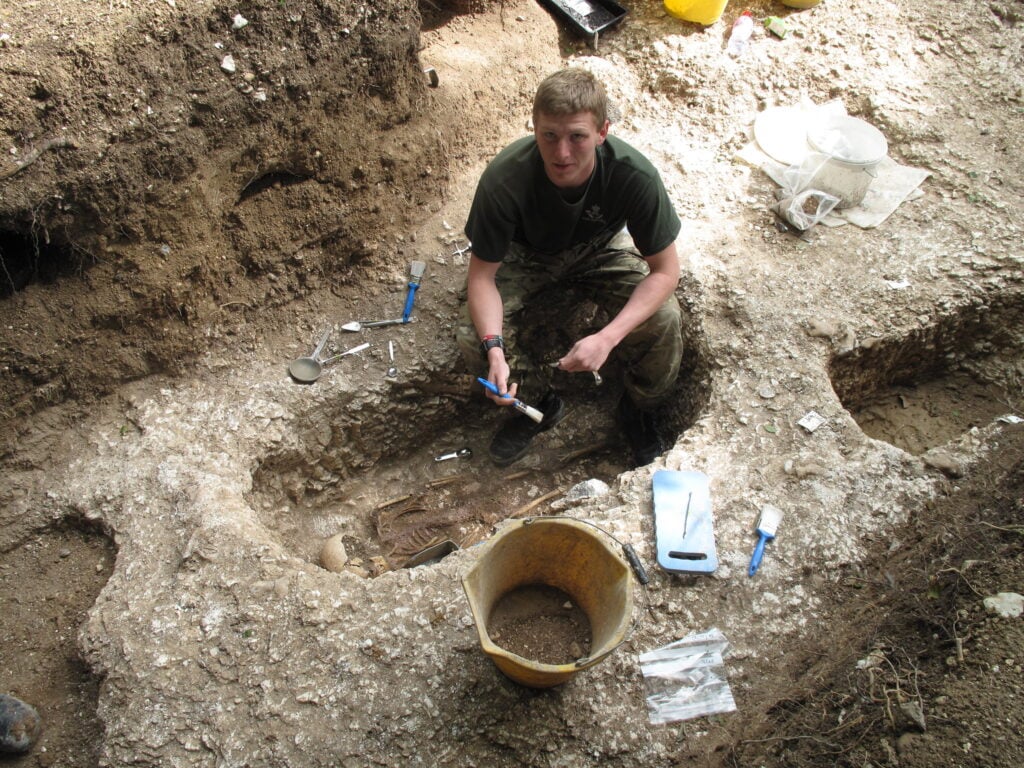
Excavations in what is now coastal British Columbia uncovered remains linked to a distinct genetic branch that failed to appear in later burials. The absence widened with each new excavation, and anthropologists noted the lack of any descendant populations carrying its markers, as reported by Science. The sharp cutoff aligned closely with historical accounts of early disease outbreaks.
These findings suggested a collapse so severe that entire family lines ended within a generation. The burial sites showed continuity for centuries before the break. Once epidemics swept the region, the genetic thread simply stopped. Comparing early and late skeletal remains revealed a demographic cliff too steep to attribute to ordinary population turnover.
3. Viral DNA evidence traced the timing with precision.
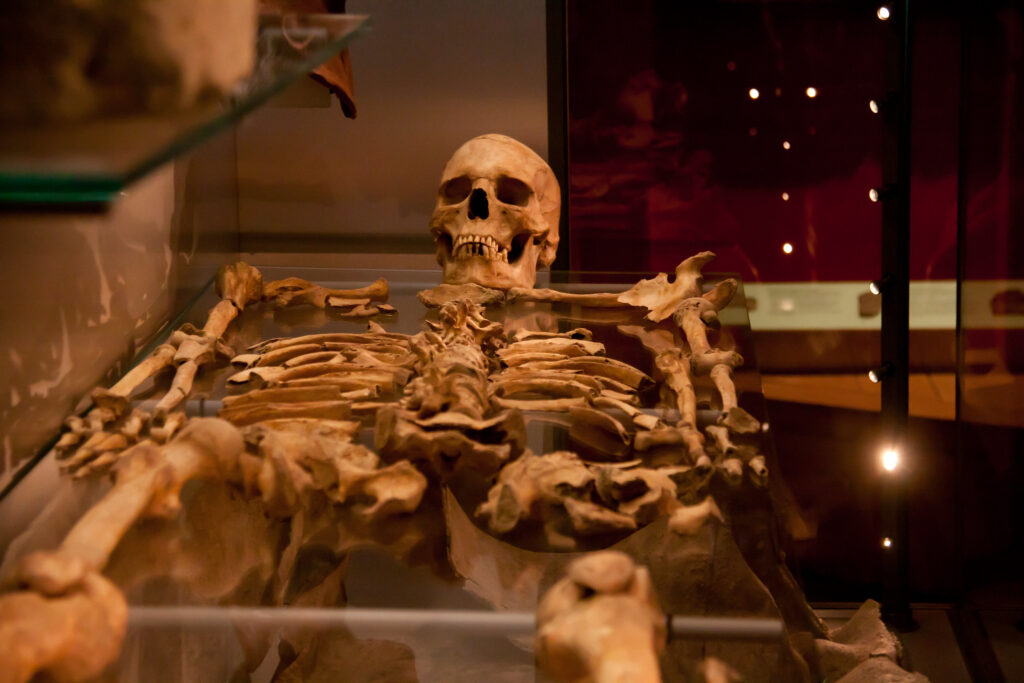
Scientists analyzing seventeenth century remains from neighboring regions found traces of pathogens linked to introduced diseases. Earlier remains were free of these signatures, confirming a clear biological boundary that matched the disappearance of the lost lineage, as discovered by the Max Planck Institute. The presence of these viral fragments acted like timestamps embedded in the skeletons.
By pairing pathogen signatures with genetic lineage patterns, researchers pinned the collapse to the first century of contact. The absence of the maternal line in individuals carrying viral markers pointed to a population uniquely affected by the earliest and deadliest waves of disease. This alignment offered direct molecular evidence that the lineage fell during the epidemic surge.
4. Abandoned settlements revealed a sudden and silent exit.
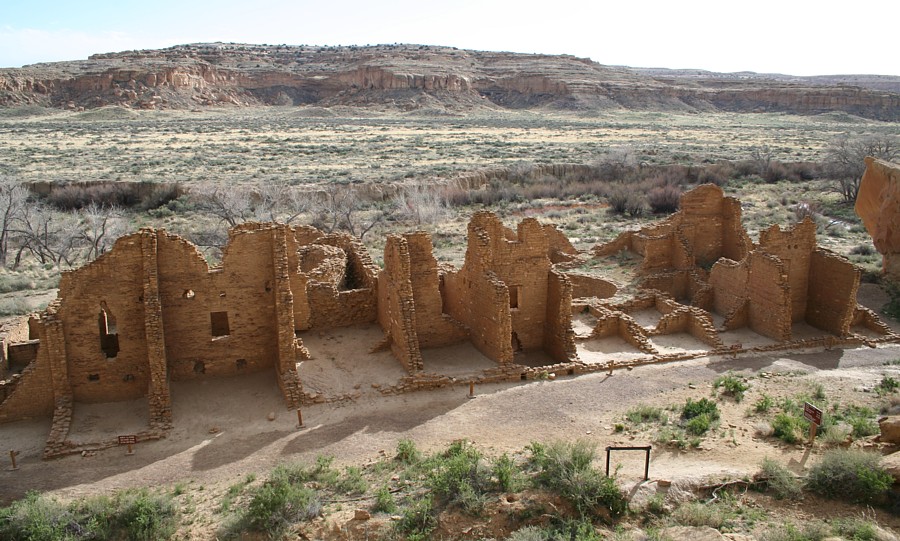
Several coastal villages showed evidence of rapid abandonment. Food storage pits were left full, tools lay scattered mid use and household structures remained intact, suggesting a departure too sudden for relocation planning. Archaeologists found no signs of conflict or forced displacement, only a quiet halt in activity. The distribution of these ghost settlements overlapped closely with the genetic absence researchers were mapping.
The sites resembled snapshots of life interrupted rather than communities that gradually declined. Layers that should have shown later occupation were empty. When placed alongside the genetic data, the archaeological silence intensified the sense of an abrupt demographic event that emptied entire regions quickly and completely.
5. Climate records ruled out environmental catastrophe.
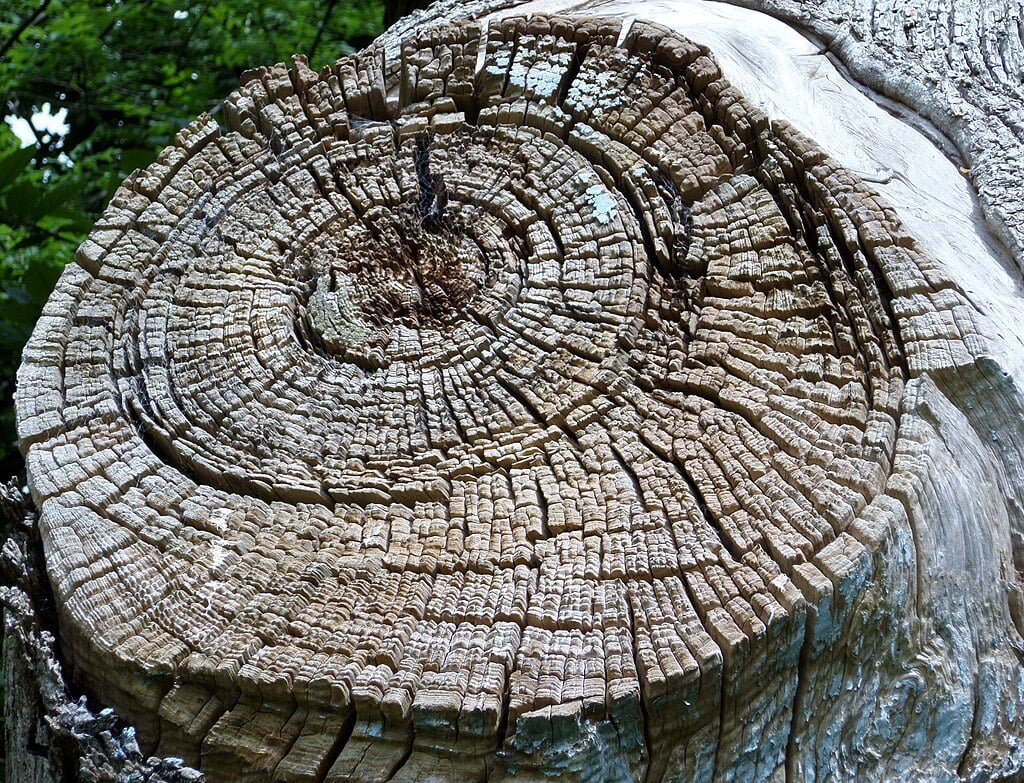
Sediment cores and tree ring records from affected regions revealed no major droughts, crop failures or cooling periods that could have caused population collapse. Food availability remained stable, challenging theories that environmental stress forced these communities to disperse. Instead, climate data pointed to conditions compatible with long term habitation.
With environmental explanations ruled out, disease emerged as the only force capable of collapsing a population so quickly. The lineage did not fade through resource shortages or gradual stress. It vanished at a pace only epidemic mortality could account for, reinforcing the convergence of genetic and archaeological evidence.
6. Children’s remains marked the fastest disappearance.

Juvenile burials from the pre contact period commonly carried the vanished genetic markers, but children from the seventeenth century no longer displayed them. This age specific drop suggested disease struck the youngest members with devastating speed. As mortality among children rose, the lineage lost the very individuals who would have carried it forward.
The absence of these markers in later juvenile remains intensified the demographic cliff. Children normally anchor genetic continuity across generations. When their representation collapses, it signifies a population hit so hard it cannot regenerate. This pattern strongly supported a rapid epidemic driven extinction of the lineage.
7. Surviving groups showed severe genetic bottlenecks.

Neighboring communities that endured the epidemics displayed compressed genetic diversity afterward. Their genomes hinted at survival through small remnant populations. In contrast, the vanished lineage showed no post epidemic bottleneck, only a clean endpoint. This difference allowed researchers to identify which groups survived and which disappeared entirely.
Comparing the genetic maps made the contrast sharper. Surviving populations carried reduced but traceable ancestral lines into the future. The missing lineage left no such continuation. This imbalance revealed how unevenly the first wave of disease cut across the continent and how completely it erased some groups.
8. Cultural traditions stopped abruptly alongside the lineage.
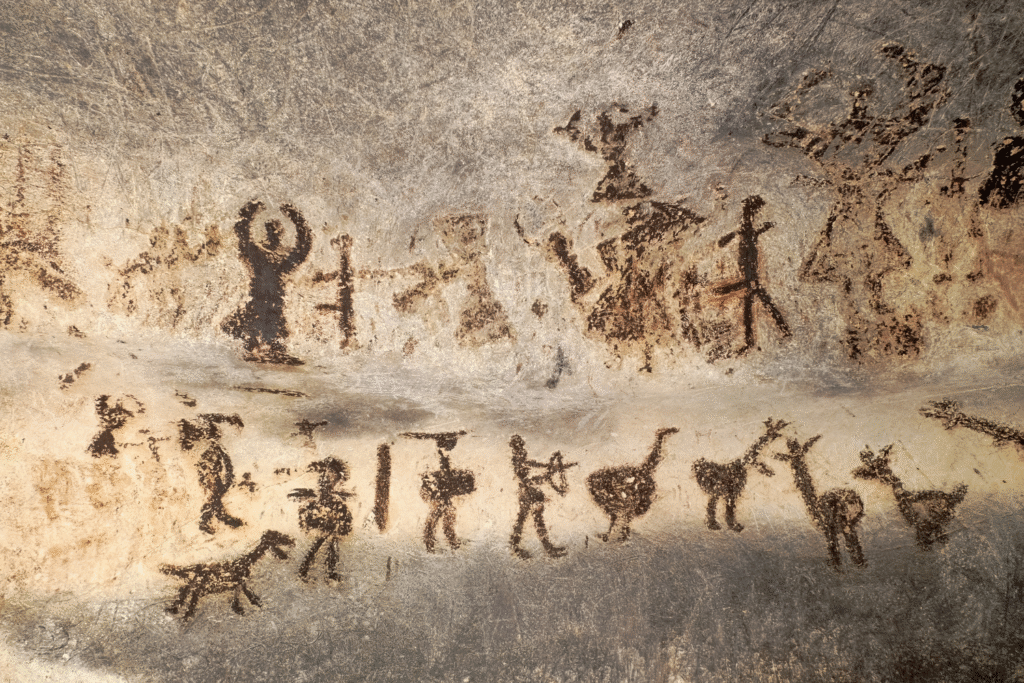
Artifacts associated with the lost lineage, including textile patterns and specific carving styles, vanished in the same centuries as the genetic markers. Archaeologists tracking these cultural signatures found no later iterations, no gradual fading and no adopted versions appearing in neighboring groups. The cultural silence echoed the genetic one.
The absence of continued craftsmanship suggested the loss of artisans, elders and knowledge keepers who would have passed traditions forward. Cultural disappearance alongside genetic disappearance painted a fuller picture: an entire community network dissolved in the wake of epidemic mortality, leaving no lived continuity behind.
9. Oral histories preserved fragmented memories of the collapse.
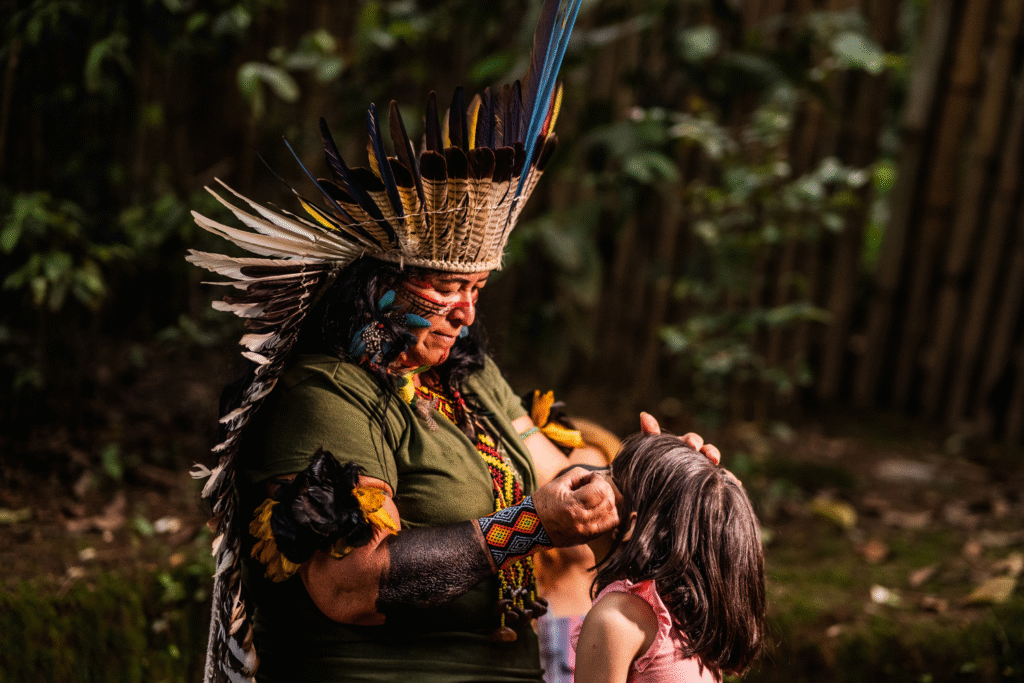
Indigenous communities across Alaska and the Pacific Northwest maintain stories of villages emptied by sudden illness, entire families lost and survivors forced to join neighboring groups. These accounts rarely name specific lineages but describe trauma consistent with the timelines emerging from DNA analysis. Elders recount periods when illness swept so quickly that entire settlements fell silent.
When researchers compared these narratives with genetic and archaeological boundaries, the alignment strengthened the interpretive picture. Oral tradition captured emotional truths that scientific evidence later quantified, offering a human dimension to the disappearance that data alone could not express.
10. Later migrations filled the empty spaces left behind.

Post epidemic populations expanded into vacated territories, creating new mixtures of culture and ancestry. Genetic analysis shows these later groups carried their own markers but none from the vanished lineage. The demographic vacuum drew survivors from multiple directions, reshaping population patterns across the region.
As researchers map these movements, they see how one extinction rippled through centuries. The disappearance of a single lineage influenced settlement patterns, cultural exchange and the structure of descendant communities. Its silence remains visible in the genetic landscape, a lasting imprint of a moment when disease reshaped the continent’s human history.