
A companionship preserved in silence across seven millennia.
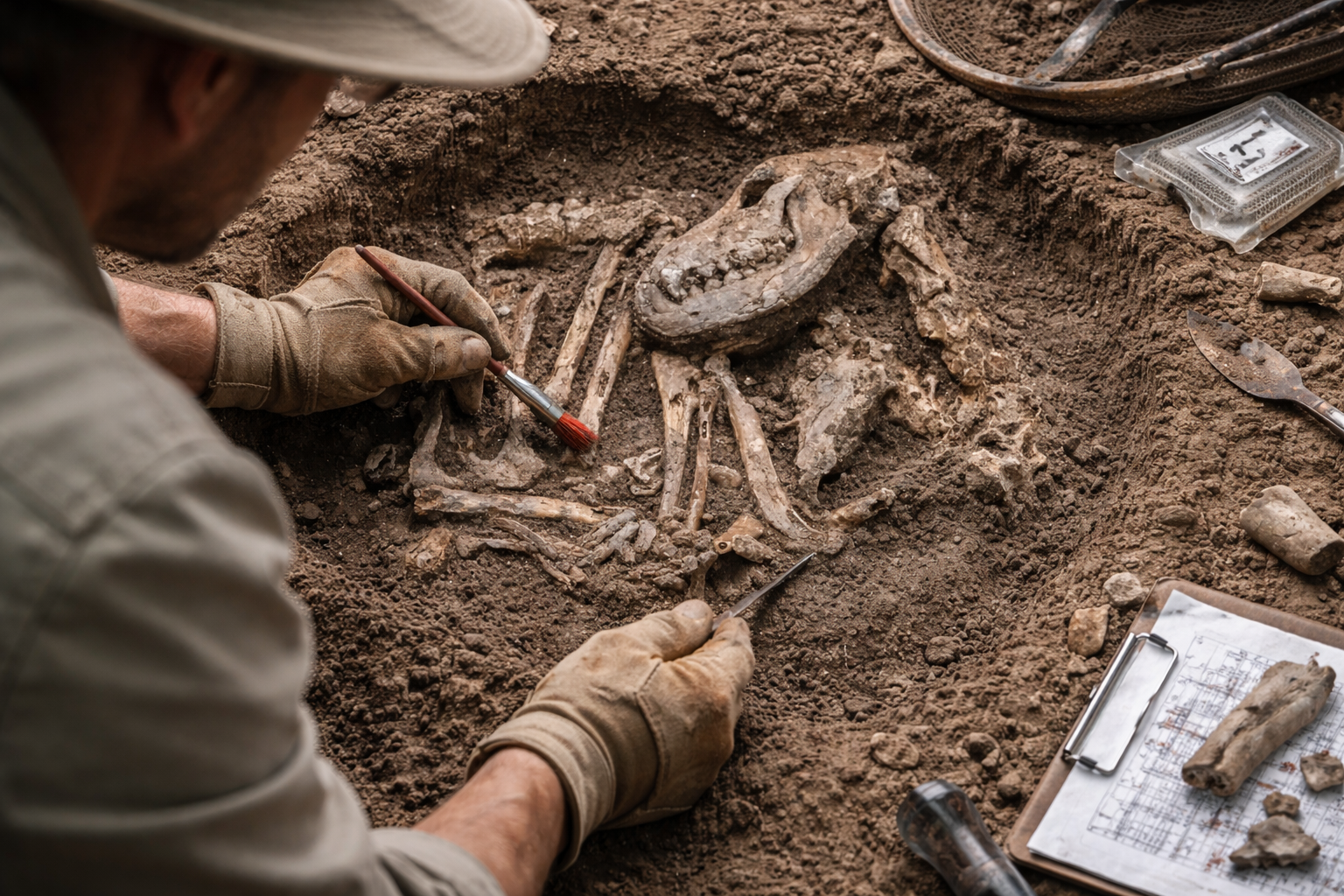
At first, it looked like just another burial, another outline in the soil waiting to be documented and cataloged. But the longer researchers studied the shape, the harder it became to explain it away as ordinary. There was a stillness to it, a kind of intention that felt unmistakable even after thousands of years. This was not disposal, not convenience, not accident. Something about the way the body had been placed suggested pause, recognition, even care. As details came into focus, the discovery began to press against a deeper question, one that feels surprisingly modern, about when grief first took hold between humans and the animals beside them.
1. The careful placement revealed intentional mourning.

Archaeologists excavating the Koster Site in the Illinois River Valley found the dog resting on its side with limbs gently folded and the spine arranged as if in sleep. Soil compression around the body showed the grave had been filled slowly and deliberately, a pattern seen in human burials from the same occupation layer, according to Smithsonian Magazine. Nothing suggested hurried disposal. It looked like a moment of care.
The posture echoed the burial positions of early people living at the site, revealing a practice extended beyond their own species. This was not a functional act but a meaningful one, showing that the community recognized the dog’s death as significant. The alignment of the body and the quiet precision of the grave suggested a farewell shaped by emotion. Even after seven millennia, the arrangement preserved that moment with striking clarity.
2. Artifacts surrounding the grave signaled ritual intent.
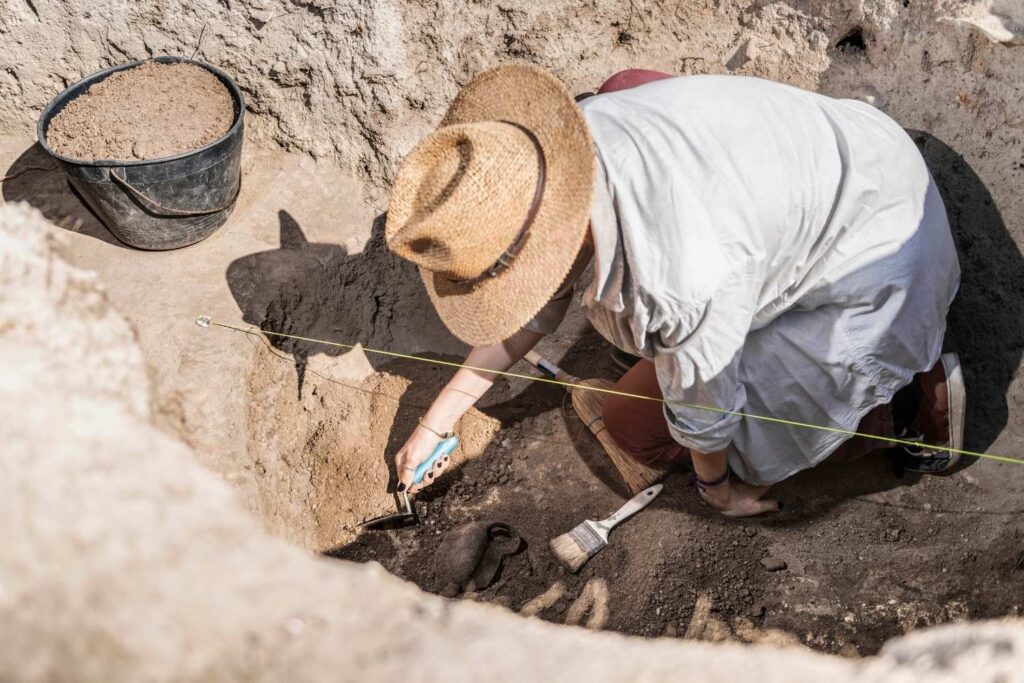
Small flakes of chert and fragments of red mineral pigment were found within the burial pit. These objects showed no signs of recent disturbance and matched offerings sometimes placed with humans in nearby graves, as stated by the University of Illinois. Their placement formed a subtle boundary around the dog, arranged too neatly to be accidental or incidental debris.
The presence of pigment fragments raised the possibility of symbolic gestures during burial. These minerals were rarely used for everyday tasks, which suggested someone selected them specifically for this moment. Their quiet placement created a frame around the body, hinting that the burial held meaning for the people who stood beside it.
3. Bone analysis uncovered evidence of long companionship.

Veterinary osteologists studying the skeleton observed healed injuries and stress patterns consistent with a dog that lived closely with humans for many years. The bones showed signs of age and repeated activity that matched long term settlement life, as reported by Science News. These details revealed an animal whose presence endured through multiple seasons and shared experiences.
Healed fractures showed the community cared for the dog after injury rather than abandoning it. This attention reflected a relationship deeper than simple utility. The wear on joints and the signs of long use aligned with a companion who walked, traveled and worked alongside the people who eventually buried it with human like intention.
4. The burial pit preserved the moment with silence.
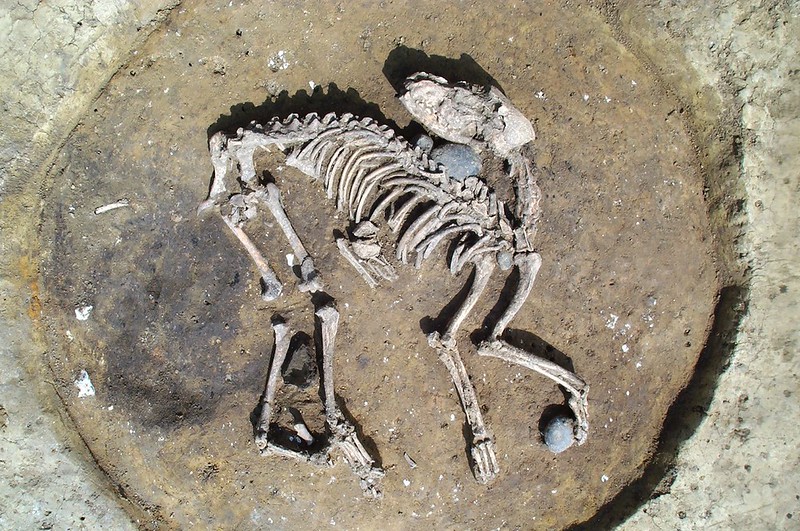
Sediment layers around the grave remained undisturbed, showing the pit stayed intact long after the burial. The soil held its structure through centuries of natural deposition. This stability allowed the dog’s posture and the surrounding objects to endure without shifting, creating an unusually clear archaeological snapshot.
The undisturbed layers indicated the dog was buried slightly away from heavy activity zones. That placement may have reflected a desire to leave the grave in tranquility. Over time, the land covered it gently, preserving details that later allowed researchers to interpret the emotional depth behind the burial.
5. The dog’s posture matched nearby human burials.
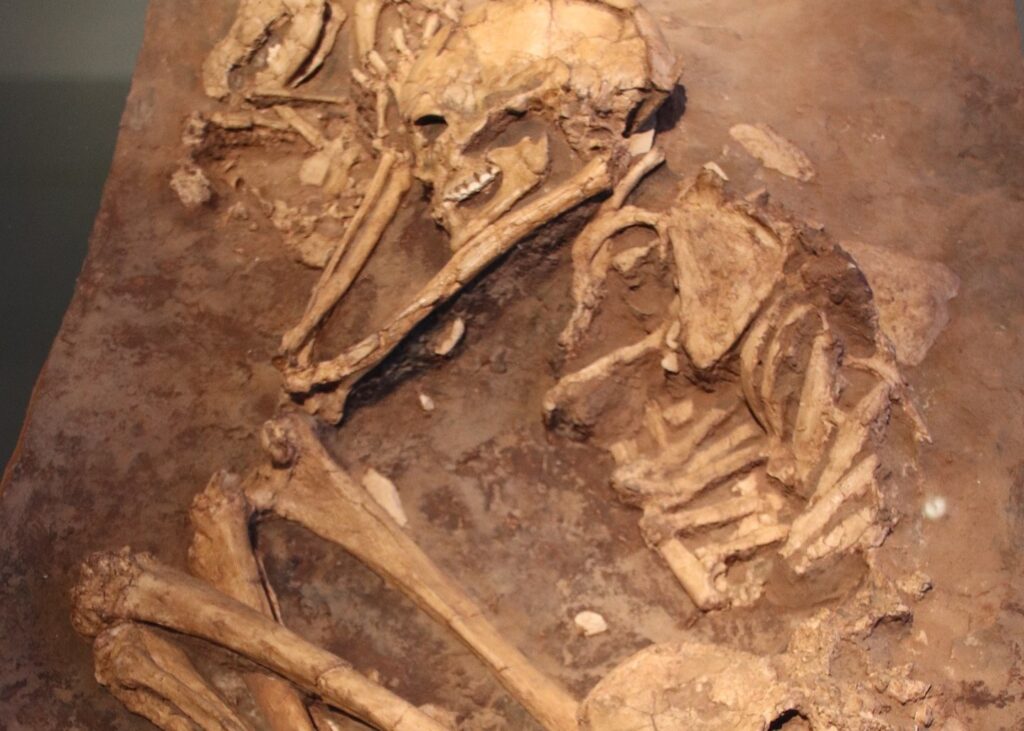
Human graves from the same occupation layer displayed similar resting positions, with bodies placed carefully and limbs aligned in deliberate patterns. The dog’s orientation matched these choices closely, suggesting people extended their symbolic practices beyond their own kind. This mirrored treatment was unlikely to be accidental.
The alignment conveyed recognition of the animal’s importance. Early communities reserved such care for meaningful deaths within their group. Applying that same posture to a dog implied a shared emotional vocabulary. It indicated that the animal held a place within the community that transcended its role in daily survival.
6. The surrounding settlement reflected deep human dog partnership.
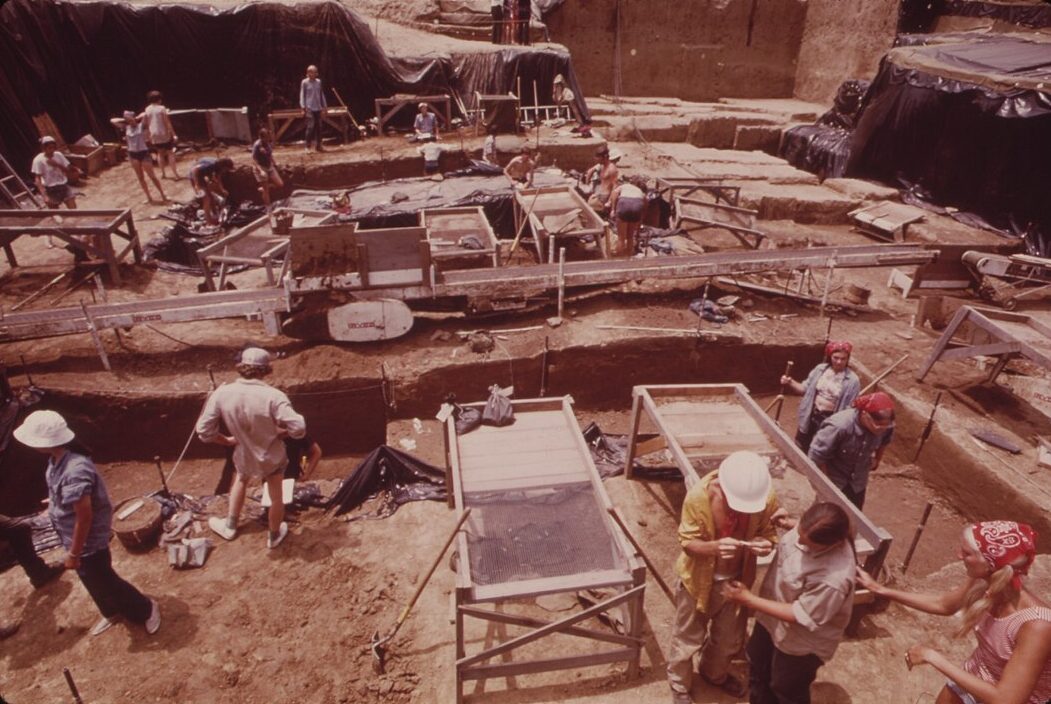
Artifacts from the Koster Site revealed a community that depended on hunting, gathering and seasonal mobility. Dogs played essential roles in tracking and early warning, making them integral to daily life. Their presence shaped routines and supported survival in the valley.
Through shared travel, sleeping near fires and participating in hunts, dogs became part of the community’s fabric. When one died, the emotional ripple was strong enough to shape a burial reflecting years of familiarity. The partnership seen in tools and settlement patterns helped explain the depth of care shown in the grave.
7. Signs of age revealed the dog lived many devoted years.
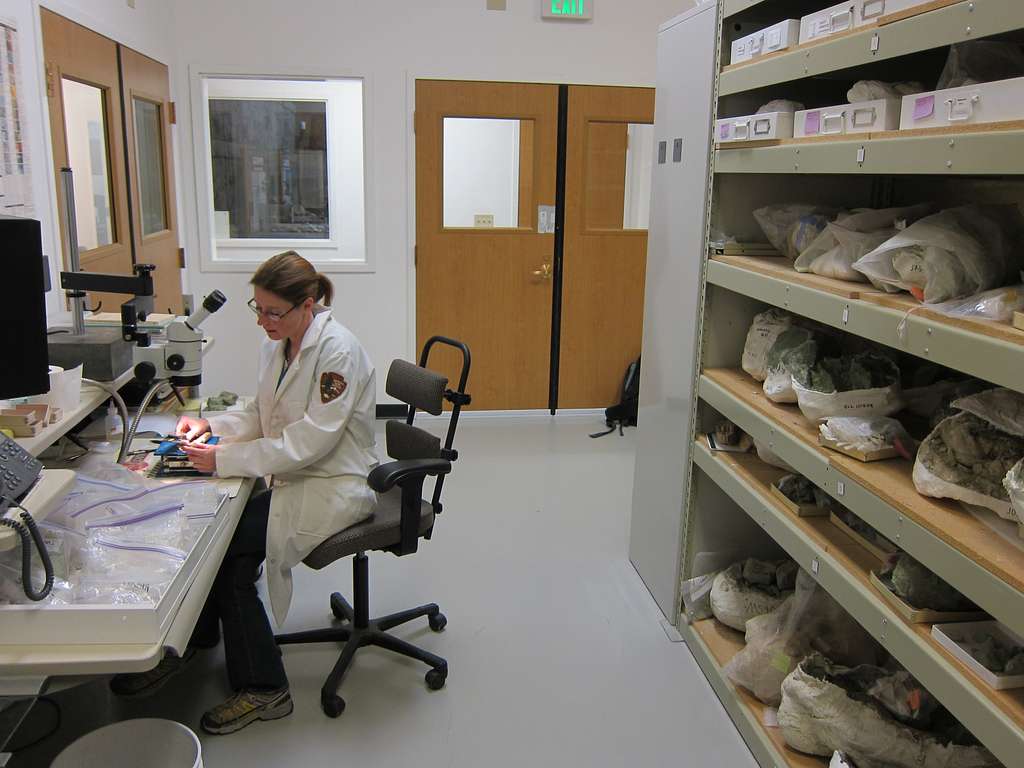
Examination of the joints revealed early arthritis and wear patterns seen in older animals. These signs indicated the dog lived long enough to develop conditions that required support from the community. Longevity often came only through human protection and consistent care.
Older dogs tended to hold valued roles in early settlements, guiding hunting strategies and maintaining vigilance. Their knowledge made them respected figures. The burial, with its attention to depth and posture, reflected the community’s recognition of value accumulated over many years spent together.
8. The depth of the grave suggested protective intent.
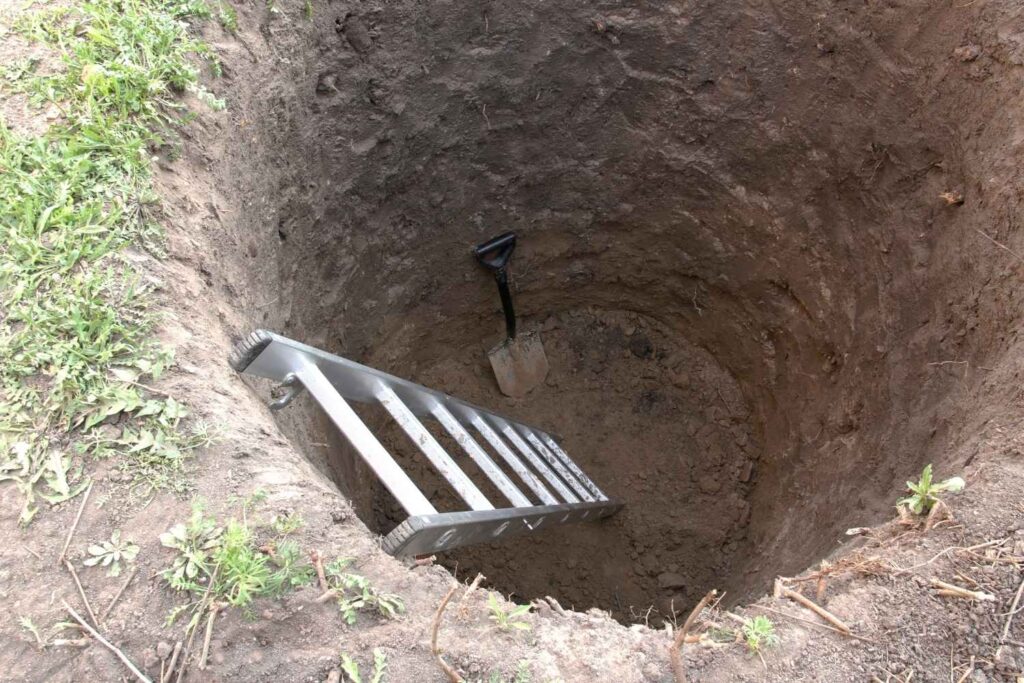
The burial pit was notably deeper than necessary for simple coverage. Digging to that depth with stone tools required significant effort. This extra labor signaled an intention to protect the dog’s remains from scavengers and natural disturbance. It was a gesture of protection extended into death.
That depth preserved the dog fully, creating the preservation conditions that allowed researchers to interpret the burial clearly. People at the site invested effort that was neither trivial nor routine. The protective nature of the grave underscored the emotional weight carried by the burial.
9. This burial reshapes understanding of ancient relationships.
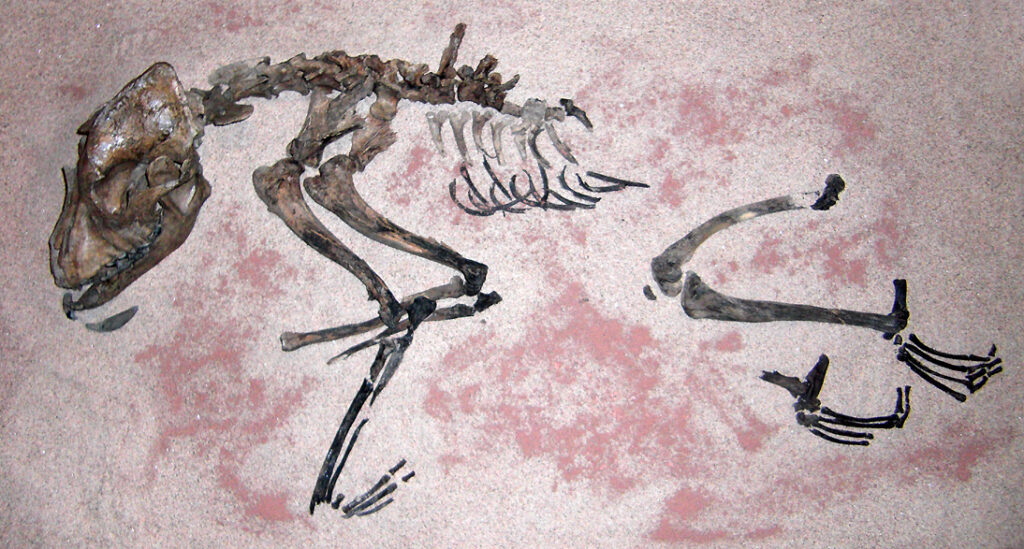
For many years, archaeologists believed emotional connections with dogs grew stronger later in prehistory. The Koster Site burial challenges that assumption. It shows people were expressing grief and respect for their animals seven thousand years ago in ways that left unmistakable traces in the soil.
The details reveal a bond grounded in shared survival but enriched by affection and recognition. This burial becomes a rare moment preserved across time, reminding researchers that early humans mourned their dogs with intention, tenderness and a sense of farewell that feels strikingly familiar.