
Strength driven dogs shaped by intense history.

Some dogs carry centuries of breeding that concentrated power, defensive instinct and high drive into their behavior. These traits do not make them dangerous by default, but they do require owners who understand structured training and controlled environments. Their histories stretch across military posts, rural farms, remote villages and dense urban areas where their abilities were valued. When paired with inexperienced handlers, their instincts can overwhelm basic management, making knowledge and steady leadership essential for stability.
1. Caucasian Shepherds require strong and informed leadership.

Caucasian Shepherds developed across mountain regions in Eastern Europe where they guarded livestock from wolves and large predators. Their protective drive is intense, and their size increases the stakes during conflict. Their defensive instincts remain powerful according to the American Kennel Club. Experienced owners control their environment and set clear boundaries.
Their reactions emerge quickly when unfamiliar people enter their space, particularly in rural properties and large yards. They thrive when paired with firm structure and calm confidence. Without that, their natural independence leads to unpredictable behavior. Their behavior improves when owners reinforce steadiness through slow exposure and steady training.
2. Presa Canarios respond intensely to perceived challenges.

Presa Canarios originate from the Canary Islands where they worked on farms guarding livestock and property. Their presence is commanding, and their reactions can escalate if owners miss early signals. Their confidence is a defining trait as stated by VetStreet. They respond best to handlers who understand timing and consistent training pressure.
They can misinterpret sudden movements as threats when raised without structure. Urban environments require careful social planning, particularly around strangers. Their loyalty is strong, but their protective instinct needs direction. When experienced handlers guide them with firm boundaries, their stability improves significantly, reducing their likelihood of reactive decisions.
3. Dogo Argentinos demand precise and steady guidance.

Dogo Argentinos were developed in Argentina for hunting large game, which shaped a focused and determined temperament. Their athleticism increases their ability to commit fully once they decide on a course of action. Their drive is extensively documented as discovered by the American Veterinary Medical Association. They require owners capable of reading subtle behavioral shifts.
Their behavior intensifies during high energy situations especially around unfamiliar dogs. Consistent leadership and training prevent their instincts from taking over. They perform well when given structured mental tasks and controlled exercise. Experienced owners understand how to keep them balanced without allowing overstimulation to shape their decision making.
4. Central Asian Shepherds retain strong territorial instincts.

Central Asian Shepherds evolved across the harsh landscapes of Central Asia where they guarded homes and livestock. Their territorial nature remains deeply ingrained, making them highly reactive when unfamiliar people enter their surroundings. They excel on large rural properties where their instincts can be channeled safely.
Their independence can create challenges during training because they often weigh decisions themselves rather than deferring immediately to direction. Experienced owners earn their respect through calm consistency. When boundaries are unclear, they shift into self assigned guard mode, which can create conflict in tighter or crowded environments.
5. Fila Brasileiros show extreme loyalty that becomes intense quickly.

Fila Brasileiros demonstrate an attachment to their primary handlers that can feel overwhelming for inexperienced owners. Their suspicion of strangers is not a flaw but a historical trait shaped by centuries of estate guarding across Brazil. Their reactions escalate fast when boundaries are crossed.
Their size and speed add complexity to their behavior. They perform best in quiet and controlled environments without constant unfamiliar contact. Skilled handlers shape their responses early so their loyalty does not turn into unpredictable defensive decisions. Without firm direction, their instincts overpower typical household structure.
6. Tibetan Mastiffs rely on ancient protective behavior.
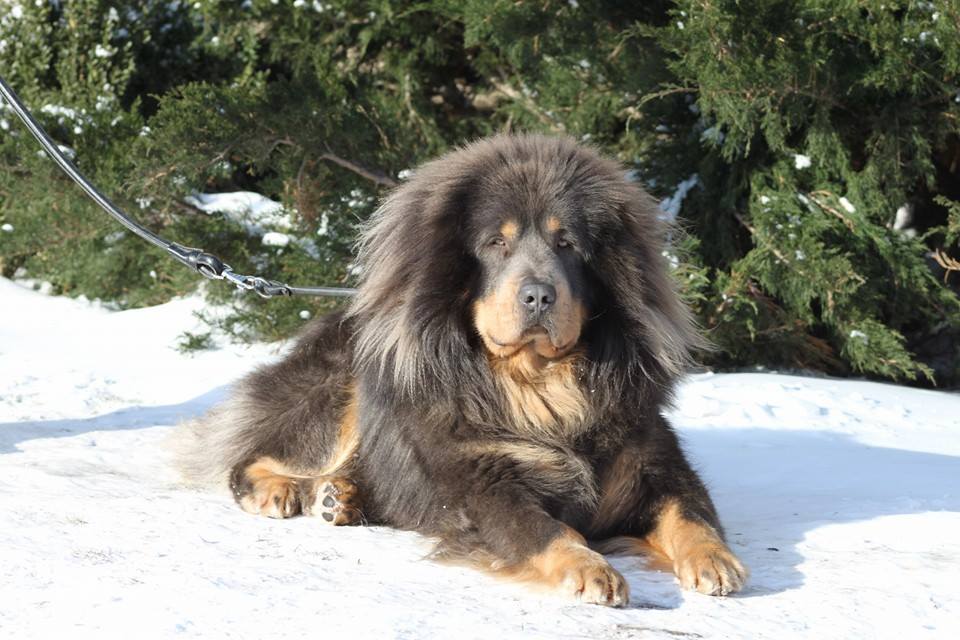
Tibetan Mastiffs developed in isolated mountain monasteries where they guarded flocks and remote settlements. Their aloof nature reflects those origins. They evaluate situations independently, which can make them reactive when owners lack experience. They are most stable when raised with predictable routines.
Their strength and determination require consistent guidance, especially during adolescence when protective instincts sharpen. They adapt better to spacious homes or rural settings. Skilled owners read their slow forming signals and intervene early. Their maturity arrives late, and their behavior steadies with careful long term management.
7. Boerboels show intense protective reactions under stress.
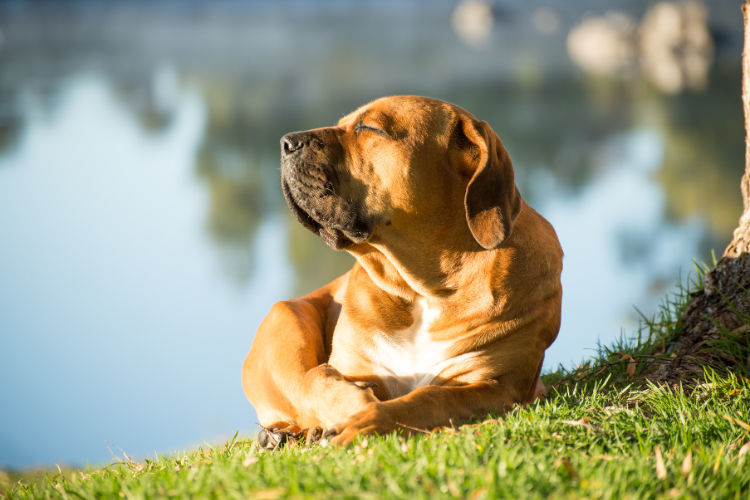
Boerboels originated in South Africa as estate guardians, which shaped their natural confidence and readiness to confront threats. They monitor surroundings constantly, and their reactions can be forceful when situations escalate. They require calm owners who can regulate high energy environments.
They bond strongly with family, which amplifies their protectiveness when unfamiliar people approach. Their size and power demand early obedience work and controlled exposure. When owners create clear expectations, they settle into predictable patterns. Without structure, their instinctive decisions can emerge faster than new handlers can respond.
8. Cane Corsos thrive under calm and competent direction.

Cane Corsos were used across Italy for farm protection, estate work and guarding. Their assertiveness remains part of their identity. They respond well to confident owners who maintain steady routines. Their reactions intensify when they sense uncertainty or instability in their environment.
Their appearance alone influences interactions with strangers, which can complicate public outings. Their intelligence makes training effective, but only when owners communicate consistently. Inexperienced handling leads to boundary confusion, which heightens defensive behavior. With structure, their intensity becomes manageable and predictable.
9. Belgian Malinois display overwhelming drive for novices.

Belgian Malinois thrive in police and military roles because of their relentless energy and sharp focus. These traits make them challenging for inexperienced owners since they react quickly to movement and stimuli. They need constant mental engagement and controlled high energy work.
Their drive can overwhelm typical home routines, especially in crowded urban areas. They excel with owners who understand how to direct intensity without allowing overstimulation. Without advanced handling, they channel their energy into territorial or reactive behavior. Their stability improves with rigorous structure.
10. Akitas respond strongly to unclear social boundaries.

Akitas were developed in Japan for guarding and hunting, which created a combination of independence and vigilance. Their reactions to unfamiliar dogs or people can escalate quickly when communication is unclear. They need confident owners who read early signals and guide behavior calmly.
Their stoic appearance hides complex emotional shifts that inexperienced owners often miss. They thrive with steady routines and predictable interactions. Their loyalty is deep, but their protective instinct can turn reactive without proper direction. Skilled handlers help them maintain balance during tense or unpredictable environments.
11. Tosas react strongly during tense or chaotic conditions.

Tosas were developed in Japan for controlled combat environments, which shaped a temperament that requires firm and experienced handling. Their behavior intensifies when movement becomes unpredictable, especially in crowded spaces or unfamiliar outdoor areas. They respond best in calm environments with stable leadership from confident owners.
Their size and power make hesitation dangerous during escalating moments. They need clear direction during all interactions, including those involving strangers or unfamiliar dogs. Experienced owners understand how to regulate their emotional thresholds through structure and routine. Without that consistency, their instinct driven reactions appear quickly and forcefully.
12. Doberman Pinschers respond rapidly to shifting energy.
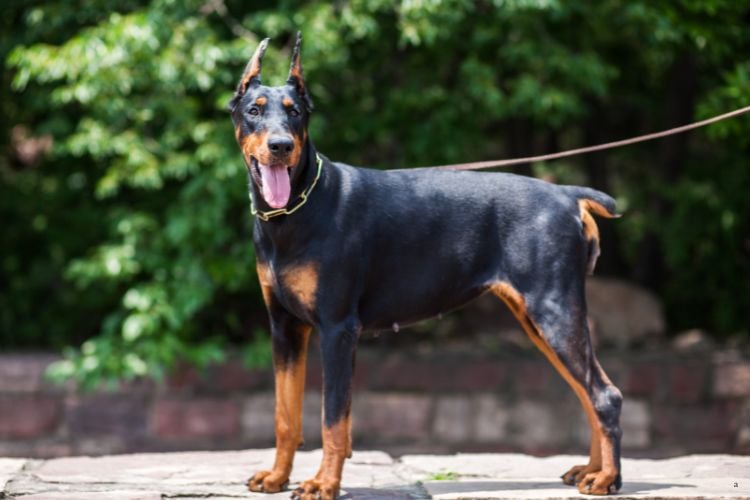
Doberman Pinschers were refined across Europe for personal protection and security work, creating a breed that reacts instantly to environmental changes. Their speed and alertness require owners who remain composed during unexpected events. They show heightened awareness in urban settings with frequent activity and unpredictable interactions.
Their loyalty intensifies their reactions during perceived threats, especially when strangers approach their household. Skilled owners use calm communication to maintain stability during tense moments. Without that guidance, their confidence can turn into overcommitment. Consistent training helps them redirect their energy into controlled responses rather than impulsive decisions.
13. Chow Chows rely on strong independent decision making.

Chow Chows carry an ancient lineage from northern China that prioritized independence and self regulation. Their reserved nature means they depend less on human cues, which can create tension when social structure is unclear. They react strongly to unfamiliar handling or inconsistent training methods.
Their protective instinct can surface quickly when strangers interact with their family or property. They require experienced owners who respect their autonomy while maintaining firm boundaries. Without that balance, they shift into defensive behavior. Their reactions become far more predictable when routines remain steady and communication remains consistent throughout daily life.
14. Rhodesian Ridgebacks react to pressure with force.
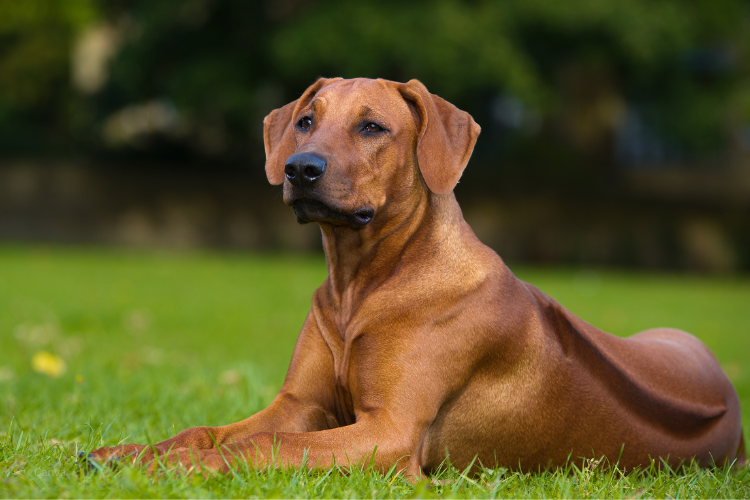
Rhodesian Ridgebacks were developed in southern Africa to track game, creating a dog with immense stamina and strong impulse control. Their reactions intensify when they feel cornered or restrained, making skilled handling essential. They respond well to calm authority and structured expectations.
Their independence requires owners who understand how to channel high energy without triggering overreaction. When boundaries slip, they rely on instinct rather than direction. Their determination becomes challenging for new handlers, especially in high distraction environments. With knowledgeable leadership, their reactive tendencies settle into steady and controlled behavior.
15. Giant Schnauzers require disciplined long term management.
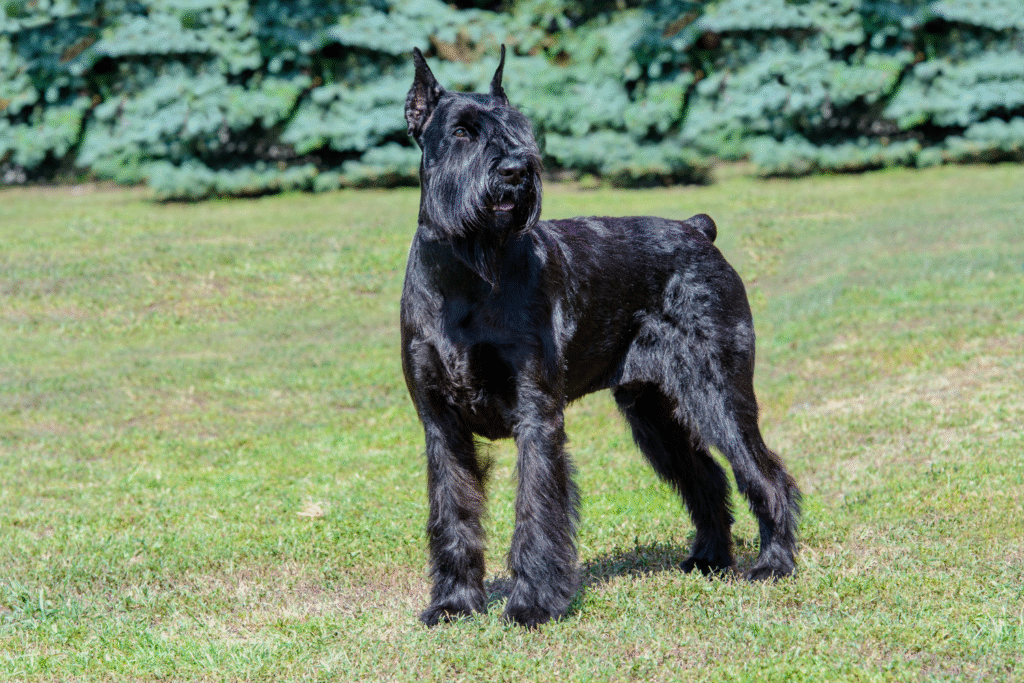
Giant Schnauzers were bred across Germany for demanding work that required independence, focus and controlled aggression. Their commitment to tasks can escalate into assertive reactions when environments become unpredictable or tense. They perform best when paired with confident owners who maintain firm structure.
Their intelligence makes training effective, though only with consistent boundaries. In unstable households, they take control on their own, which increases reactive behavior. Their energy level adds intensity to their decisions, especially during fast moving situations. When owners provide routine and clarity, they become predictable and reliably steady.