
Modern dogs still carrying verifiable wolf lineage.

Some dogs do not just resemble their ancestors, they carry documented connections to wolves that were recorded within the last century. You can sense the older instincts in the way they watch from a distance or move with unusual certainty. These breeds emerged in specific programs and historic moments where wolves and working dogs blended for practical reasons. Their stories reveal how small the gap becomes between companion animals and their wild relatives.
1. The Czechoslovakian Wolfdog remains a rare genetic bridge.

Czechoslovakian Wolfdogs began in the 1950s when German Shepherds were crossed with Carpathian wolves, according to Smithsonian Magazine. Their lineage was developed for border patrol work across former Czechoslovakia, where their ability to navigate forests and read wide terrain made them reliable partners. Handlers often describe their tendency to analyze situations before acting.
Their ancestry surfaces during long outdoor sessions. They scan landscapes with slow, steady head movements, and they seem to evaluate distance with instincts that feel much older than their modern roles.
2. The Saarloos Wolfdog carries a calm and measured ancestry.

The Saarloos Wolfdog originated in the Netherlands during the 1930s from German Shepherd and European wolf pairings, as reported by National Geographic. Breeders wanted a dog with heightened awareness, and that influence still shows in the breed today. They take time to observe new environments, often pausing to interpret scents or changes in light before stepping forward.
Their wolf influence becomes more noticeable during long walks or quiet field sessions. They follow gentle arcs when exploring new areas, creating movement patterns that seem instinctive rather than learned.
3. The Kunming Wolfdog still reflects its structured military origin.
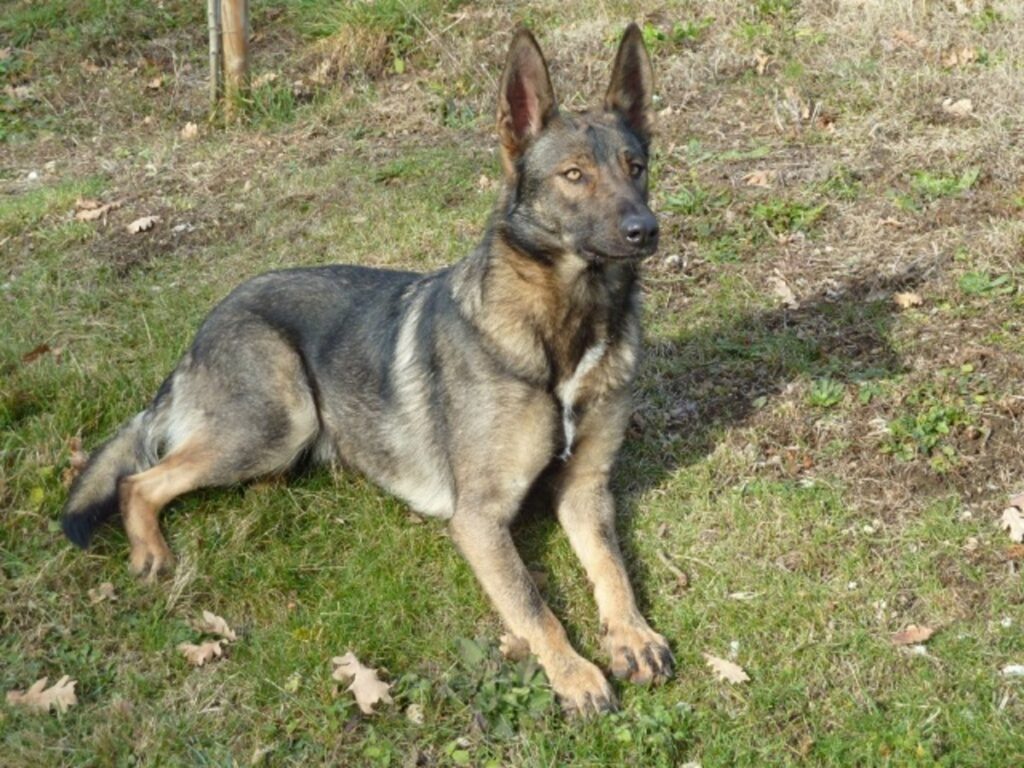
Kunming Wolfdogs were developed in China during the 1950s through controlled working dog and wolf crosses, as stated by China Daily. They became essential for patrols, tracking and search operations in cities like Kunming and Beijing. Their focus sharpens quickly during training because they were shaped for precision based tasks that required consistent attention.
Their ancestry becomes visible when they transition from calm to alert in seconds. They respond strongly to distant sound changes, and their ability to hold focus during fieldwork hints at deep rooted instincts.
4. The Lupo Italiano preserves a tightly regulated legacy.
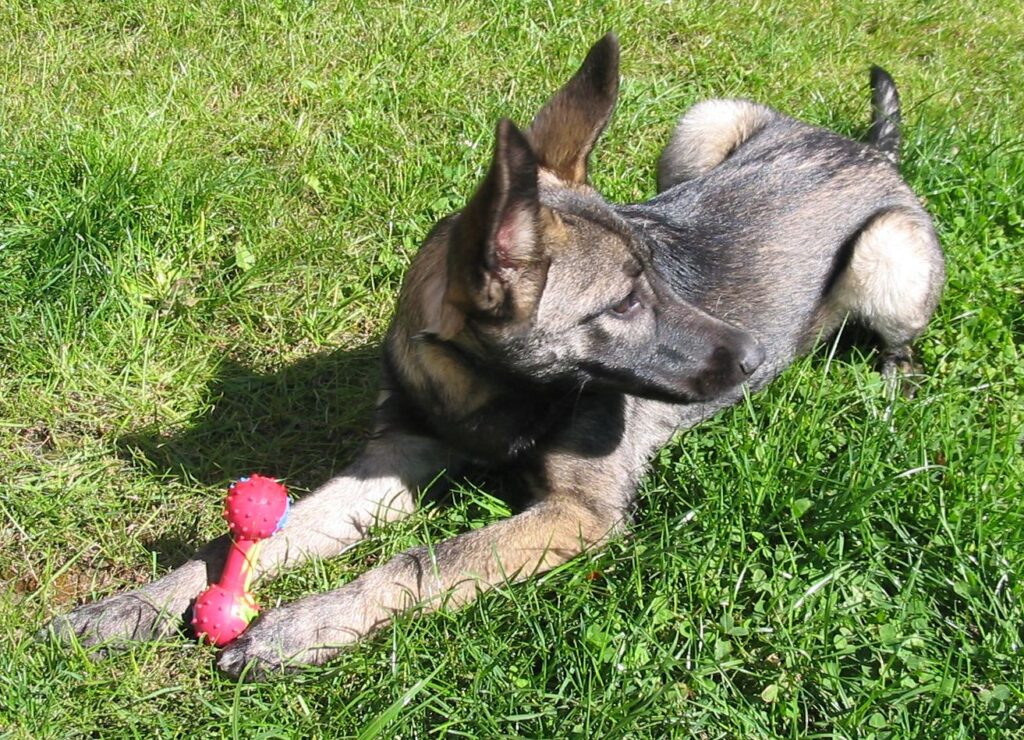
The Lupo Italiano began in Italy during the 1960s through a supervised program that used the Apennine wolf and local shepherd dogs. Every dog in the breed descends from those original pairings, and the registry is carefully controlled to maintain stability. People who work with them in rural Italian regions describe a steady confidence during outdoor tasks.
Their instincts come through when they move across uneven ground. They shift weight carefully, test surfaces before advancing and show a natural sense for terrain that mirrors their ancestral origins.
5. The Volkosob continues to serve demanding Russian environments.
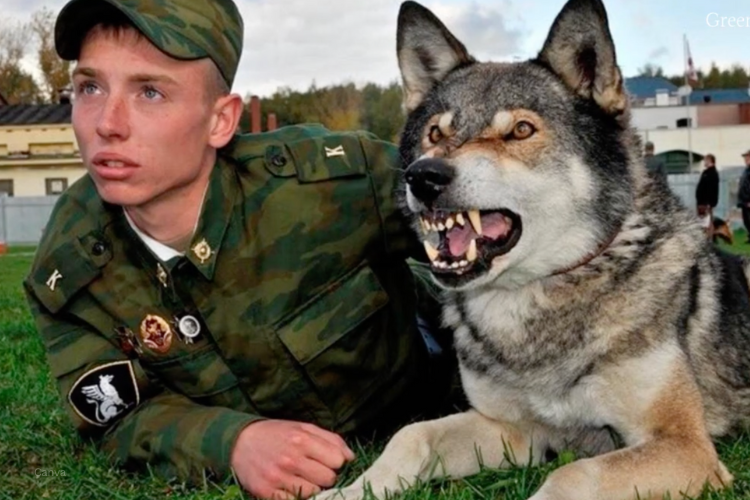
The Volkosob is a modern Russian wolfdog program created by crossing wolves with Laika type dogs for border security forces. These dogs train in isolated regions where harsh winters and long patrol routes require endurance and calm decision making. Their handlers mention a strong ability to detect small movements in distant areas.
Their wolf ancestry becomes most obvious when they examine horizon lines for possible activity. They pause and evaluate quietly, and the stillness in those moments feels inherited rather than trained.
6. The American Wolfdog maintains direct ancestry in modern lines.

American Wolfdogs come in high, mid and low content lines depending on how much wolf ancestry they inherit. Breeders in states like Colorado, Oregon and New Mexico track lineage records to better understand behavior and predict compatibility. These dogs often display layered attention patterns in unfamiliar places, switching between scent, sound and visual cues.
Their wolf influence shows in how they bond through nonverbal communication. They prefer steady routines, read emotional states quickly and respond strongly when given space to interpret their surroundings.
7. The British Timber Dog reflects early wolfdog foundations.
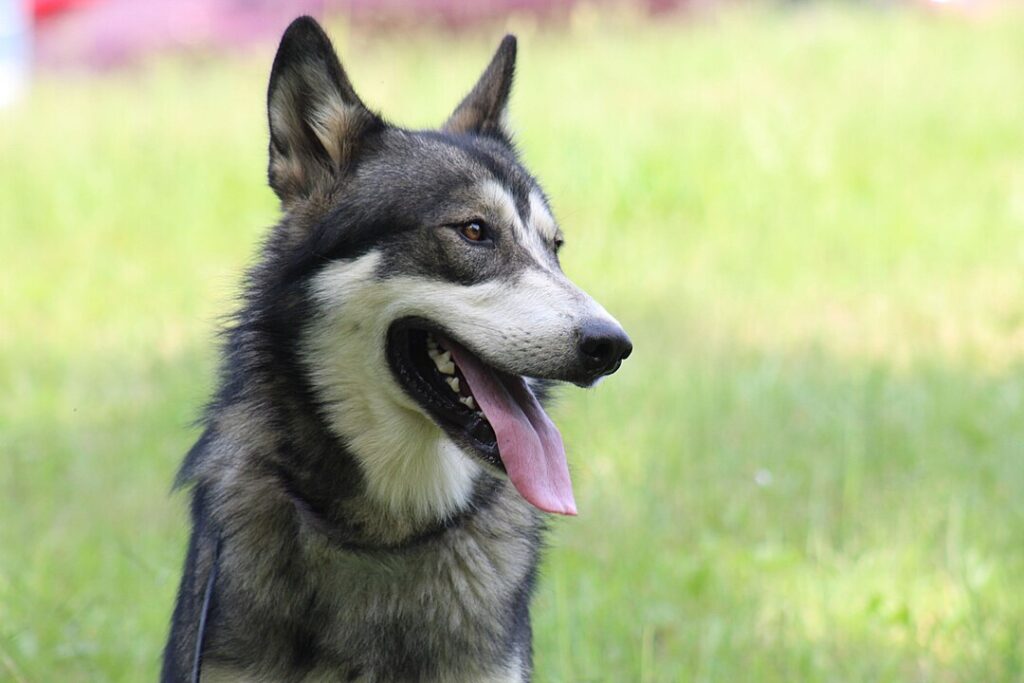
The British Timber Dog started in the United Kingdom with foundation stock that included low content wolfdog ancestry. As the breed standardized, those influences remained part of its early structure. Owners in northern England and Scotland often mention how these dogs notice distant movement before humans pick up on it.
Their ancestry reveals itself during long outdoor sessions. They evaluate wind direction, watch shifting shadows and adjust their movement with quiet confidence that seems connected to their older lineage.
8. The Northern Inuit Dog retains traces from its early lines.

The Northern Inuit Dog began in the United Kingdom with founding lines that included low content wolfdog ancestry before the breed stabilized. Their behavior shows a patient approach to new environments, and they often wait to understand group dynamics before interacting. Many owners describe their thoughtful pacing during introductions.
Their wolf influence appears during long walks or hikes. They slow their movement when sensing distant activity, angle their head to capture more information and navigate terrain with calm, quiet certainty.
9. The Tamaskan Dog holds traces of ancestry in select lines.

While most Tamaskans were bred to resemble wolves without recent wolf crossings, some of the founding bloodlines in Finland and the United Kingdom included low content hybrids. Their reserved posture in unfamiliar settings reflects that subtle influence. They often pause to study a situation with surprising patience.
Their instincts surface during outdoor exploration. They follow natural paths through forested areas, choose steady pacing over quick movement and seem to map space through scent and visual markers inherited from older ancestors.
10. The Native American Indian Dog carries ancestry in specific lineages.

Certain lineages of the Native American Indian Dog contain verifiable wolfdog ancestry through breeder documentation. These dogs are known for syncing easily with human movement during long distance activities, which makes their behavior feel grounded and intuitive. Owners in the Midwest and Pacific Northwest often describe a quiet intensity during focused tasks.
Their ancestral roots become clearer in open spaces. They read subtle changes in their surroundings, maintain a steady exploratory rhythm and move with a sense of internal awareness that feels inherited.