
The charm hides a deeper inherited cost.
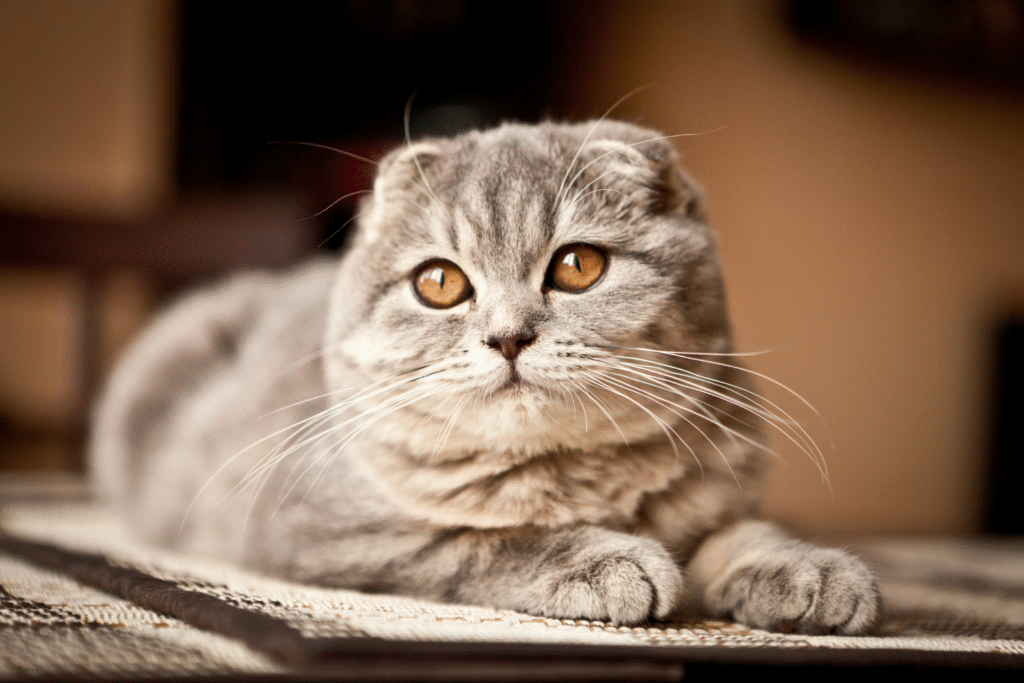
Scottish Folds look endlessly calm at first glance, but the genetic twist behind those folded ears shapes much more than their expression. The mutation appeared in Scotland in the 1960s and spread quickly as breeders leaned into the distinctive look. What families rarely see is how that same mutation alters bones, joints and cartilage across the entire body. Under the softness is a cat with a blueprint that demands far more attention than most owners expect.
1. Their signature ears come from a bodywide mutation.
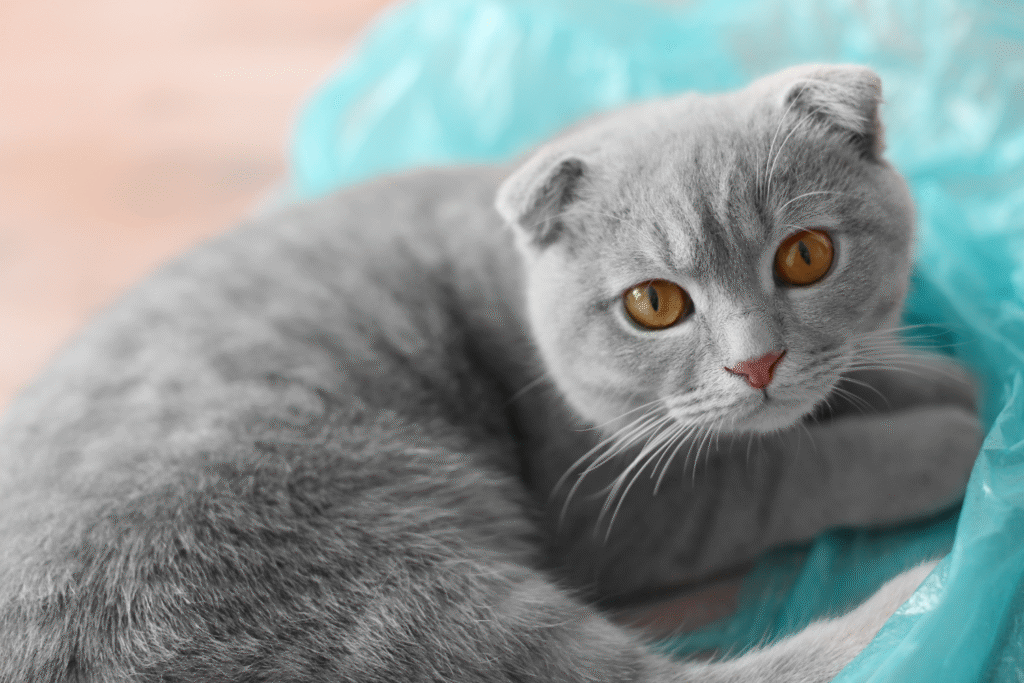
The folded ear is caused by a mutation in the gene responsible for cartilage development. That mutation affects every joint, not just the ears, which is why many specialists consider it a full body condition rather than a cosmetic trait. This has been widely discussed in orthopedic reviews, as reported by the American Veterinary Medical Association. The ear fold is simply the easiest place to spot what is happening everywhere else.
When kittens inherit two copies of this gene, the damage appears early and aggressively. Even one copy can create long term changes that shape mobility, comfort and daily behavior. Owners often underestimate the scope of this mutation until a veterinarian explains how deeply cartilage is involved in normal movement.
2. Early stiffness often begins during kittenhood.
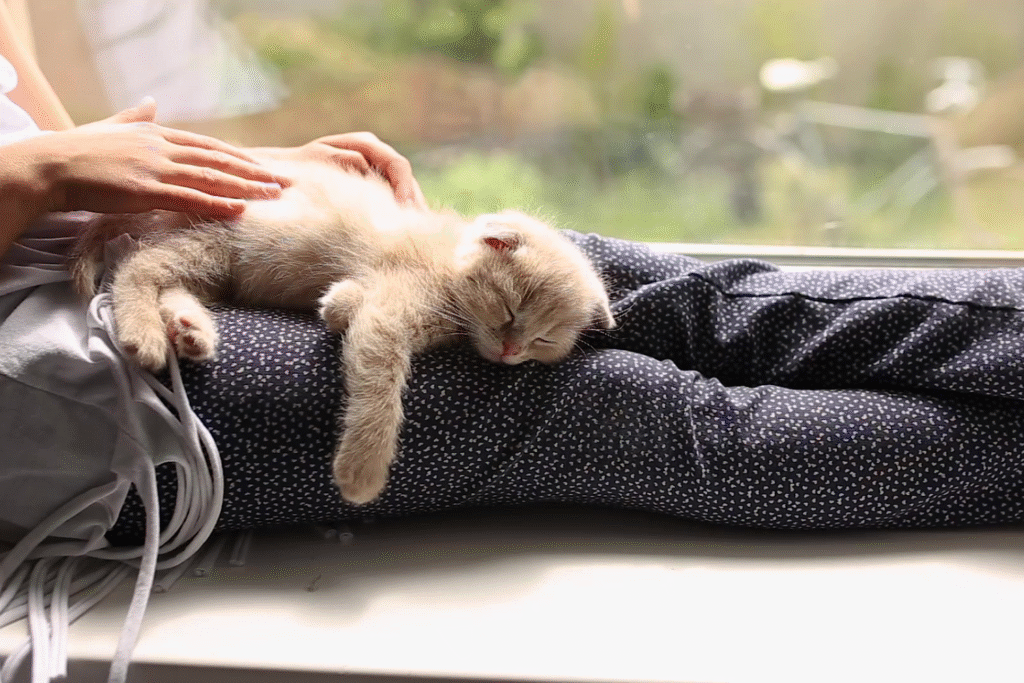
Some Scottish Folds start showing mild stiffness as early as six to eight months. Jumps shrink, landings look awkward and the tail may lose its usual flexibility. These early signs match patterns described in studies of osteochondrodysplasia according to the Royal Veterinary College. Owners sometimes assume a sprain or minor soreness is to blame, but the stiffness usually reflects cartilage struggling to support normal growth.
The condition progresses quietly at first, and many families overlook the shift because it blends into everyday behavior. Over time, the cat begins compensating in subtle ways, using shorter steps or favoring certain surfaces to reduce strain.
3. Chronic pain often hides behind calm behavior.
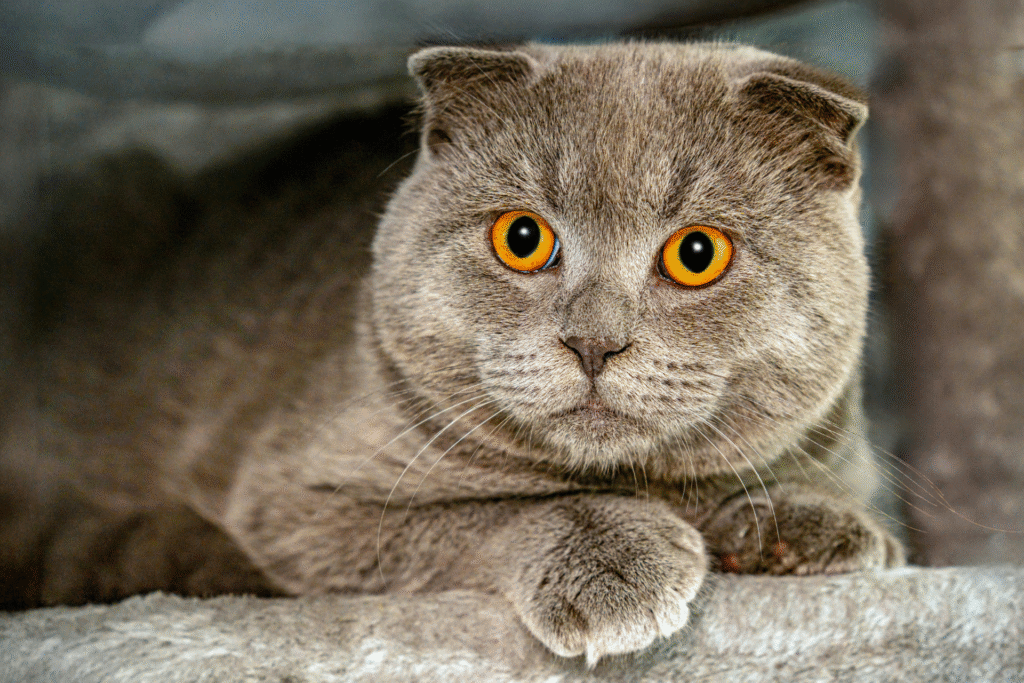
Cats naturally mask discomfort, making it difficult to recognize orthopedic pain until it becomes severe. Many Scottish Folds develop a steady, low grade ache that influences how they move long before owners notice anything is wrong. This pattern has been described in feline pain assessments, as stated by the Journal of Feline Medicine and Surgery. Their gentle temperament makes the signs even easier to miss.
The pain can manifest as increased sleep, reduced play or quiet avoidance of climbing. Only after medical treatment or pain management do many owners realize how much their cat had been silently enduring.
4. Tail rigidity often reveals the first red flag.
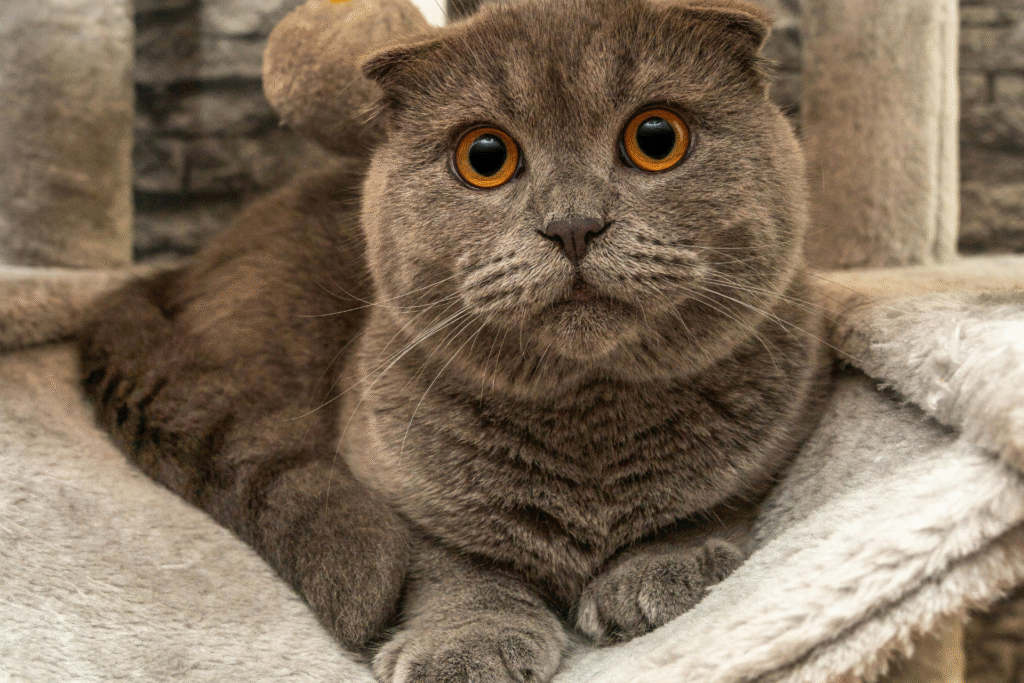
Veterinarians frequently check tail flexibility because it exposes cartilage issues earlier than the legs. A healthy cat’s tail bends and twists easily, but a Scottish Fold’s tail may feel thick, stiff or resistant from a young age. That rigidity comes from abnormal cartilage hardening into bone, limiting movement long before the cat shows obvious limping.
As the tail loses flexibility, other joints usually begin following the same path. Owners who notice tail discomfort often find, months later, that their cat no longer jumps or stretches with the same ease.
5. Movement changes show up gradually over time.
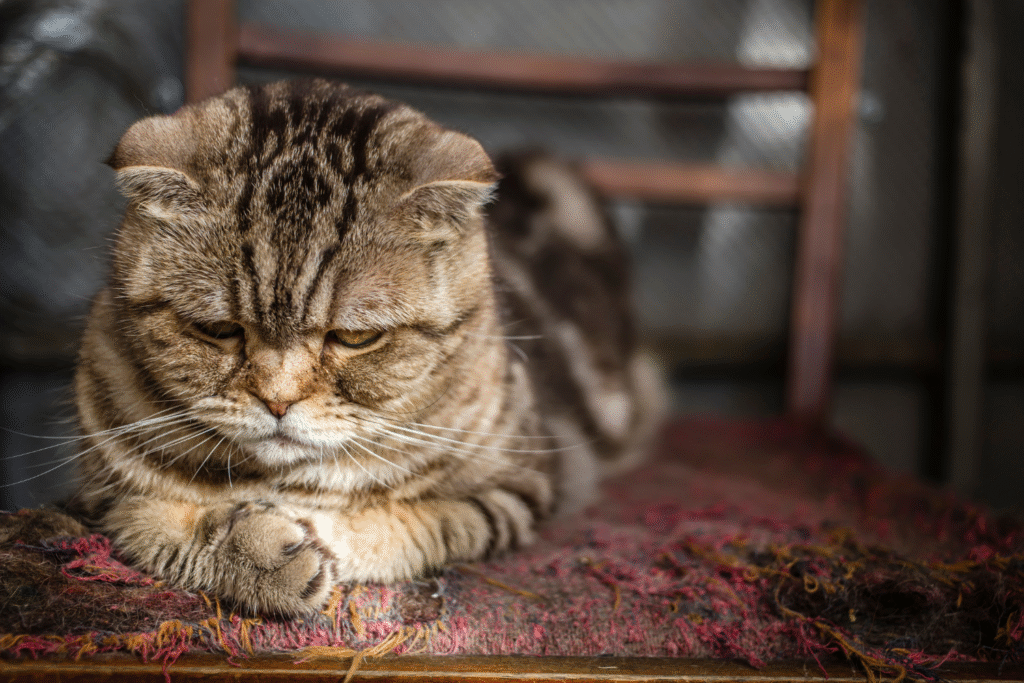
A Scottish Fold might shift weight while sitting, hesitate before stepping down or shorten its stride when crossing the room. Each tiny adjustment is the body protecting compromised joints. These changes develop slowly enough that owners sometimes interpret them as quirks rather than symptoms.
When the condition advances, cats may avoid certain surfaces or retreat to the same few resting spots. The pattern reflects a body quietly rationing movement to stay comfortable.
6. Play sessions often end earlier than expected.
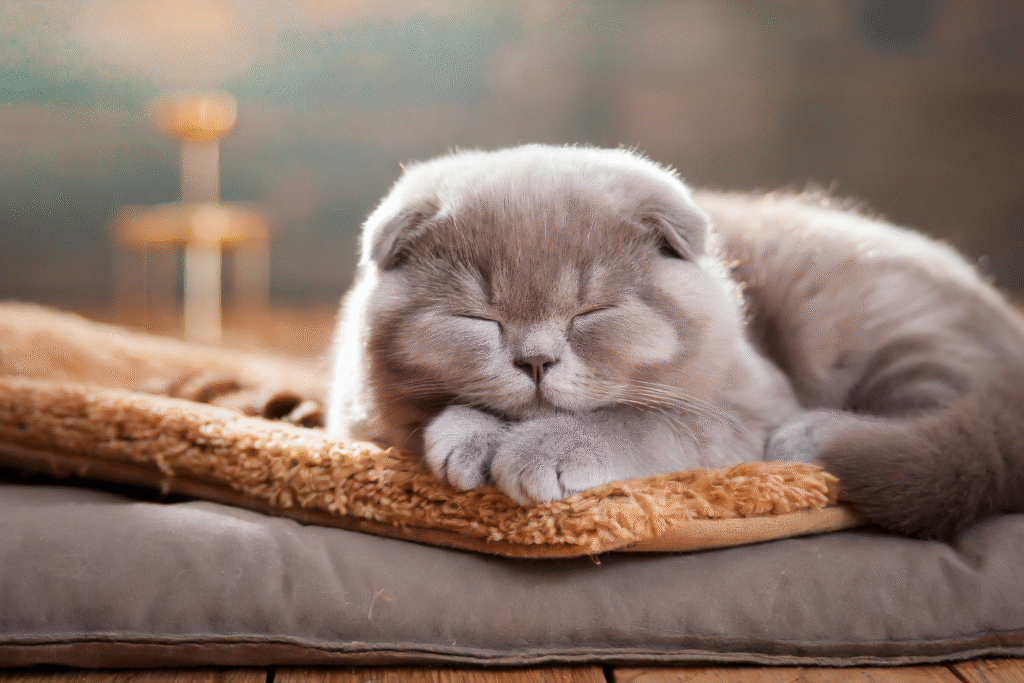
Many Scottish Folds enjoy fast games and interactive toys, but their joints cannot sustain intense movement for long. They may start enthusiastically then stop abruptly, either to rest or to avoid discomfort. That stop and start pattern is one of the most common early clues that something deeper is happening.
Owners sometimes assume the cat is bored or distracted. In reality, the physical threshold is simply much lower than it appears, and brief play bursts are the only comfortable option.
7. Regular monitoring becomes essential for long term comfort.
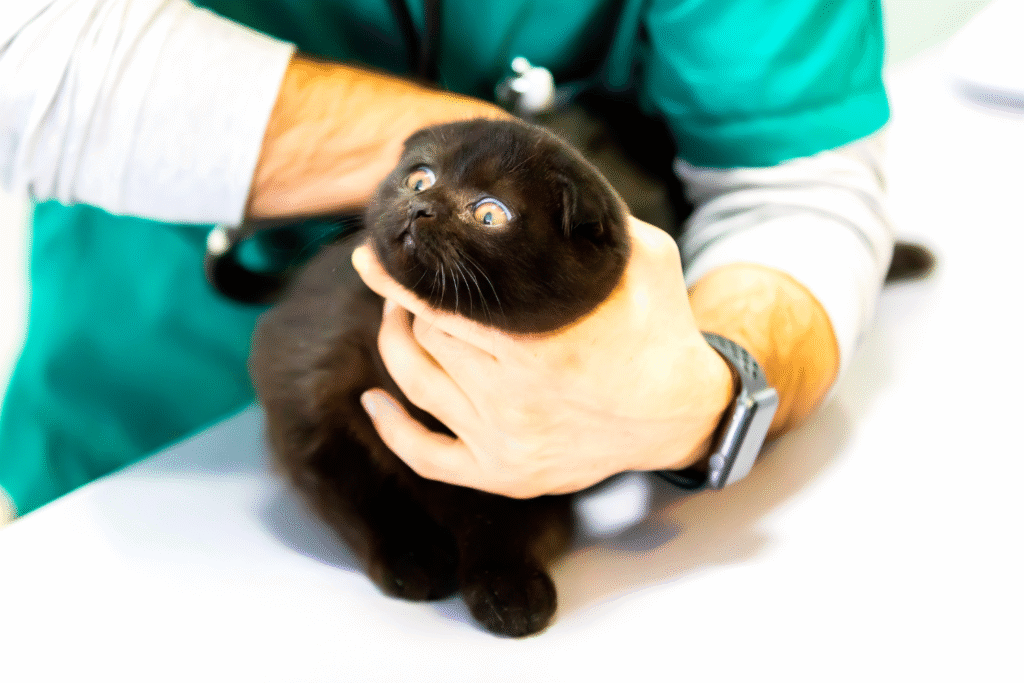
X rays, mobility assessments and periodic pain evaluations help track how quickly the condition progresses. Even cats that seem stable often show progression on imaging, which is why veterinarians recommend ongoing monitoring. Many families do not anticipate this level of oversight when they first bring home a Fold.
With early intervention, many cats live comfortable lives, but ignoring slow changes allows the condition to advance unchecked. Small adjustments in care can make a dramatic difference in long term quality of life.
8. Breeding debates highlight serious welfare concerns.
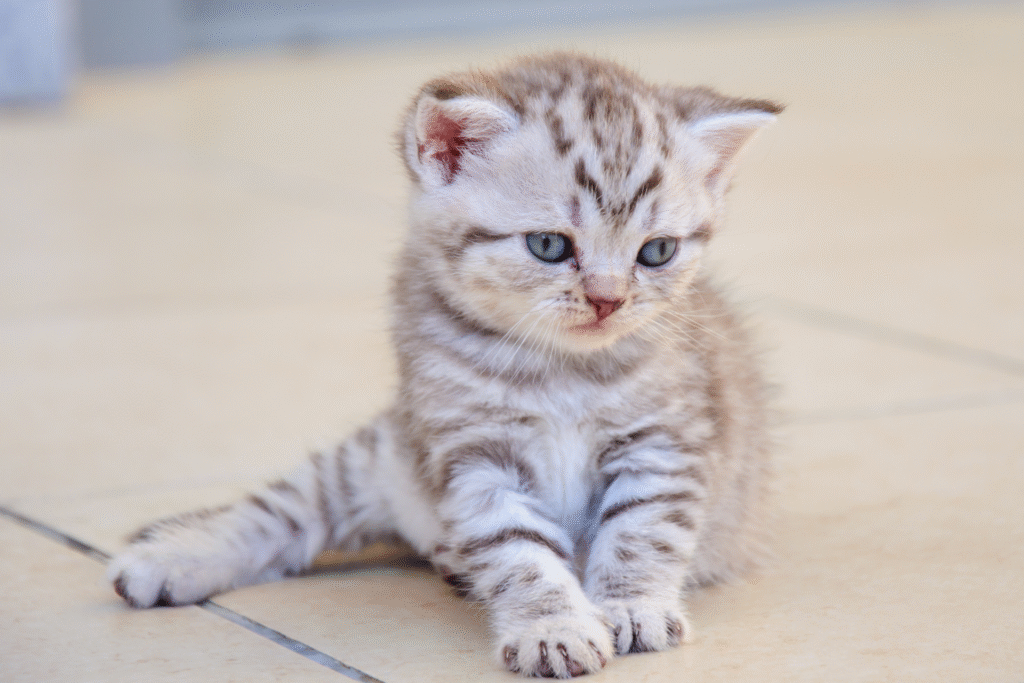
Several countries restrict breeding Scottish Folds because the gene that creates the folded ears is the same gene that produces skeletal disease. Regulatory boards and welfare groups argue that continuing to breed affected cats guarantees chronic pain in future generations. These debates shape policies across Europe and parts of Asia.
The cats themselves deserve thoughtful, compassionate care, but the ongoing demand for folded ears keeps pressure on breeders to produce more animals carrying the mutation.
9. Some breeders minimize the severity of the condition.
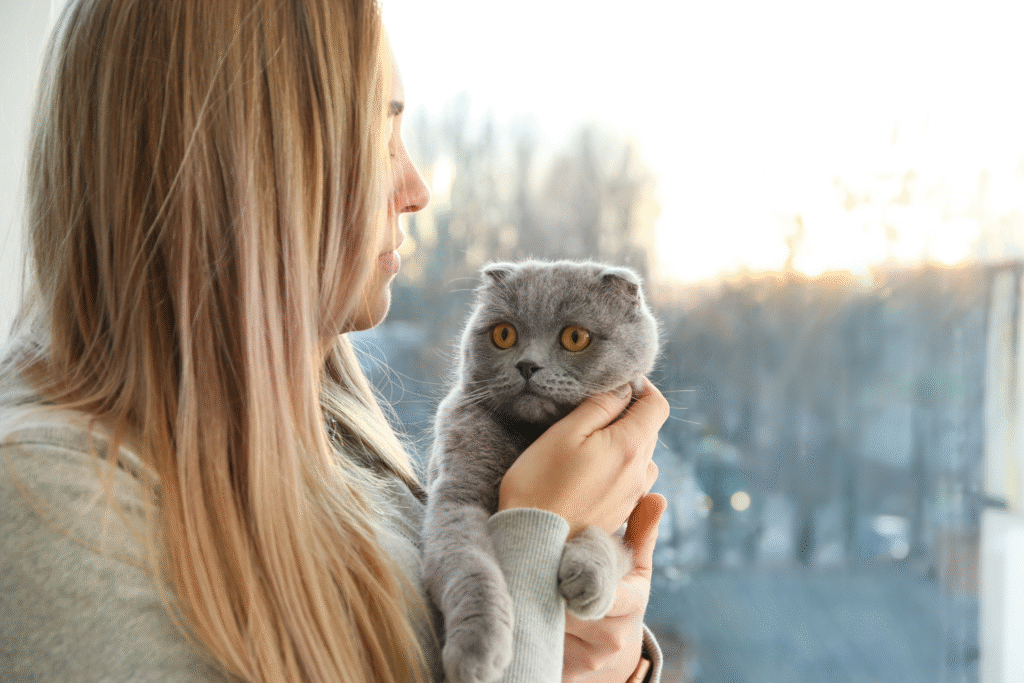
While responsible breeders acknowledge the genetic risks, others soften the truth when speaking with prospective owners. They may describe the ear fold as harmless or downplay the connection between the mutation and joint disease. Families only discover the reality months or years later when symptoms begin stacking up.
Honest, transparent guidance is critical for anyone considering this breed. The charm is real, but so is the responsibility, and it starts with understanding what the folded ear truly represents.