
Small errors can quietly shape unstable behavior.
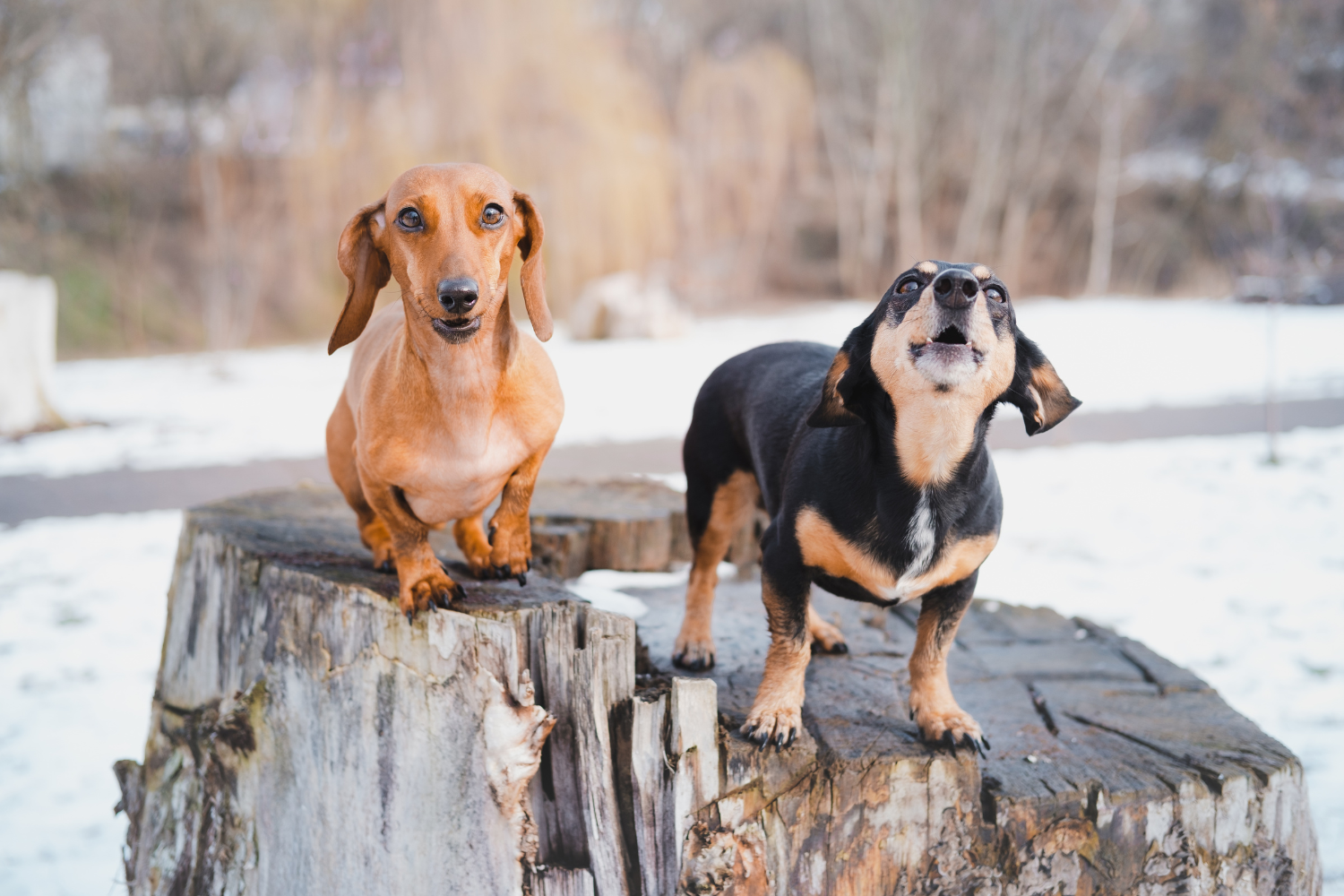
Dogs absorb the world in ways that often surprise their owners, and tiny missteps can snowball into lifelong behavioral trouble. Fear and aggression rarely erupt out of nowhere, they build through moments that seem harmless at the time. When people rush routines, miss subtle stress cues, or rely on outdated advice, dogs learn to cope through defensiveness. Understanding how these mistakes unfold makes the entire dynamic feel far more human and far more preventable.
1. Early handling gets rushed during critical periods.
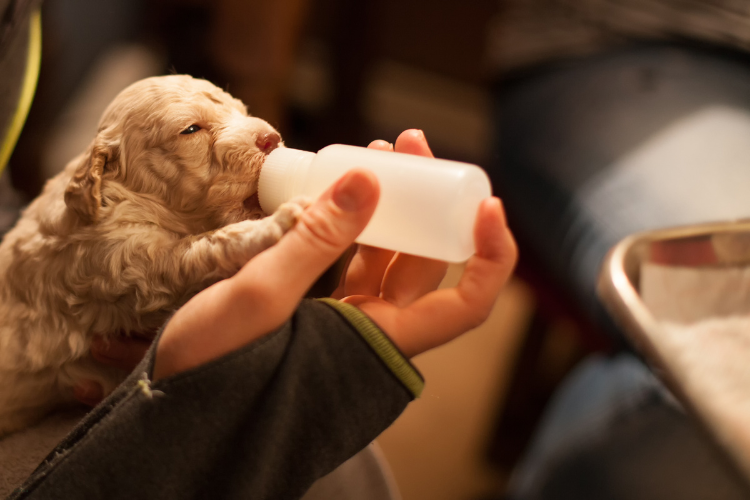
Many puppies stumble through their first weeks without thoughtful exposure, and this gap can harden into anxiety later. Studies highlight how limited contact between three and fourteen weeks can influence long term fear responses, as reported by the American Veterinary Medical Association. When owners skip gentle touch or structured introductions, dogs default to suspicion instead of curiosity.
Those early weeks shape how a dog interprets novelty for the rest of its life. Without steady reassurance, unfamiliar sounds or movements become unpredictable and unsafe. You can almost see the chain reaction unfold as the dog grows, every unexpected event reinforcing the same old tension.
2. Some owners normalize harsh verbal corrections too often.

Over time, raised voices or sharp reprimands teach dogs that humans can become unpredictable sources of stress. This inconsistency matters far more than people realize, as stated by the Journal of Veterinary Behavior in a comparative stress review. When a dog cannot predict how a person will respond, it often shifts into self protection instead of cooperation.
Eventually the household tone changes without anyone meaning for it to happen. The dog starts watching everyone with constant vigilance, waiting for the next outburst. That kind of pressure can simmer quietly until fear spills into defensive aggression.
3. Owners sometimes mistake avoidance for obedience.
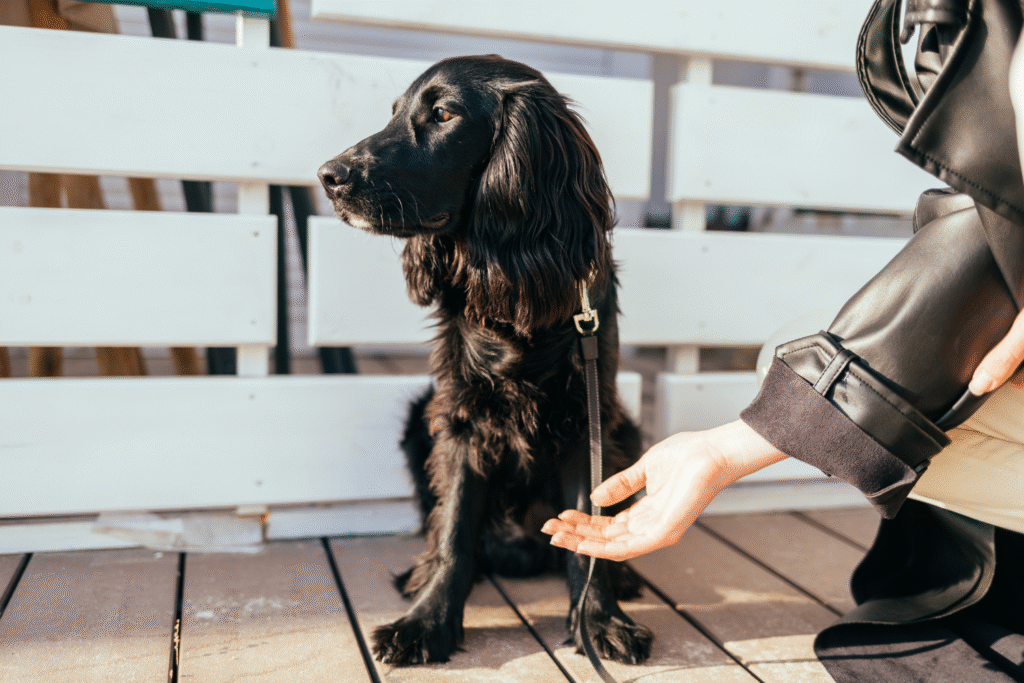
A dog that freezes or looks away is not being polite, it is signaling distress that often goes ignored. Research reviews on canine communication, as discovered by the International Association of Animal Behavior Consultants, show that subtle withdrawal is an early fear cue. When owners misunderstand these quiet signals, the dog learns that communication fails.
As the habit strengthens, the dog begins choosing stronger responses. Small moments escalate because the softer warnings never mattered. The result is a dog that leaps straight from silence to snapping, not because it wants conflict but because its gentler requests were overlooked.
4. Inconsistent boundaries slowly erode a dog’s trust.

When expectations shift from day to day, dogs are left guessing which behaviors are safe. That uncertainty gradually hardens into wariness. A dog that cannot rely on stable rules often builds defensive habits simply to stay in control. Over time those habits feel like personality traits even though they started as coping strategies.
Confusion makes the entire environment feel slippery. Dogs thrive when life is predictable, and the absence of structure often leads them to fill in the gaps. That guesswork invites fear, and frightened dogs sometimes choose aggression when nothing else seems to work.
5. Some people overwhelm dogs with chaotic social introductions.

Dogs that lack choice or space during greetings can panic quickly, especially in crowded areas or tight hallways. When a dog realizes it cannot retreat, its fear grows sharper and its reactions become more dramatic. Owners often misinterpret this as dominance when it is actually pressure building in silence.
With each stressful meeting, the dog links new faces with tension. That association sticks. Soon the dog anticipates negative outcomes long before anyone gets close. Social experiences lose their ease because every encounter feels like a threat.
6. Chronic under exercise creates restless, reactive behavior.
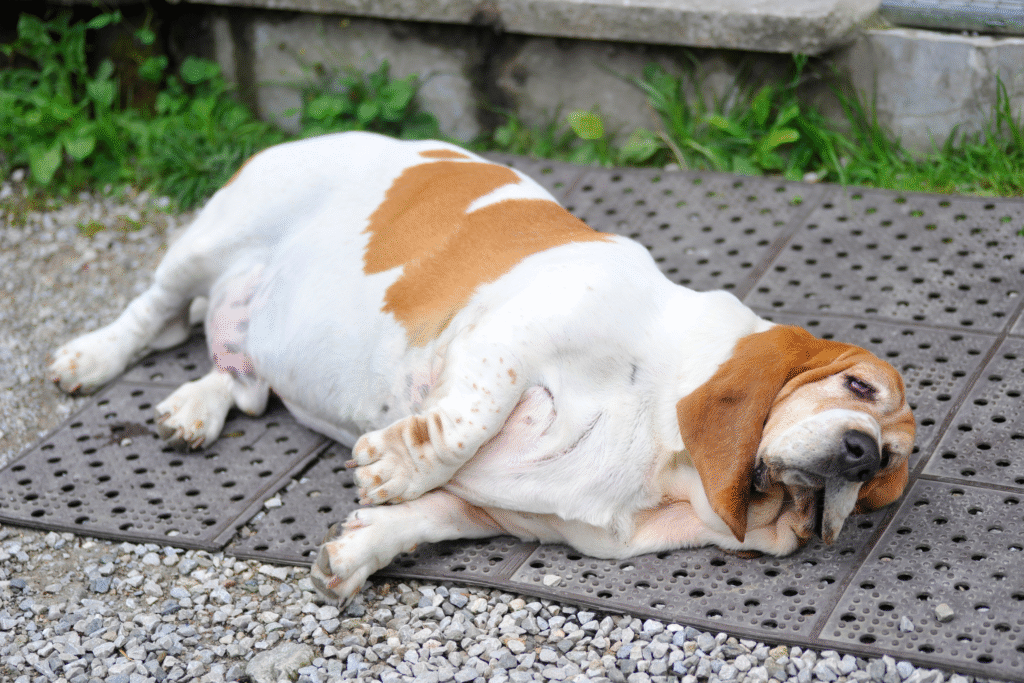
Dogs blocked from regular movement accumulate physical tension that bleeds into emotional tension. This imbalance shows up as irritability or short fuse reactions that catch owners off guard. A dog that cannot burn energy has fewer resources for self control when stress hits.
That pent up restlessness then collides with everyday life. Doorbells, visitors, sudden noises, all feel louder when a dog is under stimulated. Over time the dog begins reacting with intensity simply because its body and mind never settle.
7. Pain often goes unnoticed until behavior changes.
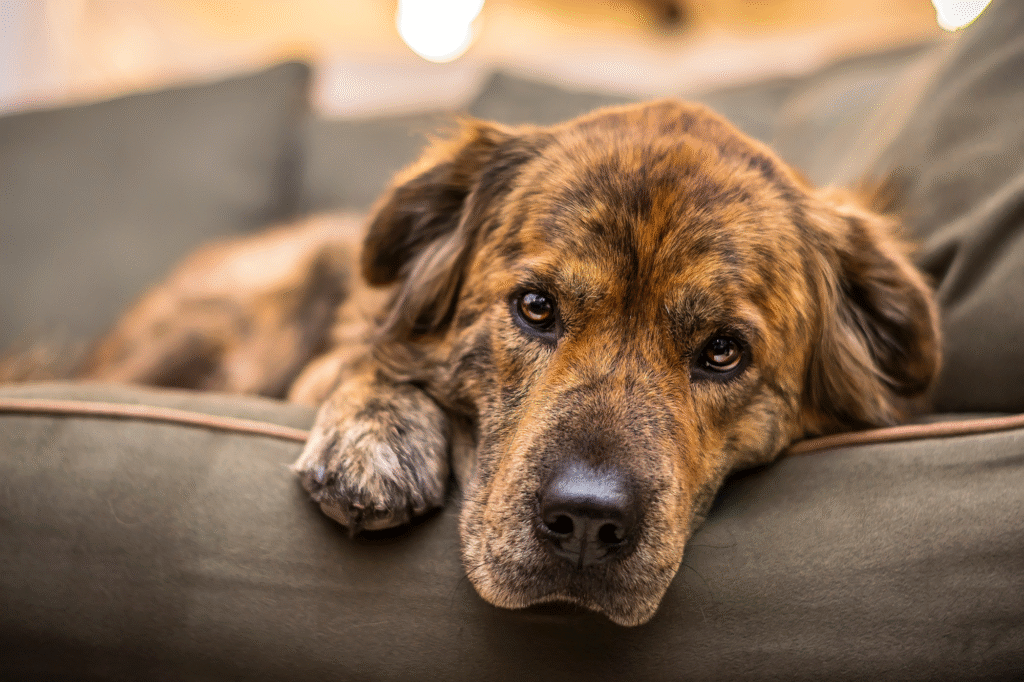
A dog with aching joints, dental discomfort, or chronic inflammation may show fear or irritability long before limping or yelping. The behavioral shift seems sudden to owners even though the dog has been living quietly with discomfort. Pain shortens patience and magnifies startle responses.
Once the dog links touch or movement with discomfort, defensiveness becomes its shield. That reaction can look like aggression when it is really self preservation. Many dogs return to calm once the underlying issue is treated.
8. Forced interactions create long term distrust.
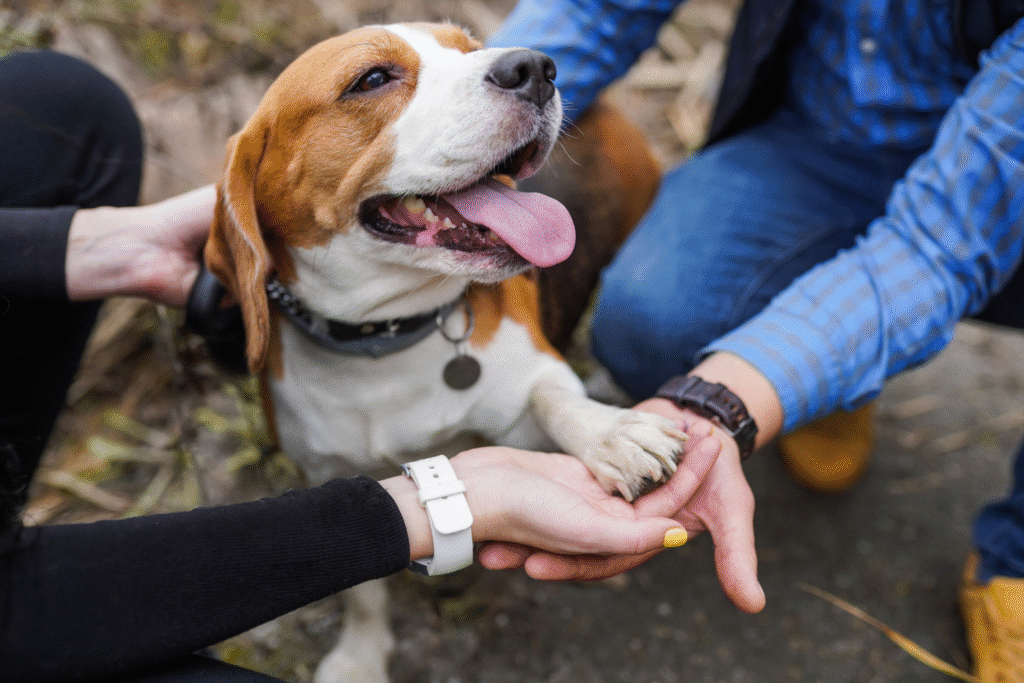
Pushing a dog toward strangers, children, or unfamiliar dogs can backfire quickly. Each unwanted interaction chips away at the dog’s sense of control. When the dog realizes escape is impossible, it starts using bigger signals to make space. Those signals are often interpreted as aggression rather than boundary setting.
Over repeated experiences, that loss of agency becomes the dog’s core memory. Future interactions feel risky even when safe. The dog grows more reactive because past pressure still influences its choices.
9. Some owners react to fear with confrontation.
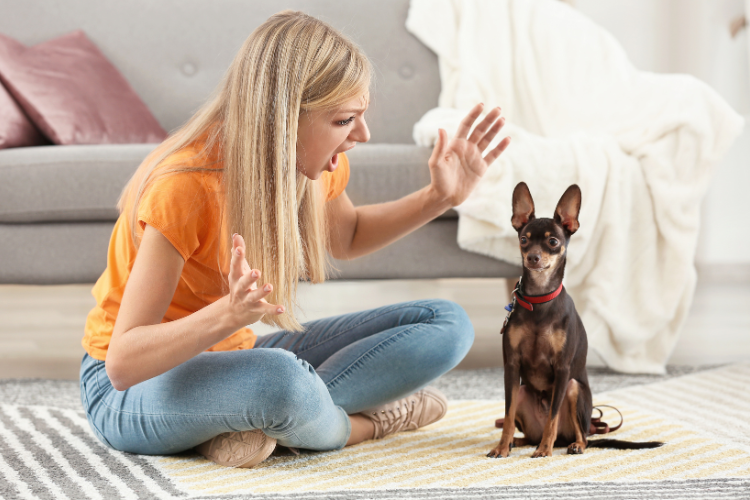
Dogs showing anxiety often need slow approaches and calm reassurance, yet many people respond by physically or verbally escalating. This pins the dog into a defensive corner. A threatened dog stops learning and starts self protecting, which pushes the behavior in a more aggressive direction.
As confrontations accumulate, the dog begins expecting conflict. Even neutral situations feel loaded. The dog’s reactions become larger because anticipating danger becomes its default.
10. Dogs left isolated too often lose emotional resilience.

Extended alone time can erode a dog’s confidence, making everyday moments feel heavier. Isolation removes social buffering that stabilizes a dog’s nervous system. When owners return, the dog may appear clingy, jumpy, or overwhelmed by minor triggers.
Eventually the dog becomes hypersensitive to environmental changes. That fragility can lead to barking, growling, or snapping when routines shift. The dog is not choosing aggression so much as grasping for security in a world that feels unpredictable.