
Subtle shifts can reveal trouble sooner.

Most cats hide illness with an instinctive quietness that makes early problems easy to miss. Diabetes is one of those conditions that builds slowly, slipping into daily routines before anyone notices what has changed. Yet the earliest clues often unfold in tiny moments around the home, moments that seem harmless until they line up into a pattern. Catching those shifts early can change everything, especially when a disease starts whispering long before it roars.
1. Drinking habits begin expanding quietly at home.
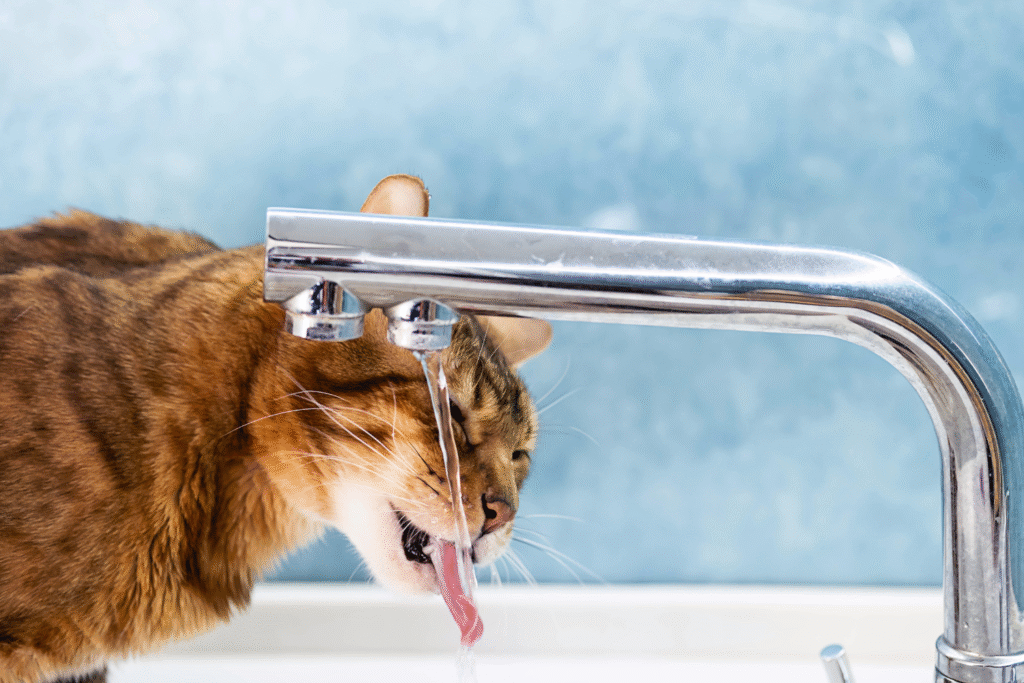
Many cats with early diabetes start visiting the water bowl more often. Owners may catch them lingering longer or returning sooner than usual, a subtle behavior shift that stands out only in hindsight. Increased thirst is one of the earliest physiological signs because rising blood sugar pulls fluid from the tissues, according to the American Veterinary Medical Association. That dehydration drives the cat to drink more, even if the rest of their routine looks unchanged.
Over days or weeks the bowl empties faster, and owners might top it off more often without thinking much about it. The change rarely feels dramatic at first. Yet this added thirst marks the body working harder to rebalance itself. Watching water levels more closely can reveal the first threads of a quiet health shift.
2. Litter box clumps grow larger without explanation.

As glucose spills into the urine, the kidneys draw out extra water in an attempt to dilute it. This makes urine output rise steadily, often long before weight loss or appetite changes become noticeable, as reported by Cornell University’s Feline Health Center. Many owners only recognize the shift when scooping becomes more frequent or clumps begin to look unusually large.
The change is easy to dismiss as a difference in litter or hydration, especially in multi cat homes. Yet steady and unexplained increases in urine volume often reflect early metabolic imbalance. The litter box becomes a window into the body’s attempt to compensate for rising glucose levels.
3. Appetite increases even as the cat loses weight.

A surprising number of diabetic cats eat more than usual but continue to thin out. Their bodies cannot effectively convert food into energy, creating a cycle where hunger intensifies despite good access to meals, as stated by the Merck Veterinary Manual. This mismatch between intake and weight is a classic early sign that metabolism is shifting.
Owners may first notice ribs becoming more defined or the spine feeling sharper during petting sessions. Despite these changes, the cat remains eager at mealtime, sometimes more persistent than ever. That contradiction between appetite and body condition forms one of the clearest early warnings.
4. Grooming habits grow inconsistent or unusually slow.
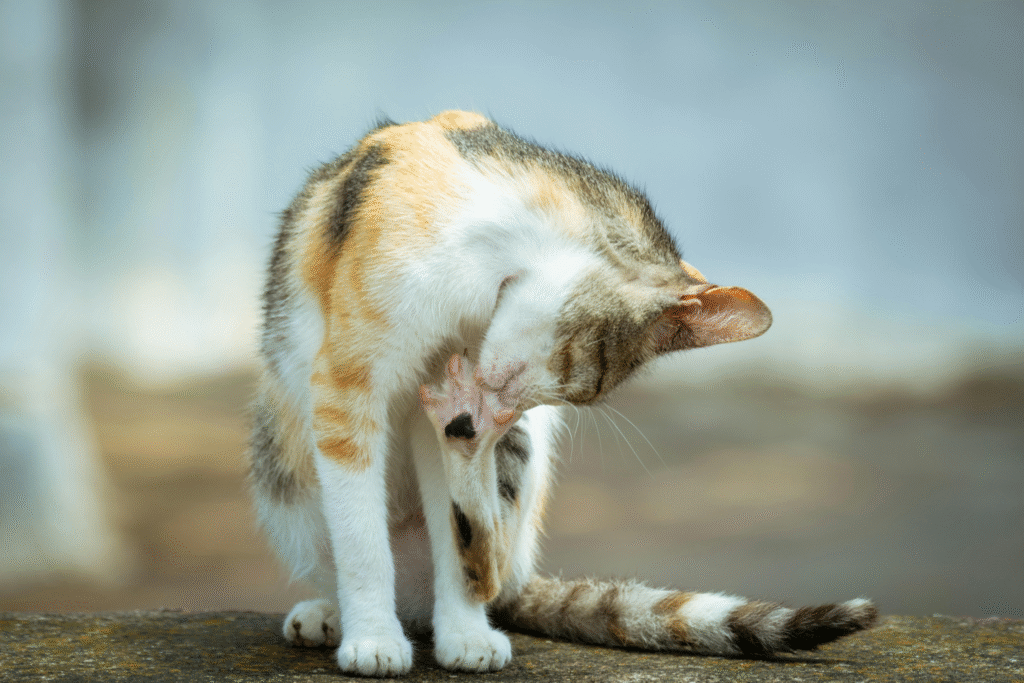
Cats with early diabetes sometimes lose stamina for thorough grooming. Their coat may look slightly dull or clumpy in places where they once kept every hair smoothed. This happens because fluctuating blood sugar drains energy reserves, making daily maintenance feel more taxing than before.
The change unfolds quietly. A patch behind the ears looks rougher, or the back legs lose their usual shine. These subtle shifts do not scream illness, but they reflect a body working harder to stay balanced. Recognizing small grooming changes can help reveal the early progression of metabolic stress.
5. Sleep patterns stretch longer throughout the day.

Although cats sleep often, most have recognizable rhythms that fit their household. When early diabetes develops, those rhythms drift. Cats may sleep deeper or longer, waking less for play or interactions. Their energy spreads thin as insulin resistance disrupts normal fuel use inside the body.
This fatigue grows gradually. A cat that once greeted people at the door may stay curled in the same warm corner instead. They are not necessarily distressed but feel less motivated to move. That lingering tiredness forms a quiet clue that the internal balance is shifting.
6. Jumping becomes more hesitant over time.
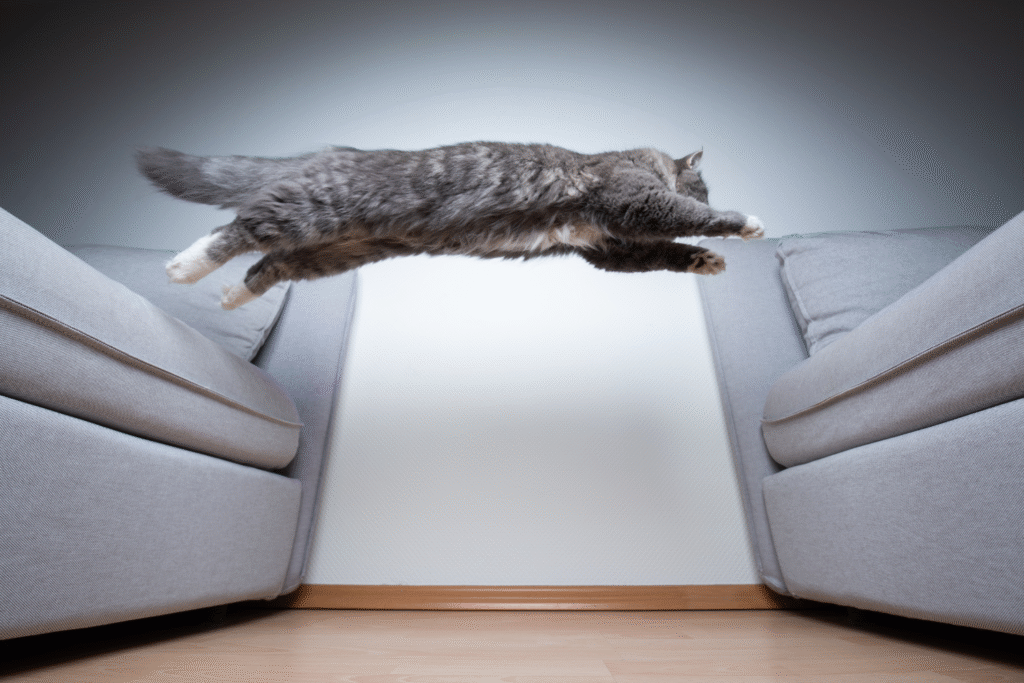
Some diabetic cats experience early nerve changes that make jumping less fluid. They may pause before leaping to a counter or misjudge the height of a favorite chair. These hesitations often appear mild at first, becoming clearer as the weeks pass.
Owners sometimes mistake this for aging, especially in middle aged cats. Yet small missteps can hint at emerging nerve stress caused by prolonged high blood sugar. The body adjusts subtly at first, with hesitation replacing once confident movement.
7. Back legs start showing a slight weakness.
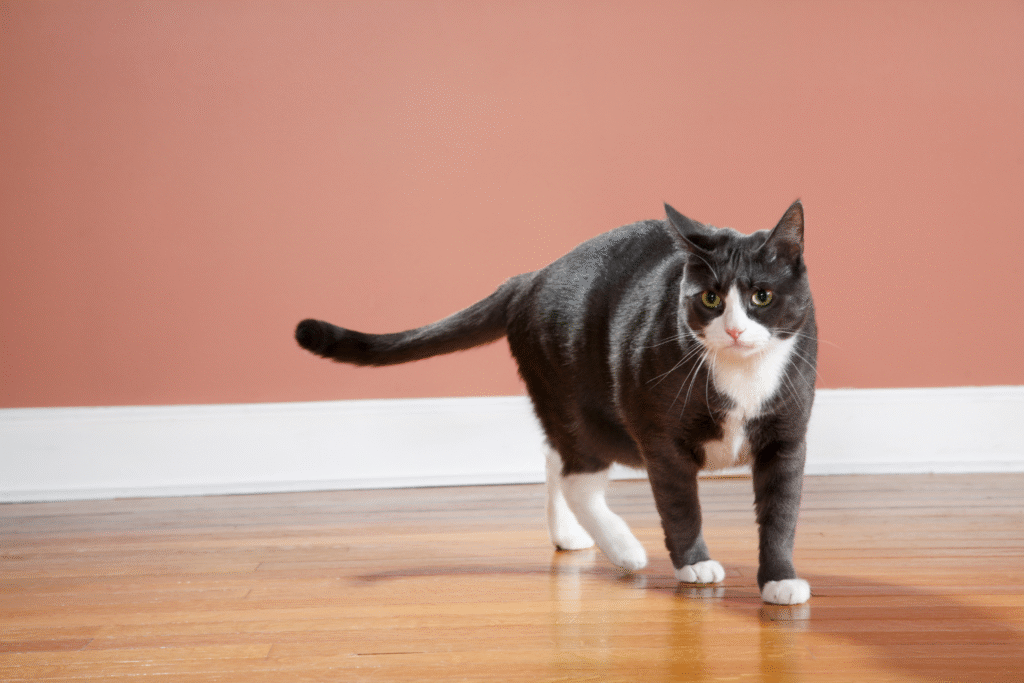
As nerve fibers weaken, diabetic cats may begin lowering their hocks when walking. The stance is subtle early on, often showing only when the cat stretches after a nap. Over time the cat may walk with a flatter angle on the back legs, indicating reduced nerve resilience.
This weakness progresses slowly, giving owners time to notice its earliest stages if they look closely. Even mild changes in gait can reflect early neurological shifts tied to diabetes. The earlier they are recognized, the more reversible they may be.
8. Sudden moments of irritability appear unexpectedly.
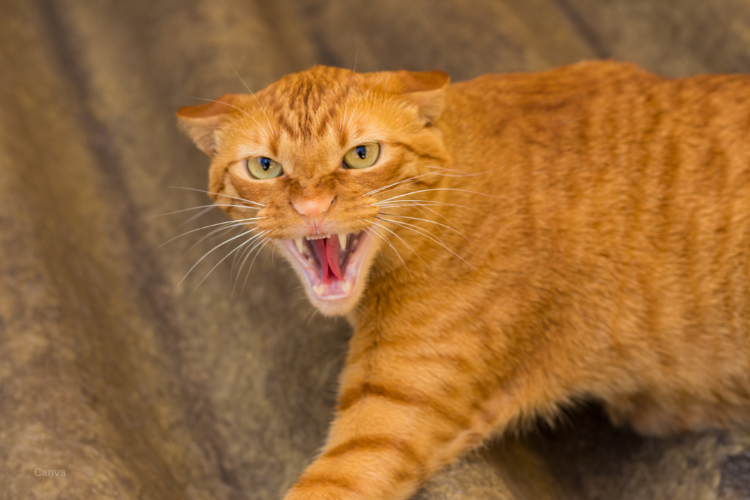
Fluctuating blood sugar can make some cats more reactive during casual interactions. A cat that once enjoyed long petting sessions may pull away sooner or grow tense without obvious reason. These mood changes often reflect discomfort or fatigue even before physical symptoms become pronounced.
The irritability does not define the cat. It arises from internal stress they cannot communicate directly. Recognizing emotional changes helps owners connect behavioral shifts to possible metabolic issues, prompting earlier evaluation when physical signs remain faint.
9. Subtle vision changes alter how the cat navigates.

Early diabetes can begin affecting the eyes before owners notice anything dramatic. Cats may track moving objects less smoothly or approach surfaces with more careful steps. Their pupils may appear slightly more dilated in low light as the body adapts to shifting pressure inside the eye.
These differences unfold slowly. A cat may hesitate before jumping into familiar spaces or misjudge distances by small margins. While mild at first, these navigation changes can reflect early complications tied to unstable blood sugar.