
Subtle signs reveal more than owners realize.
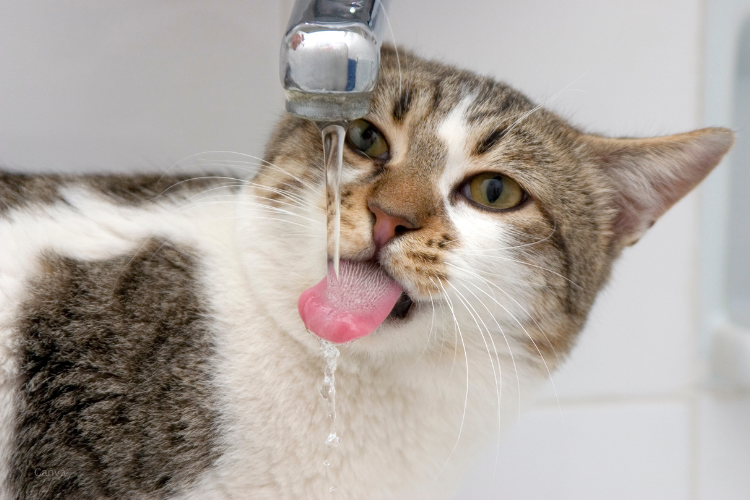
Cats rarely broadcast when something is wrong, and increased drinking often slips under the radar until the water bowl starts emptying faster than usual. A thirsty cat can signal anything from a mild shift in diet to the early stages of a serious condition. Because these changes unfold quietly, knowing what counts as excessive becomes a small but powerful form of protection that helps catch trouble early.
1. Excess thirst often marks early kidney changes.

A cat that returns to the water bowl again and again may be signaling the earliest stage of chronic kidney disease. Many owners in busy homes miss how often this happens until it becomes impossible to ignore according to the Cornell Feline Health Center. The kidneys struggle to concentrate urine, so the cat compensates by drinking more.
Over weeks or months the increase becomes more obvious. Owners notice soaked litter, larger clumps, and a subtle shift in the cat’s energy. Even if appetite holds steady, these quiet signs matter because kidney issues tend to unfold slowly, giving you only small clues at first.
2. Rising water intake can follow silent diabetes onset.
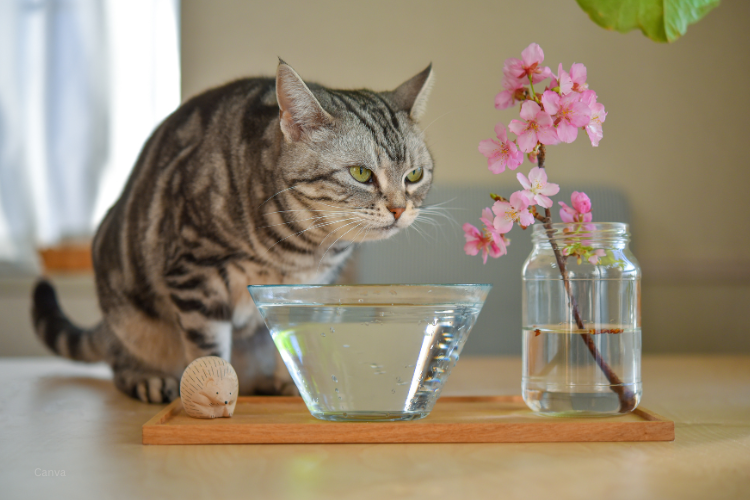
Some cats drink heavily because their bodies cannot properly process glucose. This leads to excess sugar spilling into urine, pulling water with it. The pattern can appear suddenly or build gradually, as stated by the American Diabetes Association in discussions about companion animal parallels. Many owners first notice the constant trips to the bowl before observing weight changes.
As the cycle deepens, cats grow hungrier yet thinner because their cells cannot use the energy they consume. The extra drinking becomes part of a larger picture of fatigue, messy litter routines, and a growing sense that something feels off long before diagnosis.
3. Heat or stress sometimes pushes cats to over drink.

A cat exposed to unusually warm indoor conditions or emotional tension may try to regulate its body by increasing fluid intake. Veterinarians often note this seasonal pattern as reported by the Merck Veterinary Manual in hydration guidance. It tends to ebb and flow in ways owners can track once they know what they are seeing.
Still, stress related drinking may appear in households where routines change quickly. New pets, visitors, or loud renovations can nudge a sensitive cat toward the water bowl. The increase usually settles once the environment stabilizes and the cat feels safe again.
4. Some medications can raise thirst unexpectedly.
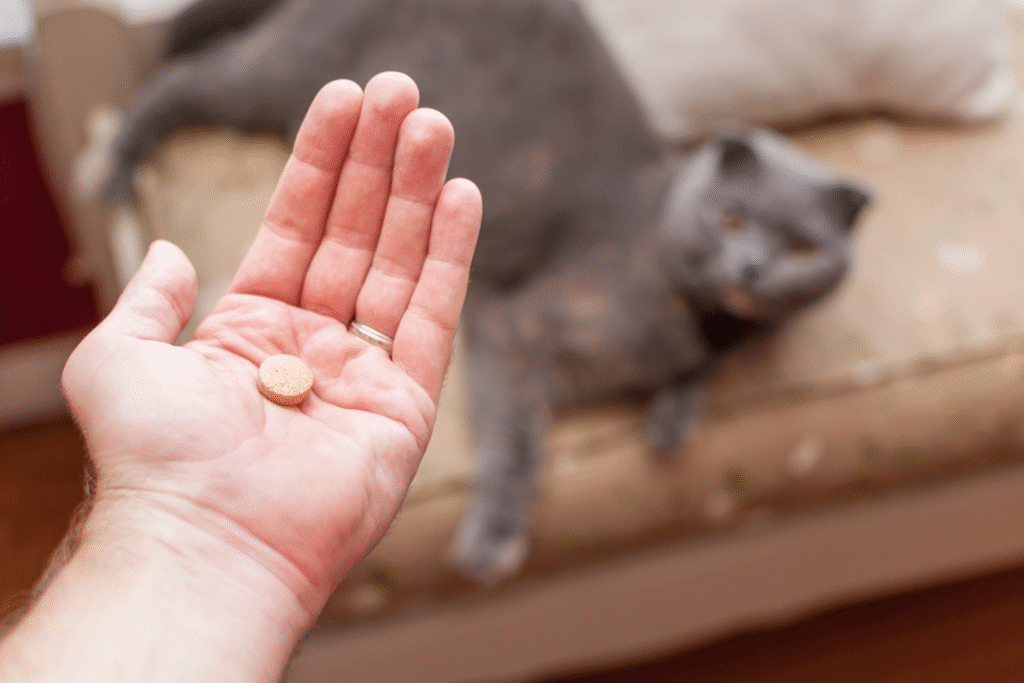
Drugs such as steroids or certain diuretics can subtly shift how a cat’s body handles fluids. Owners giving these medications often focus on the primary issue and miss the early signs of increased drinking. The change can be mild at first, yet still meaningful. When the medication course ends, thirst often returns to normal.
If the drinking continues, it may reveal an underlying issue that existed before treatment began. Monitoring those patterns can help make sense of what belongs to the medication and what belongs to the cat’s body responding to something deeper.
5. A sudden preference for running water may signal discomfort.
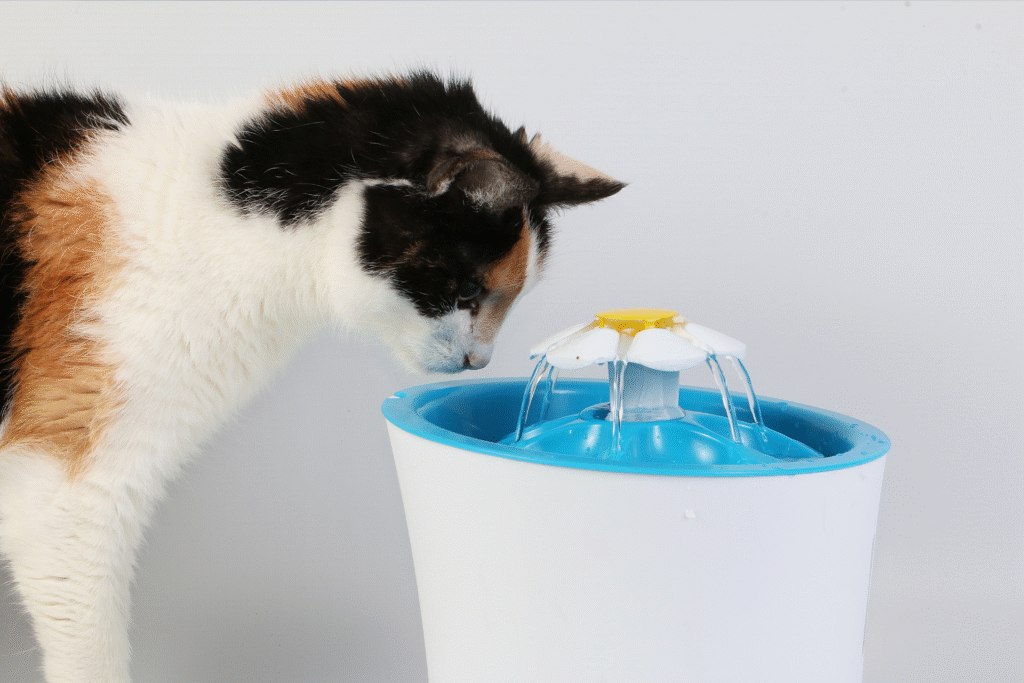
Cats that ignore their bowl but hover near faucets or fountains may be reacting to nausea or abdominal tension. Running water sometimes feels fresher and easier for them to tolerate. That shift in preference is often quiet, unfolding over several days. Owners who catch it early often notice other subtle signs appearing shortly after.
When the behavior persists, it is often part of a bigger internal imbalance. The change might appear small, but it shows a cat adjusting to discomfort in the only way it can.
6. Increased drinking after dietary changes deserves attention.

Wet food, dry food, and mixed feeding all influence hydration differently. Cats shifting from canned diets to dry kibble tend to drink more to compensate. The increase is usually normal, yet it also becomes a useful benchmark. If the cat drinks far more than expected for the diet, that discrepancy raises important questions.
Over time that baseline helps owners detect abnormalities more accurately. When the pattern suddenly spikes beyond what the food warrants, it often signals that something inside the body has started pulling extra water.
7. High volume urination often trails behind rising thirst.

Cats that drink more naturally produce larger litter clumps. Owners often discover changes in hydration by noticing the litter box rather than the bowl. Oversized clumps or more frequent visits reflect how the kidneys are handling fluid overload. This trail of evidence helps clarify whether the drinking is an anomaly or part of a bigger chain.
Watching litter patterns over time also reveals which shifts are temporary and which ones stick. When the litter box keeps changing, the cause usually extends beyond simple habit.
8. Middle aged cats face rising risks for hidden illness.

Cats around seven to ten years old often experience subtle metabolic shifts. Those changes can affect kidneys, pancreas function, and hormone balance. Drinking more becomes one of the earliest shared signs across several conditions. A pattern that felt harmless in a younger cat suddenly becomes more meaningful in an older one.
Owners sometimes assume age alone explains these changes, but that assumption delays early intervention. The small details matter more in these years, and thirst becomes one of the easiest signals to monitor.
9. Behavioral changes often accompany physical thirst spikes.
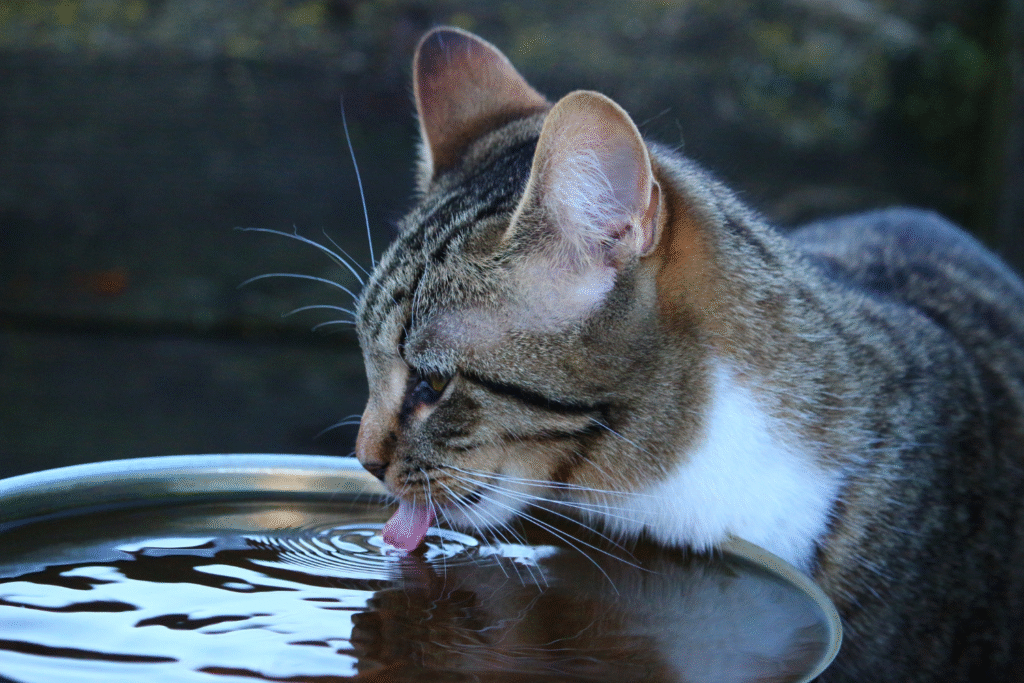
A thirsty cat might pace more, vocalize at night, or lurk near the water bowl as if waiting for something. These behaviors fill in important context that makes the drinking pattern easier to understand. Many owners describe their cat seeming restless or oddly clingy during this period.
When these behaviors combine with steady over drinking, the pattern becomes more compelling. It signals both physical and emotional strain that should not be ignored, especially when it persists longer than a week.
10. Veterinary evaluation becomes essential when patterns persist.
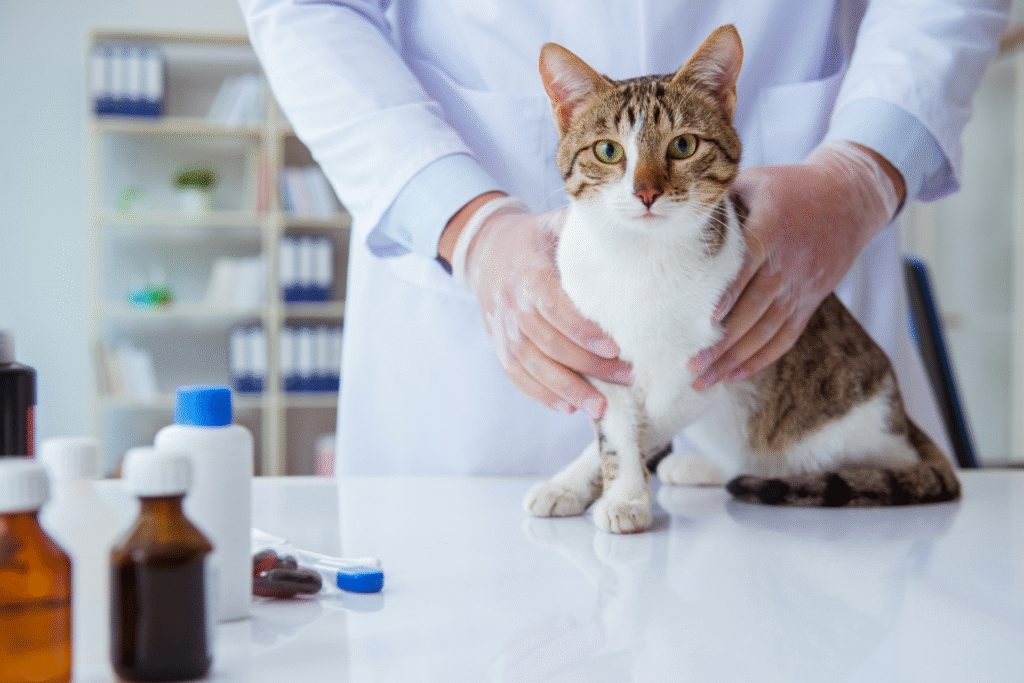
A cat drinking heavily for more than a few days benefits from a professional check. Bloodwork, urine testing, and imaging reveal issues that owners cannot see at home. Early evaluation often prevents long term damage by catching conditions in their earliest stages.
Waiting too long leaves cats struggling quietly with conditions that worsen gradually. Responding sooner gives them the best chance at recovery and offers owners clarity instead of worry. Each small sign becomes part of a bigger story once a veterinarian connects the dots.