
Ancient knowledge shapes modern medicine more than acknowledged.

For centuries pharmaceutical progress has been framed as a triumph of modern labs, sterile benches and synthetic chemistry. Yet the deeper researchers look into the origins of today’s most influential drugs, the more they find earlier knowledge embedded beneath them. Across continents, Indigenous communities spent generations refining plant based treatments long before science understood why they worked. Now new analyses are revealing just how much of today’s medicine rests on discoveries that began around fires, forests and shared ancestral memory.
1. Many cornerstone drugs trace back to Indigenous knowledge.
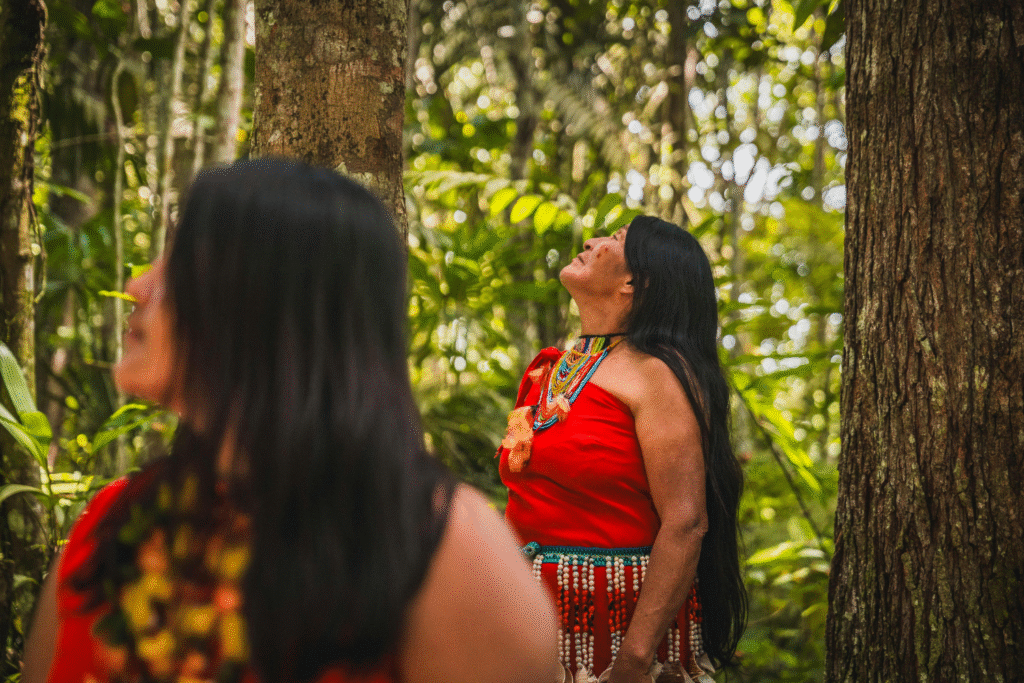
Researchers examining historical pharmacology found that a significant portion of modern medications emerged from remedies used by Indigenous cultures, as reported by the World Health Organization. These treatments were known for generations before scientific validation. When early explorers documented these practices, they became the foundation for later laboratory breakthroughs.
The drugs that followed often bore new names and formulations, but their roots were already deeply established. The shift from traditional preparation to pharmaceutical refinement did not erase that lineage. Instead it highlighted how ancient observations formed the earliest blueprint for medicinal chemistry.
2. Pain relief methods originated long before clinical science.

Compounds used in modern analgesics were modeled on plant based treatments shared by Indigenous healers. Willow bark, used widely by Native communities for inflammation, later inspired the development of aspirin, as stated by the National Institutes of Health. This connection showed how traditional practices recognized biochemical effects long before molecular mechanisms were understood.
The refinement of these compounds did not diminish the sophistication of the original remedies. Those early preparations demonstrated a practical understanding of dosage, timing and effect. Their success helped guide researchers toward the synthetic versions used worldwide today.
3. Heart medications grew from ancient botanical traditions.

Several cardiovascular drugs originated in plants identified by Indigenous groups for their effects on swelling, circulation and weakness, as discovered by the American Heart Association. Extracts from foxglove, used in European and Indigenous herbal practices, eventually guided the development of digitalis based medications still prescribed today.
This continuity showed how careful observation carried through time. Scientists refined the active components, but the fundamental insight came from knowledge passed across generations. The plant’s effects were recognized long before modern equipment could measure them precisely.
4. Antimalarial breakthroughs began with traditional forest remedies.
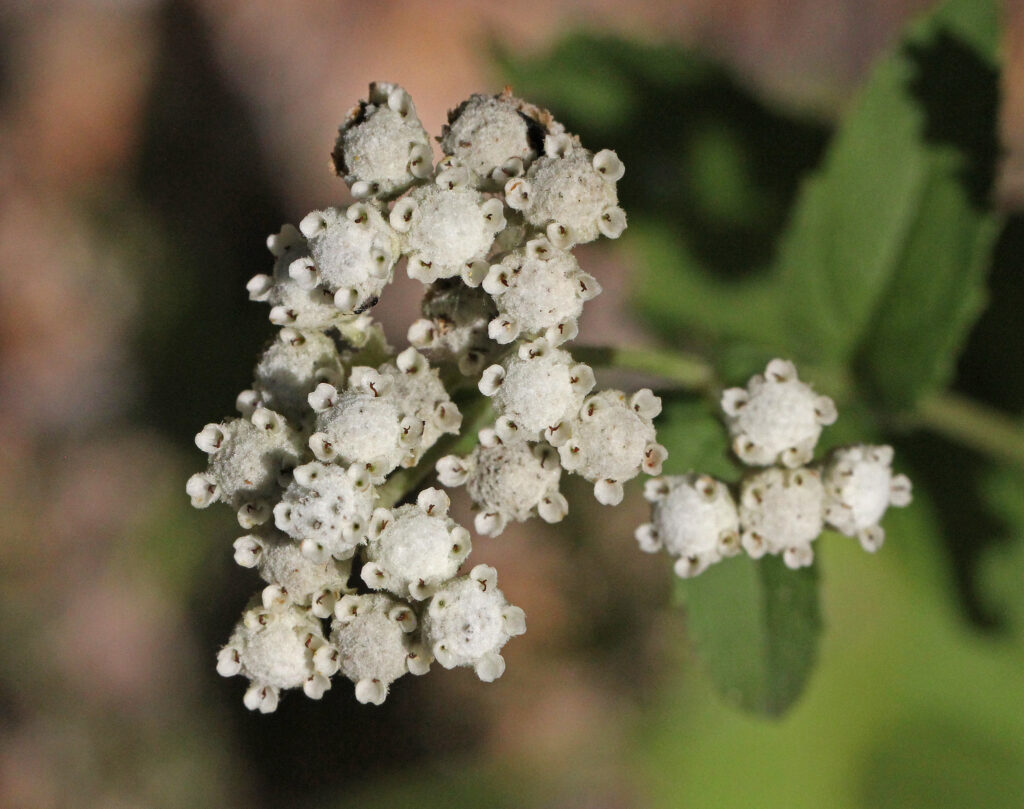
Quinine, one of the earliest effective antimalarial treatments, originated from the bark of the cinchona tree used by Indigenous communities in South America. Their understanding of the bark’s therapeutic value influenced global medicine during eras when malaria shaped entire regions. Even its modern derivatives share the same ancestral origin.
The connection between forest knowledge and laboratory synthesis illustrates how traditional remedies often formed the first reliable approach to major diseases. These botanical practices provided a starting point that scientific research later expanded into global pharmaceuticals.
5. Cancer research drew heavily from Indigenous plant use.

Several chemotherapy agents can be traced back to plants long recognized for their intense biological effects. The Madagascar periwinkle, the Pacific yew and the mayapple were all used by Indigenous healers who understood their power in ways modern science only later confirmed. Communities brewed periwinkle teas for infections, applied mayapple preparations to abnormal skin growths and relied on yew bark for pain and swelling. When researchers finally examined these plants, they uncovered the compounds that became vincristine, paclitaxel and etoposide.
The leap from traditional use to clinical application required decades of refinement. Yet those early observations revealed a remarkably sophisticated understanding of how certain plants could alter the body’s inner workings. Their knowledge sparked entire branches of cancer research and guided pharmaceutical breakthroughs that shaped modern medicine.
6. Antibiotic inspiration came from long observed natural processes.
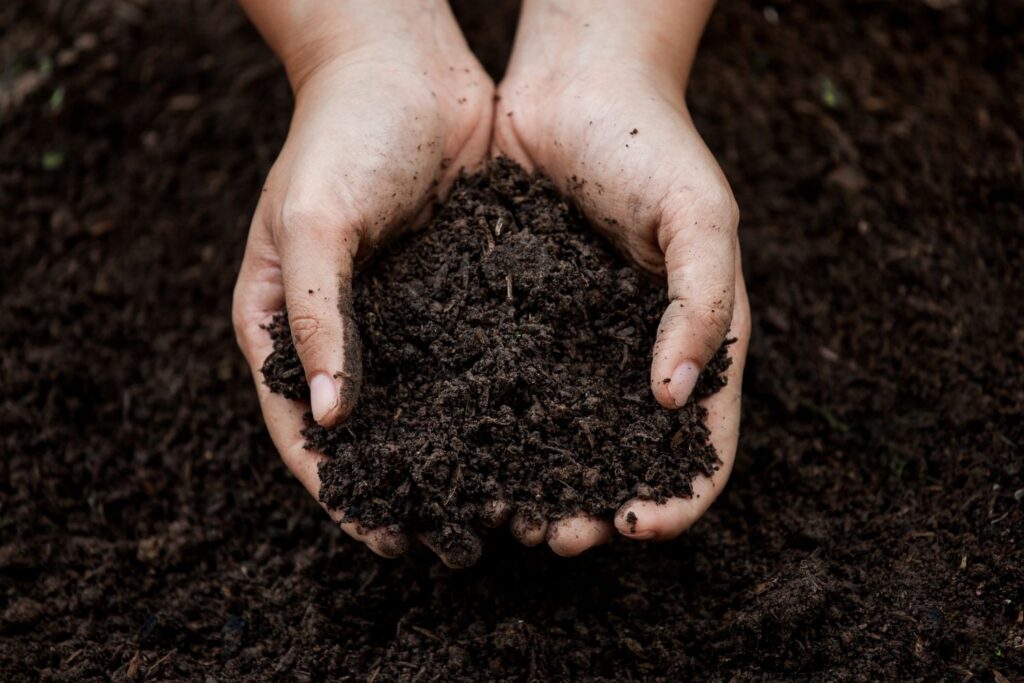
Indigenous healers used molds, clays and specific soil mixtures to treat infections long before antibiotics became standardized. Many of these materials contained bacteria that produced natural antimicrobial effects. Scientists later studied similar organisms, discovering compounds that revolutionized the fight against infection.
Although modern antibiotics differ from their ancient counterparts, the principle remained the same. Traditional treatments recognized that the natural world carried agents capable of fighting disease. That observation laid the foundation for one of the greatest shifts in medical history.
7. Respiratory therapies followed patterns seen in ancestral practices.
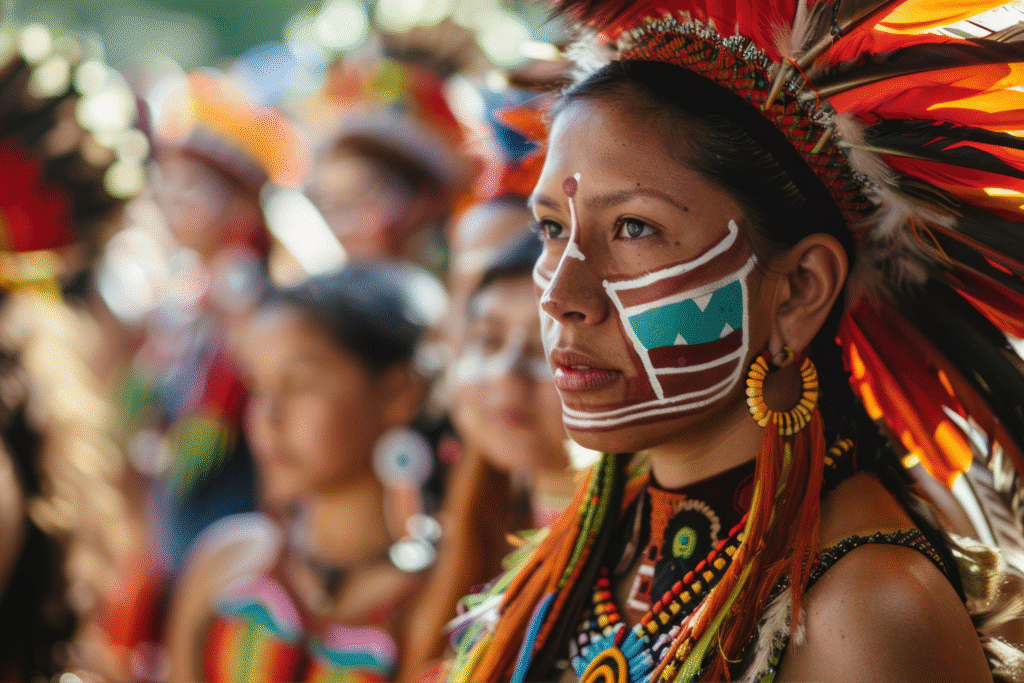
Plants with expectorant or airway opening properties were widely used across Indigenous communities. When chemists isolated their active compounds, they developed medications for asthma, bronchitis and chronic respiratory illness. Many modern inhalers and oral medications echo these early remedies.
The alignment between traditional methods and scientific understanding highlights how deeply Indigenous communities observed human physiology. They identified which plants relieved breathing difficulties and how they should be prepared. These insights shaped many of today’s respiratory treatments.
8. Digestive treatments evolved from long held botanical knowledge.

Herbal infusions used for stomach pain, nausea and digestive imbalance were central to many Indigenous systems. Their ingredients often contained compounds that modern gastroenterology later validated as effective for calming inflammation or regulating motility. The science followed the pattern that ancestral knowledge established.
These remedies offered a consistent approach to treating common ailments. Their effectiveness led researchers to study them further, eventually developing standardized medications. The lineage from plant based tradition to pharmaceutical product remained clear in the biology they shared.
9. Immune system therapies reflect ancient medicinal insight.
Plants recognized for strengthening resilience or aiding recovery formed the base for several modern immunomodulatory drugs. Indigenous healers used these species to support the body during illness or stress. Later research found that many contained compounds influencing immune pathways.
The transition from traditional practice to targeted therapy happened gradually. Yet the original understanding that certain plants could shift the body’s internal balance showed an intuitive grasp of immune biology. Modern medicine now relies on principles rooted in those earlier insights.
10. Today’s pharmaceutical industry stands on centuries of refinement.
The connection between ancestral knowledge and modern medicine becomes clearer with each study tracing drug origins backward. Scientists now acknowledge that many breakthroughs were possible only because Indigenous communities mapped out the healing properties of plants and natural materials long before laboratories existed.
Their discoveries formed the quiet backbone of pharmacology. Every refinement that followed built on foundations laid through observation, experimentation and cultural memory. The recognition emerging today does not rewrite history but completes it, revealing how deeply modern medicine is tied to the knowledge that came before it.