
Certain breeds collapse quickly when isolation hits.

Some dogs simply do not handle solitude well, and the moment the door closes they begin channeling stress into the nearest object. The destruction feels sudden to owners but is usually a chain reaction tied to genetics, energy level, and emotional need. When these dogs spend hours without direction, their instincts flare in ways that transform the home into evidence of their struggle, showing how deeply the absence of their person affects them.
1. Labrador Retrievers unravel quickly when boredom builds.

Many Labradors under five years old lose composure when the house falls silent. With their working lineage, mental and physical stimulation is part of their baseline, and without it they drift into frantic chewing. Furniture, shoes, blankets, and even door frames become outlets according to the American Kennel Club’s breed activity guidance. The longer the confinement lasts, the faster the stress compounds until chewing feels like the only available release.
As the hours pass, their emotional state shifts. What starts as restlessness often turns into pacing, whining, and grabbing objects that smell like their favorite person. Labradors attempt to self regulate through repetitive behaviors, and destruction becomes their fallback strategy. Owners returning home see the aftermath, not the buildup, missing how slowly the anxiety crept in while the dog tried to cope alone.
2. Huskies can devastate rooms with explosive energy.

Huskies confined indoors too long experience a dramatic spike in internal tension. Their bodies are built for endurance and pulling, not sedentary living, so the pressure that builds without movement becomes overwhelming. They often tear cushions, shred drywall, or dismantle couches within an afternoon as stated by the Mayo Clinic’s overview of high exercise dog breeds. They simply cannot hold still without turning that bottled energy outward.
Once their frustration peaks, they push through barriers because confinement feels unnatural. Climate and environment make a difference too, especially in warm homes where they grow irritable more quickly. They pace, leap onto counters, and destroy bedding in a restless loop until someone returns. The destruction is less misbehavior and more the instinctive attempt of an endurance driven dog trying to tolerate stillness.
3. Beagles rely heavily on scent work to stay balanced.

Beagles deprived of olfactory enrichment often start tearing through laundry or scratching at cabinets. Their minds are structured around tracking scent trails, so losing access to stimulation leaves them adrift. This pattern shows up repeatedly in clinical behavior reviews, as reported by the Veterinary Information Network in their case analyses. Without a scent path to follow, they search for anything carrying outdoor smells, including shoes, bags, and door frames.
As their restlessness grows, they can become more vocal and determined. Many owners interpret the destruction as stubbornness when it is actually a sensory driven dog without an outlet. They dig into blankets, shred soft materials, or pester corners of the home because their instincts demand a task. Time alone magnifies that urge, turning minor fidgeting into full blown destruction.
4. Young Boxers struggle to manage their intense momentum.

Boxers carry a kinetic energy that does not fade just because the environment becomes quiet. Their muscles, attention, and impulses remain switched on, and without human direction that pressure spills into chaotic activity. Shoes get tossed, blankets dragged, and toys dismantled as they try to burn energy in a confined space. Even a short absence can trigger escalating behavior if the dog is already restless.
Over longer periods, they begin creating their own stimulation. They sprint across rooms, collide with furniture, and test anything that can be moved or chewed. The destruction is not malicious, it is momentum looking for a landing place. Their bodies demand movement, and the home becomes the canvas for that need when no one is there to guide them.
5. Australian Shepherds unravel quickly without mental structure.
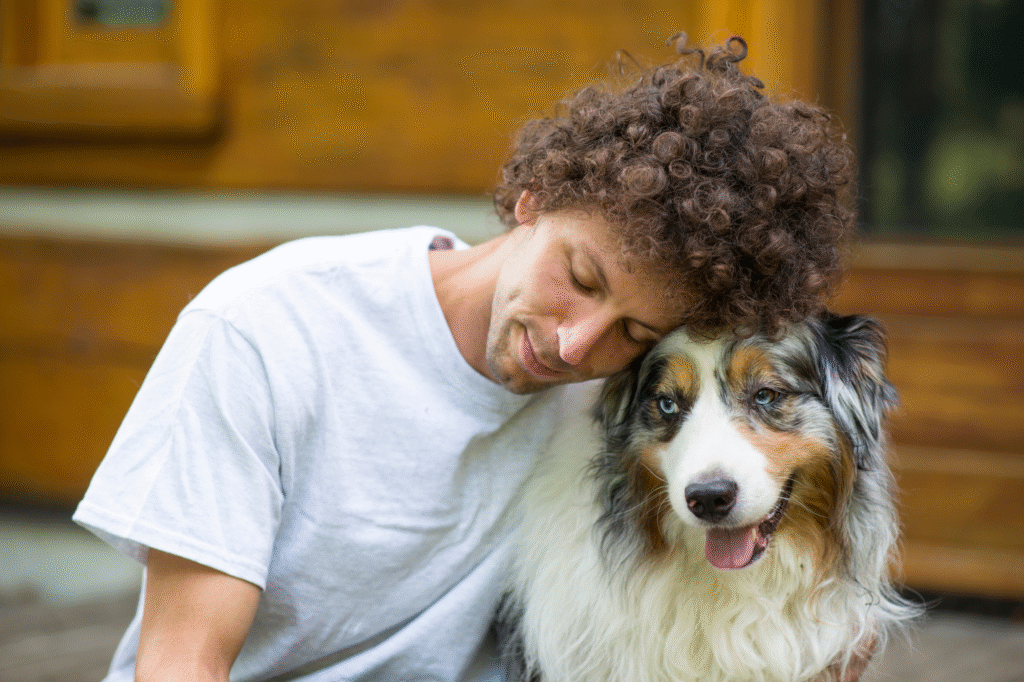
Australian Shepherds depend on cognitive engagement more than most breeds. When they lose access to tasks, puzzles, or directional cues, their minds turn inward and begin searching for problems to solve. That search often ends with them dismantling rugs, reorganizing objects, or chewing anything within reach. Their stress rises not from boredom alone but from the absence of purpose, which their working lineage depends on to stay steady.
As the hours continue, they begin anticipating threats or changes in the environment, which amplifies tension. They become hyper aware of sounds and shadows, interpreting random stimuli as something they need to manage. Destruction becomes a way to discharge the nervous energy their brain creates in the absence of work. The home simply absorbs the overflow of an overactive mind.
6. Dachshunds often dig through belongings during separation.

Dachshunds lean deeply into their tunneling instincts when left alone. Blankets, cushions, and laundry piles become substitutes for underground pursuit, and they often burrow until the room looks upended. Their determination intensifies quickly because digging offers immediate relief from stress. Without supervision, this instinctive drive becomes the core of their destructive behavior, especially in quiet or confined spaces.
As they grow more anxious, their focus sharpens. They search for enclosed spots, push into piles, and tear through soft materials with surprising stamina. Their behavior stems from an ancestral need to chase and unearth prey, and solitude can trigger that urge. Owners returning home often find that the dog has tunneled its way through every accessible textile.
7. German Shorthaired Pointers crumble without vigorous outlets.

German Shorthaired Pointers hold massive reservoirs of energy that require steady physical release. When confined for hours, their bodies tighten with unused adrenaline that transforms into destructive impulses. They chew wood, tear bags, or pace relentlessly because standing still becomes almost physically uncomfortable. Their sensitivity to sound worsens the problem, making every noise feel like a trigger for action.
As time passes, the anxiety compounds into frantic behavior. They may leap onto counters, knock objects over, or run loops through the house. None of this comes from disobedience. It comes from a dog bred for hours of motion suddenly forced into stillness. Their destruction reflects unmet biological need rather than mischief.
8. Border Collies create chaos when their minds stall out.

Border Collies left without stimulation begin unraveling internally long before the destruction becomes visible. Their intelligence works against them, generating restless thoughts and tension that eventually demand an outlet. They claw at carpets, shred objects, or reorganize entire rooms because their minds refuse to sit idle. Without a task, they invent one, and destruction becomes the default assignment.
As the solitude stretches, their mental overload intensifies. They fixate on sounds, shadows, or patterns that trigger more activity. Their behavior spirals into a loop of anxiety and physical release until they exhaust themselves. Owners return to chaos not because the dog misbehaved but because its cognitive engine had nowhere safe to go.
9. Jack Russell Terriers explode from confinement stress.

Jack Russells hold an extraordinary amount of drive in a compact body. Hours of solitude create a buildup of tension that bursts into chewing, digging, and frantic movement. They jump at windows, tear bedding, and explore every corner because their instincts press them to stay busy. Stillness feels unnatural, and destruction becomes the easiest way for them to release excess energy.
Their reactions escalate the longer they remain alone. Small triggers become large ones, and mild restlessness becomes hyperactive chaos. They are problem solvers by nature, so they seek stimulation wherever they can find it. When nothing is provided, they manufacture their own forms of activity that usually end in shredded belongings.
10. Weimaraners struggle deeply with prolonged absence.

Weimaraners form strong emotional bonds that make separation unusually stressful. When left alone, their anxiety often turns into destructive chewing, clawing at doors, or tearing down curtains. They feel panic more intensely than many breeds, and the distress grows with every passing hour. Their reactions stem from attachment rather than boredom, making the behavior more dramatic and persistent.
As the anxiety deepens, they shift into frantic behaviors that escalate quickly. They pace, vocalize, and attack exit points because they believe escape will restore safety. Their destructive patterns reflect the emotional overload of a dog that cannot self regulate without its person.
11. Pit Bulls often dismantle objects to release tension.

Pit Bulls frequently use their strength as an outlet when left alone. Hard chewing becomes a coping mechanism, and they may target chair legs, wooden rails, or anything dense enough to withstand pressure. Once they begin, the tactile feedback reinforces the behavior, giving them temporary relief while causing major household damage. Their drive to stay busy works against them in silent environments.
As hours pass, their tension increases. They roam, chew, and search for stimulation in an attempt to ease internal pressure. Their behavior reflects the collision of physical power and emotional need, and the home absorbs the impact when those needs go unmet.