
Confidence fails even before the facts appear.
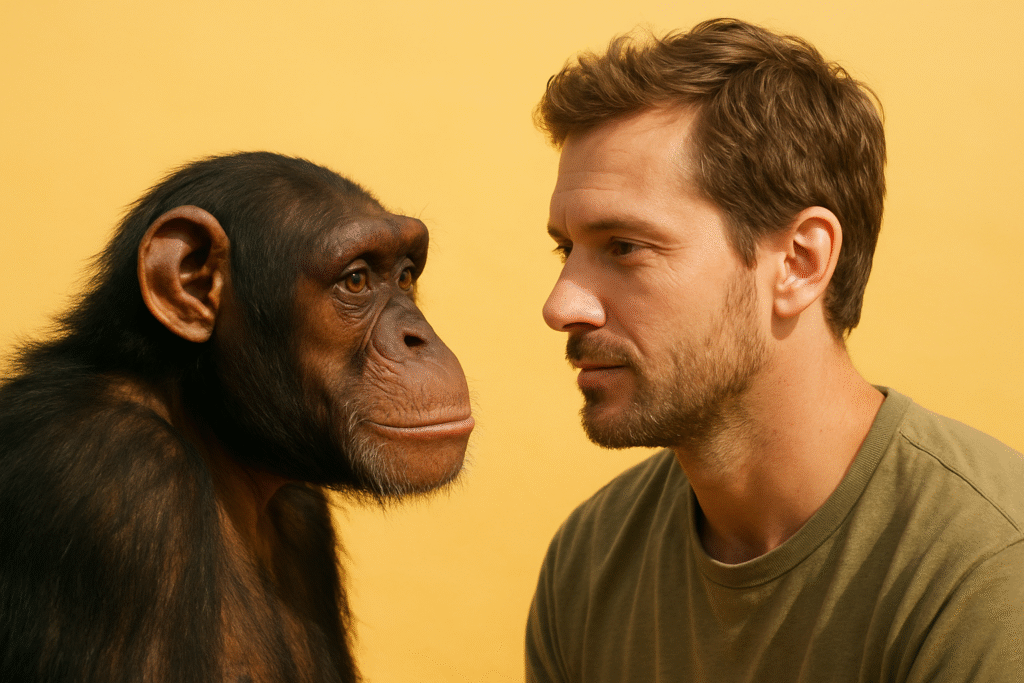
A new round of cognitive testing has revealed a strangely humbling divide. When faced with uncertainty, humans are far more likely than apes to believe they understand something they clearly do not. Researchers watching both groups navigate the same tasks noticed hesitation in apes where humans showed confidence, even when humans had no idea what the correct answer was. The pattern raises unsettling questions about how our species handles doubt and why self awareness breaks down so easily.
1. Humans overestimate knowledge even with simple tasks.

Cognitive researchers noticed that humans consistently claimed understanding even when they performed poorly. The effect showed up clearly in a recent study, as reported by Science Magazine, where participants insisted they were certain while choosing random answers. Apes in the same setup paused, reconsidered or avoided responding when unsure, revealing a level of instinctive humility humans lacked.
That contrast surprised the team because the tasks were designed to be equally unfamiliar. The confidence gap did not reflect intelligence but metacognition. Humans projected certainty as a reflex. Apes demonstrated caution as a strategy.
2. Apes show uncertainty through deliberate hesitation.
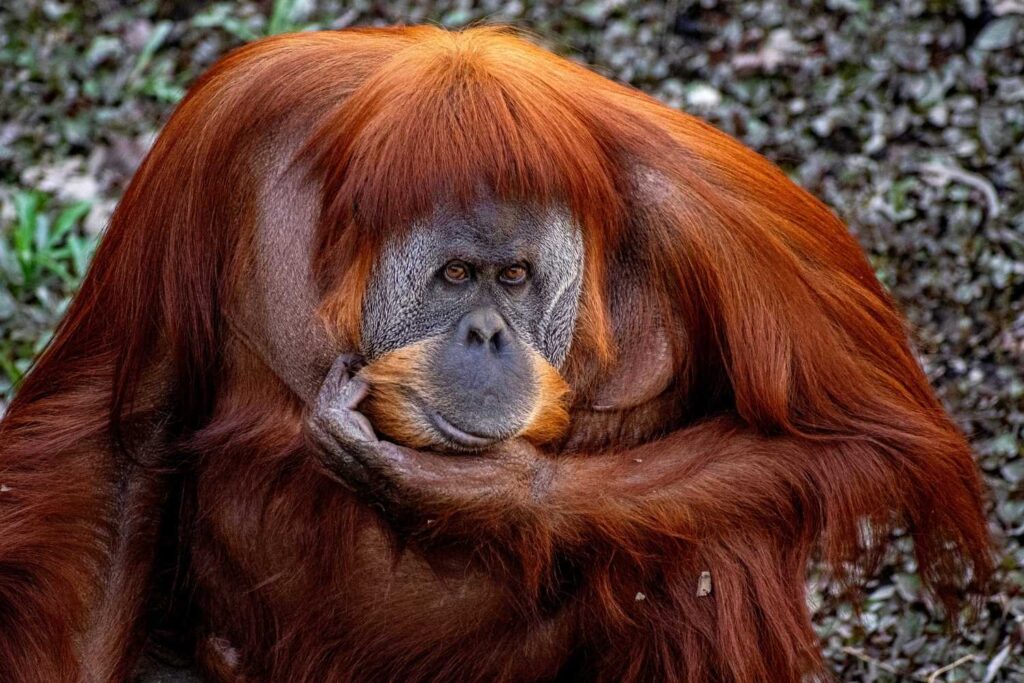
In tests conducted at primate research centers across Europe, apes slowed down dramatically when information was missing. This pattern was observed across species, as stated by National Geographic, with chimpanzees and orangutans adjusting their pace in real time. Humans, by comparison, stayed confident even as their mistakes increased.
The hesitation was not fear driven but measured. Apes appeared to assess probability before responding, making their choices more accurate when data was thin. Humans acted quickly and with conviction, even when that conviction had no basis.
3. Humans ignore warning signs their answers are wrong.

In separate trials, researchers tracked how each species reacted to incorrect guesses. Humans recognized errors only after receiving feedback, as discovered by the BBC. Apes, on the other hand, often sensed the risk before committing to an answer. The difference revealed a built in awareness that humans seemed to override.
This gap widened with pressure. Humans doubled down on wrong answers when the environment felt competitive. Apes eased off and re evaluated the puzzle before trying again. The human need to appear competent seemed stronger than accuracy itself.
4. Social pressure intensifies human overconfidence quickly.
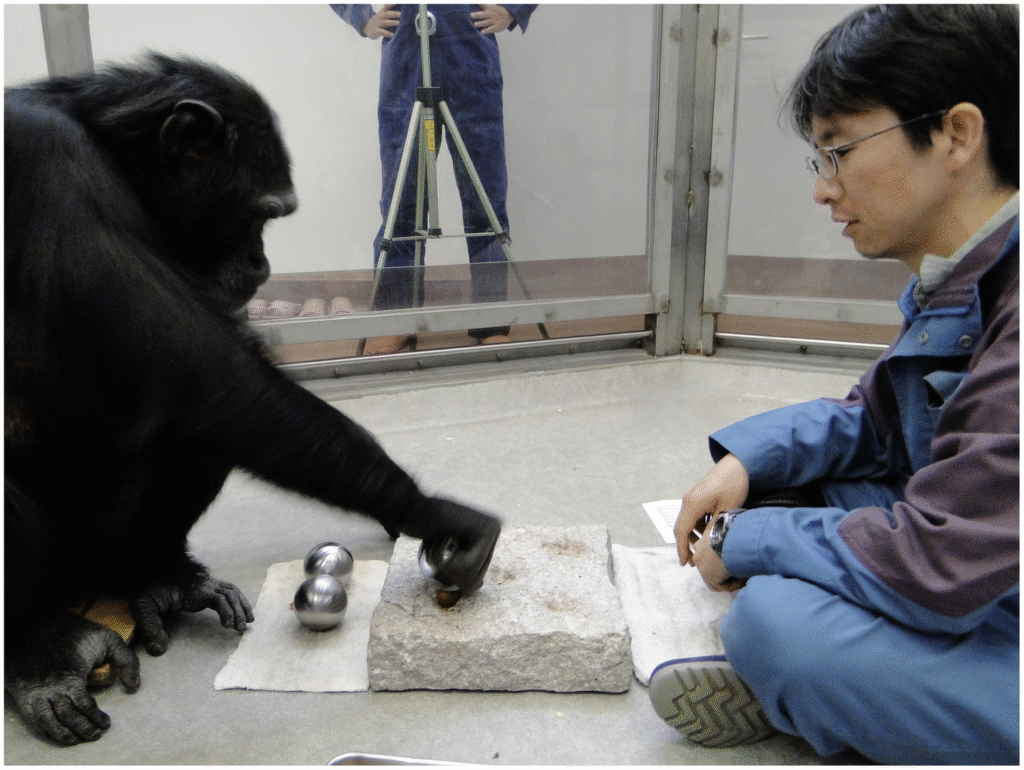
When test rooms included observers, human participants pushed through uncertainty faster. Simply being watched heightened their confidence even when their reasoning weakened. Apes showed no such change. Their decisions stayed consistent whether alone or observed.
The presence of others created a psychological sprint for humans. They wanted to appear capable, even if it meant guessing. That shift created errors that grew more dramatic with every added layer of social expectation.
5. Humans confuse familiarity with actual understanding.

Many human errors came from assuming prior exposure meant genuine knowledge. Something that looked familiar triggered a belief that the answer would come easily. Once the task changed slightly, that illusion collapsed. Apes did not react to familiarity in the same way.
This difference pointed to a broader pattern. Humans lean heavily on recognition cues, even when those cues mislead them. Apes appeared to treat each situation as new until evidence proved otherwise.
6. Apes track uncertainty with stronger internal cues.
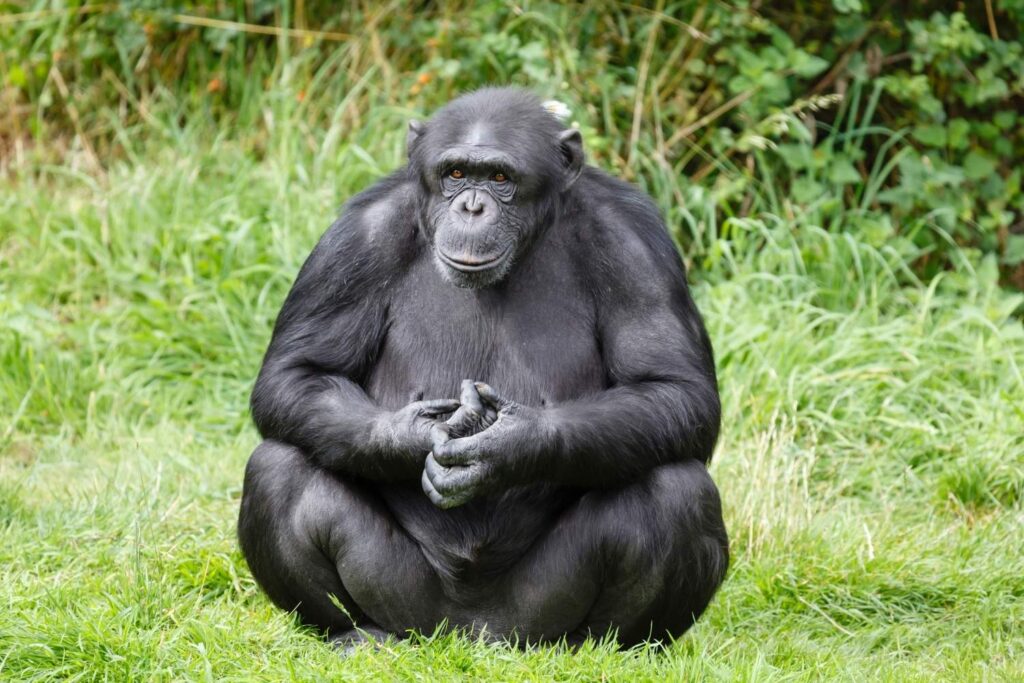
Scientists believe apes monitor their confidence levels through internal signals tied to reward patterns. When unsure, they shift to protective strategies like skipping questions or choosing safer options. Humans override those instincts with quick rationalization.
This internal monitoring gave apes an advantage in unpredictable tasks. Their moment of hesitation was not a weakness but a sign of efficient cognitive restraint. Humans rarely paused long enough to benefit from similar instincts.
7. Humans rush solutions before fully analyzing problems.

Across nearly every test, humans answered quickly, almost reflexively. Apes explored objects, inspected clues and checked their surroundings before deciding. The slower approach led to better outcomes when information was incomplete, while humans stumbled through errors.
The difference reflected two contrasting problem solving modes. Humans assumed speed signaled intelligence. Apes treated caution as part of the process. The study underscored how easily humans confuse urgency with competence.
8. Apes rely on observation rather than assumptions.
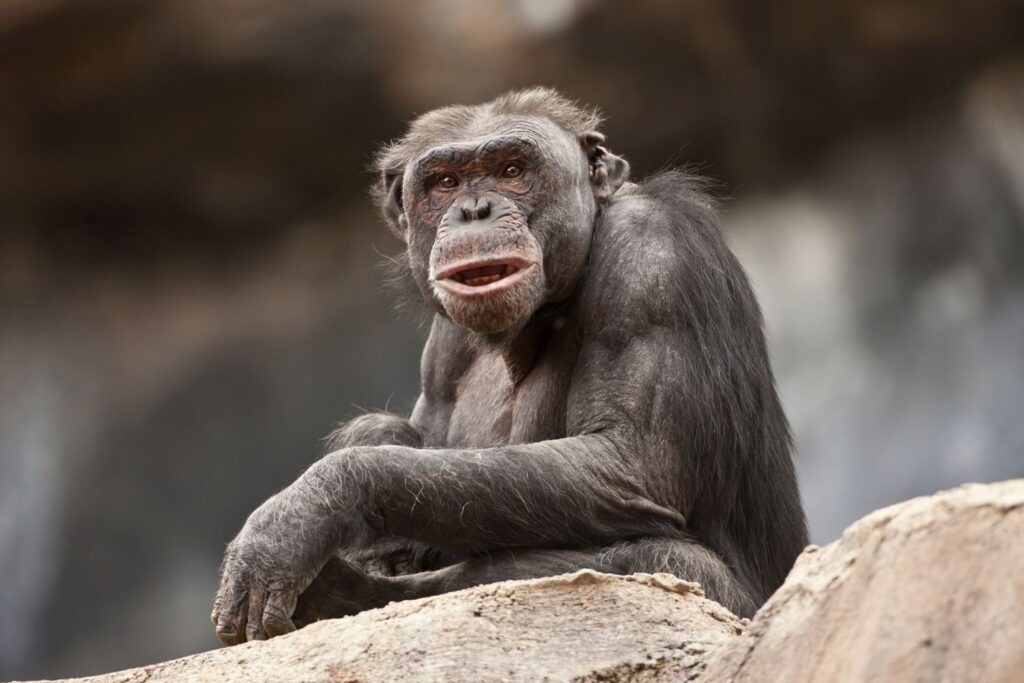
When placed near other apes solving the same tasks, individuals watched carefully before attempting their own response. Humans did the opposite. They attempted solutions immediately, often without observing what went wrong for others.
The apes’ observational patience created fewer repeat errors. Humans repeated mistakes even when a model was available. Acting first came naturally to humans. Studying the problem came second, if it came at all.
9. Humans resist admitting they lack information.

Interviews after the experiments revealed that many humans felt embarrassed acknowledging uncertainty. Even when they knew nothing about the task, they insisted on offering explanations. Apes displayed no such impulse. Their behavior changed with uncertainty, but they did not try to mask gaps.
This tendency to defend rather than question made human performance unpredictable. When self perception drifted away from reality, accuracy collapsed. The study showed how deeply social identity shapes human confidence.
10. The findings expose a blind spot in human self awareness.
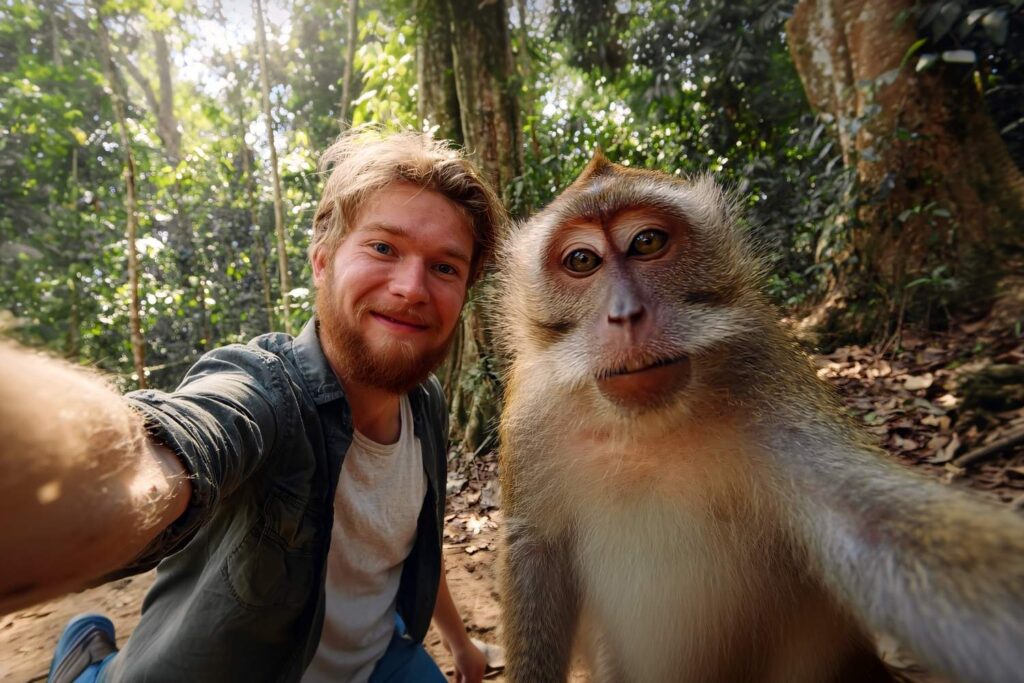
Researchers concluded that humans rely heavily on confidence as a social signal rather than a reflection of actual knowledge. Apes use caution as a survival tool. Humans use certainty as a performance. The result is a species that frequently believes it understands more than it does.
The gap is not permanent, but it is revealing. It suggests that humility may be an evolutionary strength we accidentally learned to ignore, even while our closest relatives still use it to stay grounded.