
Symbols suggest rituals no one expected existed.
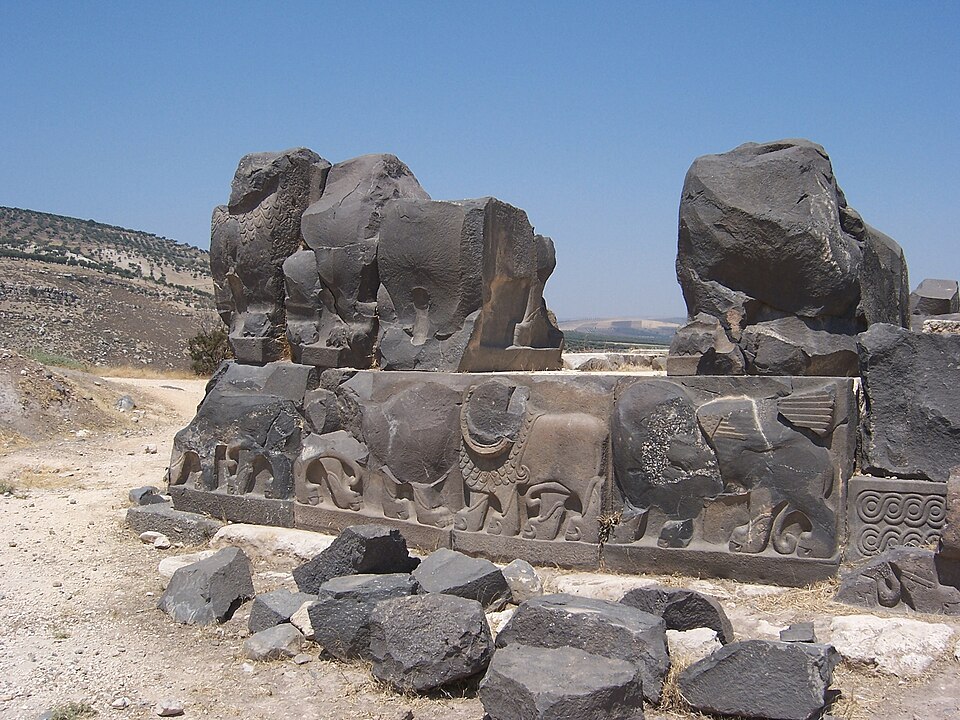
Archaeologists working in northern Syria uncovered a temple buried beneath centuries of windblown sediment, and the moment the walls emerged from the soil, they realized they were looking at something older than most regional civilizations. The structure sat near the modern town of Manbij, where ancient layers often reveal cultures that rose and vanished long before recorded memory. What surprised the team most were the symbols carved into stone fragments, none matching known deities, hinting at a belief system lost to time.
1. Excavations revealed a layout unlike nearby temples.
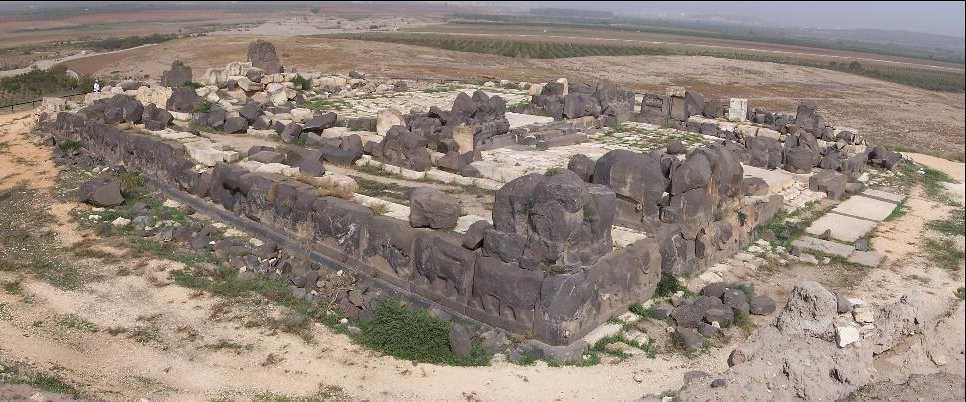
The newly exposed structure sat on a small rise outside Manbij, where researchers traced its perimeter and noticed a floor plan far older than expected. Walls showed multiple construction phases layered on top of one another, suggesting continuous ritual use. The unusual layout echoed nothing seen in catalogs of regional architecture, as reported by The Guardian, leaving archaeologists with more questions than answers.
The deeper they dug, the more distinct each chamber became. Corridors bent slightly instead of forming straight lines. Niches lined the interior in uneven patterns, as if they were meant for offerings placed in a sequence now forgotten. Even the plaster remnants held pigments rarely found in early Bronze Age Syrian contexts.
2. Carved symbols pointed to unknown divine figures.
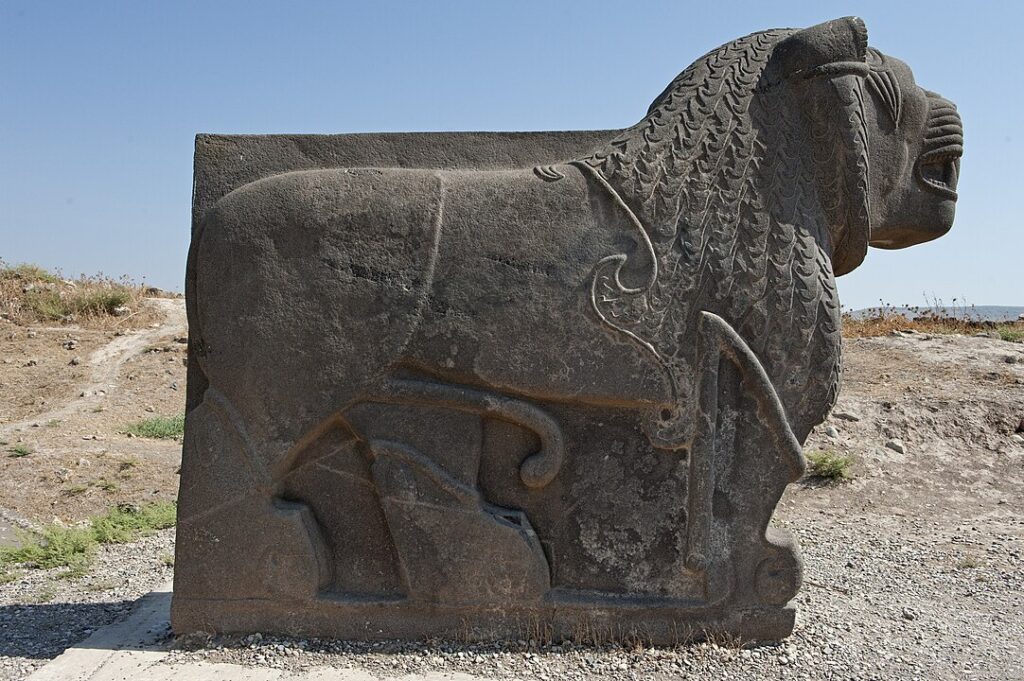
Archaeologists brushed away dust from the fallen stones and found repeating symbols, none matched to known Syrian or Mesopotamian iconography. Several appeared to merge animal and human shapes in unfamiliar ways. As stated by Live Science, the team immediately noted the absence of established deity motifs. Instead, these carvings hinted at a regional belief system that predated major pantheons.
Some figures wore what looked like horned caps, yet the proportions were off from known divine representations. Others showed hands extended toward an object archaeologists could not identify. The repeated imagery suggested a central mythology that has never been documented.
3. Ritual artifacts revealed long practiced ceremonies.
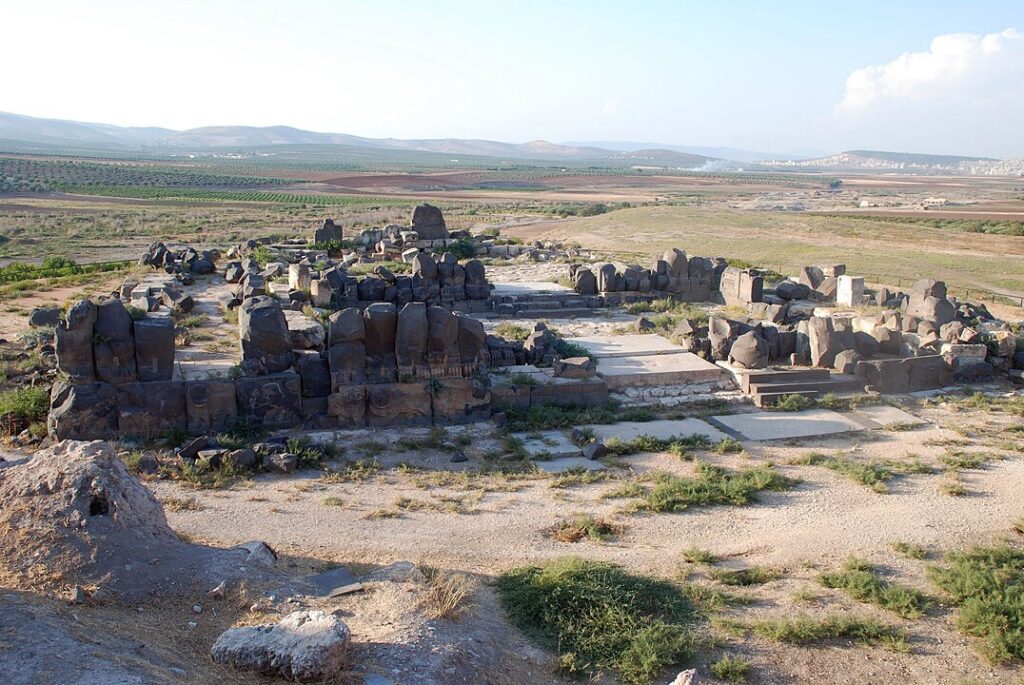
The floor of the main chamber contained burned organic remains, stone bowls and fragments of incense burners. Their arrangement showed deliberate placement that aligned with the niche patterns along the walls. Ash samples contained plant material uncommon to the region, as discovered by the BBC, hinting that ritual offerings may have involved imported goods.
In the secondary chamber, archaeologists found a stone platform with grooves that directed liquid toward the center. The setup suggested ceremonial libations. Even pottery shards carried residue consistent with aromatic oils. The combination implied rituals that blended fire, scent and movement in ways distinct from neighboring cultures.
4. The site predates major kingdoms by many centuries.
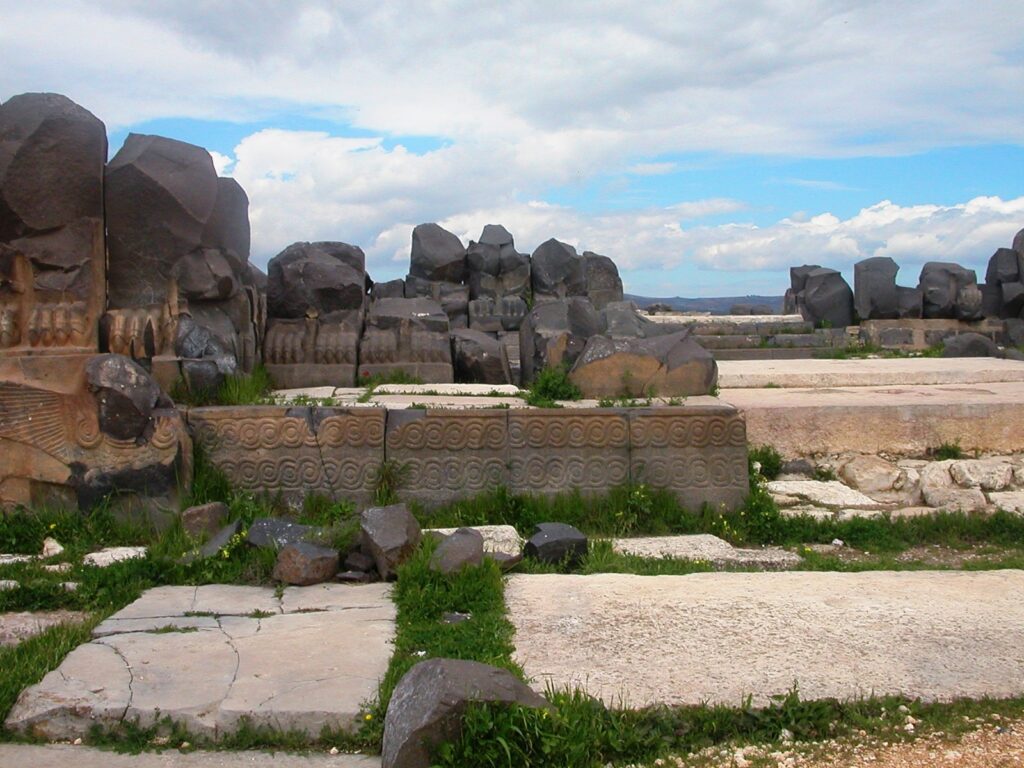
Radiocarbon dating placed the earliest construction around 3000 BCE, centuries before the rise of Ebla, Mari or Akkadian influence in the region. The temple stood at a time when communities were still forming trade networks along the Euphrates. This raised questions about who organized such a purposeful structure so early in regional development.
The depth of the older layers suggested that the first builders lived in small settlements nearby. Their ability to coordinate labor for a multi room ritual space showed social cohesion far beyond what was previously assumed for early Syrian groups.
5. Surrounding buildings added context to the hidden culture.
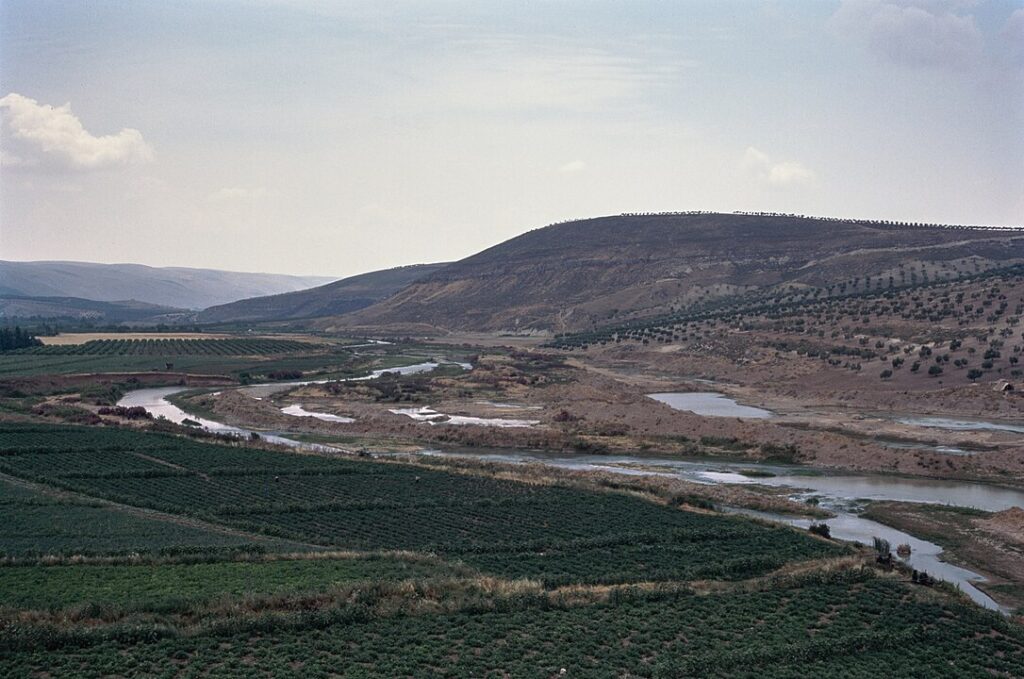
Small domestic structures flanked the temple mound, each containing hearths, grinding stones and storage pits. Archaeologists noted that the homes were modest, yet the temple itself required significant effort, hinting that the spiritual center overshadowed daily life. The contrast created a picture of a community that invested heavily in ceremonial practices.
These homes also held clay figurines unrelated to known deity forms. Their presence suggested that the people around Manbij followed rituals that permeated their everyday routines as naturally as cooking or storage.
6. Pigments revealed a vivid visual environment inside.
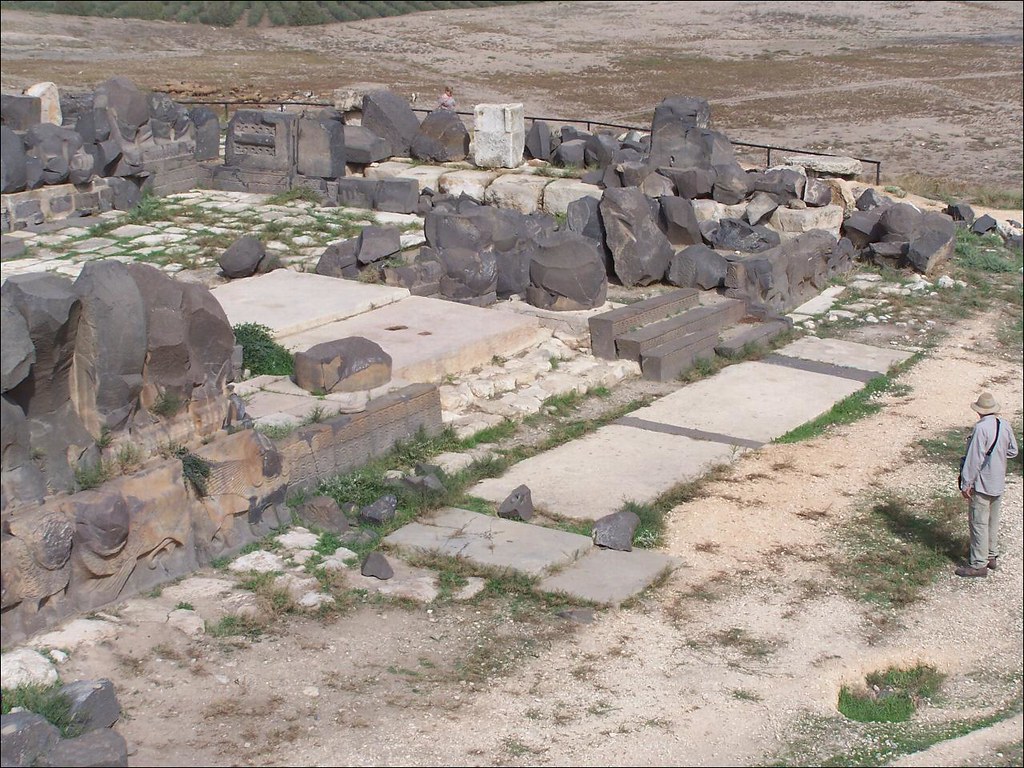
Chemical tests on paint residues showed reds, yellows and dark greens made from mineral sources not found locally. Transporting or trading for pigments indicated intention and investment. The interior must have glowed with color during rituals, amplifying the atmosphere of the enclosed chambers.
Fragments of plaster showed patterns painted in repeating arcs and lines. None resembled geometric traditions common to later Syrian temples. Instead, the designs appeared more fluid, like early attempts at visual storytelling for myths now lost.
7. Recovered tools showed specialized religious craftsmanship.
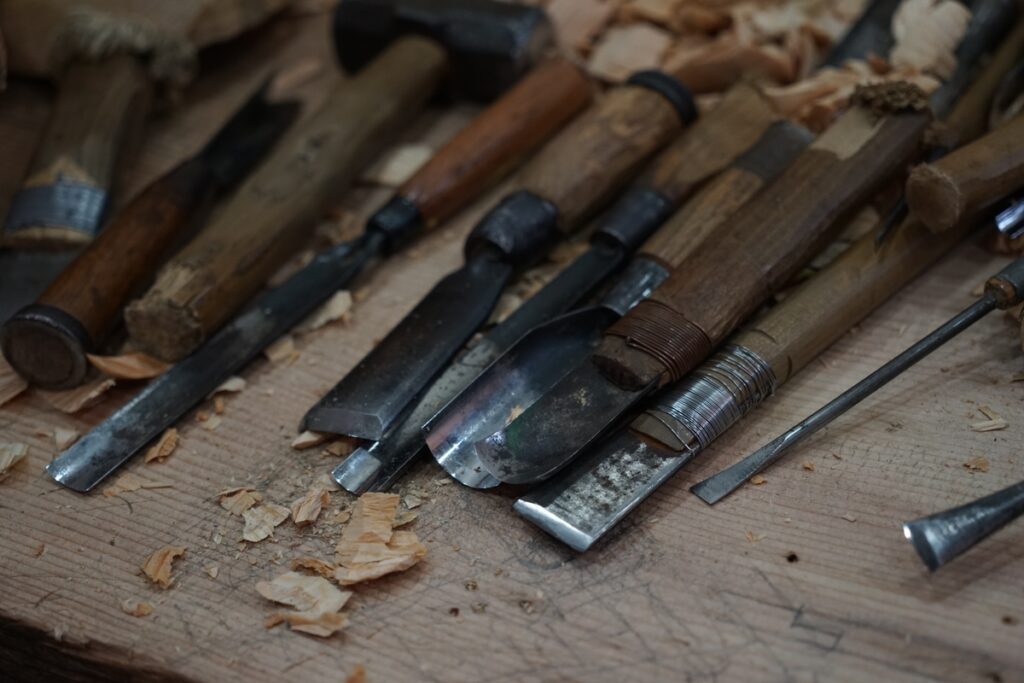
Stone chisels and carving picks found nearby showed extremely fine points, suggesting artisans trained specifically for temple work. Their precision made it clear that the carvings were not improvised. They were carefully executed by skilled workers over multiple generations.
The tools also carried wear patterns consistent with soft stone carving. This supported the idea that the artisans returned repeatedly to refresh symbols or add new ones as beliefs evolved. Nothing about the craftsmanship felt accidental or temporary.
8. Soil layers captured centuries of continued worship.
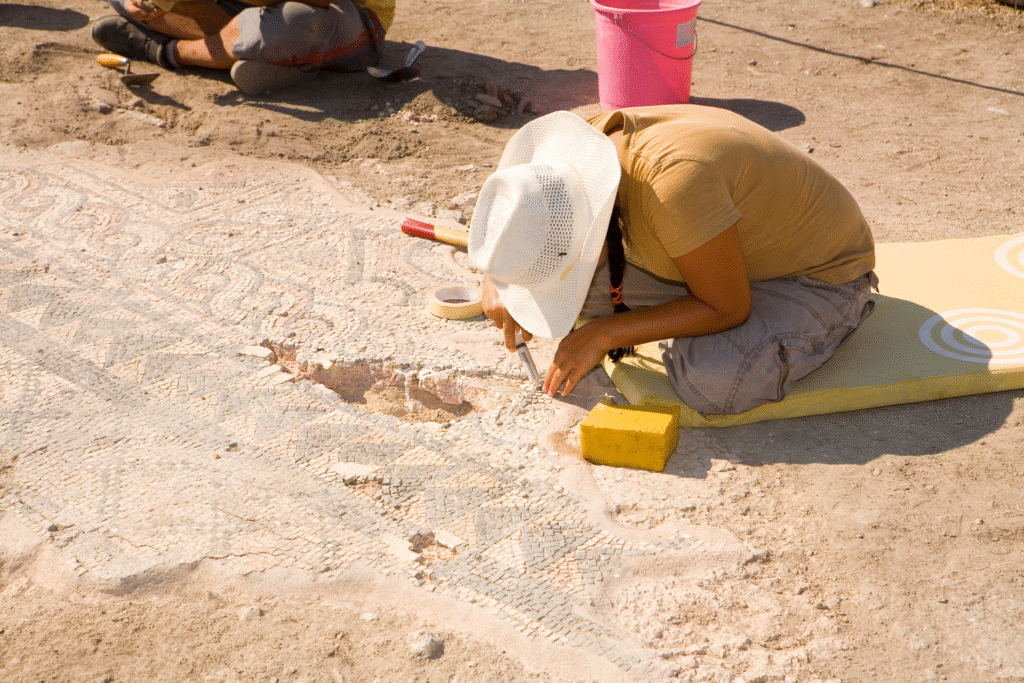
Sediment analysis revealed ash from repeated burning events, pollen from plants no longer native to the region and charred wood from several species. This layering showed ritual continuity that spanned long periods of cultural change. Even when surrounding settlements transformed, the temple remained active.
Each layer added weight to the idea that this temple served as a spiritual anchor. Communities adapted to change but returned to the same sacred point for reasons that remain hidden in the missing mythology.
9. Nearby burial offerings hinted at protective spirits.
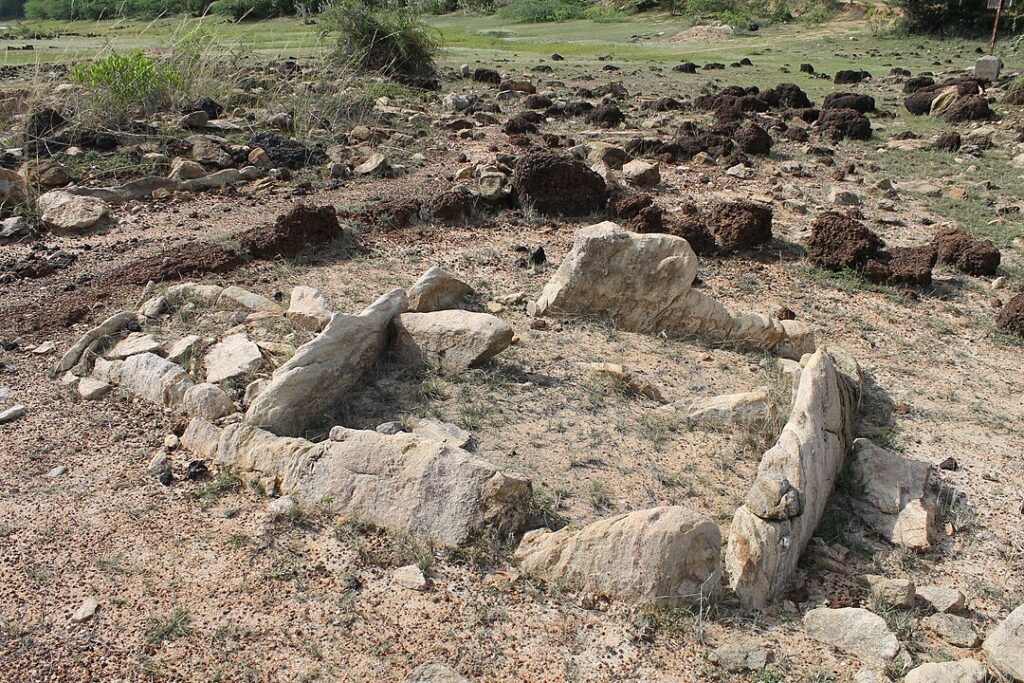
Several small burial pits near the temple held grave goods such as beads, small animal bones and stone amulets. Their placement indicated offerings meant to invoke protection or guidance. Archaeologists believed these burials connected the living to supernatural forces tied to the temple’s unknown deities.
The amulets showed symbols similar to those inside the main chamber. This suggested a belief system where everyday life and ritual protection intertwined. Even the children’s burials reflected a hope for spiritual guardianship from figures we no longer recognize.
10. The discovery opens an entirely new historical chapter.
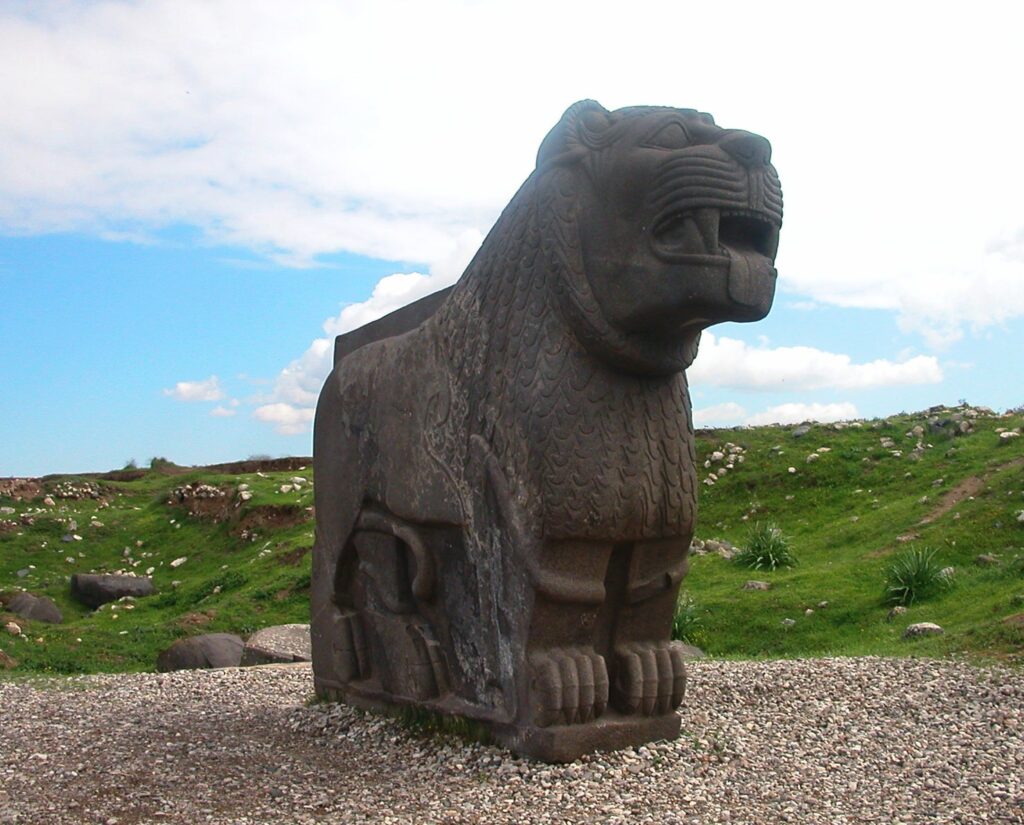
The temple at Manbij challenges assumptions about early Syrian cultures. It shows a network of beliefs and artistic traditions far more complex than expected for five thousand years ago. The unknown deities carved into the walls represent an entire spiritual world that vanished without leaving written traces.
As archaeologists continue to excavate, they believe the site may connect to a broader cultural horizon that has never been documented. The temple is only the first glimpse into a forgotten chapter of human spirituality.