
Ancient patterns reveal knowledge long underestimated.
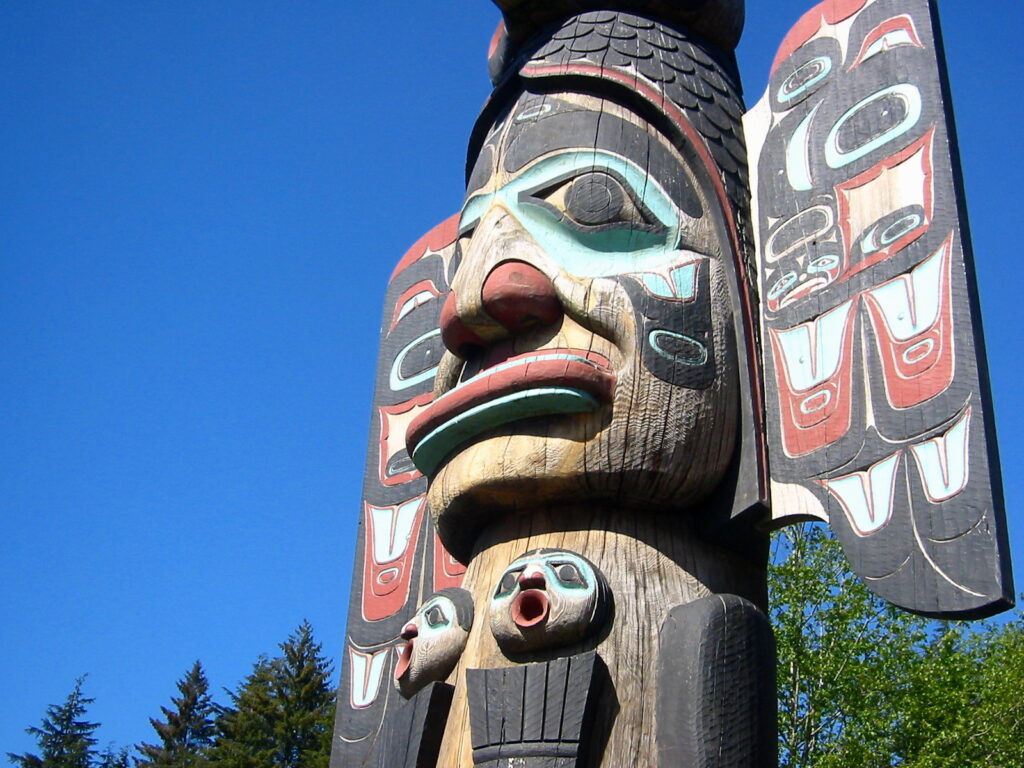
The new research surfaced during quiet field studies in Southeast Alaska, far from the early scholars who once portrayed Indigenous cultures as simple or unsophisticated. Tlingit carvers in communities near Sitka and Kake preserved their methods with remarkable continuity, even as outsiders reduced their work to decorative storytelling. When researchers scanned surviving totems expecting loose symbolism, they instead uncovered deliberate ratios, repeating geometries and strict spatial logic. The findings dismantled old assumptions immediately, revealing a level of mathematical design that had been present all along.
1. Researchers found advanced geometry embedded in ancient poles.

The scans showed that many nineteenth century poles contained repeating proportional systems that lined up perfectly from base to crest. Investigators measured arcs and spacing and discovered consistent ratios hidden beneath the stylized figures. Their findings mirrored sophisticated geometric practices, as stated by Smithsonian Magazine. The patterns were not improvisational. They were carefully calculated and executed with steady precision.
Closer analysis revealed that these ratios ensured the visual balance of creatures stacked vertically. Eyes aligned across different figures. Symmetry continued even when carvings wrapped around the pole. The geometry served not only aesthetic goals but also a deeper cultural logic disciplined by measurement.
2. Laser tools revealed proportional systems used for generations.
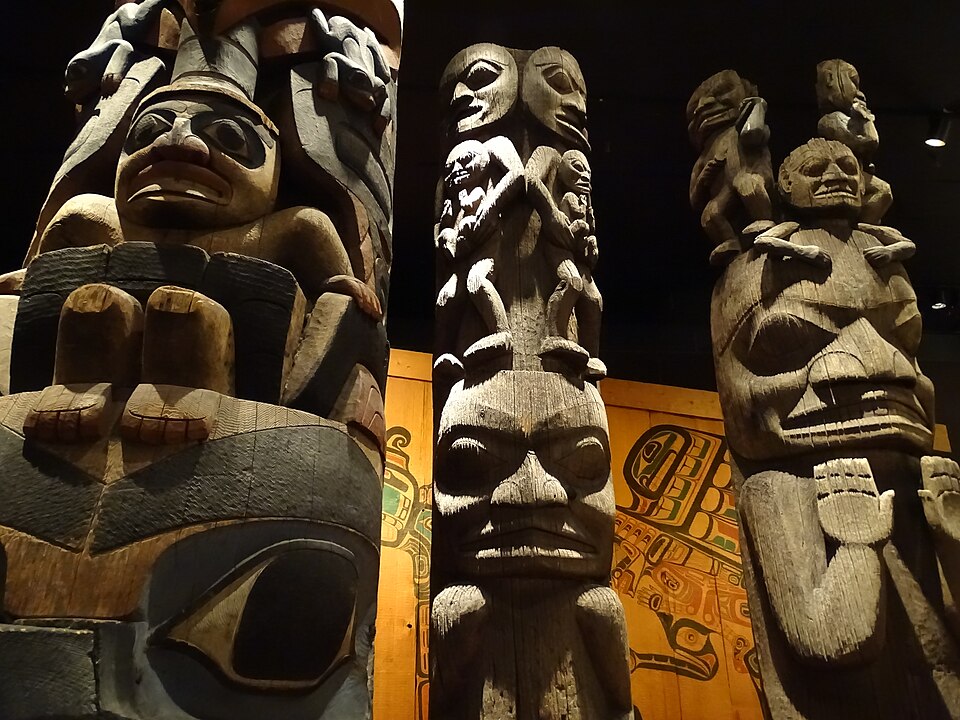
When researchers used three dimensional mapping tools on totems preserved near Sitka National Historical Park, they noticed repeating distances between key features such as joints, claws and facial elements. Similar spacing appeared across different poles carved decades apart. As reported by National Geographic, these measurements pointed to a standardized system shared across families.
The repetition suggested that the knowledge did not belong to a single artisan but circulated within a cultural network. Such patterns could not appear by chance. They required training, intentional design and a mathematical framework held in collective memory.
3. Carving sequences followed rules older than written records.

The study extended to historical photographs and museum catalogues, where early images captured poles before weathering erased details. Many photos showed layout markings, alignment cuts and depth guidelines carved lightly into the wood. These faint lines matched the same rules identified in surviving poles, as discovered by the BBC. The consistency stretched across time and region.
The markings showed planning that began before the first deep cut. Carvers mapped spatial relationships in advance, ensuring that each figure connected mathematically to the next. Their process reflected a disciplined craftsmanship not previously acknowledged by older academic narratives.
4. Elders confirmed the existence of unbroken design knowledge.

Interviews with Tlingit elders provided context the measurements alone could not. Many described how apprentices learned proportions by watching seasoned carvers, not through written formulas, but through embodied calculation. The precision lived in practiced movement and repeated tradition. Their explanations aligned naturally with the scientific findings.
Elders noted that the geometry ensured harmony of storytelling as much as structure. Each figure occupied a distinct narrative space, and the measurements maintained the relationships between characters. Mathematics supported meaning.
5. The findings dismantled stereotypes about Indigenous creativity.
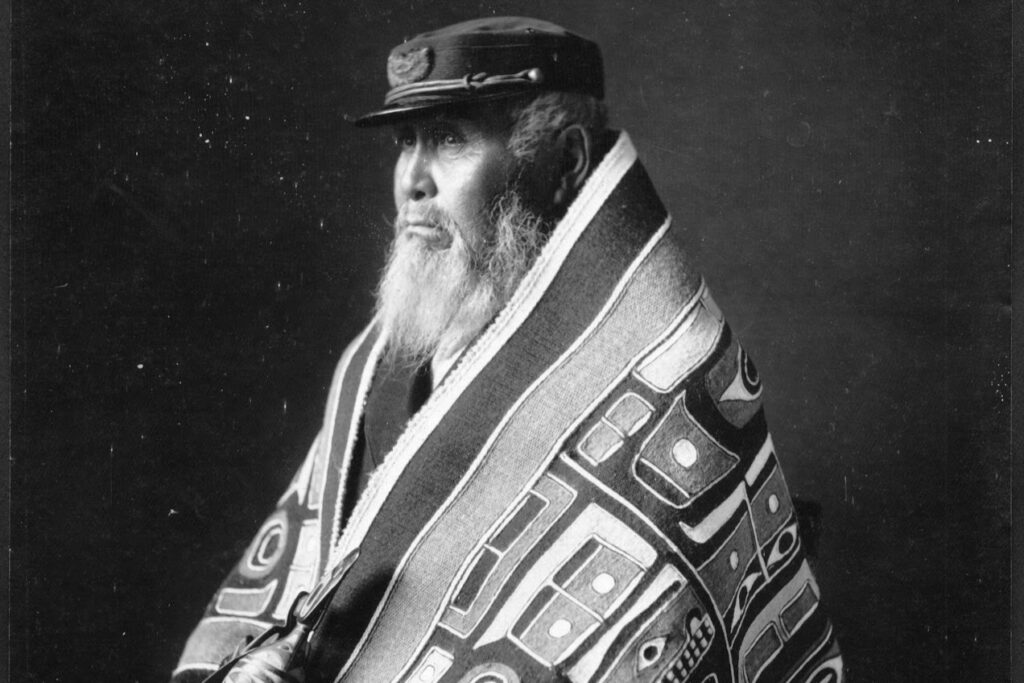
Earlier anthropological interpretations framed these totems as symbolic folk art, assuming randomness behind the shapes. The new evidence revealed how deeply flawed those interpretations were. Mathematical intention ran through every carved line, replacing old misconceptions with undeniable structure. The poles showed innovation disguised by biased assumptions.
This shift forced researchers to confront the legacy of underestimating Indigenous technical knowledge. The totems proved that complexity existed long before outsiders documented the culture, hidden in plain sight and misunderstood by those unwilling to see the depth behind the designs.
6. Cultural significance shaped how measurements were chosen.
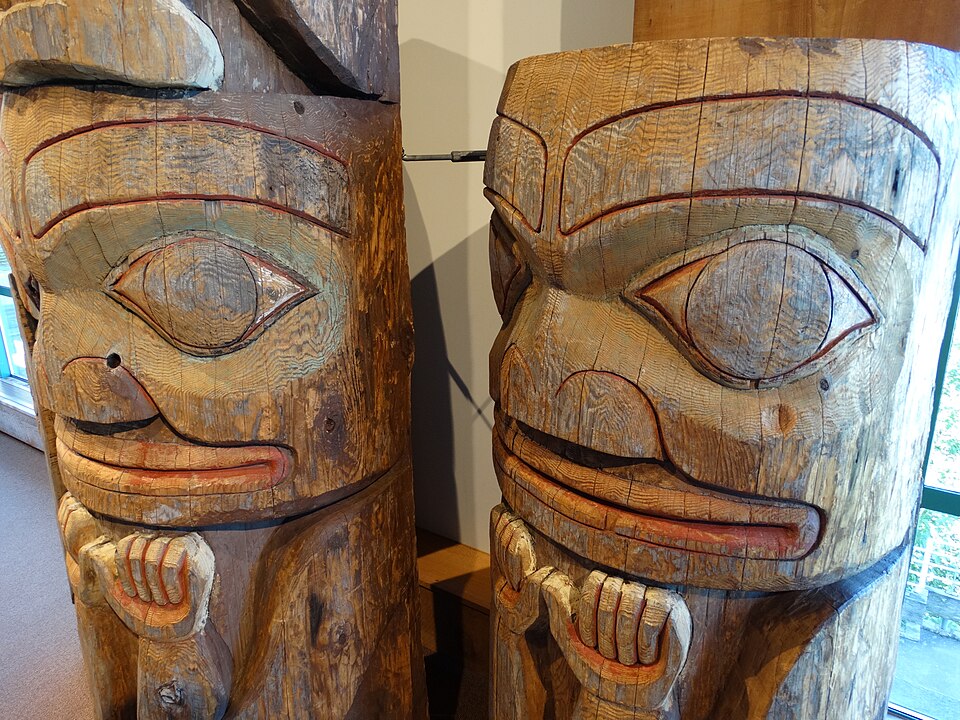
The ratios that appeared most frequently often related to clan lineage stories and spiritual themes. Certain figures required consistent placement, and their spacing held meaning tied to identity. Mathematics and symbolism worked as a unified system. Neither could be separated without losing essential context.
Carvers maintained these proportions to honor ancestral agreements about how stories should be represented. The numbers supported the continuity of lineage and the stability of tradition. Precision was part of cultural responsibility.
7. Material knowledge guided the accuracy of each cut.
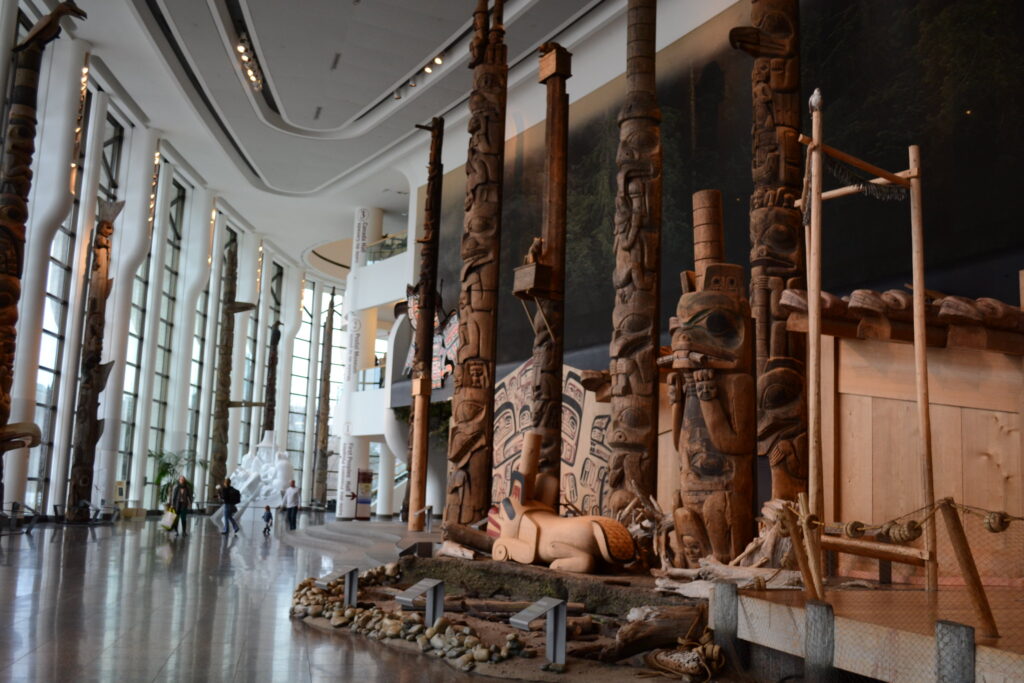
The work demanded a deep understanding of cedar’s grain patterns, moisture levels and structural strengths. Carvers predicted how the wood would shift as it dried and shaped their measurements accordingly. They accounted for expansion and contraction before beginning the design.
This required judgment built through years of training. Totems had to remain stable outdoors in harsh coastal weather. Precision ensured durability. Each measurement helped counteract warping, allowing poles to stand tall for generations.
8. Pattern repetition showed a form of mathematical inheritance.
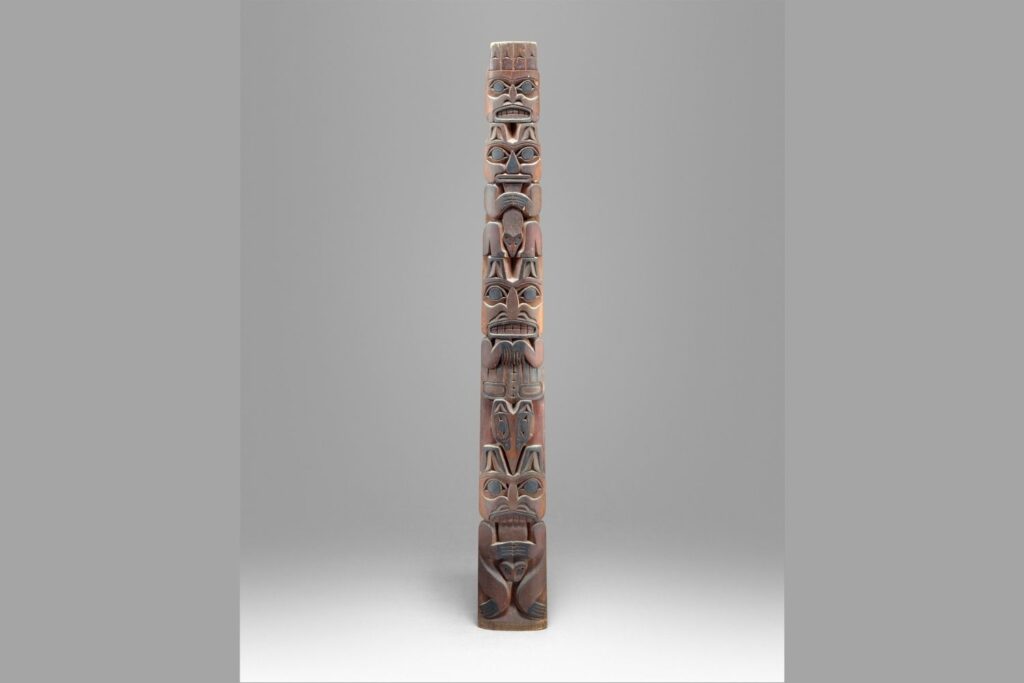
When researchers compared poles carved a century apart, they found nearly identical proportional rules. This continuity showed that carvers preserved mathematical systems through oral and visual teaching methods. Generations shaped the same arcs and distances using tools refined across time.
These inherited patterns created visual consistency across villages separated by miles of coastline. Mathematics served as a cultural thread connecting communities to shared identity and memory. It was not separate from storytelling. It was integrated into it.
9. Totem geometry reflected a larger worldview of balance.

The poles represented stories about animals, spirits and relationships, but the mathematics beneath them expressed the Tlingit view of harmony between elements. Symmetry symbolized unity. Proportion signaled respect for the beings depicted. The design process echoed deeper principles of balance found throughout Tlingit culture.
This worldview shaped decisions in both art and daily life. The mathematical techniques were not abstract exercises but lived philosophy carved into wood. They revealed how culture governed precision.
10. The breakthrough restored recognition long overdue.
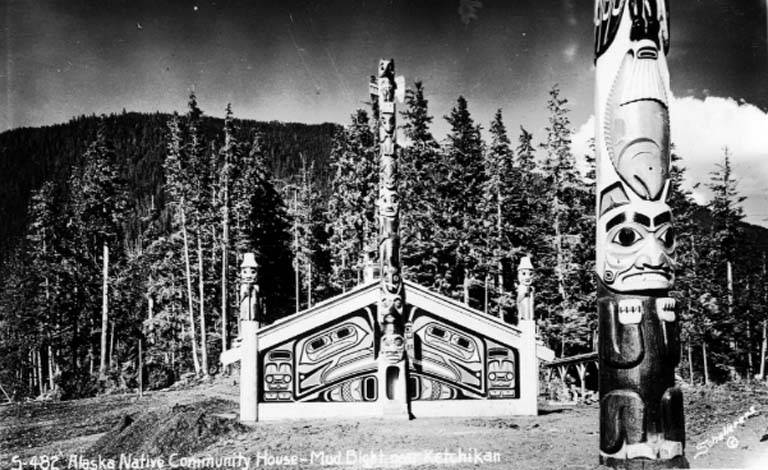
Researchers now acknowledge that the Tlingit poles contain a level of measured design equal to other celebrated mathematical traditions. This recognition corrects decades of misplaced assumptions and affirms the intellectual heritage preserved in communities across Southeast Alaska. The evidence leaves no space for earlier dismissals.
For the Tlingit, the validation confirms what their elders always knew. The poles were never simple decorations. They were engineered expressions of memory, identity and mathematical insight carried forward by skilled hands and unwavering tradition.