
Small shifts ignite consequences that spread everywhere.

The first signs appear quietly, usually in the places least equipped to absorb the impact. Rivers shrink earlier in the season. Crops fail in regions that once produced without effort. Communities already stretched thin face choices no one wants to make. Climate change rarely arrives as a single disaster. It unfolds as a cascade, where one disruption triggers another, pushing water security, food stability and social fairness into the same fragile equation. Once that chain reaction begins, it touches everyone.
1. Drying rivers start the most damaging domino effect.
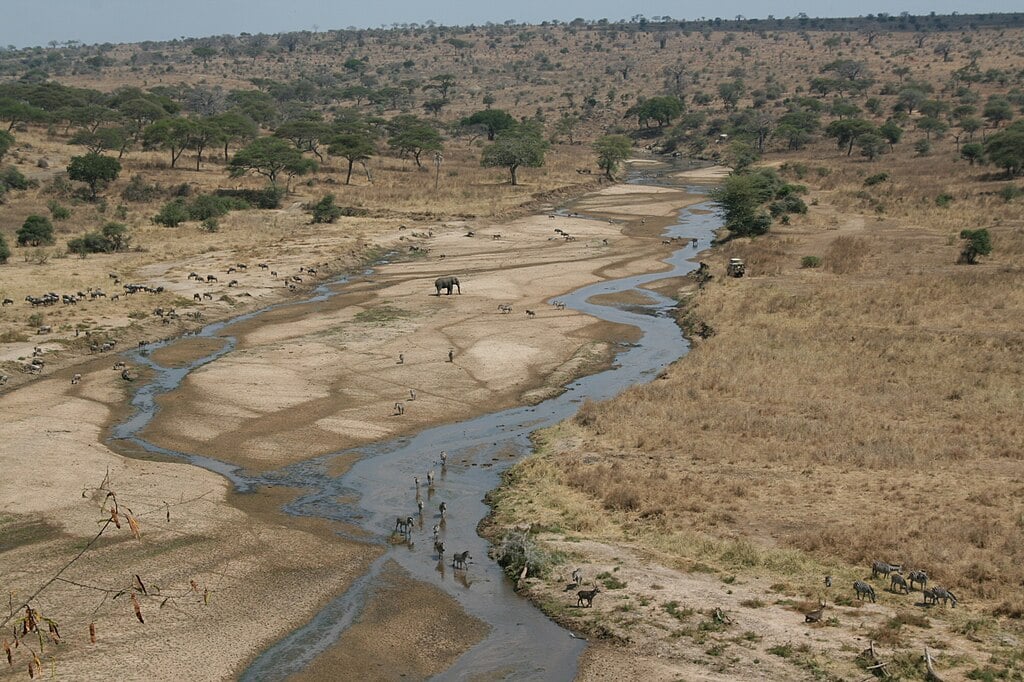
In recent years, hydrologists watched the Colorado River, the Indus and the Tigris shrink far faster than historical norms. According to NASA Earth Observatory data, snowpack losses and higher evaporation rates are stripping these systems of their seasonal recharge. When water drops even slightly, entire regions feel the shift within weeks. Farmers receive reduced allocations. Cities announce new restrictions. Power grids tied to hydroelectric stations strain to keep up.
The fallout moves quickly because everything depends on the same resource. Less water means weaker crop yields and less economic stability. That pressure folds back into communities, deepening divides between those who can afford adaptation and those who cannot.
2. Heat waves push crops past their survival thresholds.
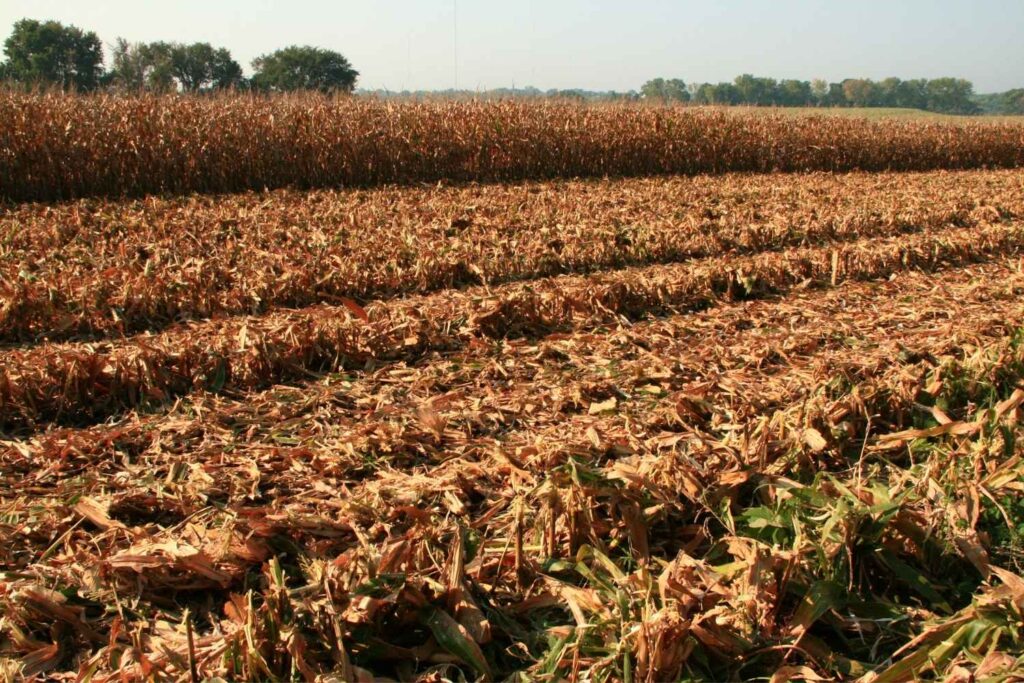
Record breaking temperatures in the United States, Europe and South Asia have begun exceeding the heat tolerance of staple crops. As stated by the United Nations Food and Agriculture Organization, several heat spikes in the last five years pushed wheat, corn and rice into critical stress zones. These events do not need to last long to cause severe damage. A few days can erase an entire season’s work.
Farmers describe plants wilting even with irrigation because extreme heat disrupts basic biological functions. When yields collapse, food prices rise, and the strain hits low income households hardest. The burden grows heavier long after the heat fades.
3. Flooding destroys fertile land faster than it can recover.
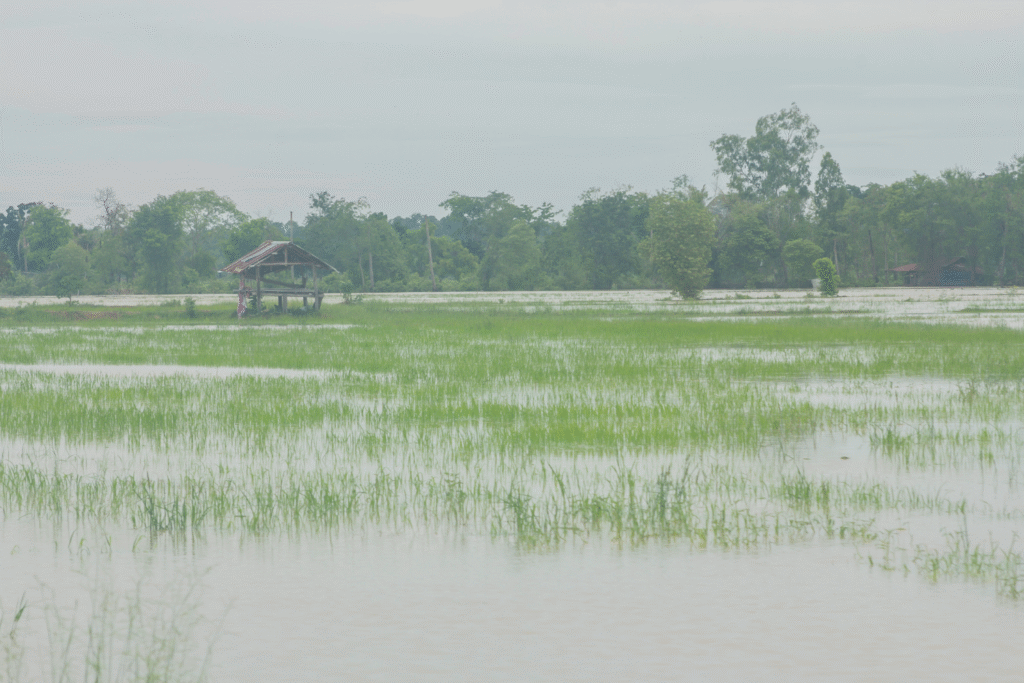
Monsoon shifts, atmospheric rivers and coastal surges are washing away farmland at unprecedented rates. As reported by the BBC, flood losses in places like Pakistan, California’s Central Valley and Mozambique erased soil layers that normally take decades to rebuild. Waterlogged fields become unusable, and saltwater intrusion ruins freshwater sources for years.
Communities dependent on local crops face immediate shortages. Rebuilding farmland requires resources that many regions do not possess. The long term impact widens inequality as large producers recover more quickly than small farming families.
4. Aquifers collapse under relentless extraction and drought.
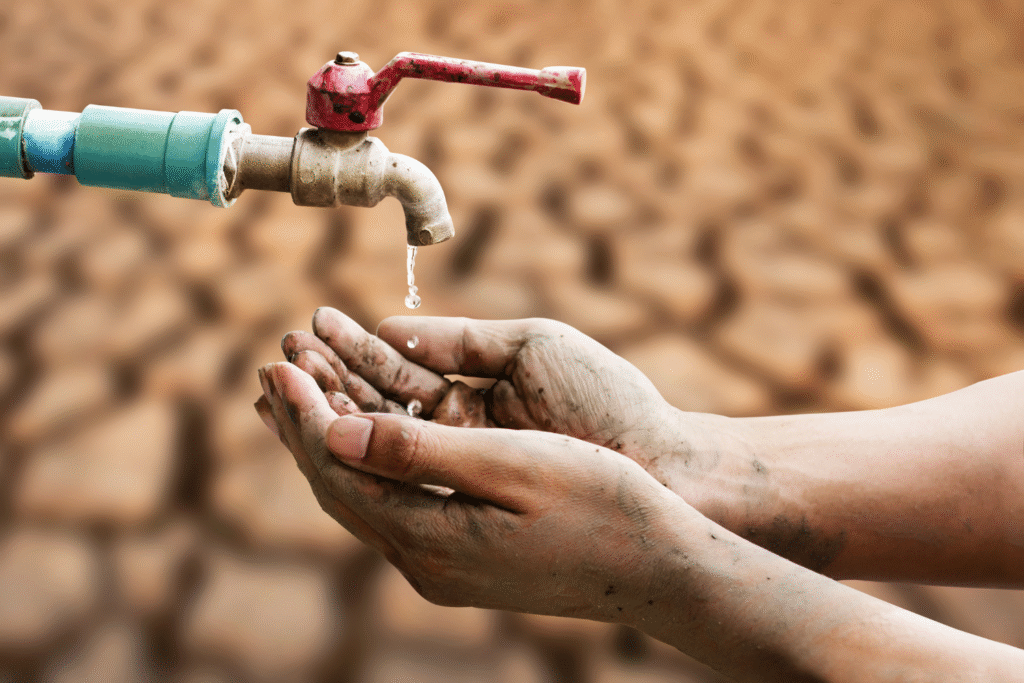
Underground water reserves in states like Arizona, regions of Spain and parts of India have fallen so low that wells run dry each summer. Once an aquifer collapses, it cannot refill on a human timescale. The loss forces communities to rely on expensive surface water or transported supplies that widen the gap between those with access and those without.
As agricultural wells go offline, food production drops sharply. Scarcity forces difficult choices about which crops survive. The imbalance ripples outward, affecting everyone connected to the supply chain.
5. Fisheries crash when oceans warm beyond safe limits.
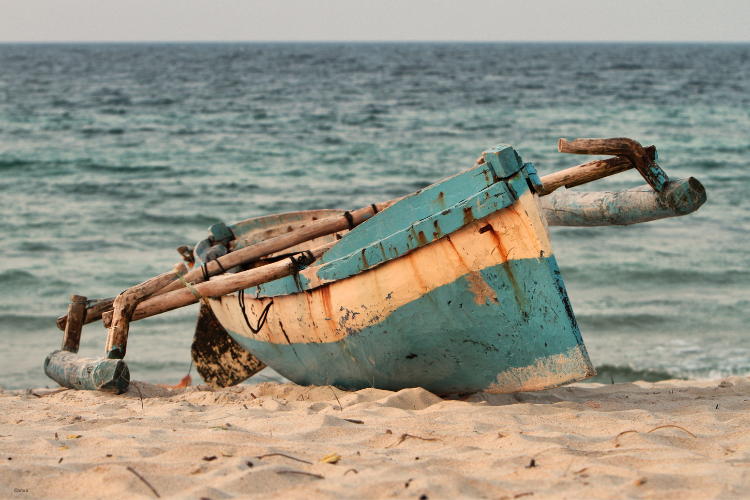
Ocean temperatures along the Gulf of Alaska, the Mediterranean and parts of the Indian Ocean have risen fast enough to push fish and shellfish into migration or collapse. Warmer waters reduce oxygen levels, and species that once fed entire coastal economies disappear or weaken. Communities that depend on fishing lose income, identity and food security in the same moment.
The absence forces global markets to rely on alternative sources, increasing pressure on remaining fisheries and driving overharvesting. That cycle heightens injustice as traditional fishing communities are left behind.
6. Climate driven pests spread into new agricultural zones.
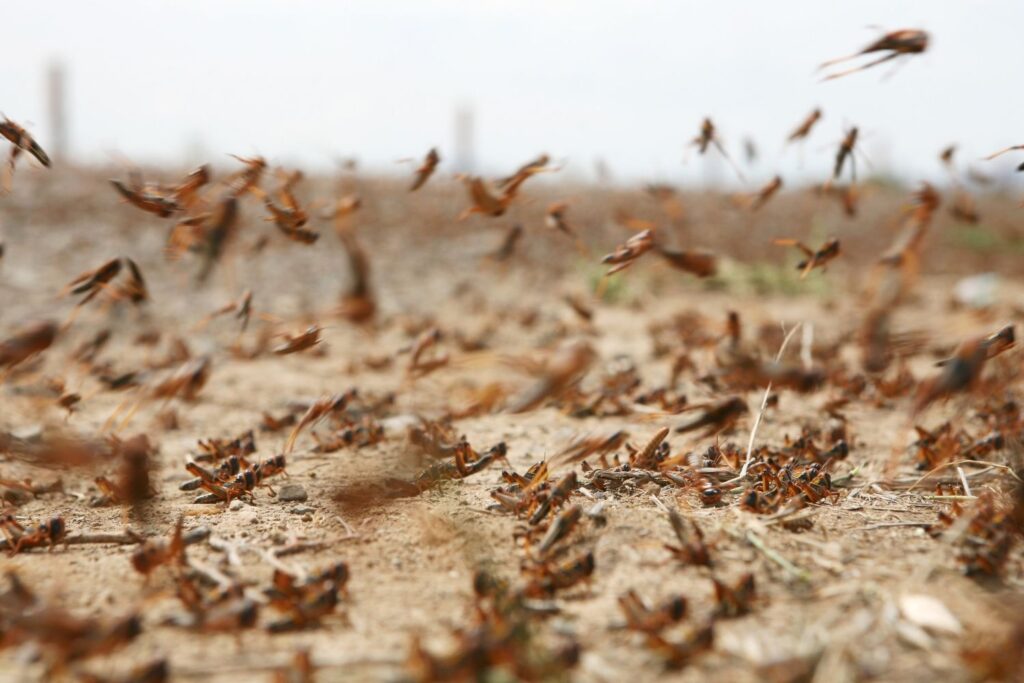
Warming temperatures allow insects like fall armyworms, desert locusts and beetles to expand their ranges. These pests move into regions unprepared for their speed and intensity. Once established, they destroy crops and overwhelm pest control systems designed for milder climates.
Farmers facing repeated infestations lose both harvests and financial stability. The damage spreads across borders, turning a local shock into a global food disruption. Vulnerable communities absorb the heaviest losses.
7. Urban water systems fail under combined stress.
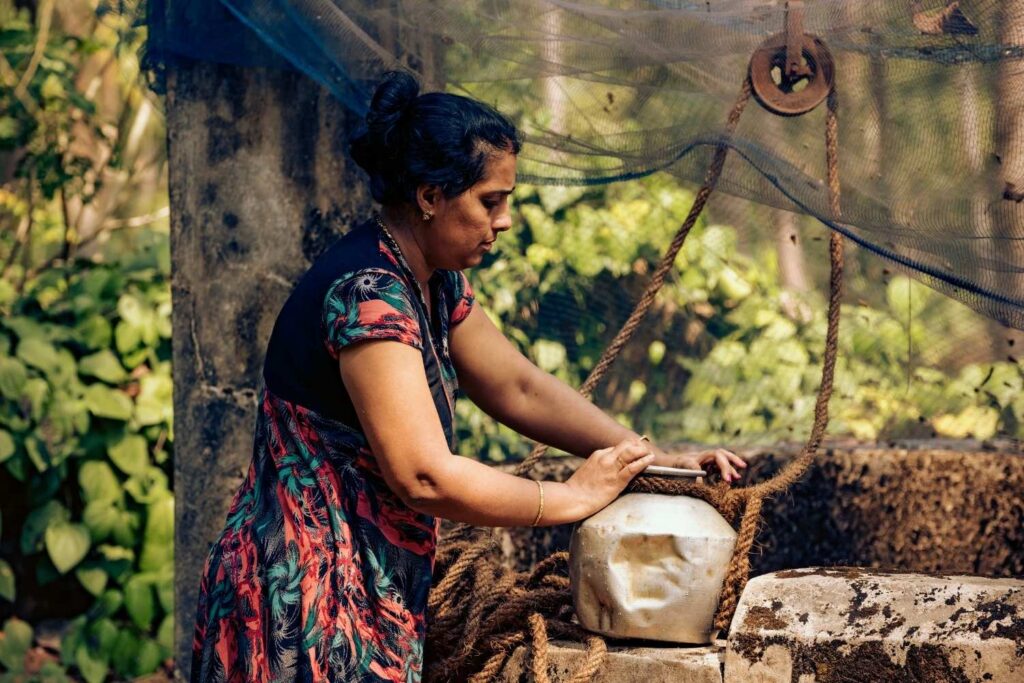
Cities in Chile, South Africa and the western United States experienced water emergencies over the past decade, revealing how thin urban water margins have become. Once reservoirs fall below supply thresholds, the system spirals. Infrastructure cannot keep pace with demand, and emergency rations become the new normal.
Residents in wealthy districts turn to private wells or delivered water. Lower income neighborhoods depend on ration stations, widening the divide. The crisis becomes a story not only about water but about fairness and access.
8. Extreme weather disrupts global trade and supply chains.
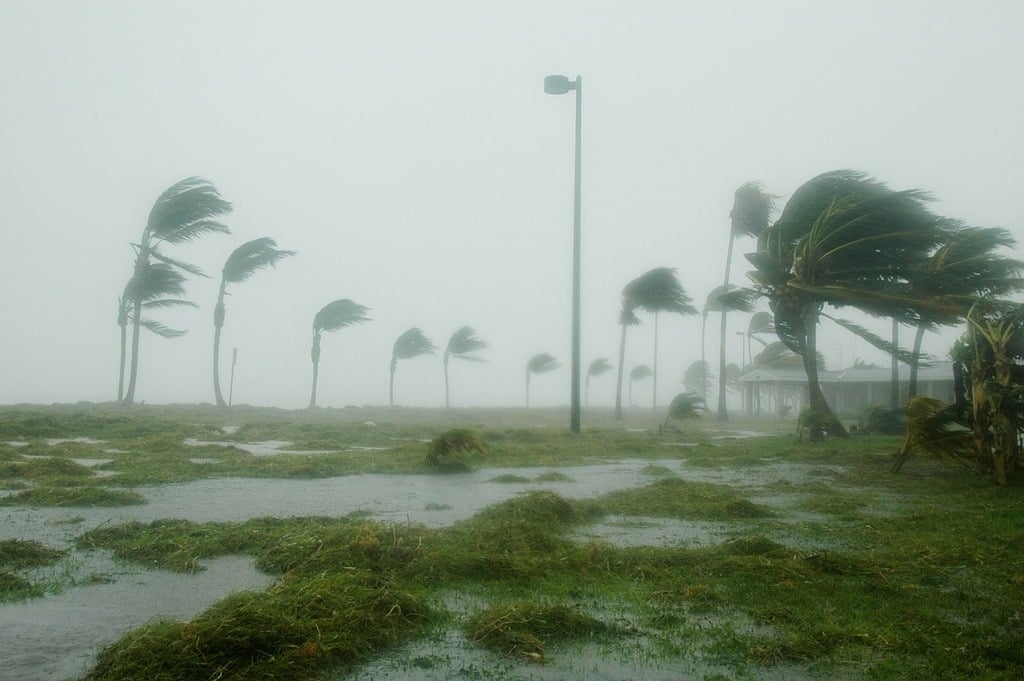
Storms that shut down ports in Louisiana, Germany and eastern China disrupted world food markets for months at a time. When ports close or shipping lanes become unsafe, grain, produce and livestock feed cannot move. Modern food systems are built on fragile timing. Any delay sends shock waves through prices.
Communities already on the edge of food insecurity feel the spike first. The rising costs deepen existing inequalities, pushing the most vulnerable households into crisis.
9. Rural communities face the harshest long term costs.
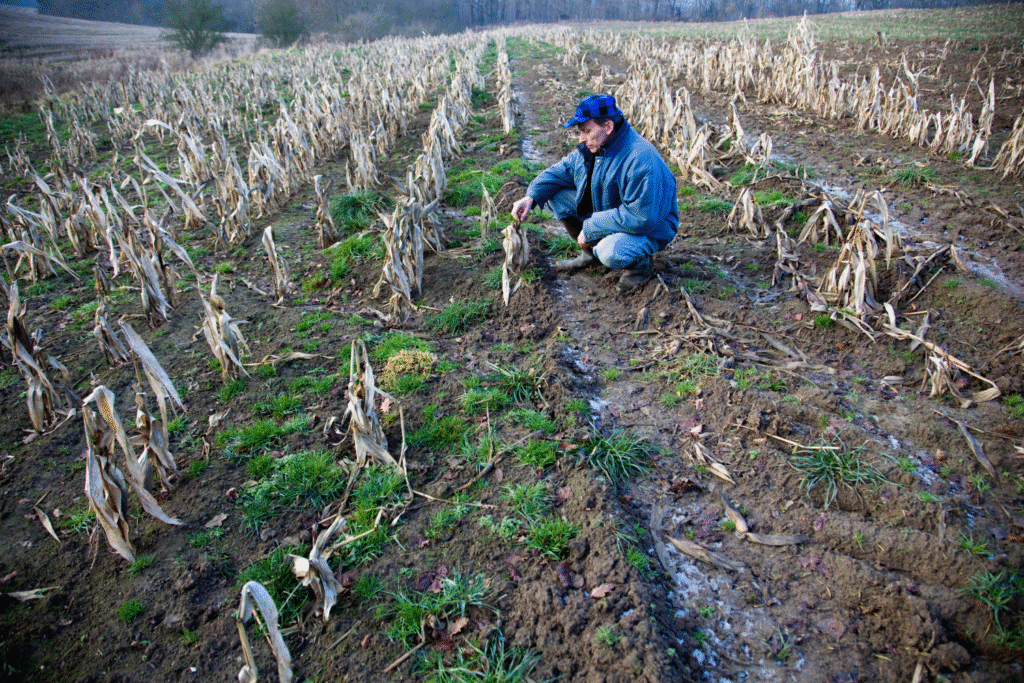
Many rural regions rely on agriculture, fishing or seasonal water availability. When climate impacts strike, they lose not just resources but the foundation of their economies. Relocation becomes a last resort, yet leaving ancestral land brings new hardships.
The shift forces entire families into uncertain futures. Jobs vanish, towns shrink and cultural traditions struggle to survive. The losses move far beyond environmental damage, touching identity and generational stability.
10. Justice fractures when those least responsible suffer most.

The final link in the chain is the most painful. Communities that emit the least carbon endure the hardest consequences. Their crops fail first. Their water disappears first. Their infrastructure collapses first. Meanwhile, wealthier regions adapt with technology, diversifying food sources and buying time others cannot afford.
This imbalance reveals the core truth of climate change. It is not only an environmental crisis but a justice crisis, one that reshapes who thrives and who struggles. The chain reaction spreads until everyone is part of the same fragile system.