
Hidden danger beneath an innocent looking giant.
The hippopotamus looks almost gentle from a distance, lounging in muddy rivers with half closed eyes as if the world barely concerns it. Yet this calm surface hides an animal driven by territorial impulse, unpredictable mood shifts and sheer physical force. In parts of sub Saharan Africa people who rely on river crossings know how quickly a peaceful scene can turn violent. The contrast between appearance and reality makes the hippo one of the most dangerous animals humans encounter.
1. Hippos kill hundreds of people every single year.
In regions of Kenya, Tanzania and Malawi the hippo is responsible for far more human deaths than lions or leopards. Many incidents occur during early morning crossings when visibility is low and boats drift too close. Conservation reports estimate several hundred annual fatalities according to National Geographic. The animal reacts instantly when it senses intrusion, often before the person even realizes it is present.
Once the encounter begins the outcome changes in seconds. Hippos rise from the water with explosive force and strike with enough momentum to flip canoes or crush anyone nearby. Even seasoned river guides say the speed feels unreal. The hippo attacks not out of malice but out of territorial certainty and instinct, yet the results for humans are often catastrophic.
2. Their bite force can pulverize bone within seconds.

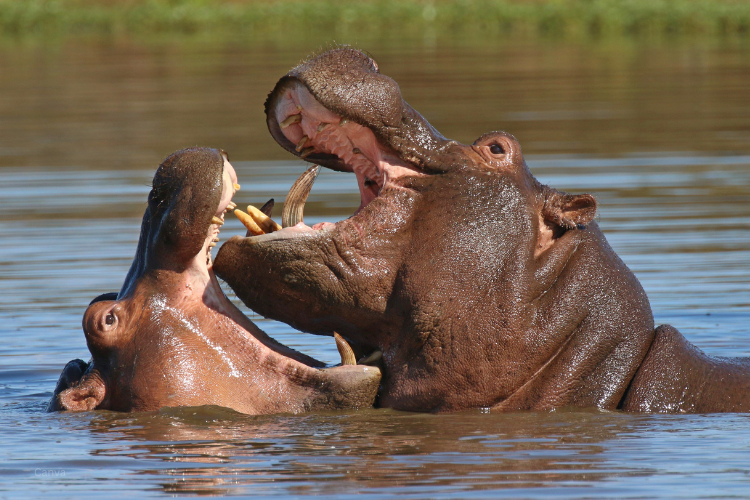
A hippo’s jaws open nearly one hundred eighty degrees and close with a force that can break a canoe in half. Researchers have measured their bite pressure at levels that exceed many apex predators, a fact described by the BBC in coverage of African wildlife hazards. Their incisors can reach lengths that rival small swords and drive with terrifying precision.
People who survive these attacks describe the sensation as instantaneous impact followed by disorientation. The animal does not nibble or test. It commits fully, using a strike that comes from both muscle and momentum. The bone crushing power is a defensive tool, and when used against humans it becomes lethal far too quickly for escape.
3. Hippos charge with speeds that shock even experts.
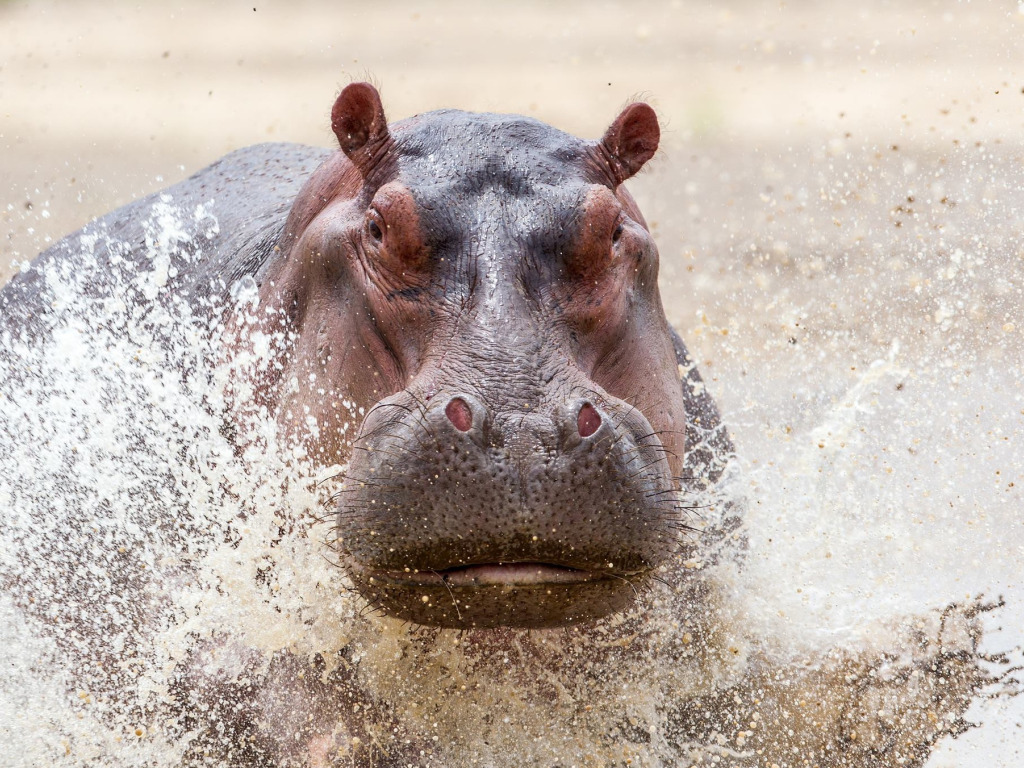
Despite weighing well over one ton, hippos can accelerate faster than most people expect. A startled hippo on land can hit speeds of up to thirty kilometers per hour which is documented in field notes as stated by the International Union for Conservation of Nature. Their charge is direct, relentless and usually silent until the final seconds.
Anyone caught in their path describes an overwhelming sense of force moving toward them long before they can react. The ground shakes, vegetation snaps and escape routes disappear as the animal closes the distance. The charge is not a warning. It is a definitive attempt to eliminate a threat, and people rarely outrun it once the hippo commits.
4. Their territorial instincts grow sharper during low water seasons.
As rivers shrink, hippos crowd into tighter spaces. They become protective of every meter of shoreline and react aggressively to anything that disrupts the social layout of the herd. Fishermen who navigate smaller channels during dry months often face greater risks because the hippos see boats as intrusions into already limited territory.
When these tensions rise, the animals tolerate almost nothing. Even the shadow of a canoe drifting too near can set off sudden agitation. People living along these rivers must adjust their routines, sometimes shifting travel hours or avoiding certain passages entirely because the hippos become increasingly volatile.
5. Mothers defend calves with extreme intensity.
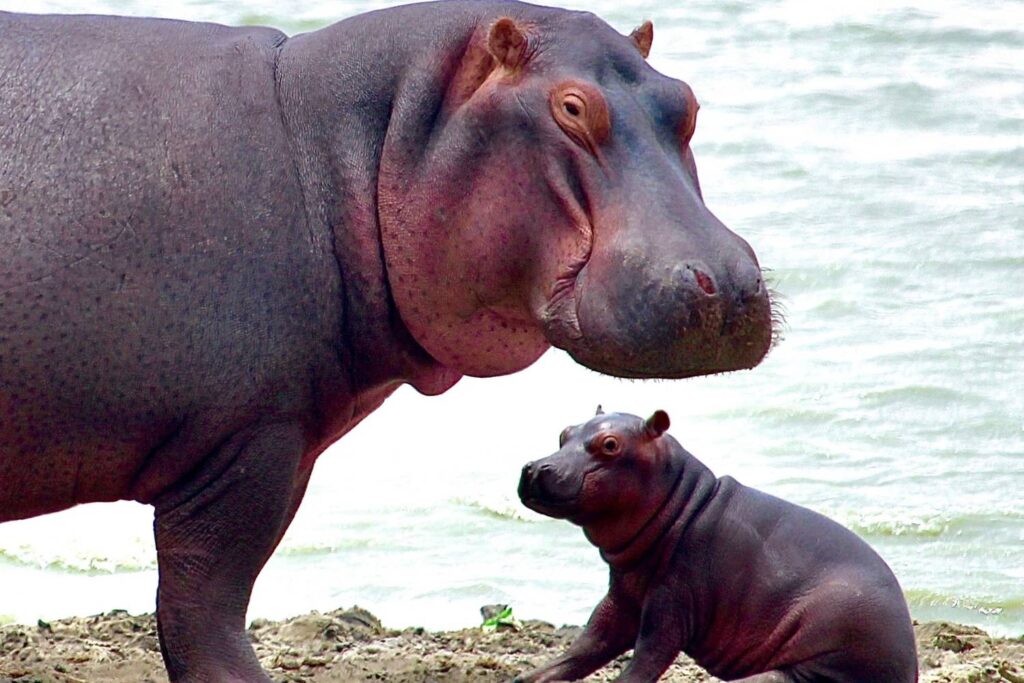
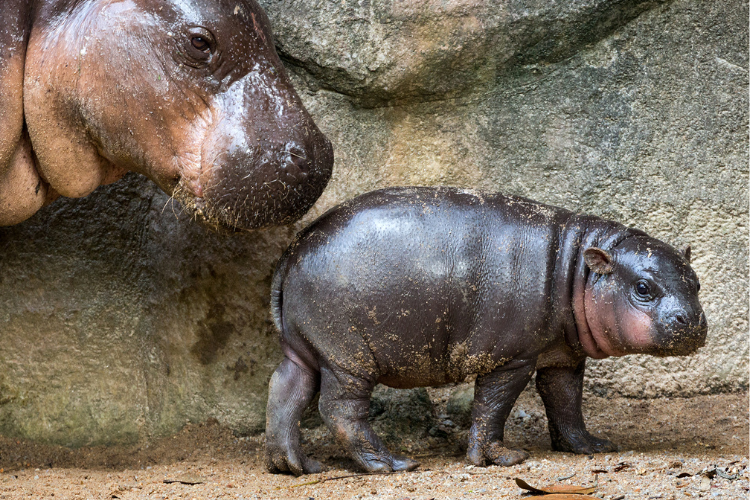
A hippo mother interprets any approach as a threat, even if the person remains several meters away. Calves often rest in tall grass or beneath the surface where visibility is low, and humans sometimes pass too close without realizing the calf is present. Once the mother senses danger, she attacks with full force, often targeting boats or individuals who were unaware of the risk.
These moments unfold with frightening speed. The mother positions herself between the calf and the threat while pushing the intruder back or overturning anything near her. This protective instinct is deeply ingrained, and the animal holds her ground until she feels the calf is secure again.
6. Hippos become more violent at night when visibility drops.
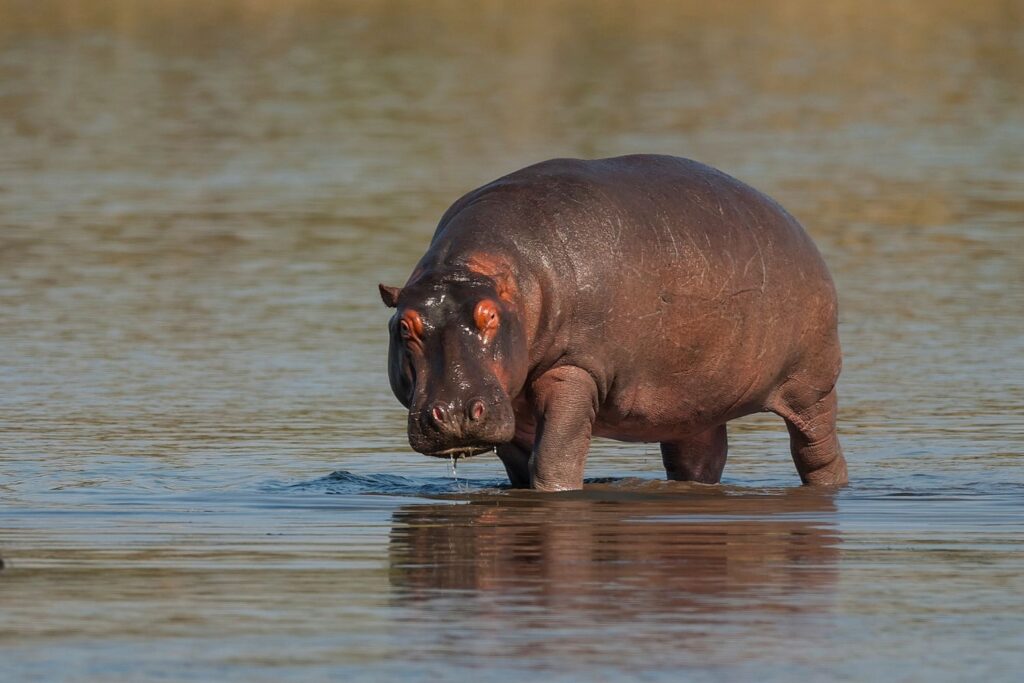
They often leave the water after dusk and travel long distances to graze. In rural areas people walking home along narrow paths sometimes cross unknowingly into their routes. A startled hippo reacts instantly because it is already on high alert in unfamiliar terrain. Darkness only magnifies the unpredictability of the encounter.
These moments can be some of the most dangerous for villagers. The animal has limited vision yet immense defensive drive, so any shape or sound may feel threatening. A person stepping into its path becomes a target not by intention but by unfortunate timing.
7. Their social clashes create chaos that affects anyone nearby.
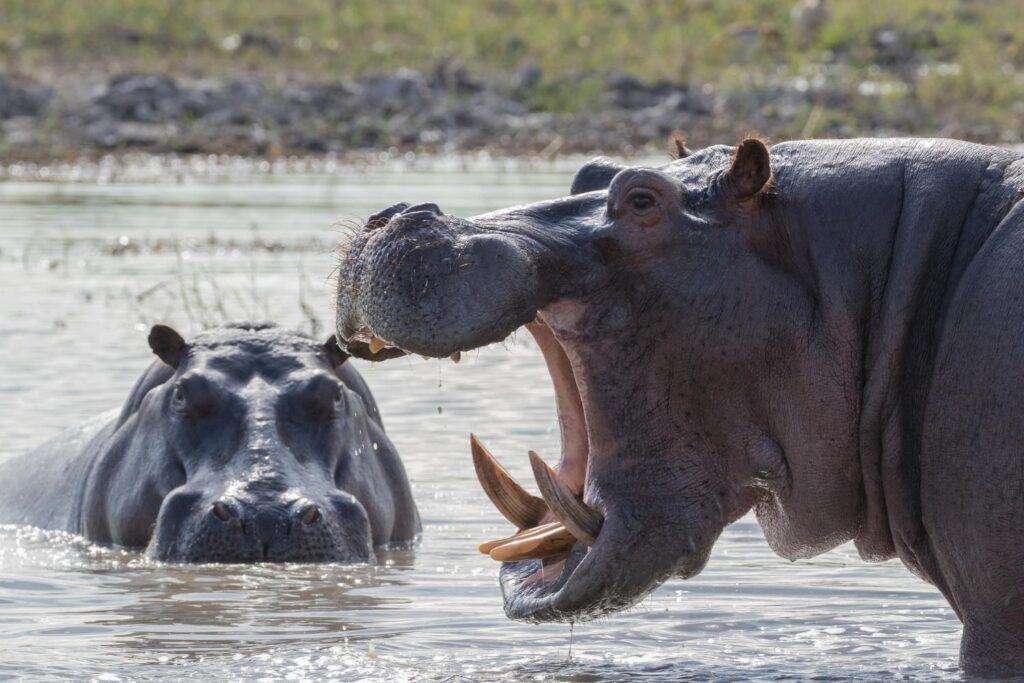
Hippos fight among themselves for dominance or access to resting spots. These conflicts become explosive displays involving tusks, lunges and water churned into violent spray. People traveling along the riverbanks during these moments often find themselves caught in the perimeter of aggression without realizing they are too close.
Once the conflict spreads outward, the animals charge at anything in their environment. Boats may get struck simply because they float near the wrong spot at the wrong moment. Observers say the aggression expands like a ripple, turning a territorial clash into a multi directional danger zone.
8. Hippos often hide beneath water until the last moment.
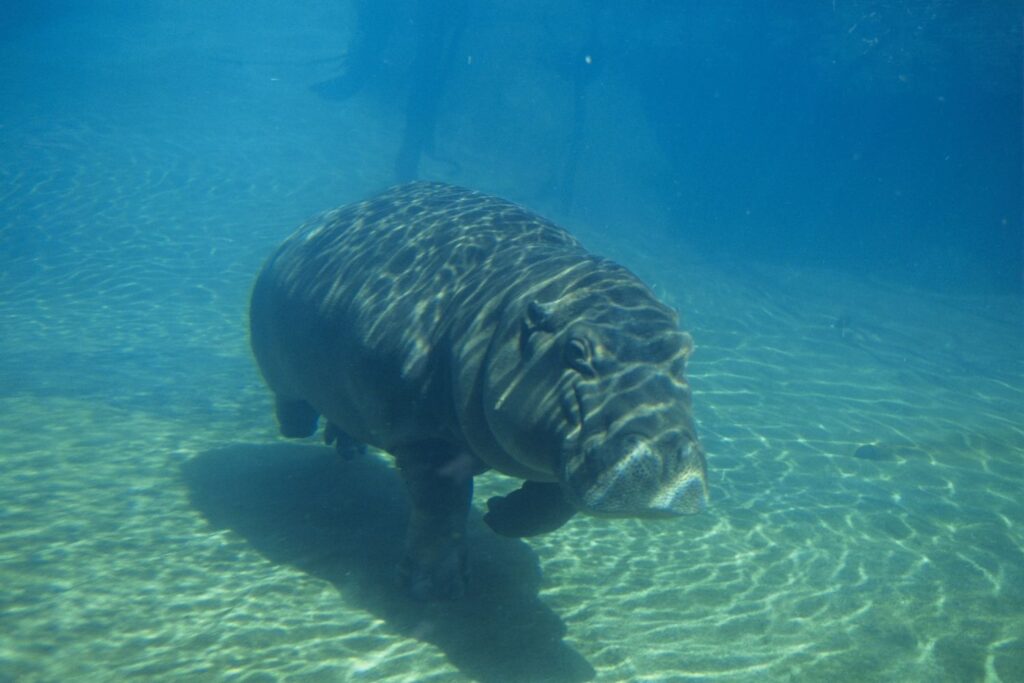
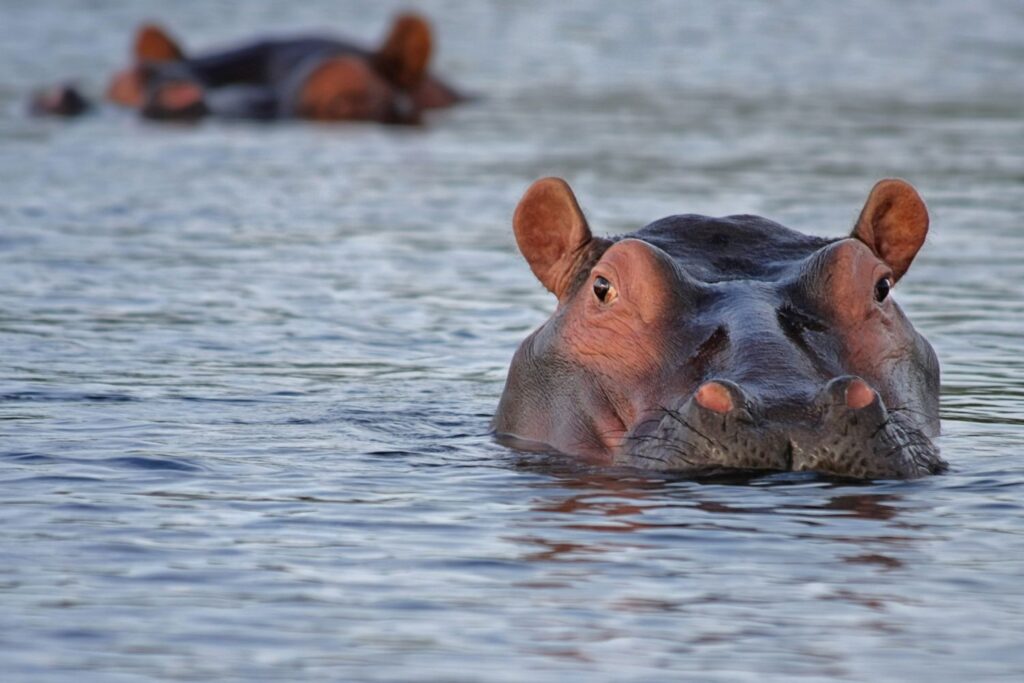
Their ability to remain submerged for several minutes makes them difficult to spot. Fishermen or travelers may assume the waterway is safe until a massive shadow rises beneath them. The surprise alone eliminates any chance of reacting quickly enough. The hippo asserts dominance before the human even locates its exact position.
This stealth works in their favor in murky rivers where visibility is limited. The animal stays motionless until it decides to strike, then erupts with a force that overturns boats or knocks people into the water. That single hidden advantage is one of the reasons hippo encounters are so deadly.
9. Their massive size gives them unstoppable momentum.
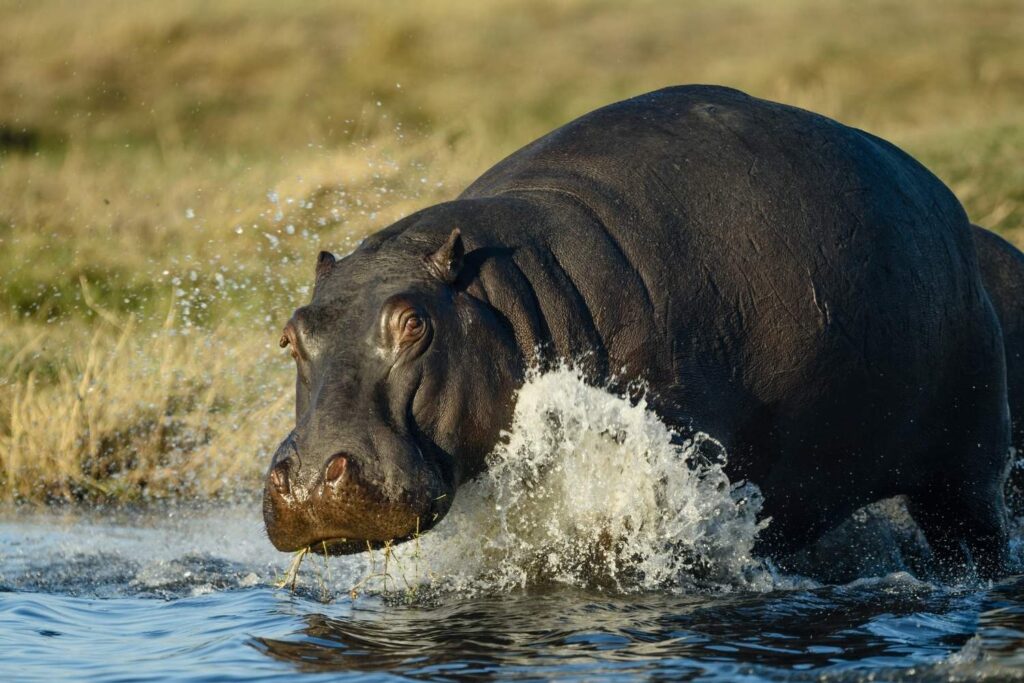
Once a hippo begins moving, its weight drives the motion forward with a force few animals can match. Even small collisions become dangerous because the impact can break limbs or knock people into hazardous areas of the river. The combination of bulk and speed leaves almost no room for safe disengagement.
The unpredictability grows sharper when the animal feels cornered. Its movement becomes erratic as it searches for an exit while pushing through anything in its path. For people nearby the safest option is always distance because once the hippo shifts direction its momentum dominates the environment.
10. Human encroachment increases the frequency of deadly encounters.
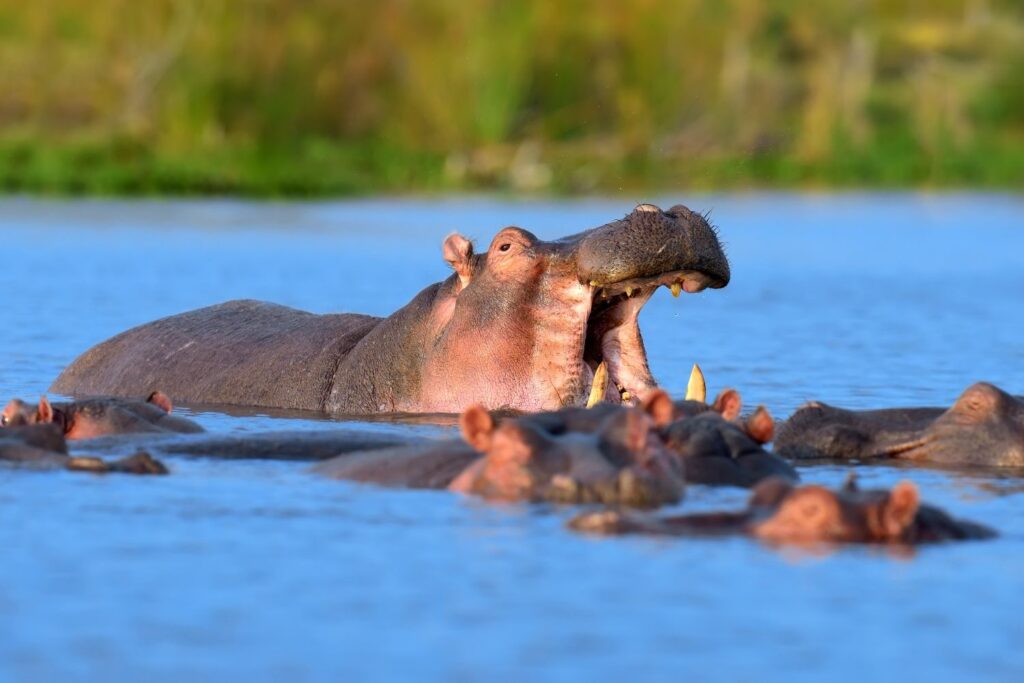
As villages expand toward riverbanks and fishing demands rise, humans and hippos interact more often. Boats crowd waterways that once belonged solely to wildlife. Hippos respond by defending shrinking territories with increasing aggression. People trying to navigate these shared spaces find themselves forced into closer proximity without realizing how deeply the hippos feel the intrusion.
Over time this overlap creates tension that neither species can avoid. The hippos follow ancient instincts while humans follow daily needs. The result is a dangerous intersection where a seemingly peaceful animal becomes one of the most lethal forces along African rivers.