
Small habits quietly shape escalating emotional panic.
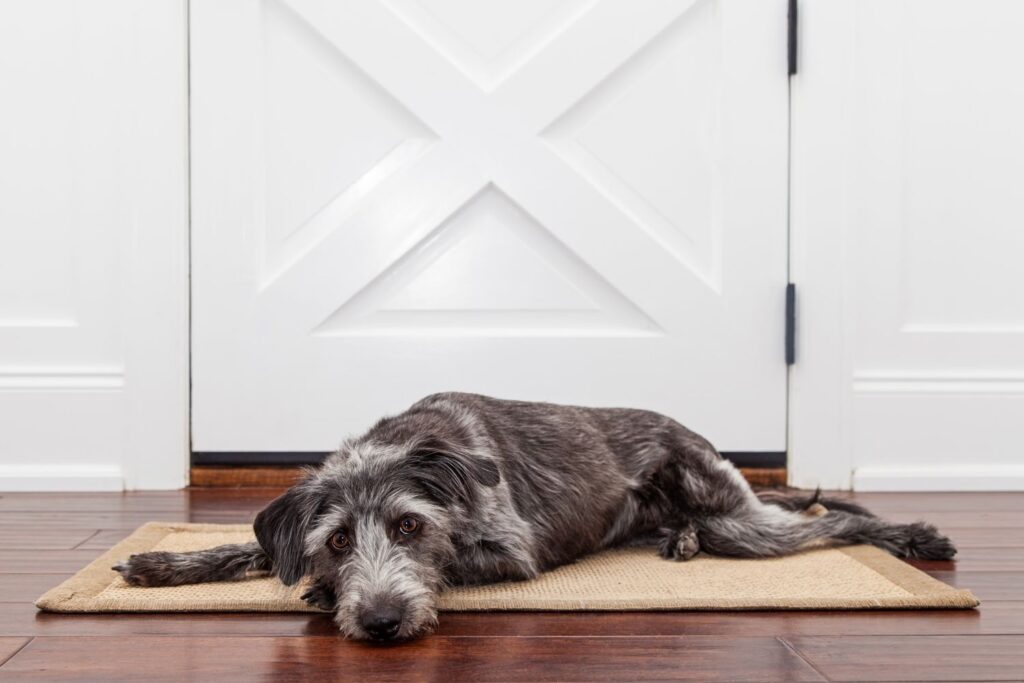
Separation anxiety rarely explodes out of nowhere. It builds quietly in ordinary homes where well intentioned owners unintentionally feed the cycle without realizing it. Dogs study patterns with incredible precision, noticing exits, tones, routines and emotional shifts long before a person reaches for the door. The panic grows from a combination of biology, confusion and misplaced expectations, turning everyday departures into something that feels like abandonment. Understanding how owners accidentally intensify this fear reveals why the anxiety spirals so quickly.
1. Emotional goodbyes escalate your dog’s internal alarm.

Many owners crouch down, whisper reassurance or offer long farewell routines thinking it softens the moment. Instead those gestures amplify the idea that something significant is happening, a response consistently noted in behavioral reviews according to the American Kennel Club. The dog learns that departures require heightened emotion and begins anticipating distress before the owner even moves toward the door.
As these signals repeat daily, the dog’s body prepares for panic minutes or even hours before separation. Their heart rate increases, pacing begins and vocalization rises because the ritual tells them fear is appropriate. Your affection is genuine but the message accidentally becomes a warning of looming discomfort.
2. Returning home with excitement reinforces frantic behavior.
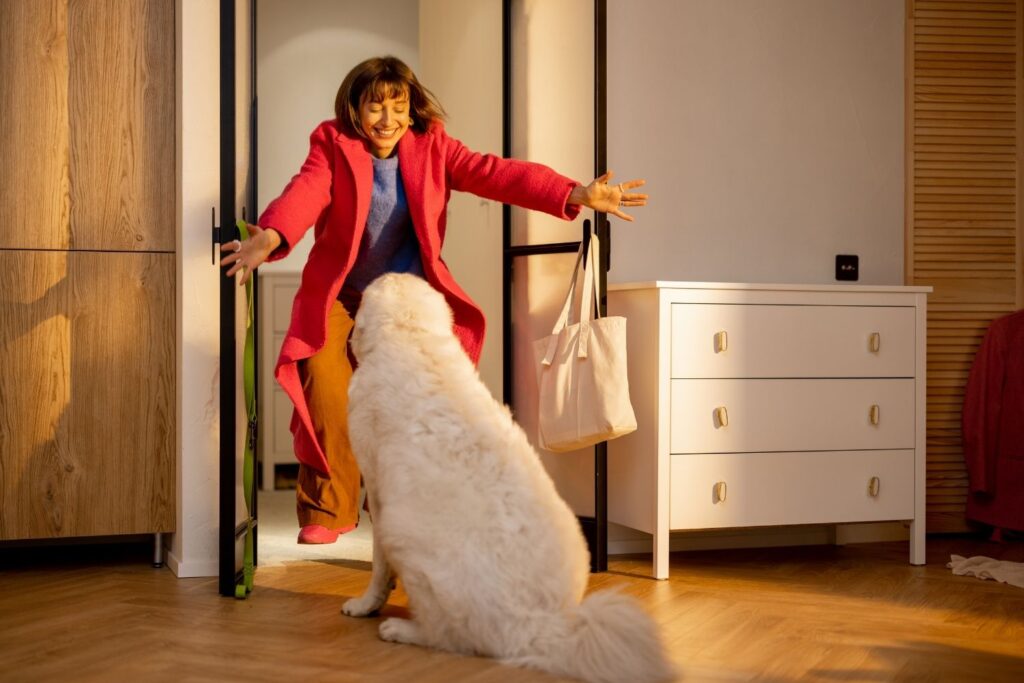
Many people react emotionally when they see their dog waiting at the door, overjoyed and trembling. The greeting becomes a celebration that validates every moment of panic the dog felt while alone, as stated by the Journal of Veterinary Behavior in studies of reinforced anxiety patterns. The dog learns that frantic behavior is followed by overwhelming affection, making the cycle stronger.
Over time the anticipation of this emotional reunion triggers greater distress during your absence. The dog escalates pacing, barking or destructive behavior because the reward waiting at the end feels worth the turmoil. Without realizing it, the owner teaches the dog that emotional chaos is the fastest route to connection.
3. Constant presence at home deepens dependence too quickly.

Dogs who experience long stretches of uninterrupted closeness often struggle once the routine changes. Remote work, holidays or recovery periods create an environment where the dog never experiences brief solo moments. This clinginess pattern emerges faster than expected, as discovered by the Merck Veterinary Manual in their notes on maladaptive attachment. The dog begins seeing your presence as the baseline for stability.
When the schedule shifts even slightly the panic hits hard. The dog relies on you for emotional regulation and cannot manage the silence of the empty house. What feels like kindness transforms into dependence that backfires the moment life returns to normal.
4. Inconsistent departures confuse your dog’s coping system.
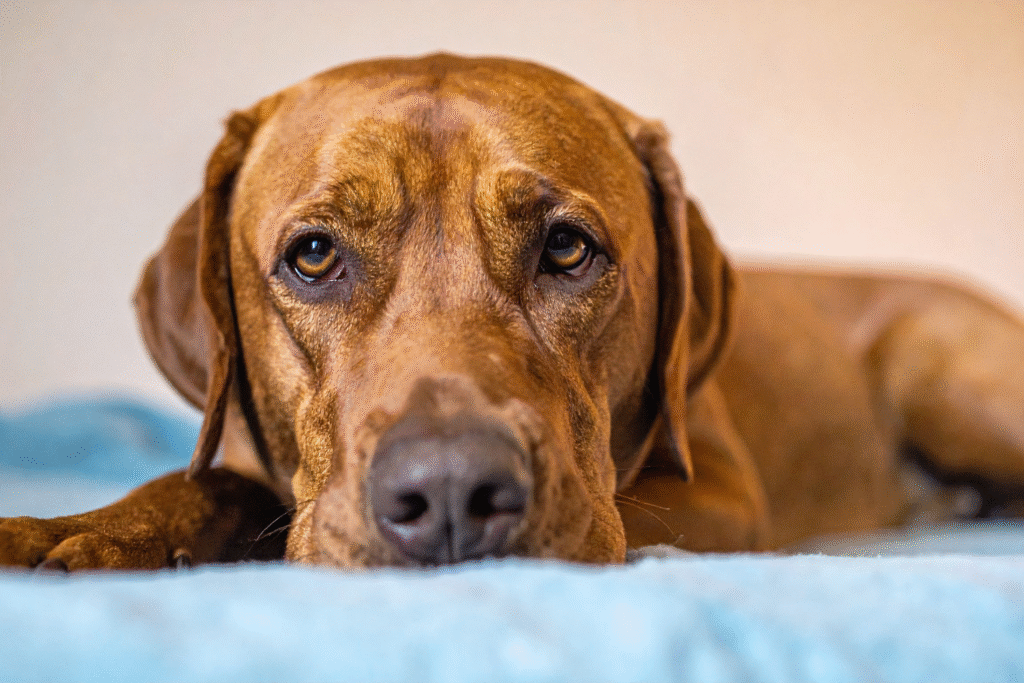
Dogs handle routines far better than unpredictability. When departure times shift constantly or exit cues change day to day, the dog cannot form patterns that reduce fear. One day you leave abruptly, the next you linger, and the inconsistency keeps the dog emotionally off balance. They brace for the unknown, which heightens anxiety.
As this confusion repeats, the dog becomes hyper vigilant. Every movement feels like it might signal departure, creating a constant underlying tension. By the time you actually leave they are already overwhelmed, making the anxiety feel inevitable.
5. Allowing clingy behavior teaches your dog dependency.

When a dog shadows every step, climbs into your space repeatedly or insists on constant contact, it may feel sweet. But these moments teach the dog that emotional survival depends on proximity. Over time the dog internalizes the idea that distance equals danger. That belief becomes the seed of full separation anxiety.
Once that dependency forms, even a quiet moment alone becomes distressing. The dog experiences emotional free fall the moment the connection breaks. What started as affection turns into a cycle of vulnerability that intensifies with each day.
6. Punishing anxious behavior deepens their confusion.
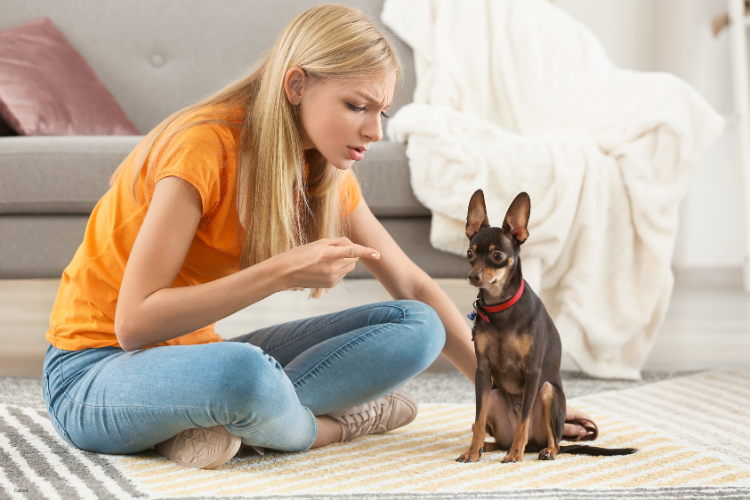
Dogs do not connect destruction, pacing or vocalizing with wrongdoing. They experience these behaviors as panic responses. When owners punish them upon returning home, the dog only learns that solitude leads to fear followed by more fear. That combination magnifies the anxiety rather than correcting it.
As the dog tries to understand the pattern, their emotional world becomes chaotic. They associate your return with unpredictability rather than relief. That association compounds the panic they feel next time you leave, making the behavior more extreme.
7. Over stimulation before leaving raises your dog’s arousal.
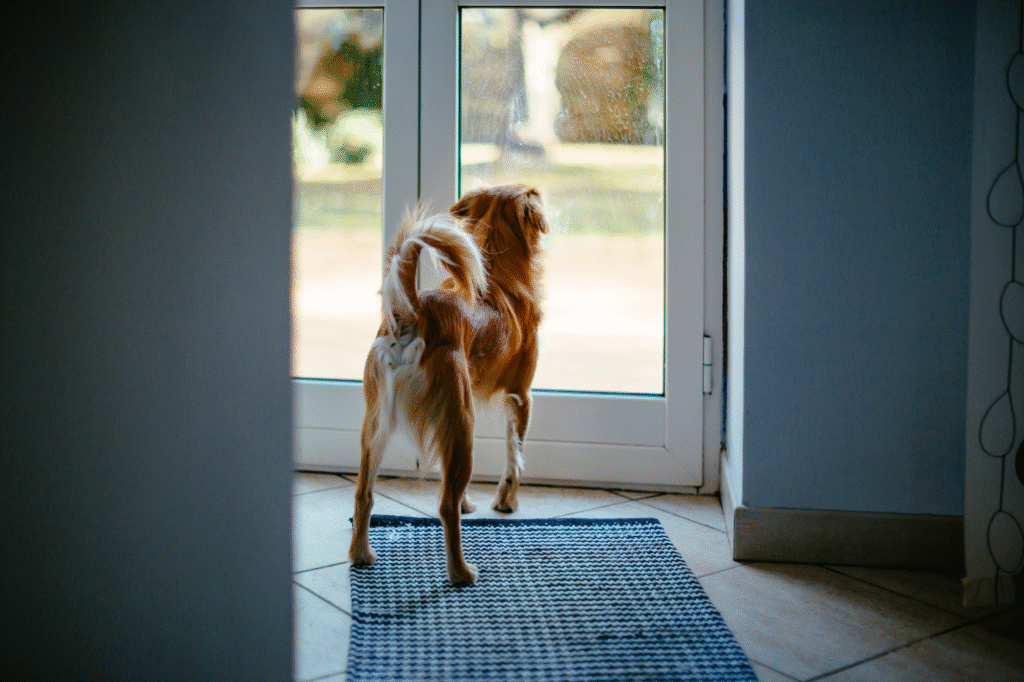
Some owners engage in intense play sessions or excitement right before stepping out. The energy spike elevates the dog’s heart rate and adrenaline. Once the owner leaves the dog sits with this heightened arousal and nowhere to place it. That leftover energy quickly morphs into anxiety.
As the dog tries to self regulate, the crash between stimulation and sudden silence becomes overwhelming. Their body interprets the shift as a threat instead of a routine part of daily life. What began as an act of kindness becomes a trigger for distress.
8. Leaving without creating a safe environment increases stress.

Dogs need predictable spaces to calm themselves. When the environment changes daily or lacks comforting structure, isolation becomes intimidating. No designated area, soothing background noise or consistent placement of enrichment tools leaves the dog exposed to every sound and shadow. That vulnerability fuels their fear the moment the door closes.
With each departure the dog feels lost in an unpredictable landscape. They cannot anchor themselves to something steady, so their anxiety grows louder. Their physical space becomes part of the problem instead of part of the solution.
9. Ignoring early signs of anxiety allows escalation.

Many early signals are quiet. Dogs begin following owners more closely, panting during minor exits or reacting to small cues like picking up keys. When these moments go unnoticed or dismissed as clinginess, the anxiety grows unchecked. Over days or weeks it evolves from mild concern into full blown panic during actual separations.
As the pattern deepens the dog becomes increasingly distressed. What could have been eased early turns into entrenched fear that impacts their entire routine. The dog then enters a cycle of anxiety that becomes harder to reverse with time.