
Stress slowly reshapes behavior in overlooked dogs.

Dogs rarely fall apart overnight. Most of the time their anxiety builds in tiny increments, formed by gaps in routine, missing guidance or simple human oversight that seems harmless in the moment. You see it in shelters across Phoenix, suburban homes in Atlanta and crowded apartments in New York. A dog starts out trusting and soft, then slowly becomes jumpy, unsure and reactive, shaped by the quiet weight of unmet needs.
1. Daily structure collapses when owners skip predictable routines.
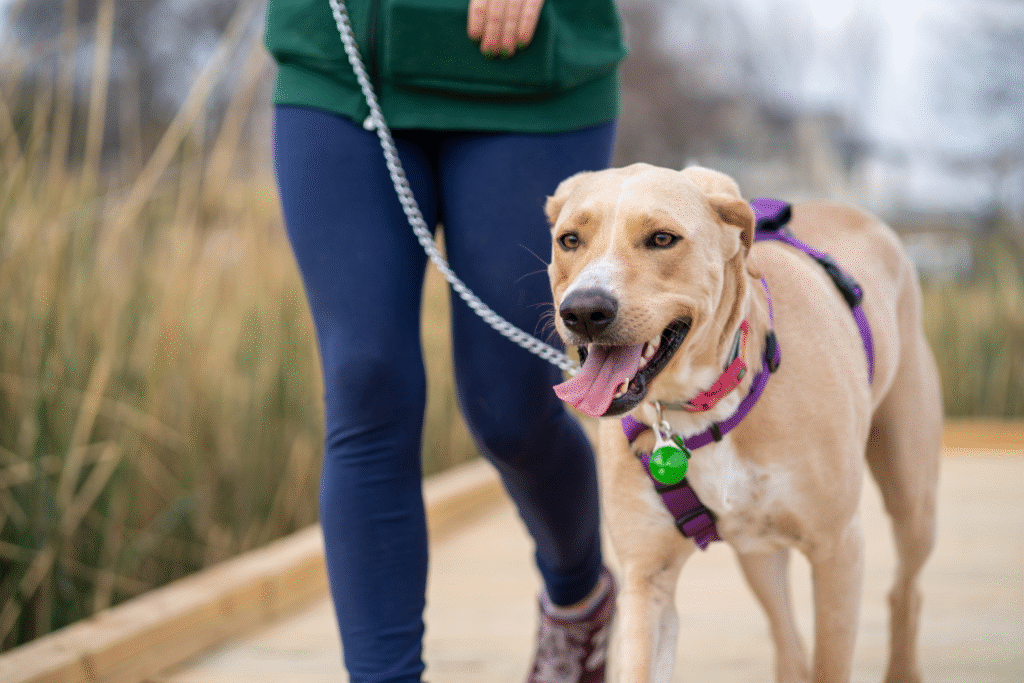
Many dogs rely on timing cues to feel secure. When feeding or walks shift constantly, their internal rhythm breaks down and stress rises in ways owners often miss. Studies of canine behavior have repeatedly shown how predictable schedules support emotional resilience, as stated by the American Kennel Club.
As that structure falls apart, nervous behaviors creep in. A dog begins pacing more, barking at random noises and startling easily. Mild stress becomes chronic tension. Once that pattern sets in, even small changes feel overwhelming, and the dog clings to any control it can find.
2. Emotional neglect starts shaping how the brain responds.

Dogs read facial cues, tone shifts and body language with astonishing accuracy. When they receive little positive feedback, the parts of the brain tied to bonding and regulation start to work harder than they should, as reported by the Journal of Veterinary Behavior.
Over time, the absence of that emotional back and forth creates a dog that watches its owner anxiously and expects rejection. The uncertainty becomes exhausting. Soon you see a once relaxed dog trembling during interactions, unsure if affection is allowed or if it will be ignored again.
3. Inconsistent handling makes every decision a point of stress.
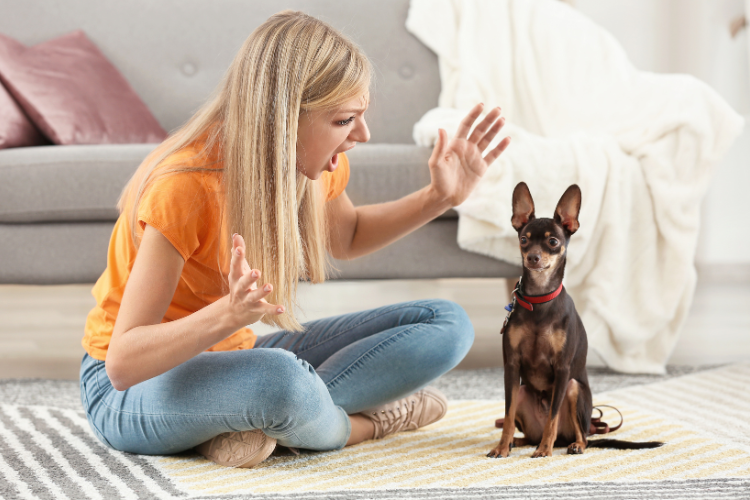
Dogs need clarity about what behaviors are safe, acceptable and rewarded. When rules change daily, they struggle to predict consequences. That confusion can heighten cortisol levels, as discovered by researchers cited through the University of Bristol’s Veterinary School.
A dog facing shifting boundaries starts overthinking every move. It hesitates at thresholds, freezes during simple commands and avoids exploring. That mental tug of fear and guessing eventually becomes ingrained. The dog learns to operate from caution instead of curiosity, and the world begins to feel like a place filled with traps.
4. Social isolation pushes instincts into an unhealthy overdrive.

When a dog spends long stretches alone without enrichment or interaction, its natural desire to bond gets distorted. It starts clinging too tightly once people return or avoiding connection altogether because it no longer understands what healthy social contact feels like.
That kind of isolation is different from simple downtime. It erodes confidence and makes neutral events seem threatening. Slowly the dog builds a worldview shaped by absence, expecting the environment to be hostile or empty. Moments that should feel joyful end up triggering fear based responses that seem out of character.
5. Lack of safe outlets lets anxious energy build unchecked.

Dogs experience stress physically. Without physical release, that tension gathers in the body and eventually spills out as trembling, pacing or destructive chewing. Their nervous system struggles to reset itself, leaving them vulnerable to spiraling reactions.
Movement gives them a way to expel that tension. When it is missing, even small surprises feel amplified. You start seeing a dog flinch at soft noises or avoid open spaces. The body holds everything too tightly, and every day becomes a cycle of stored stress without relief.
6. Harsh environments convince dogs the world is unsafe.
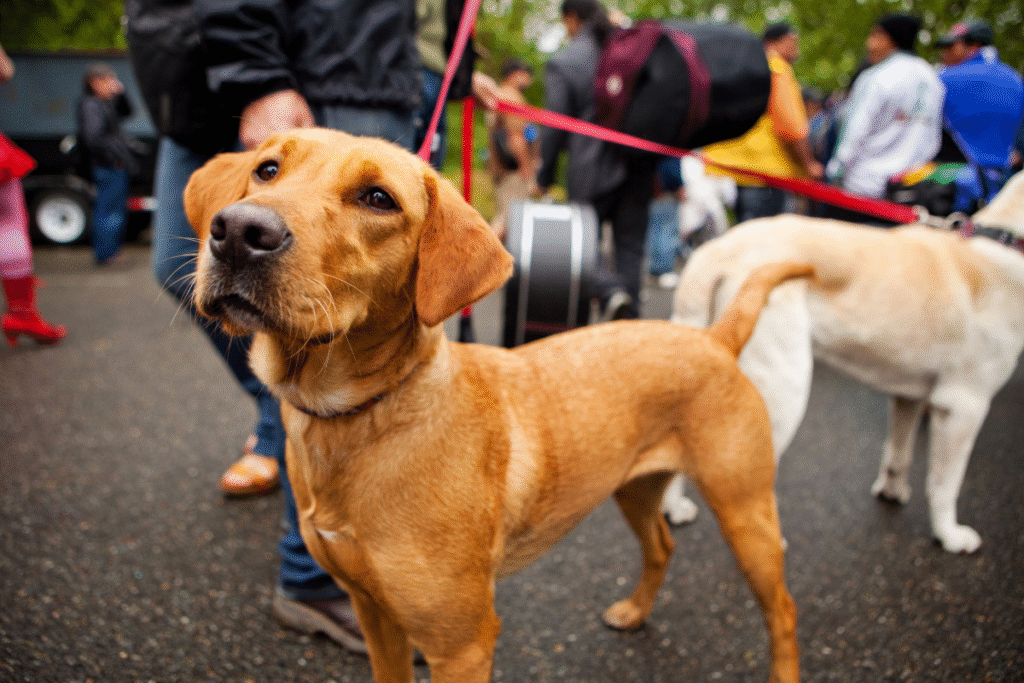
A home filled with yelling, chaotic noise or unpredictable conflict can rewire a dog’s emotional responses. Even if the dog is not the target, the constant adrenaline spikes create long term sensitivity.
Eventually the dog reacts to normal sounds as if danger is imminent. Footsteps, dropped keys or a closing door turn into triggers. You watch a gentle dog shrink into itself, bracing for something bad, even when nothing is happening. The fear becomes part of its baseline state.
7. Missing early socialization leaves them confused by normal life.

Dogs that do not experience varied environments during their early months often see ordinary experiences as frightening. Simple things like bikes, strangers or loud trucks feel foreign and threatening.
Without early exposure, they lack the internal map that helps them navigate a busy world. Every outing becomes an unpredictable challenge. That confusion eventually morphs into anxiety, showing up as barking, trembling or refusal to walk. They are not stubborn. They are overwhelmed.
8. Pain goes unnoticed and breeds defensive behavior.

Undiagnosed pain makes a dog’s entire world harder to tolerate. A slight shift, a gentle touch or a quick movement can feel risky when discomfort is constant but hidden.
Dogs rarely show clear signs until the problem becomes significant. Once that pain feeds anxiety, the dog becomes jumpier and guarded. Owners sometimes mistake this for misbehavior, but it is the dog trying to protect itself. When the pain continues, the reactivity deepens and trust erodes.
9. Absence of mental enrichment dulls their ability to cope.

A bored mind becomes a restless mind. Dogs need problem solving, curiosity and stimulation to keep their emotional system balanced. Without mental challenges, their tolerance for frustration drops sharply.
You start seeing them overreact to tiny setbacks, pacing or barking at stimuli that once felt harmless. Their world narrows because nothing in it feels engaging. That lack of stimulation turns into a kind of cognitive ache that feeds constant tension.
10. Unreliable affection conditions dogs to expect disappointment.
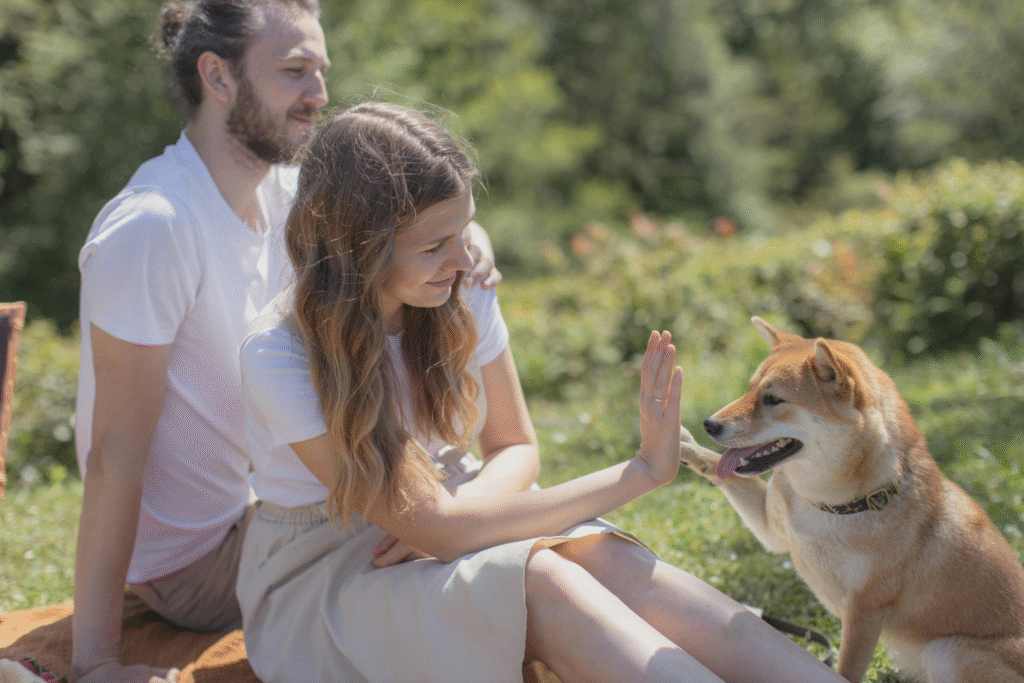
When affection arrives sporadically, dogs struggle to understand what secure bonding feels like. They may cling excessively when attention appears or retreat because they anticipate rejection.
Both reactions grow from the same uncertainty. A dog that once trusted easily becomes a dog measuring every interaction. The emotional inconsistency chips away at their stability. Over time, they move through the home with quiet apprehension, hoping for connection but bracing for the letdown that often follows.