
High energy dogs unravel fast without movement.

Some breeds were created for hard work, miles of movement and constant mental engagement, and when that structure disappears their behavior unravels quickly. Anyone living with these dogs in small apartments or busy suburban neighborhoods has seen how fast their energy spills into chaos. Without sustained exercise, they become restless, reactive and overwhelmed, revealing just how much daily motion their bodies and minds were built to handle.
1. Border Collies spiral quickly without structured activity.

Border Collies carry an intensity shaped by generations of herding work. When they do not get miles of focused movement, they often redirect that energy into pacing or obsessive routines. This pattern has been documented extensively, as stated by the American Kennel Club, which highlights their exceptional need for daily tasks.
Owners notice how fast their behavior changes. A calm dog in the morning becomes frantic by evening, circling furniture or shadow chasing. Without consistent outlets, their sharp minds overwhelm them, and their sensitivity to noise and motion escalates until they feel impossible to settle.
2. Australian Shepherds lose stability when exercise disappears.
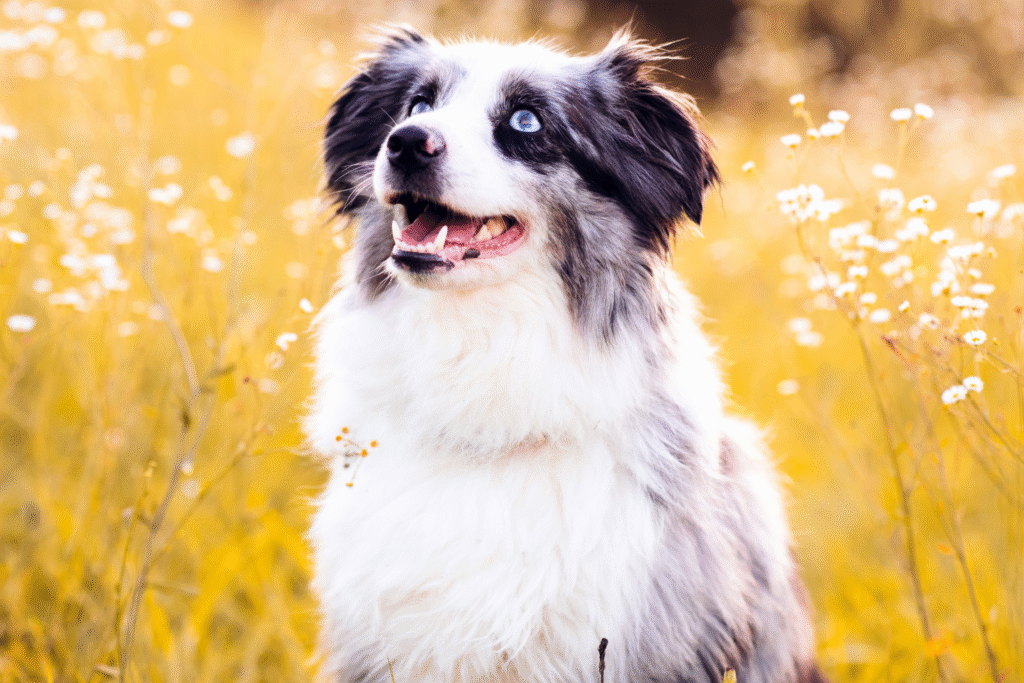
Australian Shepherds were bred to follow ranchers across enormous distances, which means inactivity feels unnatural to them. Many develop anxious chewing, barking or yard escape attempts. Their physical and mental stamina is well known, as reported by Veterinary Practice News, which details their long standing role as demanding working dogs.
When owners miss even a few days of activity, tension builds rapidly. They start scanning for stimulation in every direction, reacting to sounds and movements that once felt unimportant. The lack of movement leaves them on edge, and their frustration shows up in impulsive decisions and constant restlessness.
3. German Shorthaired Pointers react poorly to inactivity.
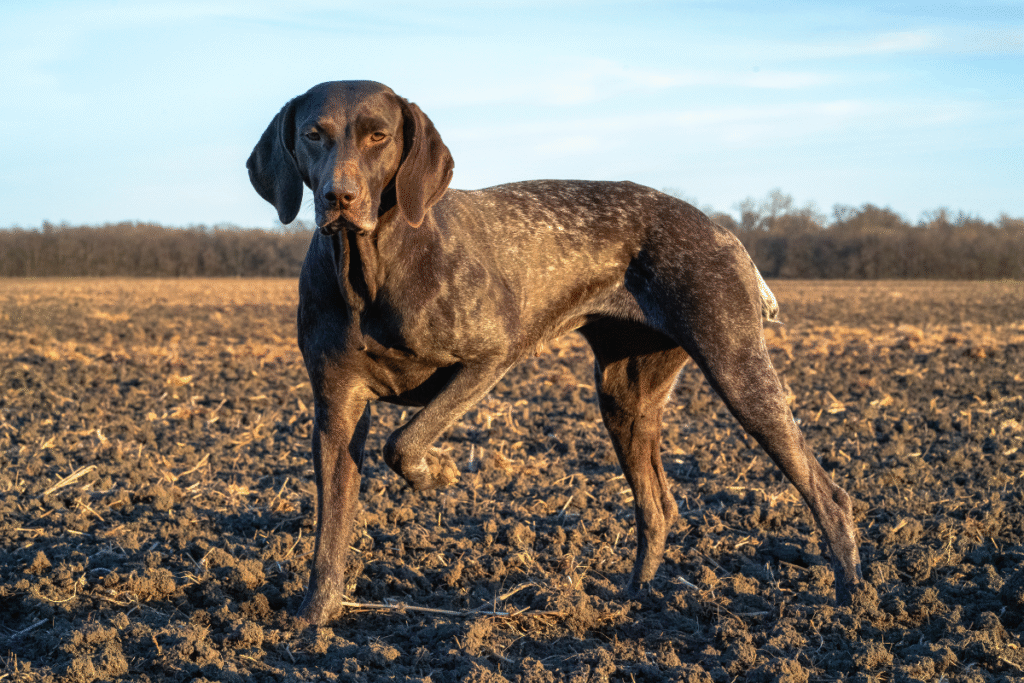
These dogs were designed for full day hunting runs, not quiet afternoons indoors. Their bodies expect long bursts of aerobic activity, and without it they become agitated and easily overstimulated. Their high endurance requirements are frequently discussed, as discovered by Outside Magazine in its coverage of sporting breeds.
When exercise is limited, they bounce between windows, bark at anything moving and struggle to relax. Their minds remain wired long after the day ends, and even minor disruptions trigger outsized reactions. Without steady movement, their focus scatters and their temperament becomes unpredictable.
4. Belgian Malinois unravel quickly in sedentary environments.

Belgian Malinois thrive under pressure and purpose. With no job or routine challenge, their intensity can become unmanageable fast. These dogs were built for military style stamina, and that heritage shows up in their constant drive for motion.
When that drive has nowhere to go, they start creating their own tasks. Rearranging objects, patrolling hallways or reacting sharply to ordinary noises becomes their default. Their bodies hold too much unused energy to stay calm, and their agitation spreads through the household like static.
5. Siberian Huskies become destructive when movement is restricted.

Siberian Huskies were made to run for hours through harsh terrain. A day without exercise feels like a pressure cooker. Their boredom often turns into escape attempts or sudden bursts of chaos in the home.
That energy comes from deep instinct. Without frequent physical release, they vocalize constantly, test boundaries and search for any outlet. Even in calm households, their frustration surfaces through chewing, digging or restlessness that lasts late into the night.
6. Weimaraners struggle intensely without long distance exertion.
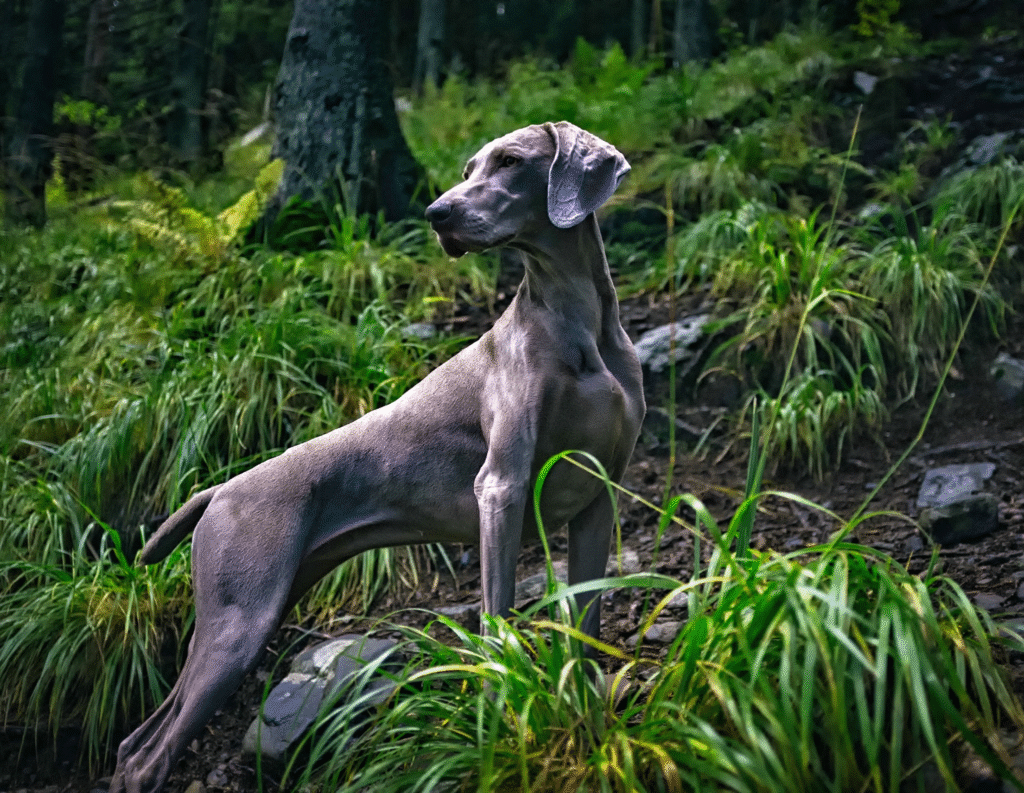
Weimaraners are known for their need to run, chase and explore. When confined to minimal activity, their stress becomes visible through pacing or sudden hypervigilance. Their sleek athletic build mirrors their equally powerful energy.
Once the lack of stimulation sets in, they begin reacting to mundane triggers with exaggerated intensity. A passerby or a delivered package can send them into spirals of barking. Their minds crave a task, and without it they burn through their own patience.
7. Vizslas develop tension when their energy has no outlet.

These affectionate athletes need daily release to manage their sensitive nervous systems. Their bond with people is strong, but without exercise that connection cannot replace their need for movement.
Their frustration shows up quietly at first, through constant nudging or whining. Then it escalates into frantic behavior, especially in confined spaces. The energy becomes too powerful to contain, and their sweet nature temporarily vanishes beneath the strain.
8. Jack Russell Terriers react intensely to inactivity.

Jack Russells carry a surprising amount of force in a small frame. Their terrier instincts demand fast action and regular stimulation. Without that, they shift into disruptive habits.
Their energy builds in sharp bursts, leading them to bark at the smallest sounds or chase imaginary threats. They need both movement and mental puzzles to stay grounded. Without these, they become unpredictable and tightly wound.
9. Labrador Retrievers show stress when severely under exercised.
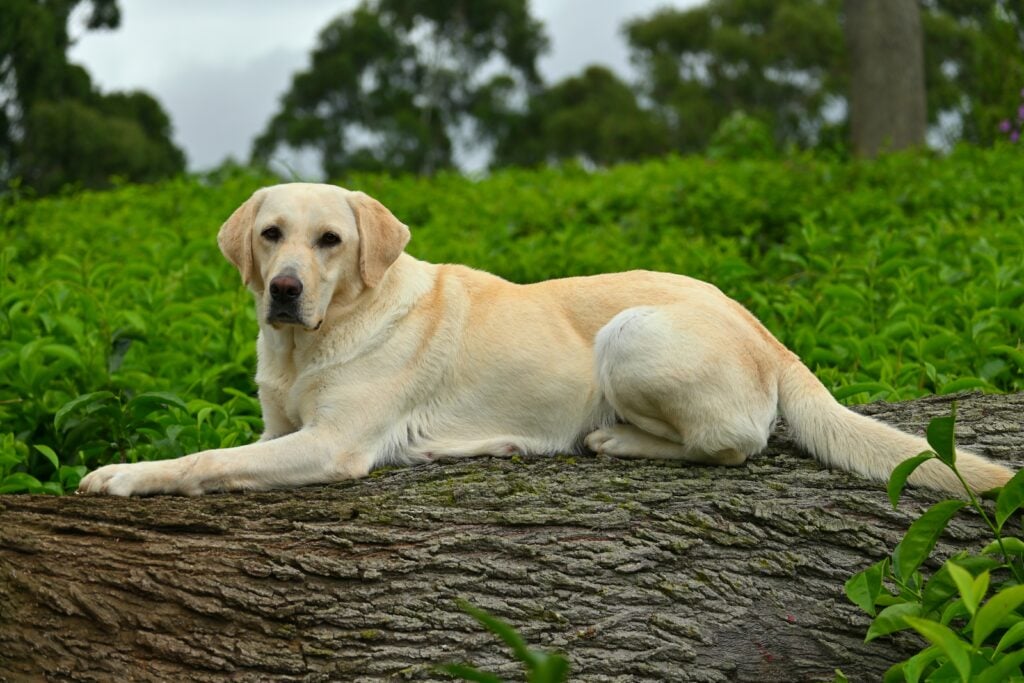
Labs may appear easygoing, but their sporting lineage means they are happiest when moving. When daily activity drops, their boredom can transform into overeating, digging or frantic attention seeking.
Their gentle temperament hides how much energy they hold. When it goes unused, they grow restless and reactive. That tension accumulates quietly and eventually spills into behaviors owners often do not expect from such a famously stable breed.
10. Standard Poodles become anxious without consistent outlets.

Standard Poodles are sharp thinkers with athletic bodies. Without daily stimulation, they develop emotional friction that shows up through pacing, barking or destructive habits.
Their intelligence creates a unique challenge. They notice every small change in their environment, and when they lack exercise their minds amplify those details. The resulting anxiety chips away at their calmness and makes them unusually tense.
11. Airedale Terriers unravel rapidly without enough challenge.
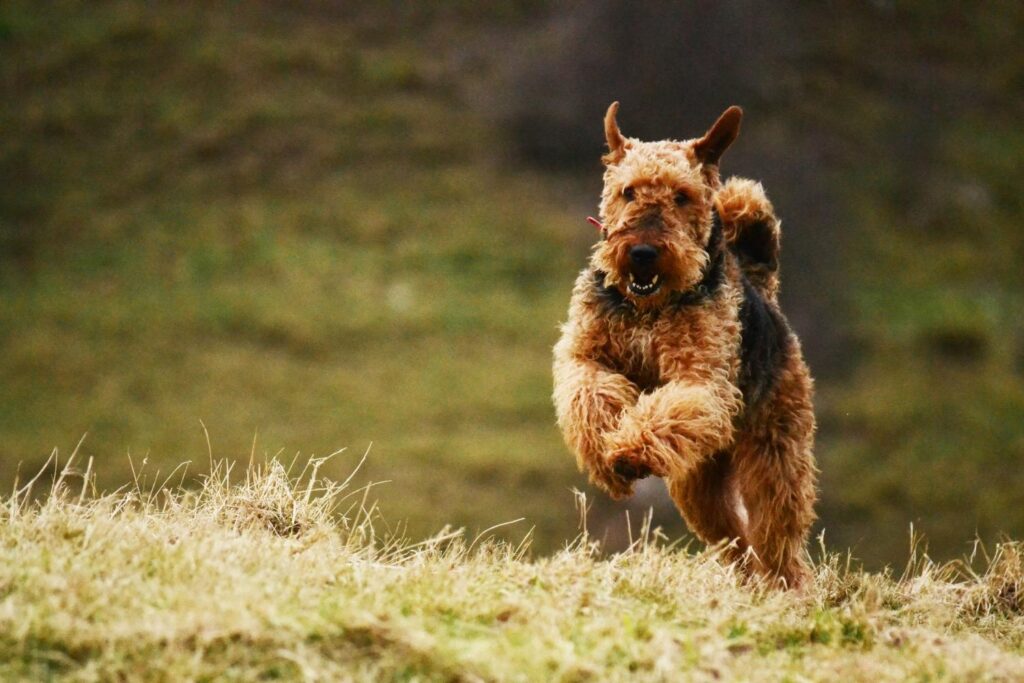
Airedales carry a mix of terrier drive and working stamina that builds pressure quickly if unused. Their curiosity and boldness escalate into mischief when boredom settles in.
As their energy accumulates, they begin pushing boundaries. Digging, counter surfing or constant searching for stimulation become their tools of relief. Without daily motion, their confidence twists into stubborn intensity that overwhelms inexperienced owners.
12. Boxers struggle when their exuberance remains pent up.
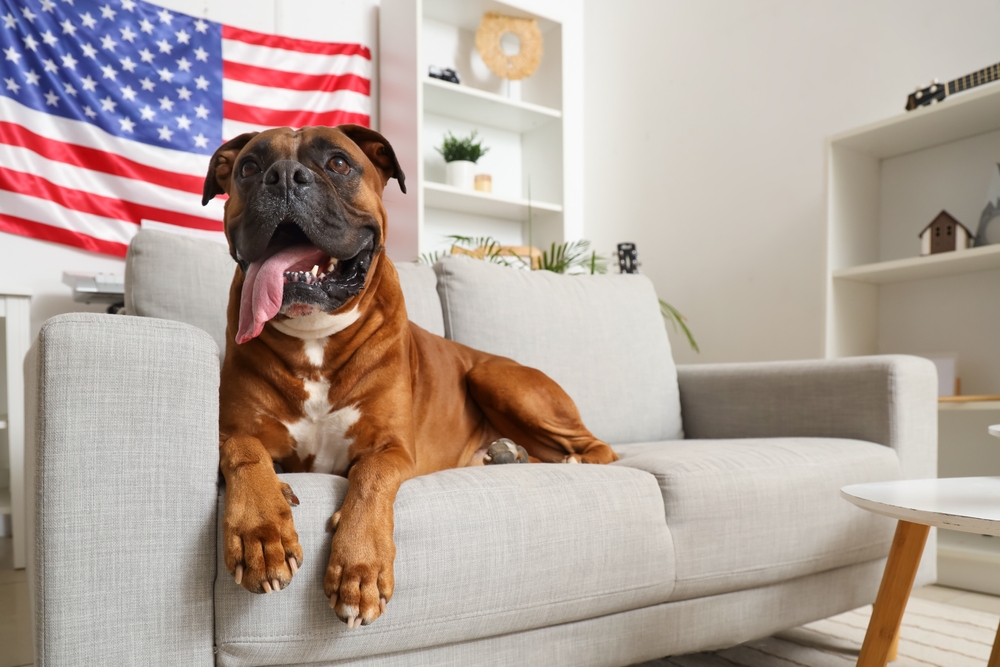
Boxers are cheerful athletes, but their compressed strength demands movement. When limited, their energy turns chaotic, spilling into jumping, barking or frantic play that seems impossible to redirect.
They thrive on physical connection and activity. Without it, they bounce between excitement and frustration, never finding a steady rhythm. Their big personalities become harder to manage as each missed outing adds to the tension brewing beneath their friendly exterior.