
Rising veterinary costs driving unexpected coverage gaps.
Pet parents across the country are discovering that insuring a cat in 2025 costs far more than they expected. Monthly premiums that once felt manageable now rival small utility bills, and common treatments suddenly fall into gray zones of limited coverage. In cities like Portland, Denver and Miami, owners share the same startled reaction when they realize how many everyday conditions appear on the exclusion lists shaping today’s feline insurance landscape.
1. Dental disease coverage now falls into a costly gap.

Many owners assume dental issues are routine, yet insurers increasingly categorize them as preventable rather than essential. This shift means even simple extractions or cleanings land on the exclusion list. The trend has been reflected repeatedly, as reported by the American Veterinary Medical Association.
As these exclusions expand, owners face rising out of pocket bills. A minor dental concern can escalate because treatment gets delayed, and by the time action is taken the costs surge. That cycle pushes families into difficult decisions when routine mouth pain suddenly turns into a major financial burden.
2. Chronic digestive troubles create unpredictable expenses fast.

Digestive conditions like IBD or chronic vomiting appear more frequently in indoor cats as they age. Some insurers place these conditions under limited coverage because they fall into recurring illness categories, as stated by Consumer Reports.
The unpredictable nature of these disorders makes planning nearly impossible. One month brings mild symptoms and the next brings emergency care. Owners describe feeling trapped between wanting answers and fearing the bill, creating a stressful tug of uncertainty that overshadows the entire process of managing a chronic condition.
3. Behavioral treatment exclusions surprise overwhelmed owners.
Anxious behavior in cats has climbed in recent years, yet behavioral therapy often appears on the exclusion lists for mainstream policies. Many insurers frame it as a training issue rather than a medical one, as discovered by reporting from The New York Times.
This gap leaves owners struggling to treat issues like compulsive grooming or stress related aggression. When professional help is needed, the out of pocket total rises quickly. Families find themselves wrestling with choices that feel unfair, especially when the behavior stems from a clear underlying medical or environmental trigger.
4. Breed related risks push premiums higher than expected.

Certain breeds like Bengals and Sphynx cats come with known genetic concerns that insurers factor heavily into pricing. Owners realize the problem only after the first renewal notice arrives. What seemed reasonable in year one suddenly climbs into uncomfortable territory.
The rising premiums reflect the statistical risks but still leave families feeling unprepared. They often seek alternatives, yet each quote brings similar increases. The pattern creates a long term financial strain for anyone committed to a breed with a complex medical profile.
5. Urinary blockages create enormous bills when not covered.

Male cats are especially prone to urinary blockages, and without comprehensive coverage the cost of emergency treatment can be staggering. A single incident may involve hospitalization, catheterization and follow up imaging.
Owners who encounter this crisis describe two shocks at once, the medical emergency and the bill. Those who believed their policy covered emergencies discover limitations that appear only after the incident. The emotional intensity of the situation makes the financial hit even harder to absorb.
6. Allergy management becomes pricey without sustained support.
Cats with environmental or food allergies often need lifelong management. Without coverage for ongoing testing, special diets or injections, the cumulative expense grows quietly until it overtakes the monthly budget.
Owners talk about rotating foods, cleaning routines or medications in a constant search for stability. The lack of support from insurance plans leaves many feeling overwhelmed by the relentlessness of the condition. The stress comes not just from symptoms but from the endless financial drip that never truly ends.
7. Heart disease evaluations add up fast across multiple visits.
Conditions like hypertrophic cardiomyopathy require ongoing monitoring through echocardiograms and specialist consultations. When insurance treats these as optional or limits reimbursements, families face a long series of high cost diagnostic visits.
The emotional weight of managing a chronic cardiac condition mixes with the logistical burden of repeated testing. As the expenses stack up, some owners start spacing out visits, hoping the condition remains stable. That uncertainty compounds the anxiety that comes with caring for a fragile cat.
8. Emergency after hour care brings unpredictable financial strain.

When a cat needs urgent care at midnight, owners often have no choice but to head to an emergency clinic. These visits can exceed the coverage caps set by many plans, leaving families with hefty balances.
The unpredictability makes the experience especially stressful. You walk in hoping for quick answers and walk out grappling with a bill larger than expected. The emotional intensity of the situation makes the financial pressure feel even heavier.
9. Imaging requirements end up costing more than treatment.
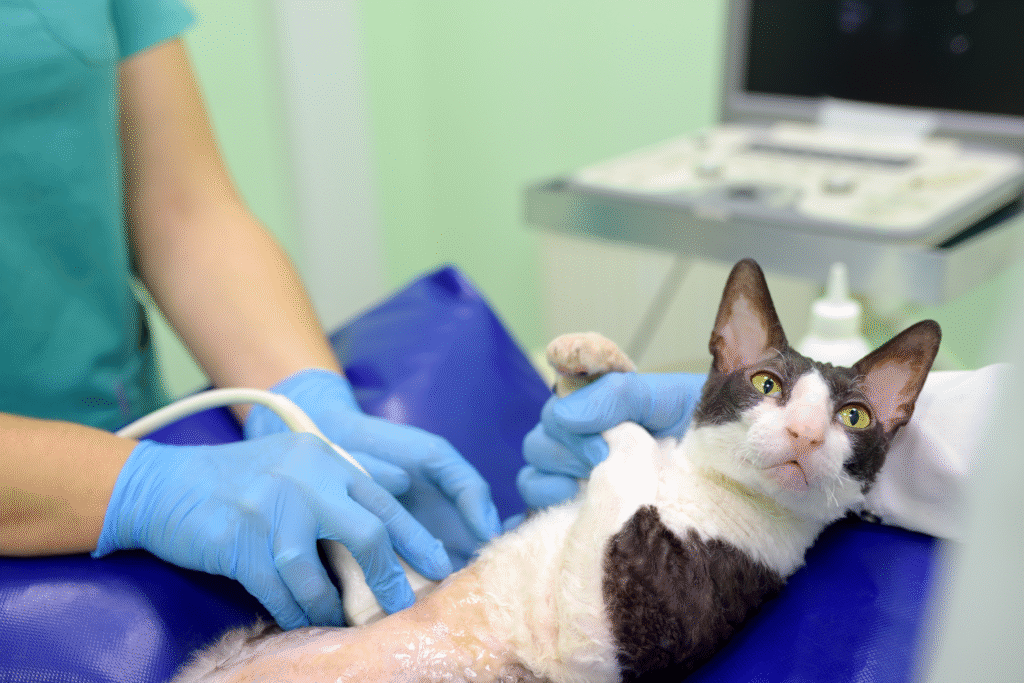
X rays, ultrasounds and CT scans frequently fall into partial coverage categories. Some policies reimburse only a fraction, turning diagnostics into major expenses. Owners often discover this only after several tests are ordered.
The irony is that imaging is often essential to avoid unnecessary treatments. Without confirmation from scans, veterinarians hesitate to move forward. The result is a frustrating loop where the cost of finding answers competes with the urgency of getting them.
10. Long term medication plans exceed annual limits quickly.

Cats with chronic conditions depend on steady medication routines. When plans cap prescription reimbursements, owners find themselves paying hundreds each month after limits reset. The issue becomes most apparent with older cats.
Even seemingly minor medications accumulate into surprising totals over time. Families describe reorganizing budgets or delaying refills to stay afloat. The constant balancing act creates a stressful backdrop to the caregiving experience, turning routine medical support into a financial maze.
11. Specialist referrals strain budgets much faster than expected.
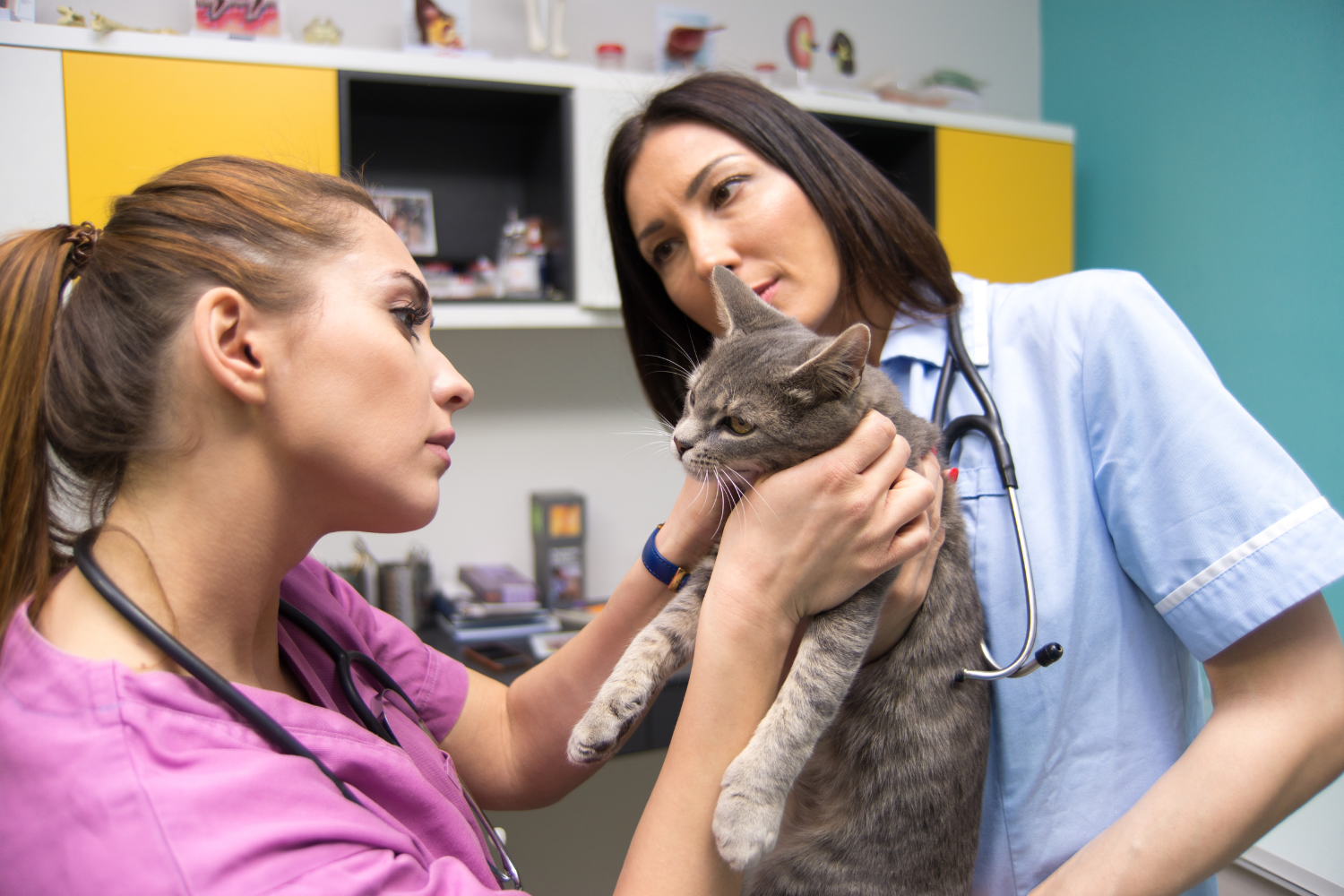
Dermatologists, cardiologists and neurologists often fall into separate reimbursement categories, and many insurance plans provide only minimal support for specialist care. A single consultation can set off a chain of follow up visits.
The pressure intensifies when appointments spread across months. Owners feel torn between wanting expert guidance and fearing each invoice. The tension builds with every decision, especially when a cat’s symptoms shift unpredictably and additional expertise becomes necessary.
12. Senior care exclusions catch many families off guard.

As cats pass ten or twelve years old, insurance plans begin limiting new conditions or increasing deductibles. Owners feel the impact quickly as age related issues appear. What was once manageable coverage suddenly becomes restricted.
The shift often leads to late life expenses that eclipse the previous decade. Families wanting to support their aging cats find themselves navigating a shrinking safety net. Each diagnosis brings both concern and a new round of calculations, creating a relentless sense of pressure during a time that should feel focused on comfort.