
Arctic pattern shift sparks rising concern.
Cold air over the high Arctic is reorganizing in a way that is grabbing forecasters’ attention, especially as holiday travel nears. Upper level data from Alaska and northern Canada hints that the atmosphere may be shifting into a triple-dip polar vortex pattern, a setup where three cold lobes can form and drift south. None of them have fully developed yet, but the early signals suggest colder air could reach the United States sooner than expected.
1. Northern winds begin tilting toward Canada now.
Meteorologists watching wind fields above the Beaufort Sea noticed a quick shift in the polar circulation that usually unfolds more gradually according to the National Weather Service. This abrupt tilt is one of the early signs of a triple dip pattern, where the vortex begins splitting into separate cold extensions. The first tilt typically drives frigid air toward the Yukon before it spills into the northern plains.
Residents in Montana and the Dakotas may experience some of the earliest drops as this first lobe forms. These early pushes often arrive in pulses, and each pulse can reinforce the next. When models begin agreeing on these shifts, forecasters tend to watch pressure trends more closely. Several short range models are already highlighting negative anomalies building near the Canadian border.
2. A second cold extension rotates near Hudson Bay.
A second dip in the circulation is showing signs of tightening over Hudson Bay as stated by CNN Weather, and that rotation can bend the jet stream southward into the Midwest. When that bend locks into place, cold air slides through Minnesota and Wisconsin with fewer interruptions. This shift is often what leads to the broader multiday freezes that spread across the central states.
Temperatures across Manitoba are falling at a pace that supports this developing dip. If the rotation strengthens, cities from Duluth to Green Bay could see harder lows before the holiday week begins. Forecasters are watching for consistency in overnight readings, since repeated drops usually mean the second dip is gaining momentum.
3. A third lobe gathers strength over Siberia.

Energy building along the Siberian side of the Arctic is pushing a third dip into view as reported by Reuters. This third lobe is often the one that re energizes the entire pattern when it circles back toward Alaska. If it continues to deepen, the jet stream could carve a sharper trough that eventually reaches the continental United States.
The third dip tends to send colder surges into western Canada before they push into the northern Rockies. When the atmosphere stacks that much cold air in one region, the spillover becomes more forceful. Some long range models show this dip merging with the others as Christmas week approaches, which often leads to more widespread freeze zones.
4. Curved jet stream paths begin linking the dips together.
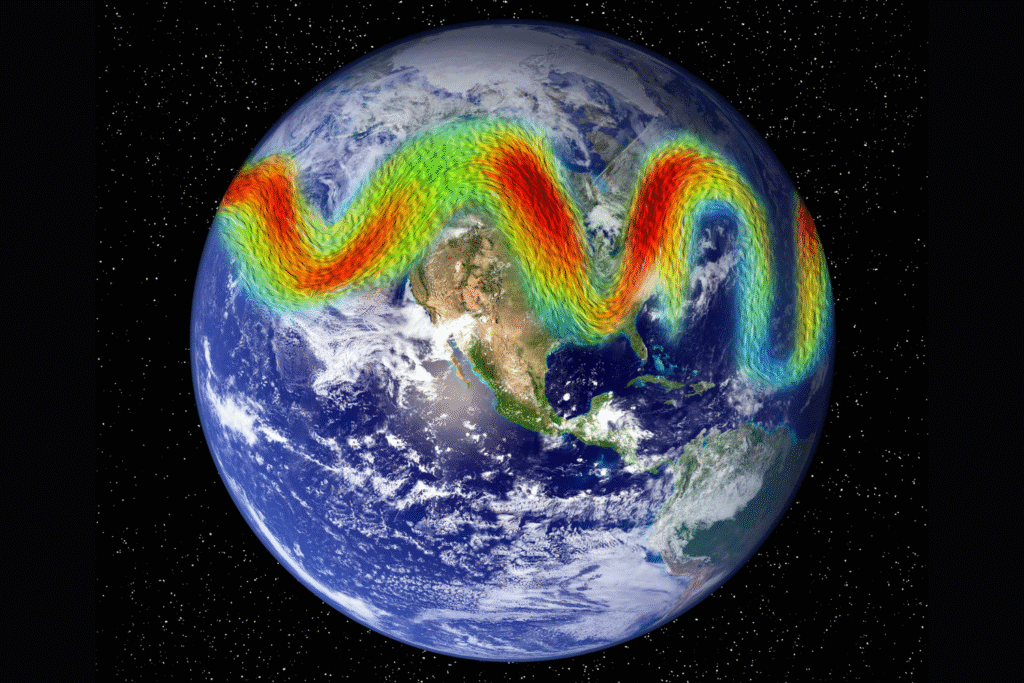
The jet stream is starting to arc in ways that suggest the three dips may eventually interact. These arcs create wide channels that move Arctic air south with fewer blockages. When the northern and central curves align, the air mass can travel from Alaska to the Midwest surprisingly quickly.
Early readings from weather balloons over Anchorage show upper level winds strengthening on the north side of the arc. That strengthening usually precedes a more direct southbound flow. Once the curves settle into place, freeze events can linger because the warm air has difficulty returning north.
5. Temperature divides strengthen along the eastern Rockies.
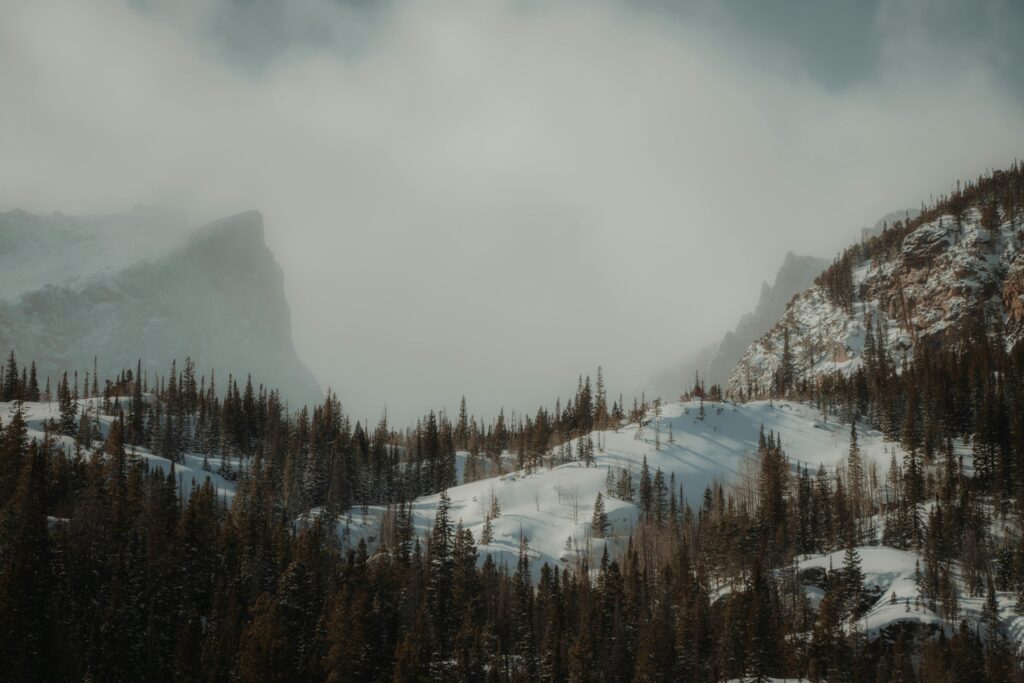
Sharp thermal divides are forming where cold air presses against the Rockies. These divides appear when Arctic air builds up on the windward side of the mountains, creating pressure that eventually forces a spill into the plains. Once that spill begins, the cold spreads quickly across Colorado, Nebraska and Kansas.
These rapid changes often affect road conditions within a single hour. If the triple dip pattern continues to evolve, each lobe could reinforce the next spill. Plains states usually feel those effects in stacked cold surges that arrive only a day or two apart.
6. Moisture from the Pacific may join the descending Arctic flow.
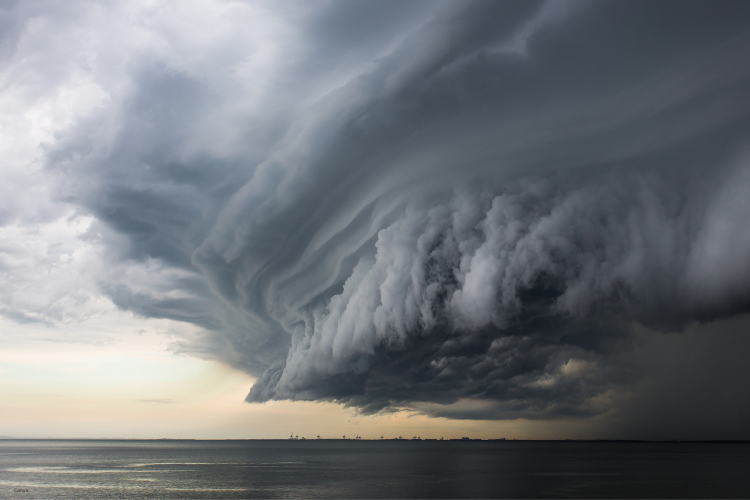
A low pressure system sitting off the California coast is trying to push inland, and that moisture can complicate the pattern if it connects with the colder air arriving from the north. When the streams meet, the atmosphere becomes more efficient at transporting both moisture and cold, which deepens freeze conditions across large regions.
Early satellite images show the southern stream climbing toward the central Rockies. If it meets the first Arctic dip, the combined flow may push cold air into Texas and Oklahoma. That interaction often decides how far south the freeze line extends.
7. Pressure clusters shift toward the central plains.
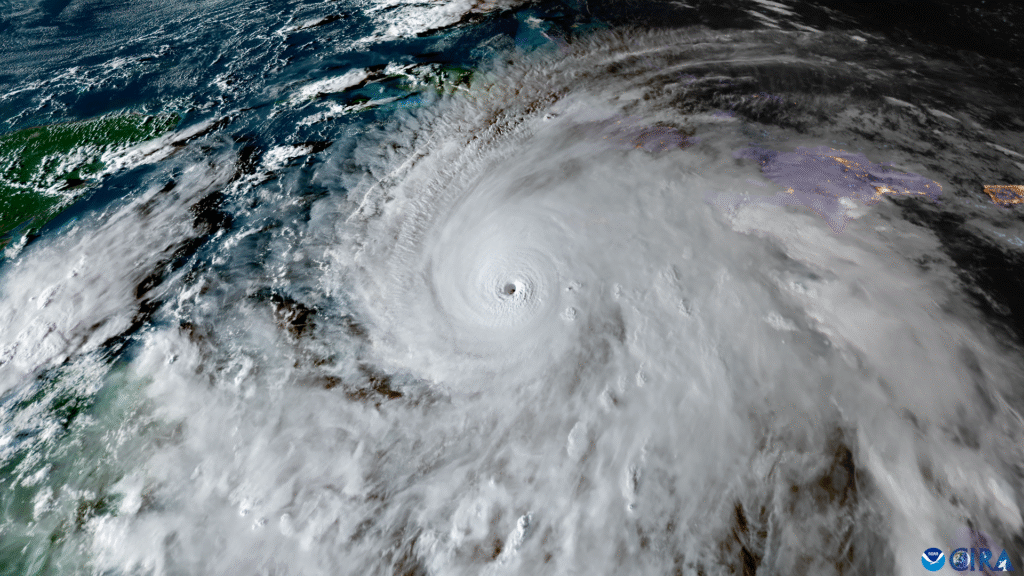
Clusters of low pressure moving southeast from Alberta are adding momentum to the developing triple dip structure. Each cluster increases the chance that the dips will align. When they align, the resulting flow becomes more organized, and organized flows tend to create longer lasting freeze events.
Communities across the Dakotas may be the first to feel the change, followed by rapid cooling in Iowa and Missouri. These clusters sometimes stretch the freeze footprint beyond the usual December range. The timing of their arrival will determine which regions see the sharpest temperature swings.
8. Expanding snow belts could reinforce the cold.
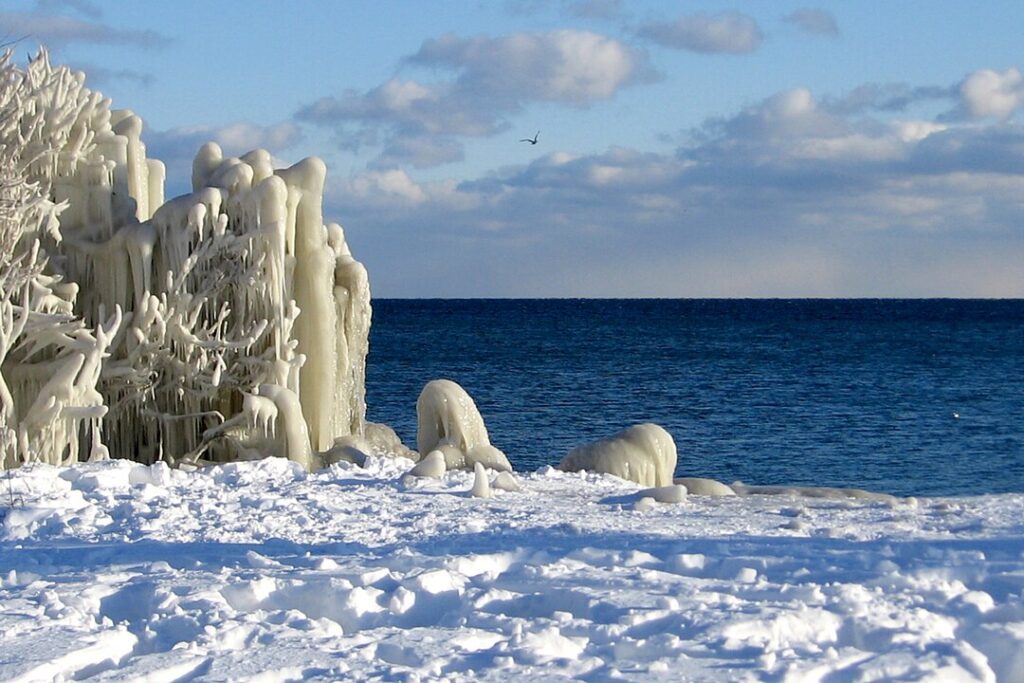
As colder air deepens, snow belts may grow beyond their typical early winter boundaries. Areas around the Great Lakes can produce heavier snow when Arctic dips strengthen. That snow cover limits daytime warming, which helps maintain colder conditions in surrounding regions.
If the triple dip pattern matures, the snow belt could extend into parts of Indiana, Ohio and Kentucky. Once that happens, the reflective ground surface feeds back into the freeze, keeping temperatures low even on clearer days. This feedback loop often accompanies prolonged Arctic disruptions.
9. Heating demand will rise across many regions.

Triple dip patterns usually deliver cold in repeated waves, and each wave increases heating demand. Utility companies across northern and central states often experience strain during early season Arctic events. Storage data from the first half of December already suggests rising usage in the Midwest.
If the dips strengthen at the same time, states from Montana to Ohio may need to prepare for sustained high demand. These periods can trigger conservation alerts, especially when cold surges overlap with busy travel days. Grid operators tend to monitor these patterns closely because of their unpredictability.
10. Travel windows may narrow quickly before Christmas.
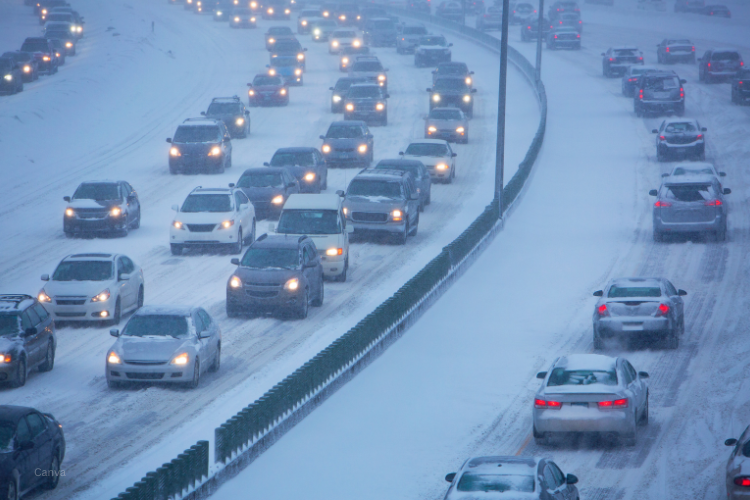
If the triple dip structure fully materializes, temperature swings could tighten travel windows in several regions. Cold air arriving in waves can generate icy roads, patches of dense fog and sharp wind shifts. Airports in Chicago, Denver and Minneapolis are often among the first to experience delays during Arctic disruptions.
Forecasters are encouraging early planning because these patterns do not always settle gradually. If the dips combine, the freeze zones could expand fast enough to affect multiple states in a single day. That risk becomes more significant the closer we get to Christmas week.