
A new color quietly reshapes public spaces.

Across the United States, a growing number of parking lots now display an unfamiliar burst of purple. At first drivers assumed it was a creative paint choice or a temporary marking that would fade by next season. Instead, the color kept spreading from airports to supermarkets to quiet community centers until people realized it signaled a shift in how cities honor service. The meaning behind it is far more deliberate than most drivers initially suspect, and it is changing public spaces in real time.
1. Purple stalls were created to honor military veterans.
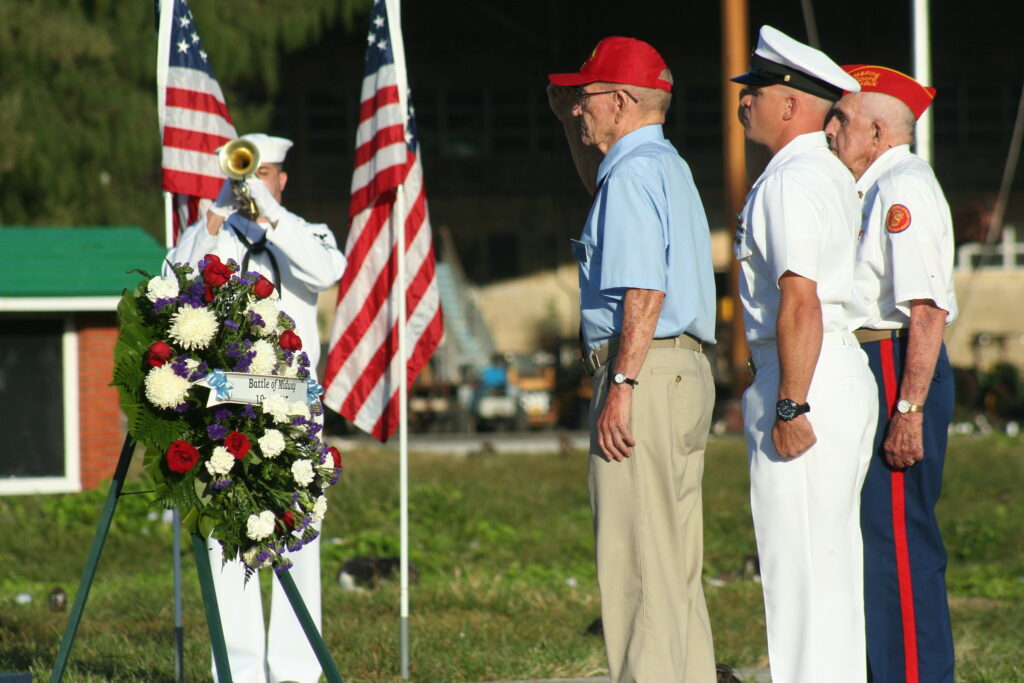
Cities began painting purple stalls after councils approved programs reserving spaces for veterans who served in active duty. What started as a local experiment expanded quickly once larger municipalities joined, as reported by CNN near the end of their feature on emerging parking designations. The goal was to create a recognizable color that communicated respect without confusing the public with symbols already tied to accessible parking guidelines.
Communities embraced the shift once residents understood the purpose. The purple stood out clearly in crowded lots, making the space easy to locate while signaling a commitment to honoring service. Many towns reported quick adoption because the designation required minimal structural changes but carried meaningful impact for veterans who used the spaces daily.
2. Some regions extended the designation to wounded service members.
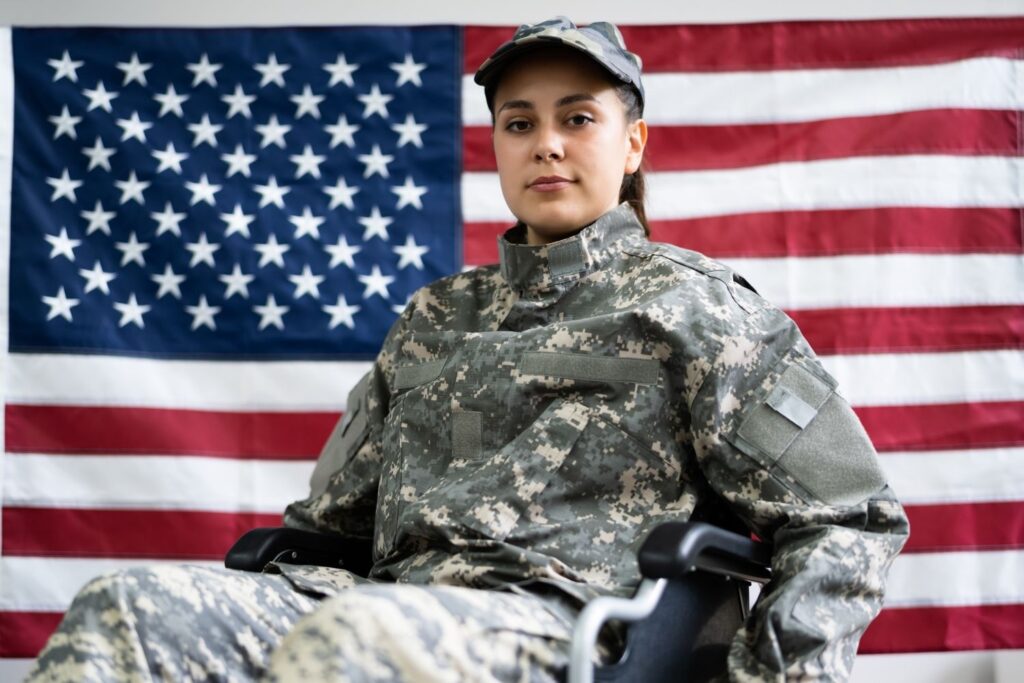
As the program spread, state agencies created policies clarifying that certain purple spaces would also recognize veterans injured in the line of duty. This development aligned with existing service classifications used by veteran organizations, as stated by USA Today in their coverage of new state level parking guidelines. Many communities felt the expansion reflected genuine gratitude rather than symbolic gestures.
The policy shift encouraged businesses to participate as well. Retailers, hospitals and stadiums began adding purple spaces to ensure veterans saw the same symbol regardless of where they parked. The consistency made the program predictable and accessible, reinforcing its purpose across regions with vastly different parking regulations.
3. Airports accelerated national adoption by creating visible purple zones.
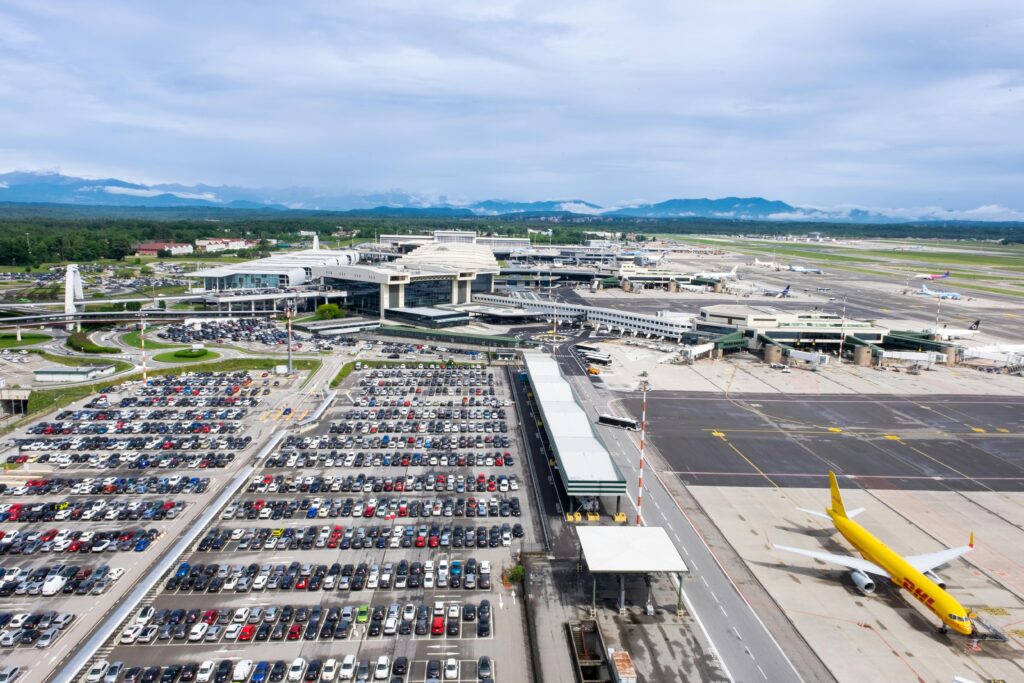
Major airports became early adopters, placing purple stalls near departure entrances so veterans had shorter walks during heavy travel seasons. Aviation officials highlighted the improved clarity and organization these spaces offered, as discovered by The Washington Post in their reporting on airport accessibility upgrades. The visibility helped normalize the color before the public saw it in everyday commercial lots.
Once airports committed, other transportation hubs followed. Bus stations and rail centers painted their own purple segments to maintain uniform messaging for travelers. The quick spread demonstrated how a simple color choice could evolve into a nationwide symbol recognized in nearly every type of public space.
4. Retail chains adopted the color once public support grew.
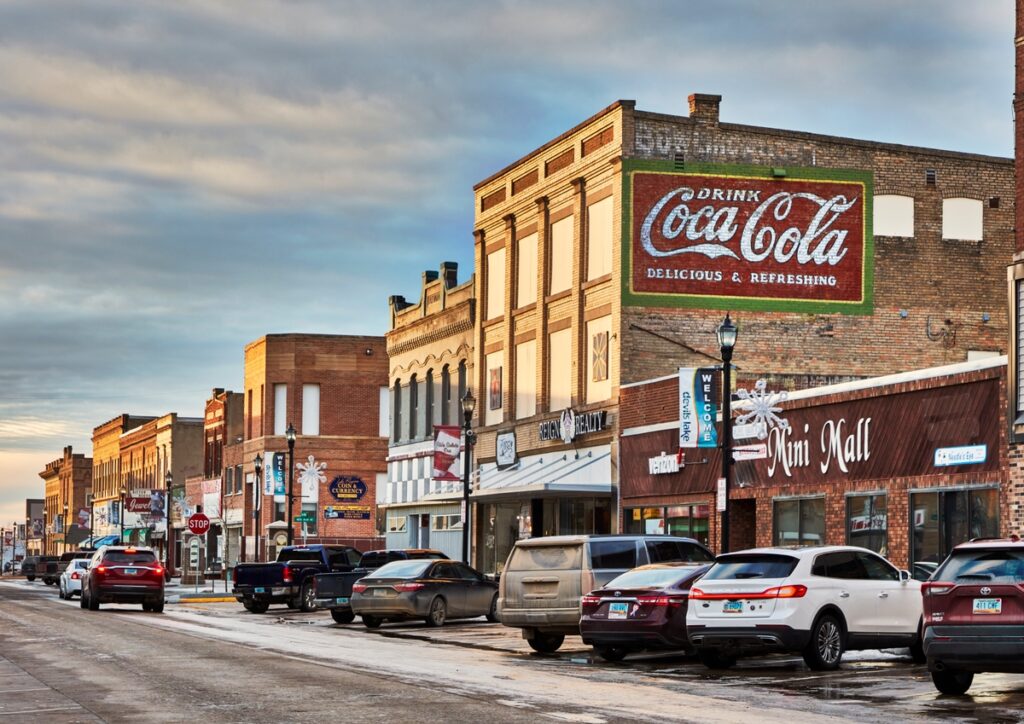
Large retailers watched the reaction unfold and realized customers strongly supported creating visible recognition for veterans. The cost of repainting a handful of parking spaces was low compared with the goodwill it created. Some stores placed signs beside the stalls to reinforce the meaning, while others relied on the color alone to communicate the purpose.
As retail adoption spread, shoppers began expecting to see purple spaces at major chain locations. The color transitioned from a municipal program to a recognizable feature of commercial parking, strengthening the message in daily environments. The consistency helped make the designation feel permanent rather than experimental.
5. Local enforcement guidelines appeared after confusion surfaced.
Early adopters discovered that drivers wanted clarity about who could legally use the purple stalls, leading municipalities to create standardized enforcement rules. Most areas required veteran license plates or official placards to ensure the spaces were reserved appropriately. Officers received training on the new category so enforcement felt respectful rather than punitive.
Clear guidelines reduced misunderstandings for both veterans and the public. Once posted, the rules helped integrate purple spaces into existing parking frameworks without creating new conflicts. The consistency made it easier for cities to expand the program across multiple locations.
6. Rural towns adopted the spaces to support local veteran communities.
Smaller towns with high veteran populations pushed to add purple spaces to their own public lots. Community leaders argued that recognition should not be limited to high traffic urban areas. Rural adoption gave the program a different kind of visibility, one rooted in everyday life rather than major infrastructure.
Residents reported that the color created an immediate sense of pride in local service history. It also made the program feel more personal, since many towns knew the veterans who used the stalls. The spread into rural regions showed the initiative was not driven by trend but by genuine community care.
7. Service organizations encouraged linking the spaces to outreach.

As the purple program matured, several veteran support groups proposed connecting the designation to resource information. The idea was simple, use the visibility of the stalls to direct veterans toward mental health or transition services offered in the region. Pilot cities tested discreet signage or QR codes placed near the stalls to avoid overwhelming the space.
These additions did not alter the parking rules but created an unexpected benefit. Veterans using the space gained easier access to help without needing to navigate complicated bureaucratic systems. The program quietly expanded into a functional support network.
8. Contractors refined the paint to keep the color consistent.
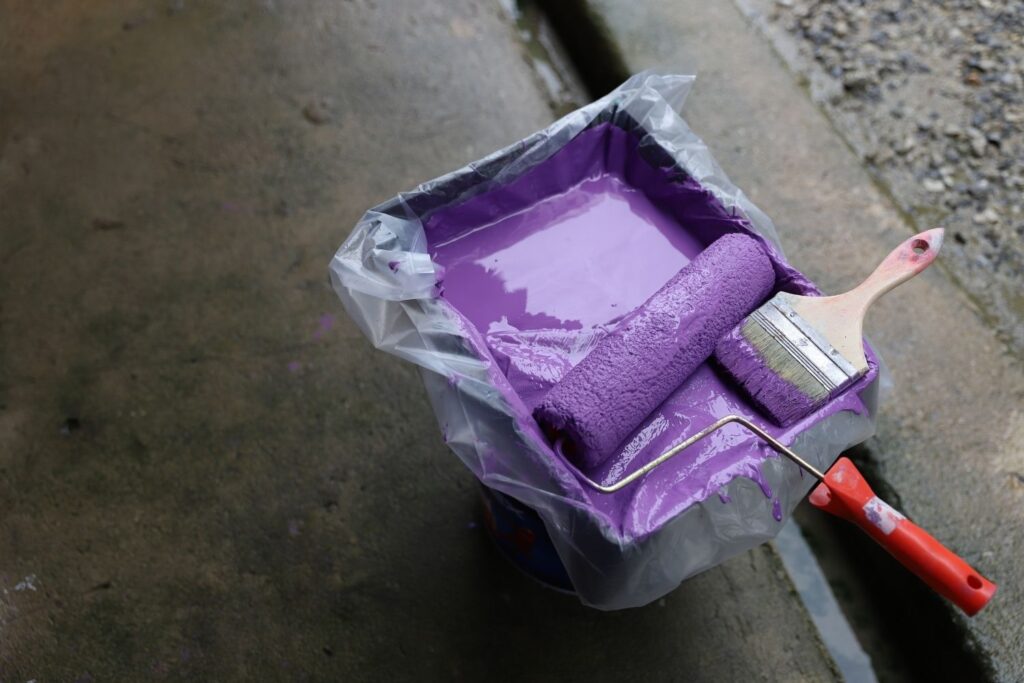
Early purple stalls faded quickly under harsh sunlight and friction from constant tire movement. Contractors responded by developing formulas specifically designed for outdoor durability. The updated paint held its vibrancy far longer, ensuring the stalls remained visible and recognizable throughout the year.
The improved material reduced repainting frequency for cities and retailers. It also reinforced the psychological permanence of the designation, since crisp and vivid lines signal intention more clearly than faded or patchy markings. Stronger paint kept the message as clear as the color itself.
9. Public education campaigns helped drivers understand the purpose.

Some regions launched short informational campaigns explaining the meaning behind purple stalls. Officials wanted drivers to recognize that the spaces were not decorative or seasonal but part of a broader effort to honor service members. Signs, local broadcasts and city newsletters clarified expectations so residents would not feel uncertain when seeing the color.
The campaigns quickly improved compliance. Once the meaning became common knowledge, drivers treated the spaces with respect and understood the intention behind them. Over time, the color evolved into a widely accepted symbol with a purpose that no longer needed explanation.