
A single shift can reveal unseen danger.

Cats are skilled at masking illness, and the moment something subtle changes in their routine, it often reflects more than mood. Owners in city apartments and rural homes alike describe missing early signs that later proved significant. Because many conditions advance quietly, veterinarians urge people to treat abrupt changes as meaningful data points. A single symptom can mark the tipping point between manageable illness and avoidable emergency, which makes learning these early indicators essential for anyone living with a cat.
1. Sudden refusal to eat signals critical internal stress.

Cats rarely skip meals without underlying discomfort, and veterinarians studying feline metabolic responses emphasize that even a brief drop in appetite may reflect emerging liver complications, as stated by Cornell Feline Health Center. The shift often appears during ordinary routines, making it easy to dismiss until the pattern becomes undeniable.
Once refusal continues past a day, the risk escalates sharply. The body begins converting fat too rapidly, straining the liver and weakening the cat. Acting quickly prevents the slide into hepatic lipidosis, a condition that develops silently yet can become severe before owners realize anything is wrong.
2. Labored breathing indicates an urgent medical crisis unfolding.

When a cat struggles to draw full breaths, the change can appear as shallow panting, subtle chest heaving or pauses between movements, signs documented across emergency clinics according to the American Veterinary Medical Association. Many cats retreat under furniture at this stage, complicating an already fragile situation.
Even mild stress can worsen respiratory compromise. Remaining calm and minimizing handling protects the cat while arranging immediate care. Breathing distress moves fast, narrowing the window before oxygen levels fall dangerously. Recognizing the shift early transforms a frightening moment into a manageable medical intervention rather than a catastrophic event.
3. Sudden collapse reflects severe underlying instability within minutes.

A cat that abruptly falls over or loses balance may be experiencing cardiac dysfunction, toxin exposure or a neurological event, patterns frequently evaluated in emergency settings as reported by PetMD. The collapse can interrupt play or occur during quiet rest, catching owners completely off guard.
Even when the cat rises afterward, the symptom signals a system under strain. Some conditions interrupt blood flow to the brain, while others interfere with muscular coordination. Because collapse always marks a serious disturbance, rapid assessment prevents deterioration and helps determine whether heart rhythm, poisoning or inflammation triggered the abrupt episode.
4. Persistent vomiting demonstrates the body struggling beyond routine irritation.

Repeated vomiting across a day reveals that the digestive system is reacting to inflammation, obstruction or systemic illness rather than minor discomfort. Cats often wander restlessly between hiding spots as nausea intensifies, creating a scattered pattern that signals more than a one time event.
Prolonged vomiting quickly triggers dehydration, altering electrolytes and stressing the organs further. Each episode compounds the strain, making early recognition vital. When vomiting pairs with lethargy or a decline in appetite, the risk of escalation rises sharply. Prompt evaluation ensures the underlying problem is identified before complications deepen and recovery becomes more difficult.
5. Abrupt personality shifts often reveal deeper pain responses emerging.
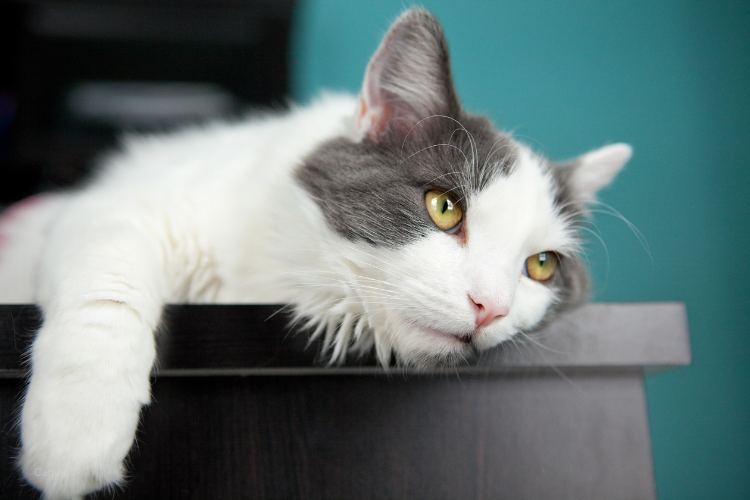
A social cat withdrawing suddenly or a calm cat becoming reactive may be signaling pain that cannot be expressed through vocalization. These changes unfold quietly, sometimes over only a few hours, making it easy to misinterpret them as behavioral quirks instead of medical warnings.
Nervous system stress often drives these shifts long before visible symptoms appear. Cats instinctively hide vulnerabilities, so personality changes become one of the earliest clues available. When the alteration persists, it suggests the body is attempting to compensate for internal discomfort. Investigating early prevents the condition underneath from progressing unnoticed.
6. Excessive thirst exposes early metabolic imbalance forming gradually.
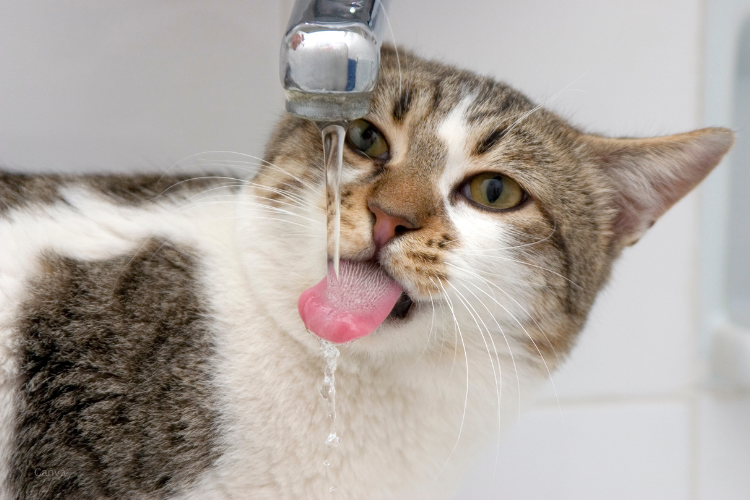
A cat drinking noticeably more water over several days may be compensating for rising blood sugar or diminishing kidney function. Owners often attribute the change to warmer weather or activity, overlooking the emerging medical pattern until other symptoms join the picture.
The combination of increased thirst and heavier urination becomes the earliest signal of metabolic strain. Cats experiencing these shifts may also rest more frequently or choose cooler sleeping areas. Since early treatment significantly improves long term outcomes, recognizing the increased drinking helps intercept disease before it advances into more challenging territory.
7. Unexplained weight loss reveals internal processes draining resources.

Gradual loss of muscle or body fat often escapes notice beneath a dense coat. Owners typically detect it only when feeling the spine or hips more prominently, discovering an issue already in progress and affecting overall strength.
Underlying causes range from thyroid dysfunction to digestive malabsorption, each creating a slow erosion of body reserves even when appetite seems normal. The body compensates for weeks before outward signs appear. Once weight loss becomes visible, the internal stress load is already significant, making timely evaluation essential to address disease progression effectively.
8. Litter box straining exposes dangerous urinary obstruction risk.
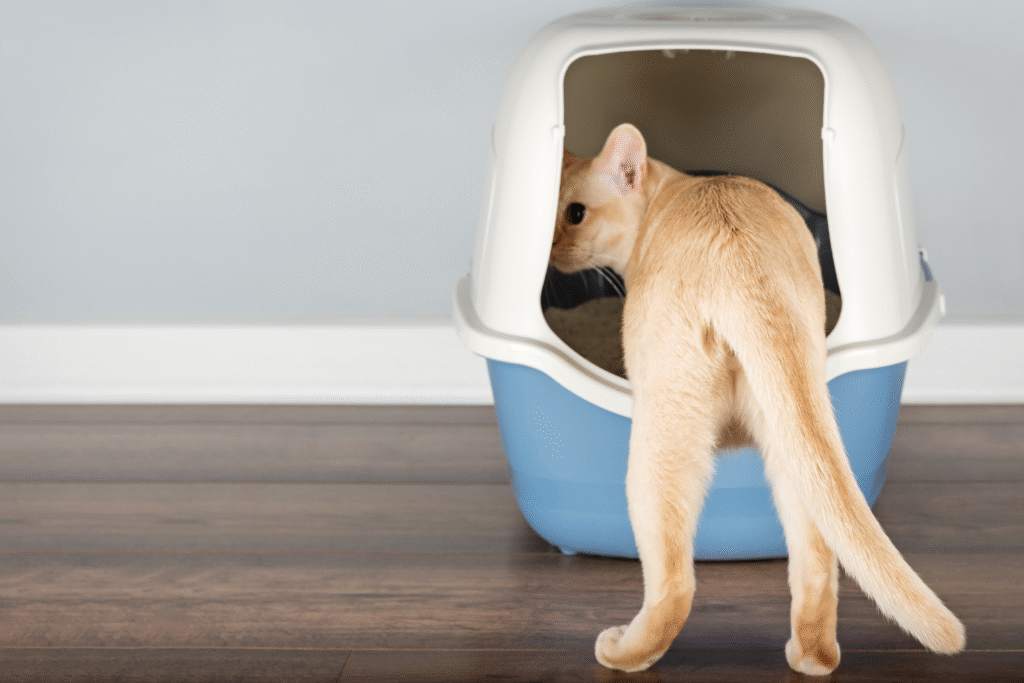
A cat repeatedly entering the litter box without producing urine or showing visible discomfort is displaying a hallmark sign of urinary difficulty. Male cats face an elevated risk because their urethra narrows, increasing the chance of a blockage forming under stress or inflammation.
Obstruction allows toxins to accumulate rapidly, becoming life threatening within hours. Many cats pace, lick excessively or vocalize softly as the pressure builds. Even when symptoms seem mild, they reflect a crisis in progress. Responding quickly prevents kidney damage and greatly improves the cat’s chances of full recovery.
9. Sudden aggression reveals neurological or painful triggers emerging silently.

A gentle cat that abruptly swipes or growls may be reacting to pain, infection or neurological irritation. The shift seems behavioral on the surface but often reflects internal confusion or hypersensitivity the cat cannot resolve on its own.
This aggression frequently appears without external triggers, offering one of the only clues that something deeper is wrong. Treating it solely as misbehavior delays necessary care. Once the underlying issue is addressed, many cats return to their baseline demeanor, confirming that the aggression was a symptom rather than a personality change.
10. Profound lethargy marks the body approaching a dangerous threshold.

A cat that suddenly disengages from play, meals or routine exploration may be demonstrating an early crisis. This level of fatigue differs from simple resting and carries a heaviness that owners feel instinctively, even without accompanying symptoms.
Lethargy appears when the body can no longer compensate for internal imbalance. It often precedes more obvious signs, making it one of the most critical indicators to act on. When energy drops so sharply, veterinary evaluation becomes urgent, ensuring intervention occurs before the underlying condition pushes the cat into deeper decline.