
A closer look at breeds needing vigilant care.

Some dogs carry medical challenges woven deeply into their lineage, and veterinarians across the United States, Canada, and Europe often see the same patterns repeat. These concerns range from respiratory strain to structural fragility and genetic disorders identified decades ago. When you listen to the cases vets describe during routine visits or emergency appointments, the reasons certain breeds struggle become clearer, revealing how biology, environment, and history shape the daily health of the dogs we love.
1. Bulldogs face daily strain from restrictive airways.
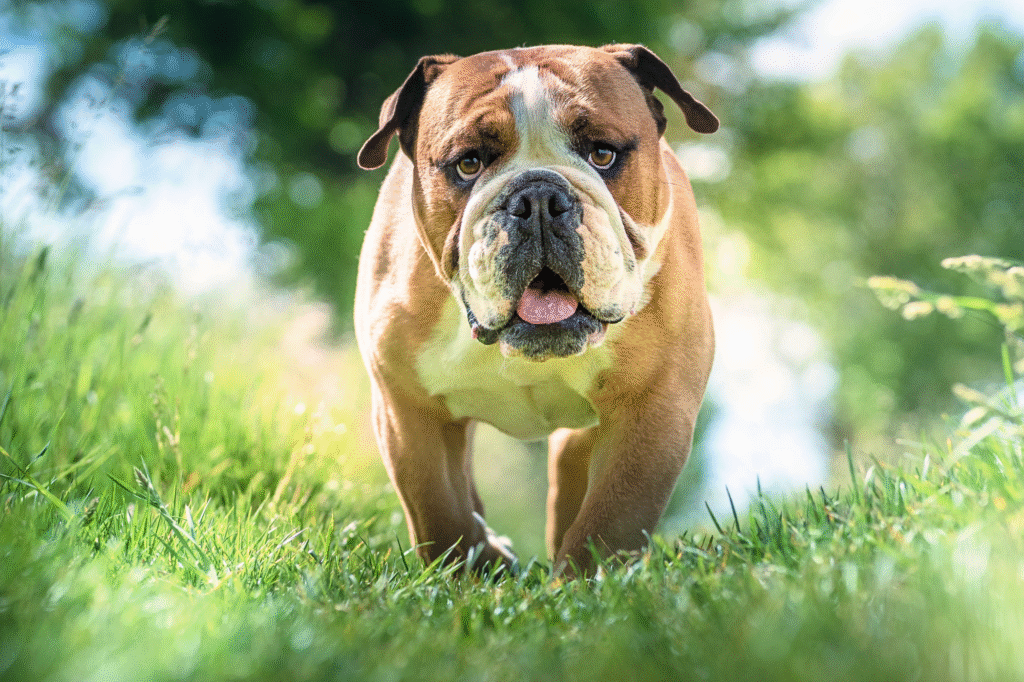
Bulldogs encounter breathing difficulties tied to their compact faces, and vets in London and Chicago frequently monitor them for airway narrowing, overheating, and disrupted sleep. These challenges reflect patterns described according to the American Veterinary Medical Association, which notes how compromised airflow influences long term stability.
Owners often adjust routines around weather, noise, and exercise intensity to prevent dangerous flare ups. Bulldogs also require skin fold cleaning, dental oversight, and careful weight management. Their warm temperaments remain constant, but their bodies demand consistent attention that shapes how families support them from youth through older age.
2. Great Danes carry vulnerabilities linked to immense size.

Great Danes grow rapidly and place significant pressure on their joints and internal organs, leading vets in Minnesota and Frankfurt to monitor them closely for heart issues, bloat, and bone stress. These risks match concerns outlined as stated by the American Kennel Club, which highlights how rapid growth phases strain multiple systems.
Owners usually divide meals, limit rough play, and track subtle changes in energy or breathing. Great Danes remain gentle companions, yet their physical scale increases the complexity of their care. Families willing to maintain thoughtful routines often see them thrive despite challenges woven into their structure.
3. Cavaliers face neurological and cardiac challenges early.

Cavalier King Charles Spaniels often develop heart disease and neurological compression before middle age, leaving vets in Toronto and Edinburgh focused on early detection. Skull structure abnormalities may intensify symptoms gradually, creating a slow progression noticed in regular exams. These concerns match patterns described as reported by BBC News, which outlines the breed’s heightened vulnerability.
Families often schedule routine scans and long term medication management. Cavaliers stay affectionate, sometimes hiding discomfort behind cheerful behavior, which makes consistent monitoring essential. Their gentle nature draws people close, yet supporting their health requires patience and a careful eye for small behavioral shifts.
4. Pugs depend heavily on controlled environments for comfort.

Pugs struggle with airway inflammation and heat sensitivity, making daily life more manageable when families tailor temperature and activity carefully. Vets often treat them for eye irritation caused by dryness or minor scratches that escalate quickly. Their anatomy shapes how much effort simple breathing requires, especially during warm seasons.
Because symptoms often build quietly, owners learn to recognize subtle signals like slower movement or soft snorting. Regular checkups remain vital, as early intervention prevents long periods of discomfort. Pugs deliver affection readily, and with structured surroundings they stay playful, though their bodies require steady oversight.
5. German Shepherds develop mobility issues throughout adulthood.

German Shepherds experience joint instability and spinal deterioration that sometimes begin during adolescence. Vets in working dog communities track these changes closely, especially in dogs engaged in agility or patrol training. Their drive to move often masks early signs of strain.
Families adopt supportive routines that include controlled exercise, surface awareness, and weight management. Some Shepherds require therapy or surgery as they age. Even so, their intelligence and loyalty remain constant while their physical resilience varies widely. Thoughtful care helps preserve mobility, slowing the progression of disorders that can limit later years.
6. Boxers require ongoing cardiac screenings to stay stable.

Boxers appear energetic and sturdy, yet vets repeatedly screen them for arrhythmogenic cardiomyopathy, a disorder that may progress silently. Regular testing helps reveal early electrical irregularities in the heart, which become easier to treat when detected early.
Even minor dips in enthusiasm can signal deeper concerns, prompting owners to adjust activity levels and consult specialists. Medication plans often shift as symptoms evolve. Despite these challenges, Boxers retain a spirited presence that keeps families deeply connected, although that connection comes with the responsibility of sustained medical vigilance.
7. Dachshunds remain vulnerable to sudden spinal injuries.

Dachshunds carry elongated spines that place them at risk for disc herniation. Vets often treat mobility loss that occurs after minor movements such as jumping off furniture. These injuries can appear without warning, which reinforces the need for prevention.
Families introduce ramps, restrict leaping, and encourage controlled strengthening exercises. When injuries occur, recovery can require strict rest and long term therapy. Dachshunds stay determined even during difficult phases, but their structure ensures lifetime vulnerability. With steady support they maintain independence, though their spinal health demands careful attention.
8. Shar Pei dogs face persistent immune and skin complications.
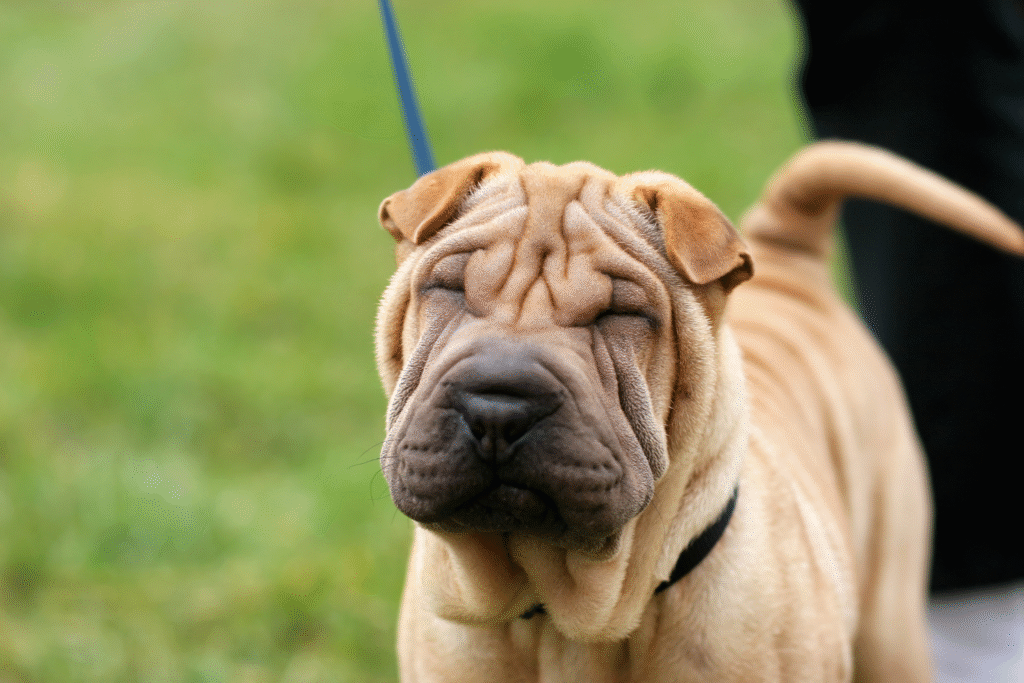
Shar Pei dogs experience swelling disorders and chronic skin irritation due to heavy folds that retain moisture. Vets in humid regions often treat repeated infections that escalate quickly. Their immune responses can shift unpredictably, creating episodes that require immediate medical intervention.
Owners develop routines that include cleansing, diet adjustments, and monitoring for warmth or redness in the folds. These small observations often prevent larger issues. With consistent care Shar Pei dogs stay affectionate and expressive, though their immune tendencies and skin structure make their health management more complex than many families expect.
9. Cocker Spaniels encounter recurring ear and allergy problems.

Cocker Spaniels have long ears that trap humidity, encouraging yeast and bacterial growth. Vets in coastal cities often address chronic infections that return seasonally or after swimming. Their skin also reacts strongly to allergens, prompting cycles of irritation that benefit from early testing.
Routine cleaning becomes essential. Families watch for subtle changes in odor or behavior that might indicate a flare up. These dogs tend to stay cheerful, masking discomfort until infections worsen. With persistent grooming and medical support, they remain active companions despite their susceptibility to ongoing irritation.
10. Rottweilers carry significant risks involving bone and cancer.

Rottweilers experience rapid growth that strains joints early in life, and vets frequently monitor them for genetic cancers that appear more often in this breed. Subtle shifts in gait or energy can hint at deeper concerns that require immediate testing.
With balanced nutrition and planned exercise, families help reduce stress on developing bones. Early screenings uncover problems sooner, improving long term outcomes. Rottweilers remain confident and steady companions, yet their size and genetic predispositions make health maintenance a continuous priority from puppyhood through older adulthood.
11. Golden Retrievers face high cancer rates requiring vigilance.
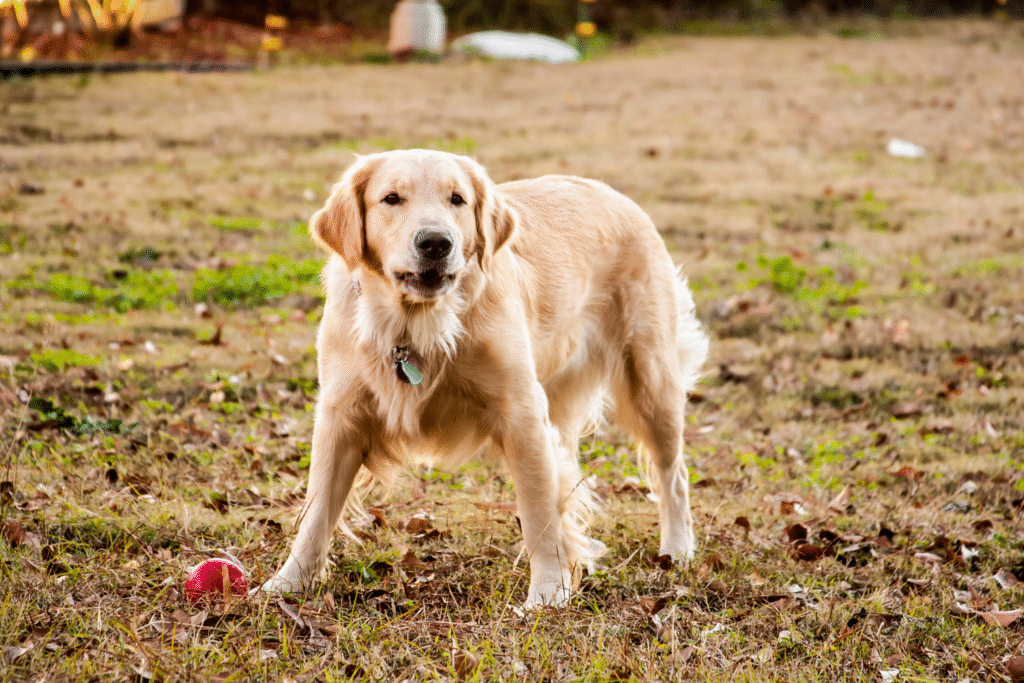
Golden Retrievers appear sturdy and joyful, yet vets in Denver, Boston, and Manchester frequently diagnose cancers that emerge earlier than owners expect. Studies over the last decade show elevated risks compared to many breeds, making screenings essential. Their friendly nature often hides discomfort until symptoms intensify.
Families who stay attentive to appetite changes, skin lumps, or shifts in stamina catch problems sooner. Regular imaging and bloodwork support better outcomes. Goldens remain affectionate and resilient, but their predisposition to cancer means long term wellness depends heavily on proactive medical involvement and close observation.