
Patterns in the data tell a deeper story.

Bite statistics rarely reflect a dog’s nature. They reflect circumstance, training, environment and the fact that certain breeds are more often placed in high stress situations. Still, multiple long running studies have highlighted the same patterns across the United States, showing which breeds appear most frequently in reports. That repetition forces researchers to look at the ecosystems surrounding these dogs, not just the bite numbers themselves. The deeper you go, the more the data reveals how humans shape risk.
1. Pit bull type breeds dominate incident reports nationwide.

Long term public health reviews often show pit bull type dogs appearing in a high number of reported bites, largely because they are among the most common large breeds in urban regions. One analysis found this trend persistent across multiple cities, as reported by the CDC. Population density and ownership patterns shape much of the data rather than breed wide temperament.
When these dogs are raised in stable homes, the contrast becomes striking. Many live entire lives without a single incident, reminding researchers how human decisions drive outcomes. The data reflects exposure and environment more than inherent behavioral flaws.
2. Rottweilers appear frequently in severe bite case studies.
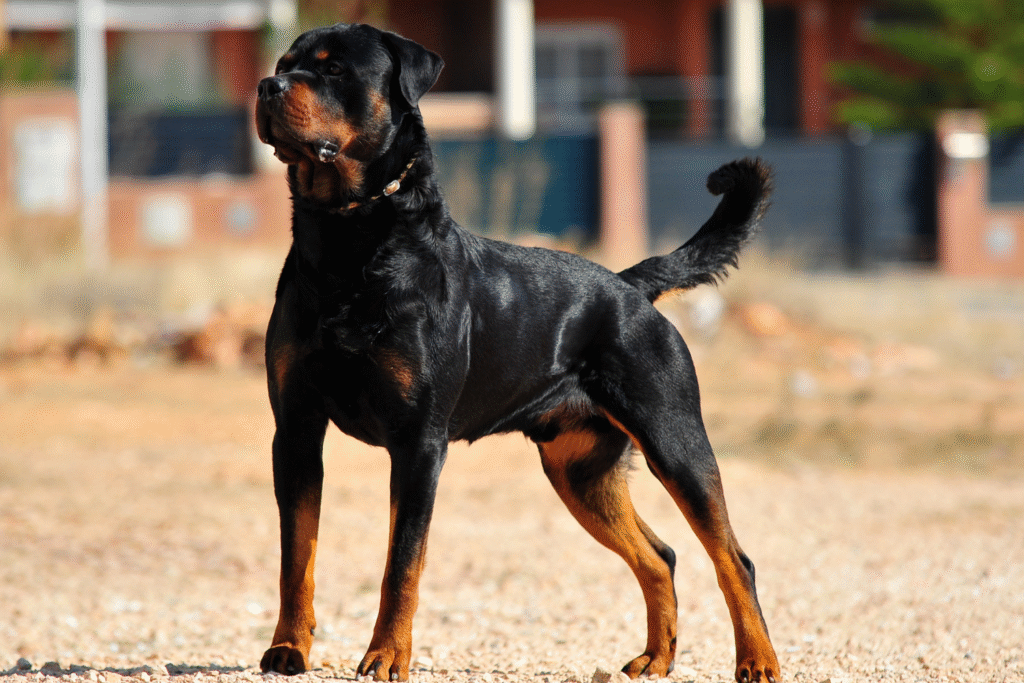
Several retrospective hospital studies note that rottweilers show up regularly in cases involving deeper wounds or higher force. Researchers link this trend partly to their size and strength, as stated by the American Veterinary Medical Association. The reports do not suggest hostility as a breed trait. Instead, these dogs are often involved in protection roles that place them in stressful encounters with unfamiliar humans.
When trained appropriately, their stability becomes obvious. Families with well socialized rottweilers often praise their sensitivity and patience. The bite statistics highlight context rather than character.
3. German shepherds show high representation due to working roles.

German shepherds appear in bite databases largely because of their widespread use in law enforcement, security and protective home settings. Their presence in high tension environments accounts for many of the recorded cases, as discovered by The Washington Post. The breed’s intelligence makes them versatile, but it also means they often work jobs most other breeds never experience.
In typical homes, their bite risk is no higher than many mid sized breeds. The numbers rise when they are placed in duty roles where conflict is unavoidable. It is the assignment, not the temperament, shaping the patterns.
4. Siberian huskies are noted in bites linked to unmanaged energy.

Huskies appear in bite reports when their intense energy and prey drive go unchecked. Many incidents develop in situations where their needs exceed what owners can provide. Their histories show how misalignment between lifestyle and breed requirements can create preventable problems.
When properly exercised and mentally engaged, huskies are remarkably social companions. Their bite statistics often correlate with frustration or escape attempts rather than sustained aggression. Experts view them as examples of how unmet needs shape behavior.
5. Akitas show up in records tied to guarding instincts.

Akitas are powerful, confident dogs whose historical role included guarding families and livestock. When placed in environments with unclear boundaries, misunderstandings can escalate quickly. Their bite histories often involve resource protection or encounters with unfamiliar dogs.
Handled with structure, Akitas form deep bonds with their households. Trainers frequently highlight their loyalty and calmness. The incidents documented over time usually track back to early socialization gaps rather than breed wide tendencies.
6. Chow chows appear in reports involving territorial misunderstandings.

Chows are independent dogs that prefer predictable routines. Many of the recorded bites involve strangers approaching too quickly or handling them without proper introduction. Their reserved nature means they rely heavily on trust before engaging.
In stable environments, they display remarkable gentleness. The bite patterns many cities observe stem from boundary conflicts or startled reactions rather than sustained aggression. Their behavior illustrates how misreading canine signals contributes to risk.
7. Jack Russell terriers show high bite numbers due to density.

Small breeds are often overlooked in bite studies, but Jack Russells appear frequently because they are active, vocal and popular in compact neighborhoods. Their energy sometimes leads to conflicts when they feel cornered or overstimulated. Many reports involve quick reactive bites rather than prolonged incidents.
Owners familiar with terrier behavior rarely experience problems. The breed thrives on structure and activity. Municipal records often reflect mismatched homes rather than unmanageable temperament.
8. Dobermans appear in security related bite statistics.

Dobermans, like German shepherds, are often selected for protective roles. Their bite histories tend to come from situations where they are tasked with defending property or responding to perceived threats. The reports show patterns tied to job placement rather than day to day behavior in family homes.
When raised with consistent handling, Dobermans are affectionate and eager to follow guidance. Their inclusion in bite data illustrates how assignment influences risk.
9. Cane corsos show up in reports involving inexperienced owners.
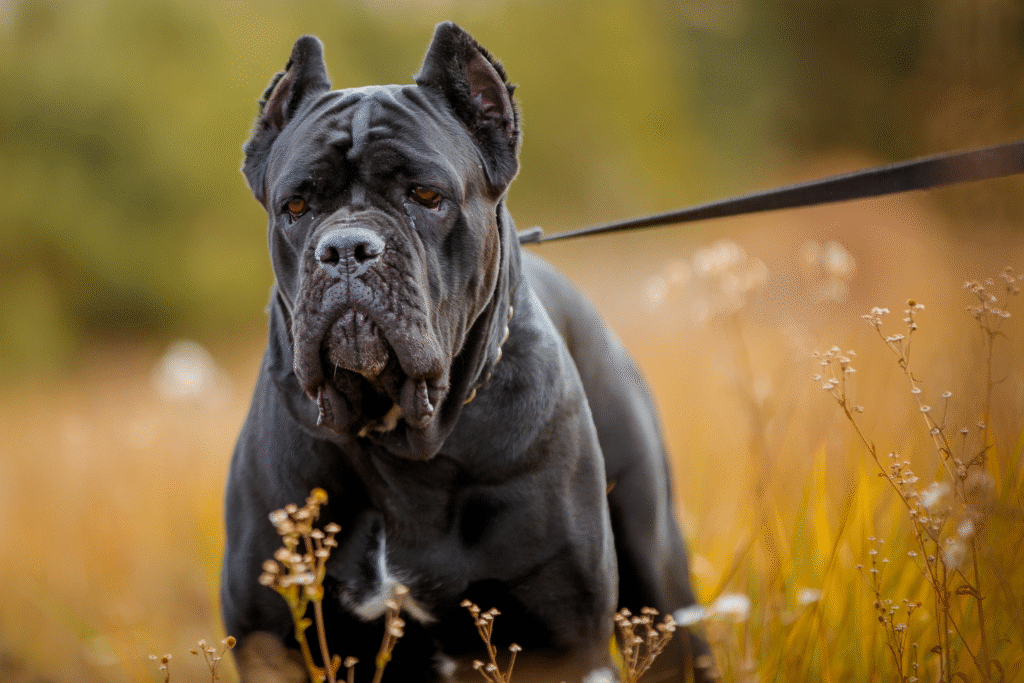
Cane corsos are powerful dogs that require firm, consistent training. Their bite histories often involve situations where their strength overwhelmed the skills of the handler. These dogs need clear boundaries during adolescence, a period when many incidents occur.
Well trained corsos frequently excel in calm, confident households. Their reputation in bite statistics reflects handling challenges more than temperament. Professionals emphasize education over blame in these cases.
10. Belgian malinois bites often relate to overstimulation.

Malinois are incredible working dogs bred for speed and responsiveness. Their high drive, however, can escalate quickly in environments that lack structure. Many bite reports originate from situations where they are overstimulated or switched too abruptly between rest and activity.
Handlers experienced with malinois rarely encounter such incidents. Their precision and focus make them ideal partners when properly guided. Their bite data shows what happens when elite working dogs are placed in unstructured homes.
11. Dogo Argentinos are recorded in strength related bite cases.

These muscular dogs were originally bred for big game hunting. Incidents involving them tend to revolve around their physical power when conflicts arise with other dogs. Many of the recorded bites involve interdog aggression rather than human directed behavior.
Owners who invest in early training often describe these dogs as affectionate and social. Their inclusion in bite statistics reflects management challenges tied to size and strength.
12. Bullmastiffs appear in bites involving startled reactions.

Bullmastiffs are typically gentle, but their size can amplify even mild defensive responses. Many reports involve someone surprising the dog during sleep or entering a yard unannounced. The incidents are rarely prolonged, but the power of a startled dog can cause notable injury.
Families with bullmastiffs often report steady temperaments. Bite patterns linked to the breed usually highlight preventable startle scenarios rather than aggression.
13. Australian cattle dogs show up in herding related nips.
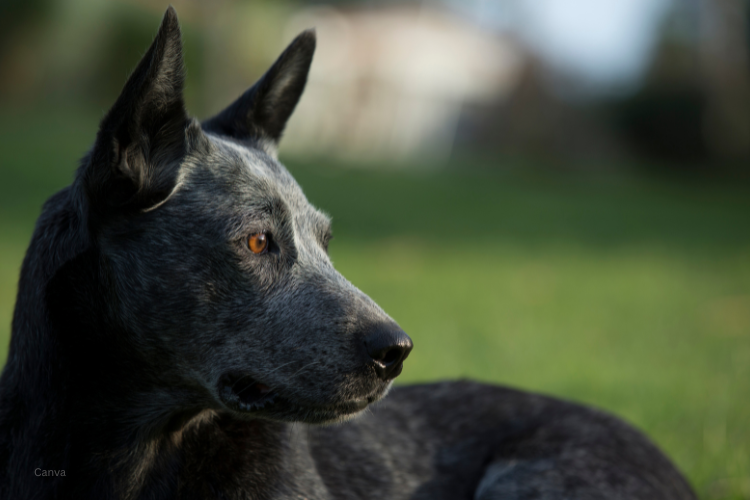
These dogs rely on quick mouth contact to move livestock. In homes, that instinct sometimes appears when they attempt to manage children or unfamiliar adults. Most incidents involve herding nips rather than forceful bites, but they still appear in municipal reports.
Trainers emphasize redirection rather than suppression. When given proper outlets, cattle dogs rarely engage in unwanted mouthing. Their bite history reflects instinct, not aggression.
14. Great Danes occasionally appear due to defensive misunderstandings.

Despite their size, Great Danes are often gentle. Their bite cases typically involve defensive responses when they feel cornered or when strangers breach their personal space too suddenly. Their mass can make even minor bites notable in medical records.
Most Danes live peacefully without incident. The breed’s presence in bite statistics highlights how size influences both injury severity and reporting likelihood. Their cases show how perception shapes data as much as behavior.