
A December eruption pushes Earth into magnetic turbulence.
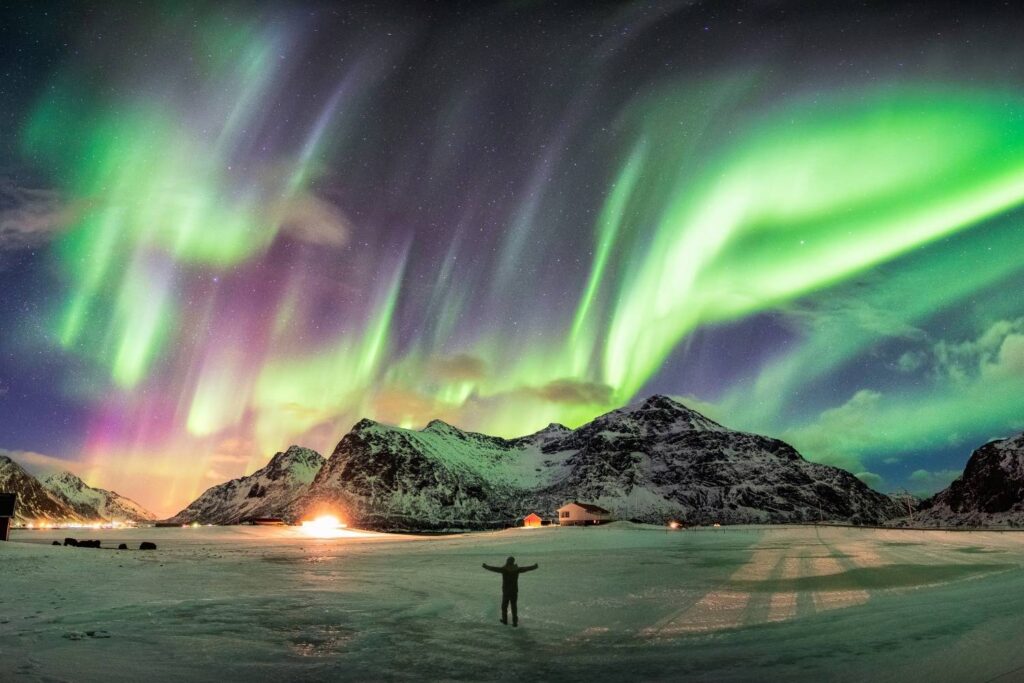
Space weather forecasters watched a full-halo coronal mass ejection rush toward Earth after erupting from sunspot AR4299 on December 6. Hours later, NOAA issued a G3 geomagnetic storm watch, signaling that the incoming magnetic cloud had the potential to distort satellite paths, weaken radio communication and ignite auroras normally confined to the far north. November’s storms already showed how unstable this solar cycle has become. Now December arrives with another surge, and the timing could not be more intense.
1. The eruption carried an unusually dense magnetic cloud.
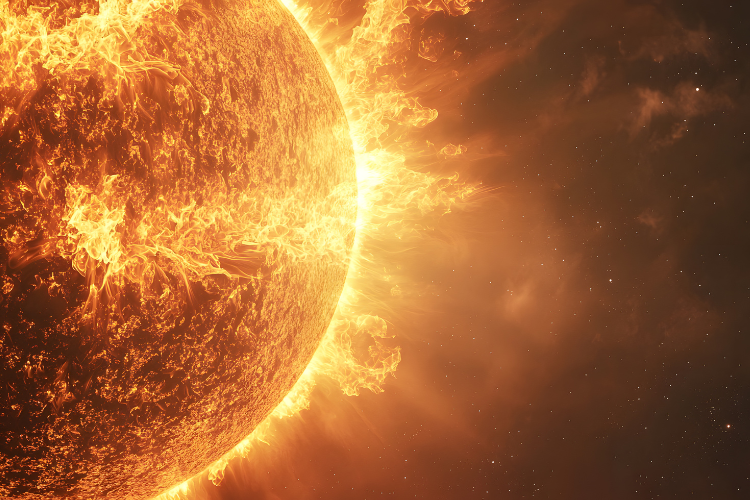
The December 6 CME expanded outward in a full-halo arc, meaning Earth sat directly in its trajectory. Coronagraph images revealed a thick, fast-moving mass of charged particles that signaled a strong impact potential. The density itself was enough to raise concerns because compressed plasma can sharply weaken Earth’s magnetic field upon arrival.
As the cloud approached, solar physicists noted how quickly its speed increased. That acceleration often correlates with stronger geomagnetic reactions on impact, raising the risk for both radio disturbances and ground-level magnetic fluctuations.
2. NOAA issued a G3 storm watch before the CME reached Earth.
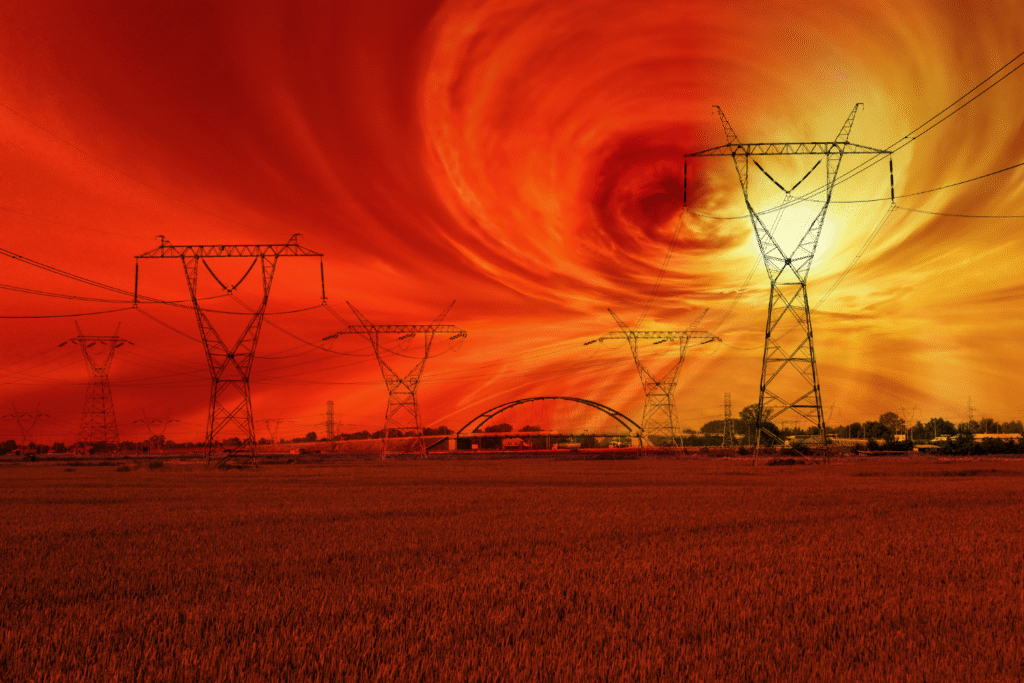
A G3 watch means forecasters expect a strong geomagnetic storm capable of disrupting navigation systems, degrading high-frequency radio communication and generating auroras well outside typical viewing regions. The watch level tells grid operators and aviation teams to prepare for rapid changes that could affect operations.
G3 storms also increase atmospheric drag on satellites, causing slight orbital shifts that require correction. While not severe enough to cause structural damage, the combination of drag and communication noise adds pressure to networks already strained by repeated November storms.
3. December’s CME aligns with Earth in a risky orientation.
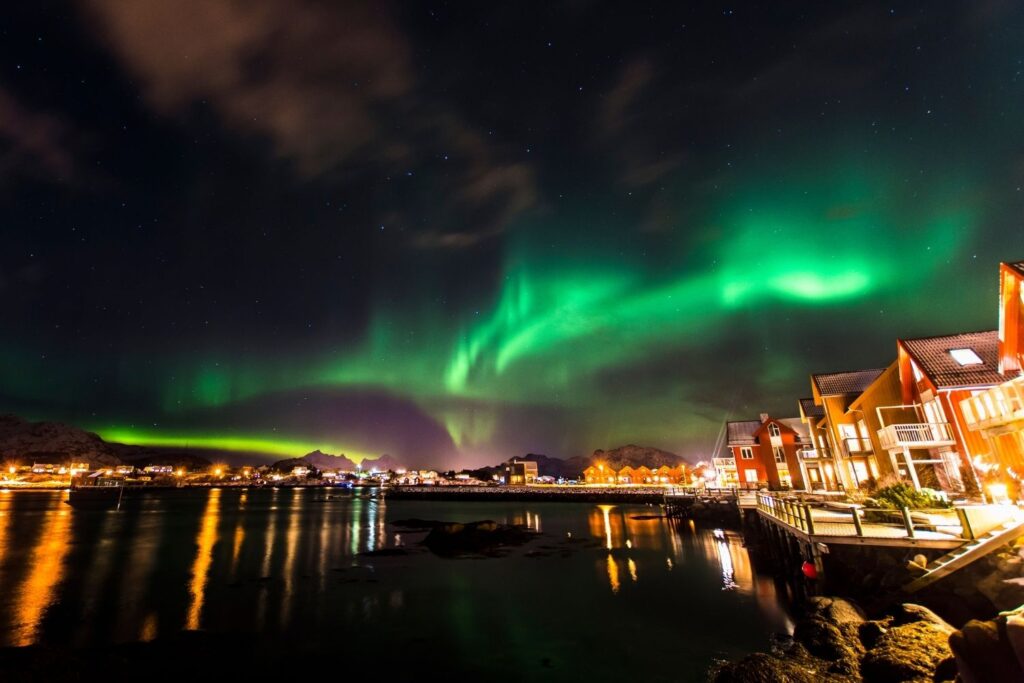
Magnetometers detected signs that the CME’s internal magnetic field may tilt southward during impact, a configuration that allows the solar wind to directly couple with Earth’s magnetic shield. When this alignment occurs, geomagnetic disturbances intensify far beyond what particle speed alone would predict.
The orientation determines whether the storm becomes disruptive or merely scenic. A strong southward tilt opens the door for widespread GPS errors, radio fadeouts and vivid auroras stretching across unprepared regions. Forecasters warned that the conditions could shift suddenly once the storm arrives.
4. November’s solar storms showed a clear escalation pattern.
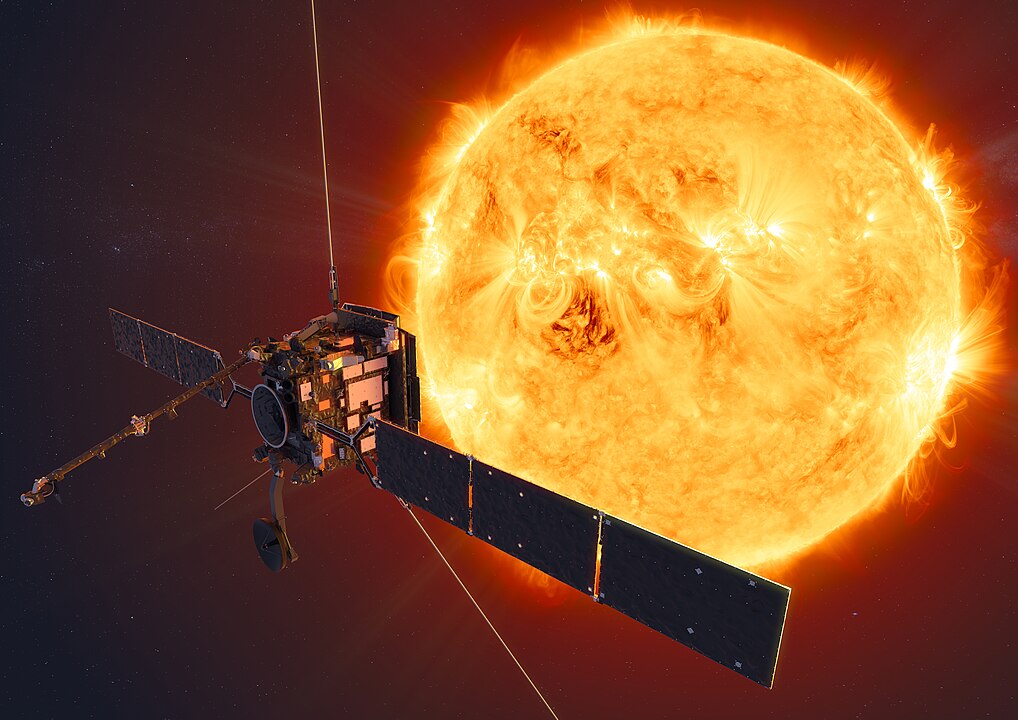
The November 2025 sequence delivered several X-class flares in rapid succession, each hurling energetic radiation toward Earth. The storms repeatedly overwhelmed radio communication in the Pacific and disrupted navigation signals across aviation corridors. Many researchers say the clustering pattern was unusual even for an approaching solar maximum.
Those flares served as early warnings of the Sun’s growing volatility. The Earth-facing activity in late November set the stage for the December 9 event, suggesting this solar cycle may peak with stronger bursts than initially projected.
5. Australia experienced severe radio degradation during November peaks.

When multiple X-class flares erupted in early November, Australia faced some of the most intense communication outages of any region. HF radio blackouts affected aviation routes, mining operations and emergency networks across Western Australia and the Northern Territory. The outages lasted minutes at a time, enough to force route adjustments and communication pauses.
These disturbances exposed how vulnerable regions near the dayside impact zone can be. The memory of those blackouts adds urgency to global monitoring as the December storm approaches.
6. The solar cycle is approaching a sharper-than-expected maximum.
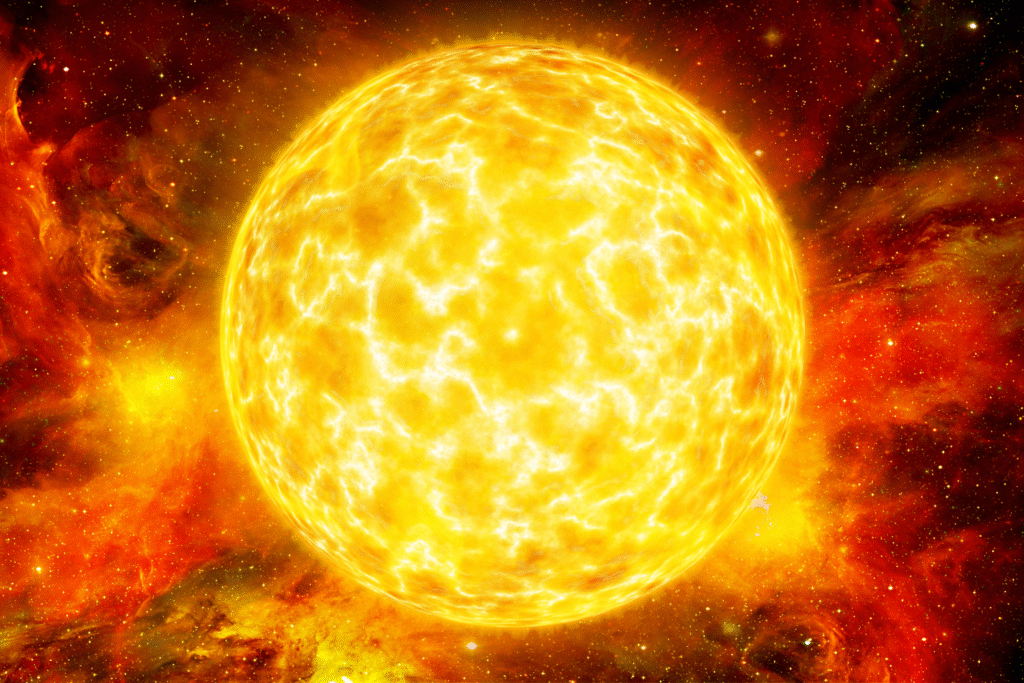
Sunspot counts show a steeper rise than predicted for this stage of Solar Cycle 25. More frequent eruptions, stronger flares and high-velocity CMEs all point toward an active peak ahead. The sudden surges seen throughout November and December suggest the magnetic fields on the Sun’s surface are evolving faster than forecast.
A heightened maximum increases the probability of multi-day disturbances. While catastrophic events remain unlikely, the cycle’s unpredictability forces scientists to reevaluate assumptions about timing, strength and global impact.
7. Satellites face drag and signal noise from the incoming storm.
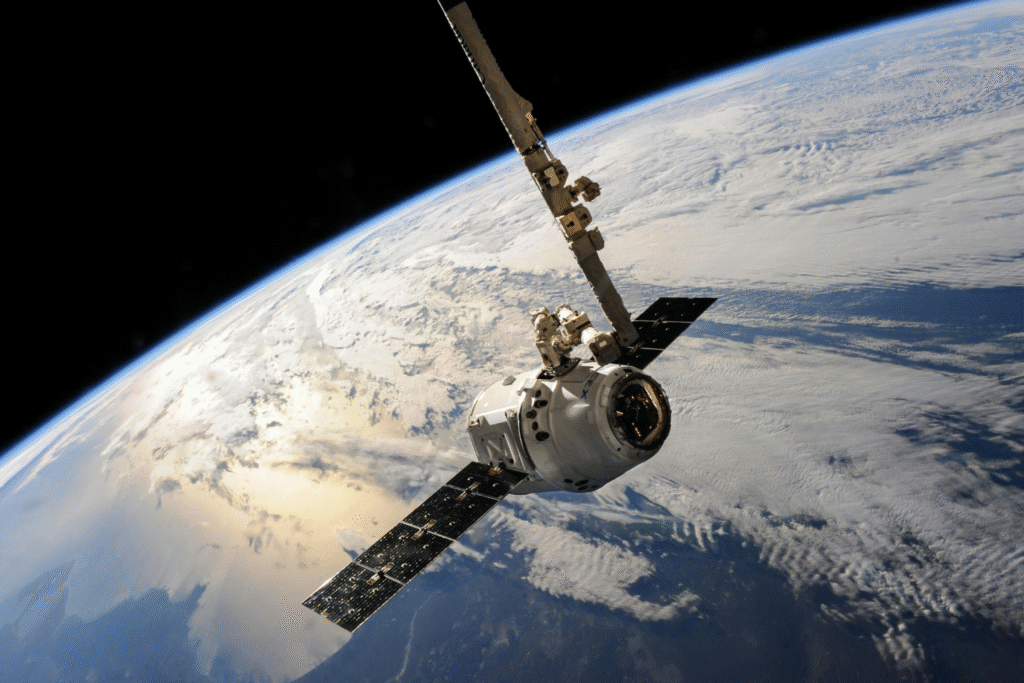
G3-level geomagnetic storms heat the upper atmosphere, causing it to expand. The expansion increases drag on low-orbit satellites, slightly pulling them downward. Operators must adjust orbits manually to prevent long-term drift. The December 9 storm may require several correction rounds if atmospheric swelling grows more intense through the night.
Signal interference poses an additional challenge. Navigation satellites may transmit with reduced precision, and communication satellites can experience scattered reception paths that degrade clarity during peak turbulence.
8. Aviation teams prepare for high-frequency communication issues.

Airlines flying polar or transoceanic routes rely on high-frequency radio channels that become unreliable during solar storms. Based on December’s expected conditions, some carriers may shift flight paths or change communication bands to avoid interrupted contact with ground control. These adjustments require coordination but are routine during strong geomagnetic events.
The December 9 storm is not expected to ground flights, but communication noise may surge during peak impact. Aviation teams monitor these warnings closely because even momentary signal loss can complicate long-range navigation.
9. Fifteen U.S. states may glimpse auroras if conditions hold.
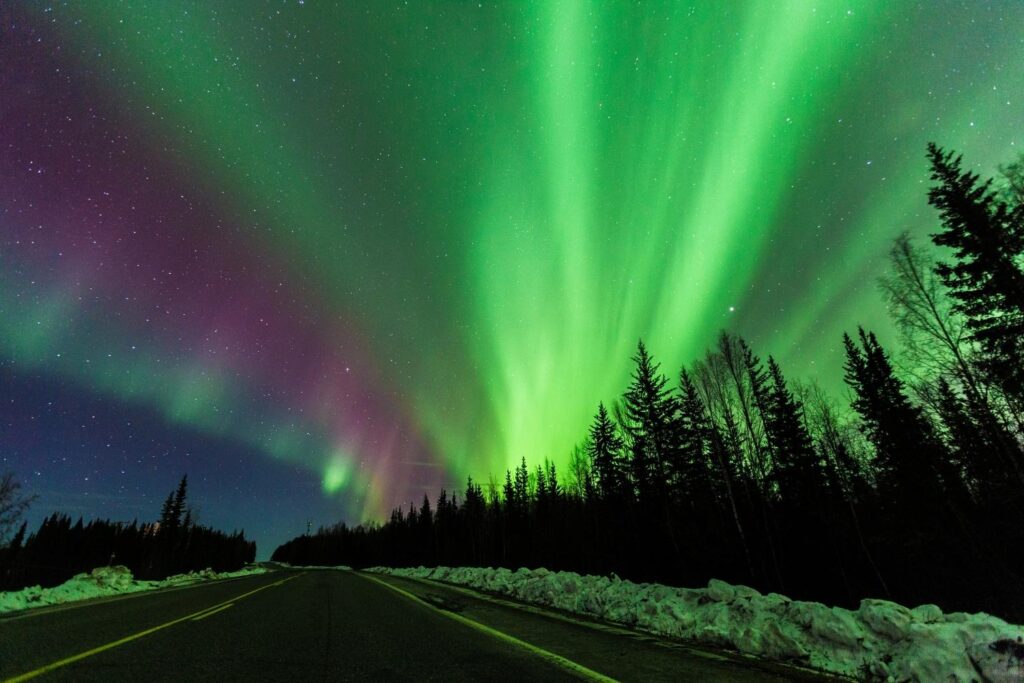
Forecasters project auroras visible across the northern tier, stretching possibly into states such as Michigan, Wisconsin, Minnesota, Montana, North Dakota and parts of New York. If the magnetic field tilts strongly southward, the glow could reach even farther, touching states like Iowa, Idaho, Vermont and Maine. The exact boundary shifts by the hour as solar wind readings update.
Auroras occur when energized particles collide with atmospheric gases, and G3 storms create ideal conditions. Skies clear of cloud cover may reveal arcs, curtains or pulsing waves across surprising regions.
10. Scientists warn this may not be the final surge.
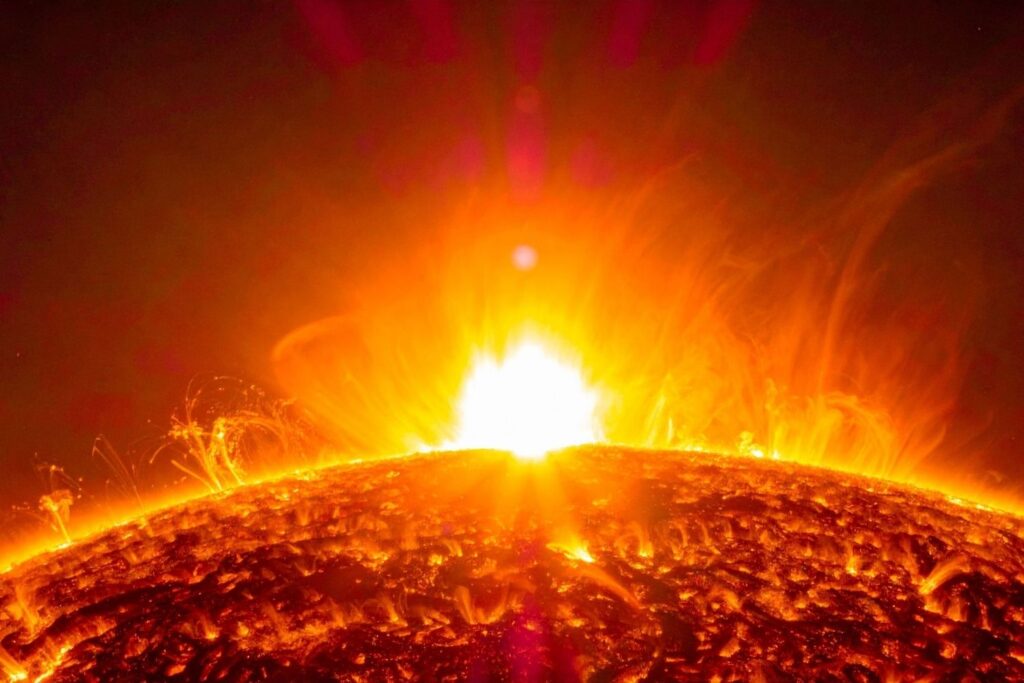
The Sun’s increasing instability suggests further eruptions are possible through December and into early next year. New sunspot groups continue to rotate into Earth-facing positions, some with magnetic structures capable of producing more X-class flares. With each rotation, the risk of additional CMEs rises.
This December 9 storm is likely only one moment in an extended period of heightened space weather. Researchers emphasize that while the effects are manageable, the pattern is unmistakable. The Sun is entering an active stretch, and Earth will feel every pulse of it.