
The sky is preparing for a historic moment.
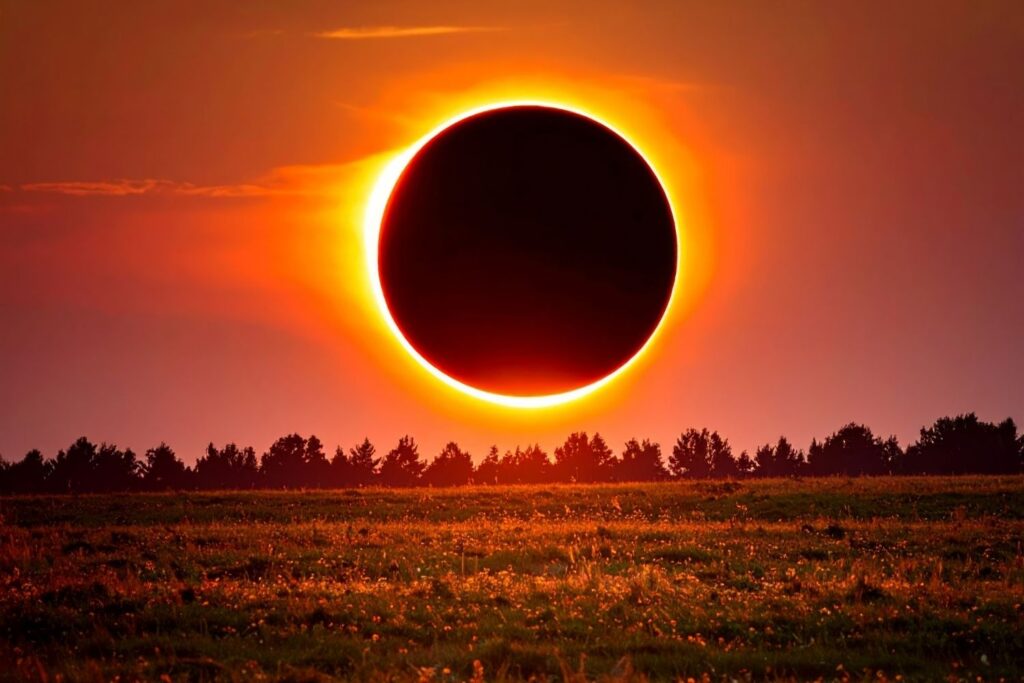
A celestial event unlike most modern watchers have seen is on the horizon. The moon will align perfectly with the Sun and Earth, creating a total solar eclipse set to deliver up to 6 minutes and 23 seconds of darkness across a narrow path. Scientists say this will be the longest total solar eclipse on land for at least a century. The shadow will sweep across Europe, North Africa and the Middle East, and thousands are already preparing for an unforgettable spectacle.
1. The eclipse will break 21st-century duration records.
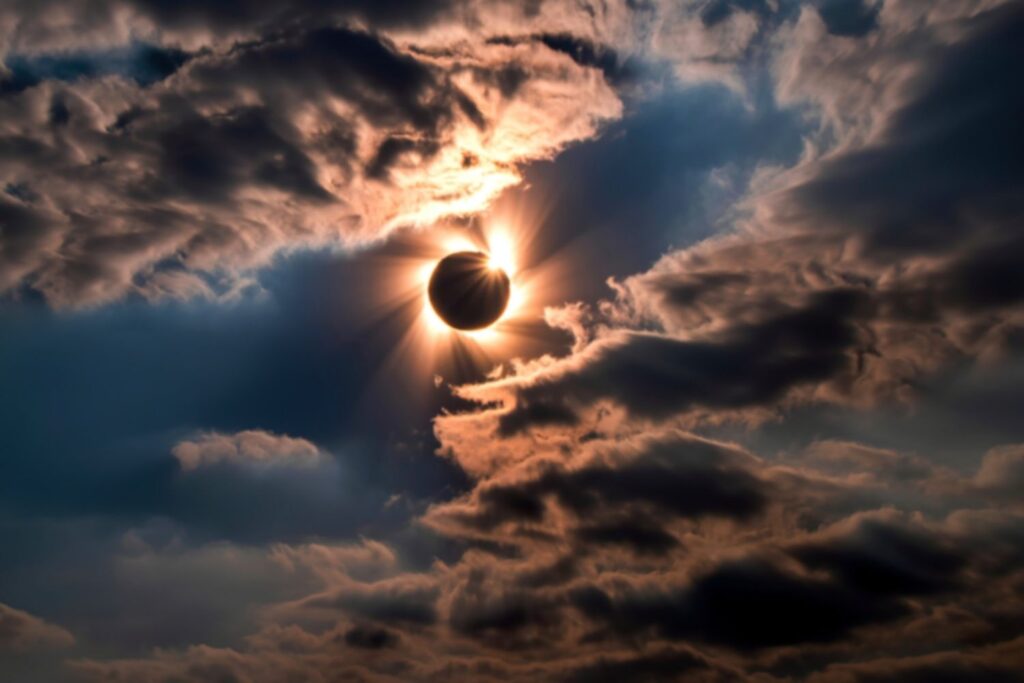
Astronomers calculated that the totality of the eclipse will last 6 minutes and 23 seconds at peak, the longest solar eclipse on land this century according to Space.com. That duration surpasses the 2024 North American eclipse by nearly two minutes and outshines any comparable event visible on land since 1991. For many observers alive today, this may be their only real chance to see a prolonged total solar eclipse.
The extended darkness offers more than dramatic visuals. It provides scientists rare time to study solar phenomena such as the corona, chromosphere shifts and solar wind impacts under ideal conditions. The long duration amplifies scientific opportunity.
2. The path of totality crosses nine countries and historic landmarks.

The eclipse’s path taking place on August 2, 2027, will start in southern Spain, sweep over Morocco and Algeria, cross Libya and Egypt, then continue across Saudi Arabia and Yemen before ending near Somalia, as reported by NASA’s 2027 eclipse data. Cities under full darkness include Tangier, Cádiz, Luxor and Jeddah. Some of the most dramatic glimpses will pass over ancient temples and desert landscapes, giving the eclipse a surreal backdrop of human history and natural grandeur.
Spots along rivers like the Nile and coasts along the Mediterranean might offer both earthly and celestial panoramas. Tourists and local communities are already mapping out viewing plans to coincide with cultural heritage and natural scenery, preparing for a rare mix of astronomy and archaeology.
3. The Moon will appear unusually large, intensifying the effect.
Because the August 2027 eclipse occurs about two and a half hours before the Moon’s closest approach to Earth (perigee), the Moon’s apparent diameter will be slightly larger than usual as stated by the eclipse prediction charts. That precise alignment makes the Sun vanish completely for a longer stretch and deepens the contrast when day briefly becomes night. Shadows on the ground will sharpen unusually, and the eerie light often described by ancient observers may return in full force.
Atmospheric conditions will magnify the effect. As sunlight dims, temperatures drop, wind patterns shift and wildlife behavior may change, all part of an ancient celestial rhythm humans rarely see today.
4. Scientists anticipate a rush of global eclipse tourism interest.

Given its duration and accessible path, the 2027 eclipse is already being called the “eclipse of the century” by media and travel operators as reported by Wired. Hotels in Tangier, Cairo and southern Spain are filling quickly, and tour companies are bundling historical site visits, desert excursions and temple ruins into eclipse packages. The unique mix of extended totality, favorable climate zones and cultural heritage promises an experience few precedents match.
This trend mirrors past eclipse tourism booms but on a grander scale. The combination of duration, geography and human history could make August 2, 2027, one of the most visited eclipses in recorded astronomy.
5. Partial eclipse will still be visible far beyond the centerline.
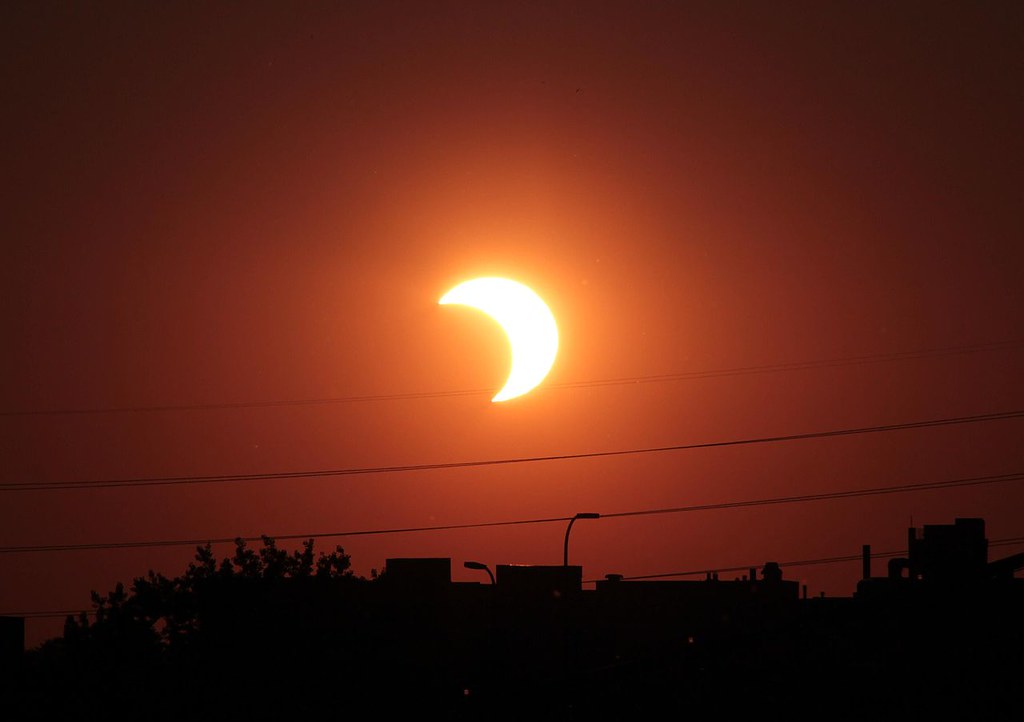
Even outside the narrow band of totality millions of people will witness a partial eclipse. Regions across Europe, much of Africa, and parts of the Middle East will see significant solar coverage. For those not traveling to the centerline, this offers an accessible way to experience cosmic alignment without crossing borders. Simple eye protection and projections will let watchers appreciate the Moon’s slow crawl across the Sun.
The partial phases can produce eerie evening-like light, shifting shadows and unusual coloration in the sky. Even minimal coverage can stir a sense of connection to the cosmic dance taking place far beyond the horizon.
6. Observers should prepare carefully to watch safely.

Because direct sunlight outside totality remains dangerous for the eyes, proper solar eclipse glasses meeting safety standards are essential. Experts emphasize that only during the few minutes of totality is it safe to look directly. Mistiming exposure can cause permanent eye damage, especially in regions unused to such light changes. Planning matters: eclipse viewers need to coordinate timing carefully if they hope to see the full effect.
Local skywatching groups are already stockpiling certified glasses and building shade-free viewing rigs near prime sites. The sense of astronomical ritual is resurfacing among communities used to seeing the Sun every day, but never in full disappearance.
7. The long darkness offers a chance to study solar corona in detail.
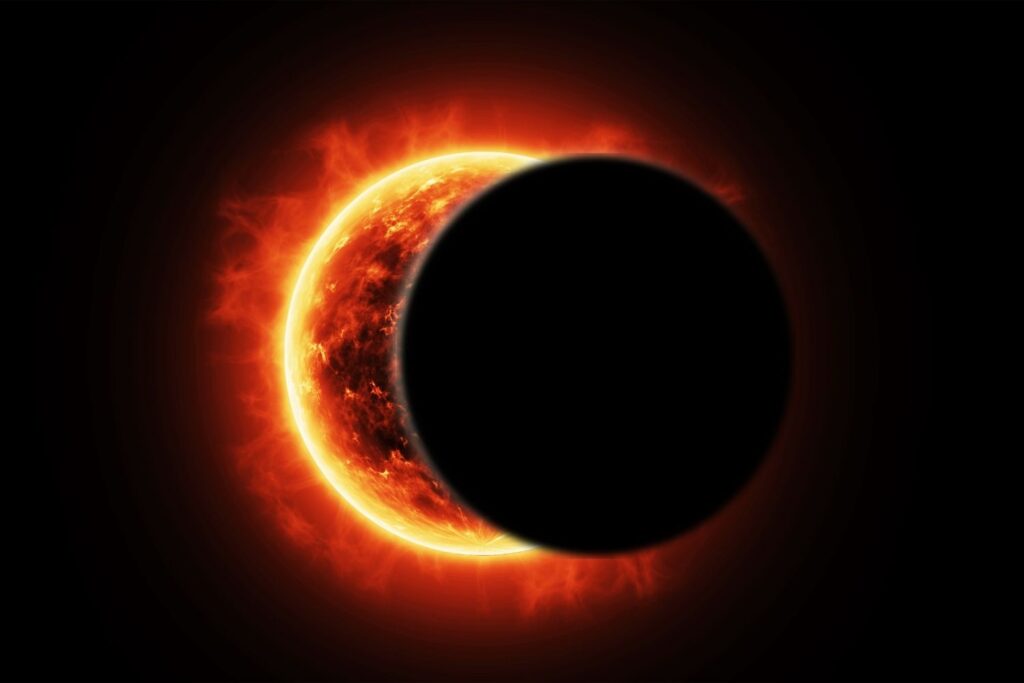
Extended totality gives solar physicists a rare window to observe the Sun’s outer atmosphere, known as the corona. Instruments will capture coronal streamers, magnetic field interactions and plasma flows more clearly with extended uninterrupted darkness. Researchers plan coordinated observations from multiple points across the path to compare how atmospheric conditions alter solar signatures. This could refine our understanding of solar wind origins and their impact on Earth’s magnetic environment.
Historical eclipses offered brief glimpses. The 2027 eclipse gives enough time to conduct experiments that require calm and stable conditions, allowing more controlled observation and deeper data collection.
8. Wildlife and environment may react visibly to sudden day-to-night transition.
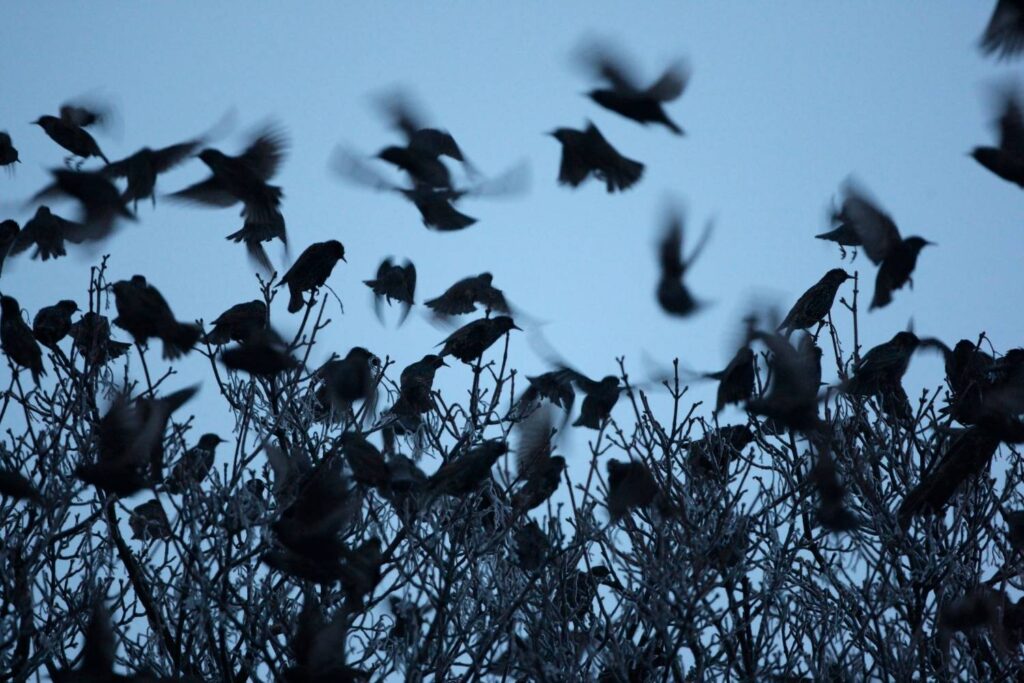
In regions under totality, animals may exhibit twilight behavior as they adapt to sudden darkness. Birds might settle, insects might quiet, and nocturnal creatures could stir briefly. Observers of previous eclipses have documented unusual wind shifts and temperature drops, reactions that illustrate how sensitive ecosystems are to sunlight rhythms. The 6-minute blackout could amplify those effects, offering a rare view into how nature responds to abrupt solar interruption.
For ecosystems along the path, from Mediterranean coasts to desert oases, this moment may stir echoes of ancient rhythms, reminding living creatures that the Sun’s dominance is not eternal.
9. Social media and technology will amplify the eclipse experience worldwide.

Unlike earlier eras when only those beneath the path saw eclipses, global livestreams will let millions watch the totality unfold in real time. Drones, high-resolution cameras and coordinated feeds will broadcast the darkness across oceans and continents. Communities far from the path may experience the spectacle vicariously, joining the shared moment of collective awe. The event could become one of the most viewed celestial phenomena in history.
This widespread attention brings both opportunity and responsibility. Observers must balance enthusiasm with respect, or the natural rhythm, for safety and for the sky itself.
10. This eclipse may stand unmatched for decades to come.

Astronomers note that eclipses offering totality longer than six minutes are rare. The 2027 event may be the longest land-visible total solar eclipse many people alive will ever witness. Statistical projections suggest no comparable eclipse will occur again until the next century.
For sky watchers, historians and curious souls, August 2, 2027 presents a narrow window, one that invites planning, travel, and presence under a sunless moment shaped by cosmic geometry. If history, science and human wonder combine, this eclipse could become a memory passed down as myth.