
Some dogs notice feelings long before you do.

Emotional intelligence in dogs can feel almost supernatural when you experience it up close. A look, a shift in posture or a quiet lean against your side can feel as if the dog is reading a page you never turned. Veterinarian Dr Liza Cahn says certain breeds excel at this kind of perception, reacting to human emotion with an instinct that borders on intuitive. Three of these breeds also appear in Stanley Coren’s intelligence rankings, strengthening the case that cognitive ability and emotional attunement often intertwine.
1. Border Collies read human emotion with startling precision.

Border Collies top many cognitive studies, and their emotional awareness is just as notable according to research highlighted by the American Kennel Club. Their working history demanded constant interpretation of human movement and tone, shaping dogs that watch people closely. Owners often describe their Collies as noticing stress before they themselves do, almost as if the dog senses a shift in mood at the first flicker.
Their responses tend to be subtle yet deliberate. A Border Collie may soften its stance, slow its pace or remain nearby without prompting, offering a quiet steadiness that feels deeply attuned.
2. Labrador Retrievers adjust to emotional shifts instantly.

Labs consistently show high social intelligence, a trait supported by behavior summaries in the American Veterinary Medical Association reports as stated by the organization. Dr Cahn notes that Labradors read vocal tone and body language with almost automatic precision, adjusting their energy to fit the emotional moment. They gravitate toward distressed individuals, often offering support through gentle contact or loyal proximity.
Their steadiness becomes a grounding force. When tension rises, Labs often move closer in a calm, measured way that reassures without demanding interaction.
3. Golden Retrievers interpret human expressions with ease.

Golden Retrievers are widely recognized for decoding facial cues more successfully than many breeds, a point referenced in coverage by The Guardian as reported by the outlet. Their natural empathy seems to guide them toward whatever emotional state their owner inhabits. Dr Cahn notes they often react within seconds when sadness or anxiety appears, adjusting their posture or energy to soften the moment.
Their sensitivity forms strong bonds. Goldens tend to meet grief with stillness and meet joy with gentle engagement, aligning themselves with the emotional temperature around them.
4. Poodles monitor emotional tone with remarkable accuracy.
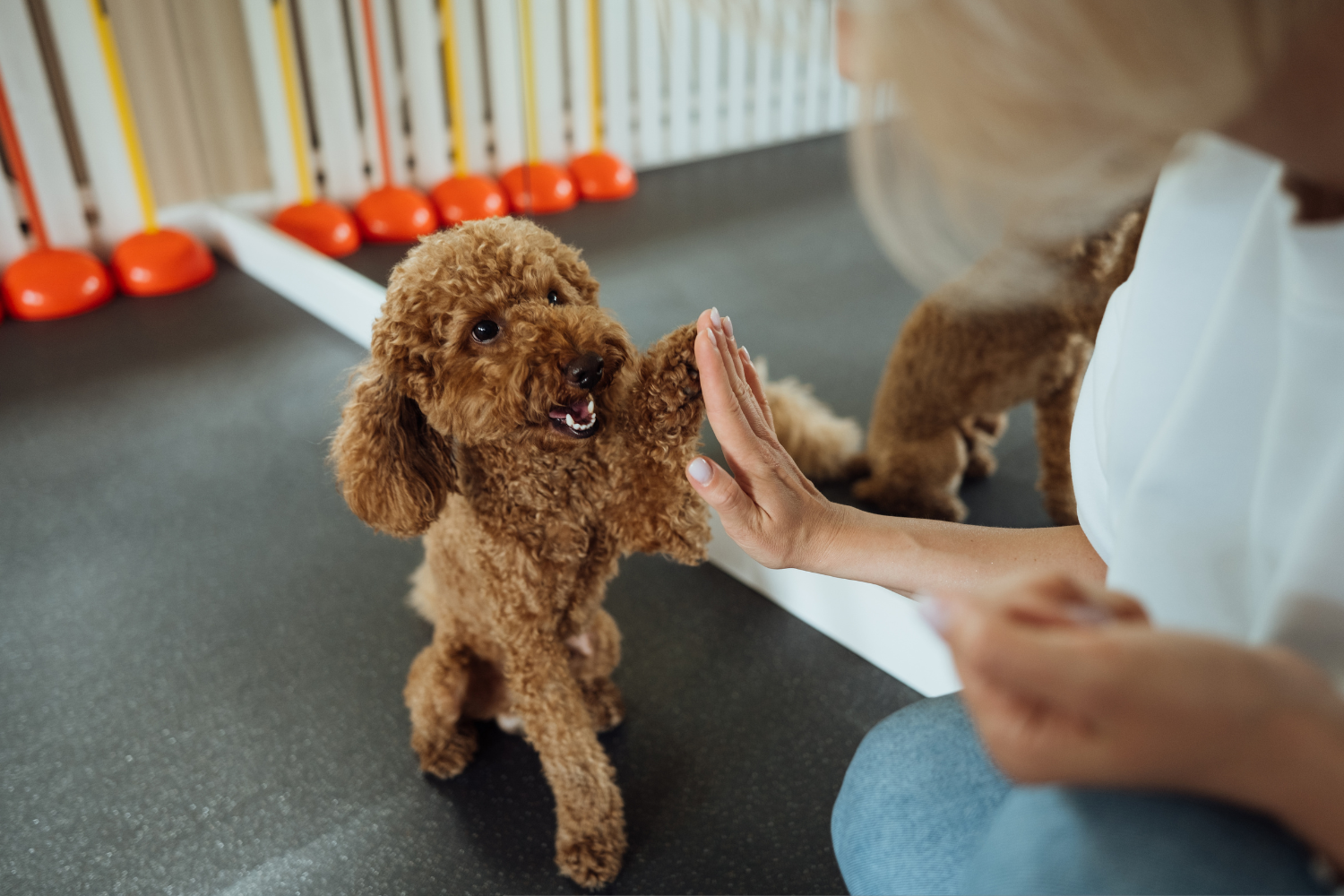
Poodles combine cognitive sharpness with a deep awareness of human behavior. Their ability to read discomfort or tension often surprises new owners. Dr Cahn says Poodles watch shoulders, hands and breathing rhythms, noticing small patterns that signal emotional changes. Their instinctive calm during difficult moments makes them ideal companions for households that appreciate emotional steadiness.
Their responsiveness extends into ordinary routines. A Poodle may match your energy without being asked, offering play when spirits are high and quiet presence when they are not.
5. German Shepherds sense unease before it becomes visible.

German Shepherds build intense bonds rooted in vigilance and loyalty. Their protective nature sharpens their perception of emotional distress in ways that feel immediate and intuitive. They often pick up on subtle cues like hesitation or tense breathing long before an outward sign emerges, reacting by staying closer or fixing their attention on the person in need.
This awareness deepens their connection. Shepherds often feel synced to their owner’s rhythms, responding to emotional shifts as quickly as they respond to physical commands.
6. Cavalier King Charles Spaniels comfort with instinctive tenderness.

Cavaliers excel at noticing emotional dips. Dr Cahn often highlights their natural inclination to soothe, especially in quieter households where subtle shifts matter. These dogs approach sadness with gentle closeness and respond to improved moods with soft enthusiasm. Their perceptiveness makes them reliable emotional companions for individuals who benefit from steady, intuitive support.
Their empathy shows in the smallest gestures. A Cavalier may settle against you during anxious moments or keep its eyes on you until a stressful wave passes.
7. Australian Shepherds read emotional tension the moment it appears.
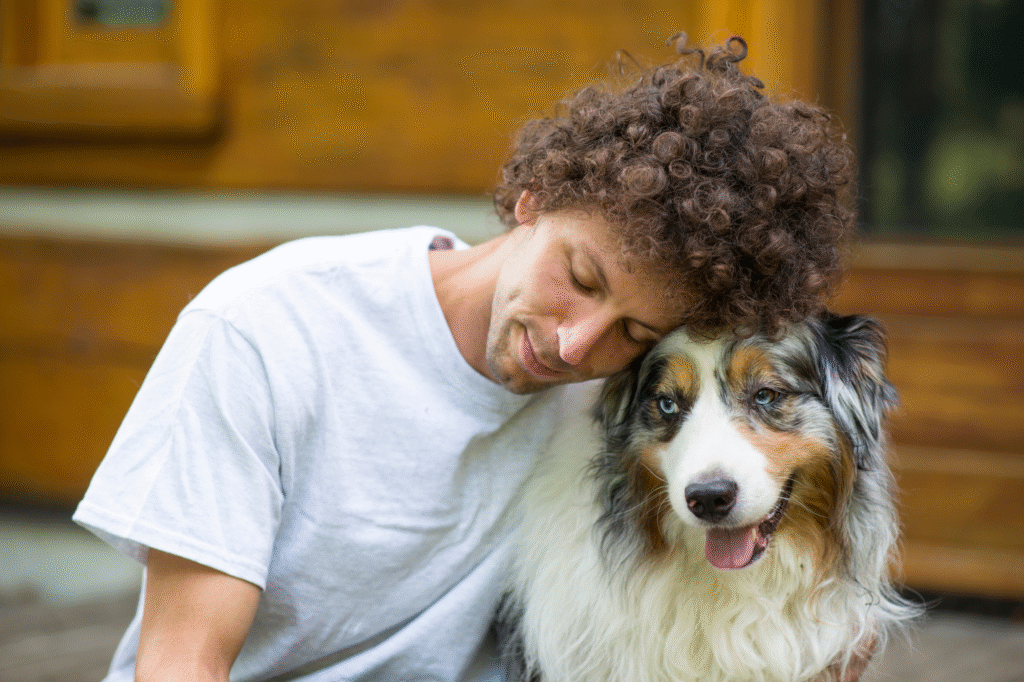
Aussies rely on rapid interpretation of human cues to do their historical work, and that skill carries into everyday life. They notice tightened shoulders, abrupt movements or hesitation immediately. Their emotional intelligence feels energetic and responsive, yet precise. They often shift posture or adjust their pace to align with whatever tension they sense in the environment.
This sensitivity strengthens their bond. Aussies often act as early warning signals, responding to emotional currents even when no words are exchanged.
8. Boxers connect through expressive, emotion-driven behavior.

Boxers are openly emotional dogs who track human moods carefully. They respond to sadness, frustration or excitement with instinctive shifts in behavior, often surprising owners with their accuracy. Dr Cahn says their emotional intelligence shows through physical communication, whether through leaning, eye contact or soft nudges that ask for connection.
Their attunement becomes a steady rhythm in the home. Boxers can brighten a heavy moment or settle into peaceful stillness when calm is needed most.
9. Shetland Sheepdogs sense emotional nuance naturally.

Shelties watch people closely, a trait shaped by their herding background. They pay attention to tension in voices, shifting movement and small emotional cues that others might miss. Their instinct is not to overwhelm but to guide, often offering presence rather than pressure. Many owners say their Sheltie knows when conflict is brewing even if voices remain quiet.
Their sensitivity creates deep trust. Shelties tend to offer calm companionship in stressful moments and bright engagement when spirits lift.
10. Standard Schnauzers track emotional rhythm intuitively.

Standard Schnauzers combine alertness with strong attachment, giving them a fine-tuned awareness of emotional shifts. They respond quickly when an owner feels overwhelmed, often adjusting their energy without needing cues. Their attentiveness creates a bond that feels responsive and dynamic, shaped by the dog’s desire to stay connected to its person.
Their intuition is steady and consistent. Schnauzers engage when encouragement helps and retreat slightly when space is needed, forming a balanced emotional partnership.