
A forgotten Ethiopian volcano awakens without warning.
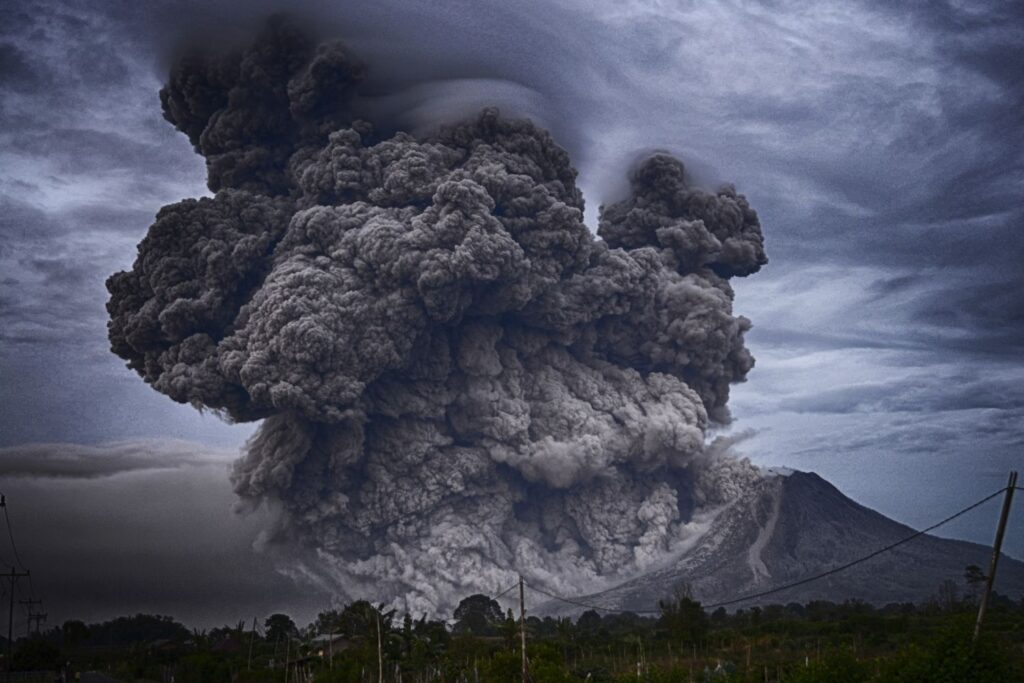
For millennia, Hayli Gubbi sat in Ethiopia’s remote Afar region as a relic of a prehistoric world. Its last known eruption occurred nearly twelve thousand years ago, long before written history touched the landscape. Locals walked past it without fear, and scientists barely mentioned it in hazard assessments. That confidence dissolved on November twenty third, twenty twenty five, when deep tremors surged upward and a sudden breach in the crater floor transformed a silent volcano into a violent, ash filled awakening.
1. Scientists confirm Hayli Gubbi erupted after twelve thousand years.
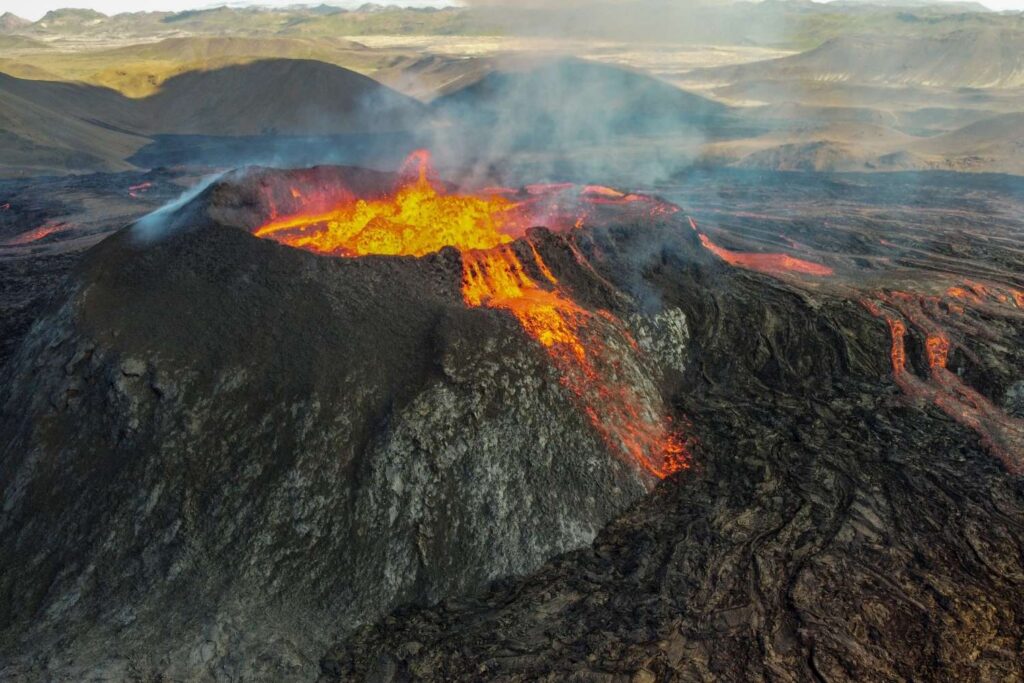
The Smithsonian Global Volcanism Program reported that Hayli Gubbi produced its first known eruption in roughly twelve millennia, according to their event summary. The eruption began with explosive bursts that propelled ash columns thousands of meters above the Afar depression. Instruments across East Africa recorded the sudden increase in seismic energy as the volcano broke through its ancient seal.
This timing stunned researchers. Dormant systems rarely return after such long gaps, reminding everyone that geological quiet can mask a patient and powerful magma supply.
2. Magma rose rapidly along a rifting zone beneath Afar.

Geologists studying satellite data found that magma traveled upward along the East African Rift, a tectonic boundary that has been actively pulling apart for millions of years, as stated by Nature. The region’s thinning crust created a channel for deep magma to move quickly toward the surface. Once near the shallow chamber, pressure built faster than expected.
That pressure ignited the eruption. The rift’s constant stretching primes the ground for sudden openings, and Hayli Gubbi used one of these fractures to awaken violently.
3. Ash plumes spread across northern Ethiopia and beyond.

Aviation monitors reported ash drifting over parts of Afar, Amhara and into neighboring regions, as detailed by the United States Geological Survey. The plume height signaled an eruption with strong gas content and rapid fragmentation. Visibility dropped near the vent, and communities dozens of miles away noticed gray haze settling over fields and rooftops.
The reach of the plume confirmed the eruption’s force. Even areas far from the crater felt the pulse of a volcano reclaiming its presence after an age of silence.
4. Volcanic tremors shook villages surrounding the crater.
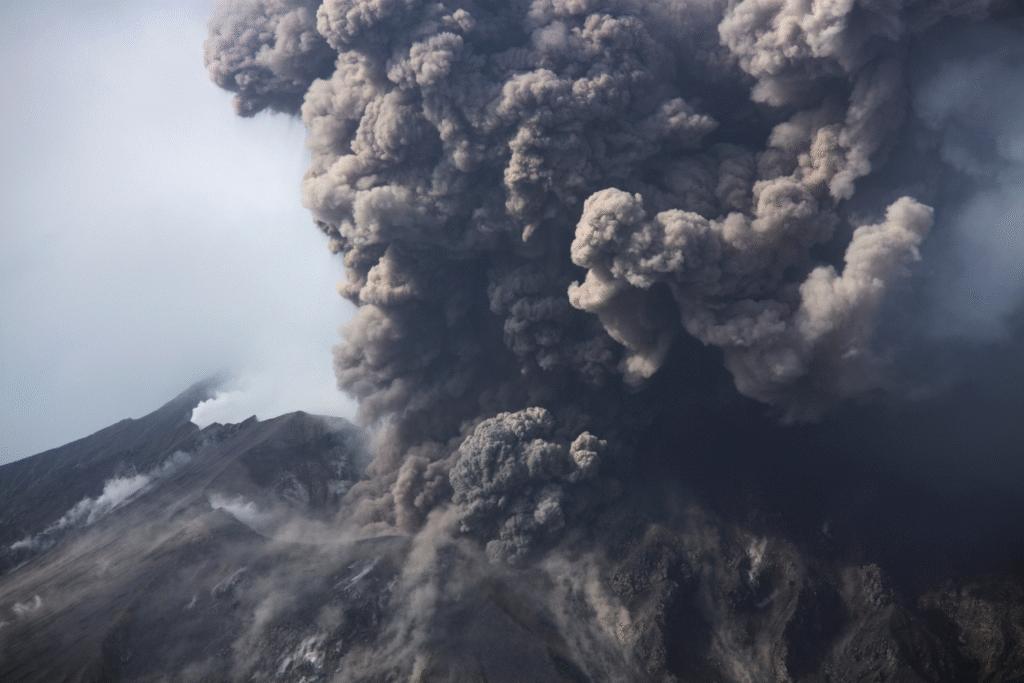
Residents described an escalating sequence of vibrations that began hours before the eruption. These tremors intensified as magma pushed through weak points in the crust. The seismic pattern matched those of fast moving magma intrusions seen in rift systems worldwide, signaling a system under intense internal pressure.
The shaking became a warning. For communities that had never experienced activity from Hayli Gubbi, the sudden transition from solid ground to trembling earth felt surreal and unsettling.
5. A new fissure opened south of the summit during the eruption.
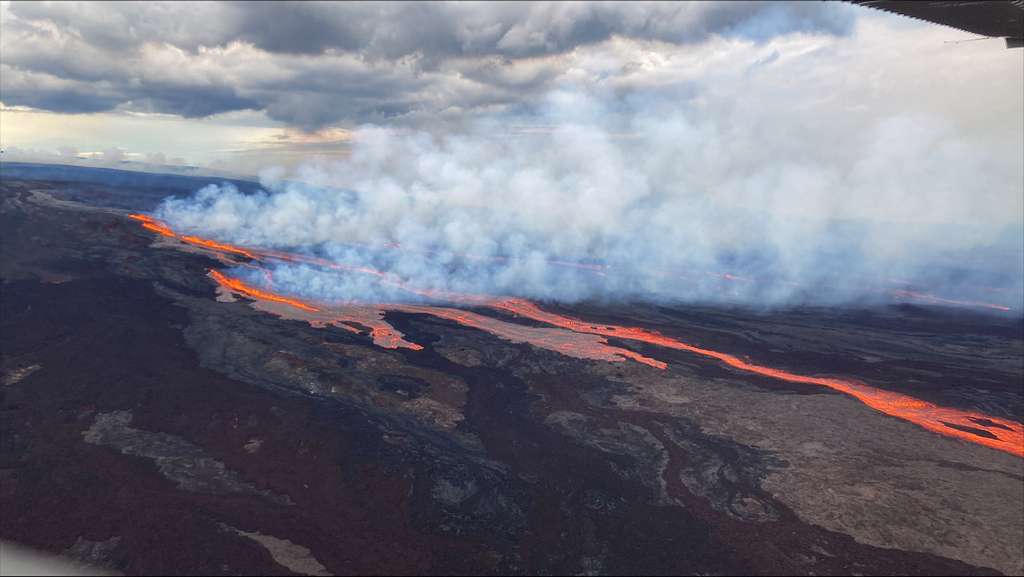
Thermal imaging revealed a fresh fissure extending along the volcano’s southern flank. It appeared minutes after the summit explosion, releasing additional ash and gas. The fissure aligned with regional tectonic structures, suggesting magma exploited deep weaknesses created by the ongoing rift expansion.
This new opening complicates future assessments. A volcano with fresh fracture zones becomes far less predictable, expanding the area where future activity may emerge.
6. Gas emissions surged as the eruption intensified.

Initial measurements showed strong sulfur dioxide output, indicating a volatile magma supply. Gas rich eruptions typically produce tall plumes, loud explosions and fast moving currents of ash. The concentration of gases revealed how tightly pressure had been trapped beneath the ancient crater.
These emissions carried their own risks. Sulfur rich plumes can irritate airways, reduce visibility and affect livestock in surrounding regions.
7. Pyroclastic bursts reshaped parts of the crater interior.

Short, violent bursts of fragmented rock and ash blasted through the summit vent, carving new contours into the crater walls. These bursts indicated rapid decompression events where pockets of gas collapsed and expanded with explosive force. The pattern resembled eruptions from other long dormant systems that release built up pressure in intermittent waves.
Each burst left a mark. Hayli Gubbi’s summit floor now carries fresh scars cut by material that had not seen daylight since prehistoric times.
8. Observers reported volcanic lightning inside the ash column.
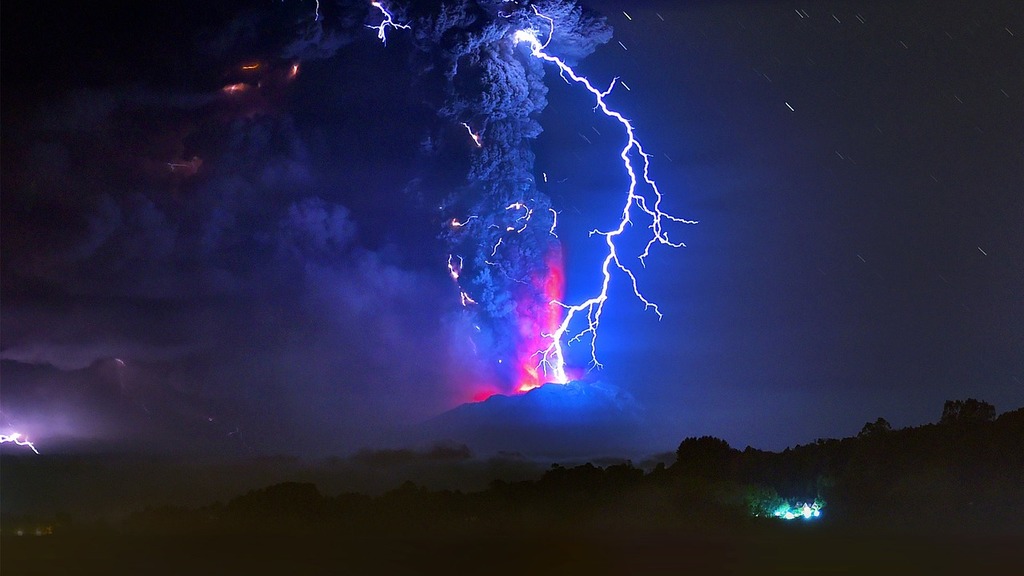
As ash particles collided within the fast rising plume, static charges accumulated, generating bright flashes that illuminated the eruption column. This lightning revealed the incredible density and velocity of the rising ash. For observers on the ground, the flashes offered rare glimpses into the turbulent interior of the plume.
The lightning also served as confirmation of the eruption’s power. Only eruptions with intense particle interaction produce these electric displays.
9. Ash fall disrupted travel routes across the Afar region.
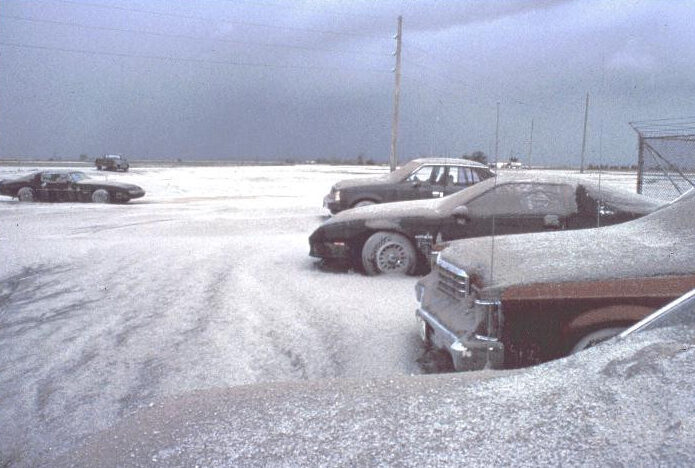
Roads near the volcano became coated with fine gray ash, reducing traction and complicating relief efforts. Vehicles struggled with visibility and engine filtration issues as ash accumulated quickly. Local authorities advised limiting travel until ash settled or wind patterns shifted.
This disruption underscored the reach of the event. Even communities far from immediate danger experienced the secondary impacts of a volcano nobody expected to awaken.
10. Scientists warn this eruption may signal a new active phase.
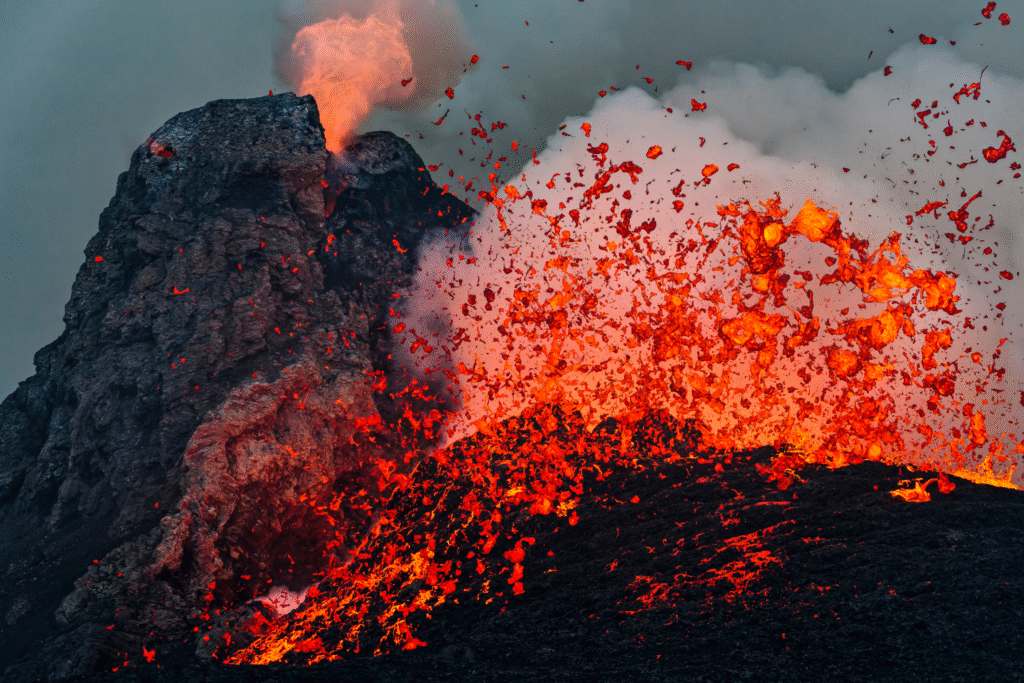
Volcanoes in rift zones often erupt in cycles, especially after long dormancy. The reopening of Hayli Gubbi’s conduit suggests the magma system may remain active for months or years. Continued seismic activity and ground deformation will determine whether additional eruptions follow.
For now, the region watches carefully. A volcano silent for thousands of years has reentered the geological conversation, reminding everyone that time beneath the surface moves at a rhythm humans rarely notice until it breaks through.