
A forgotten cache transforms a quiet region’s history.
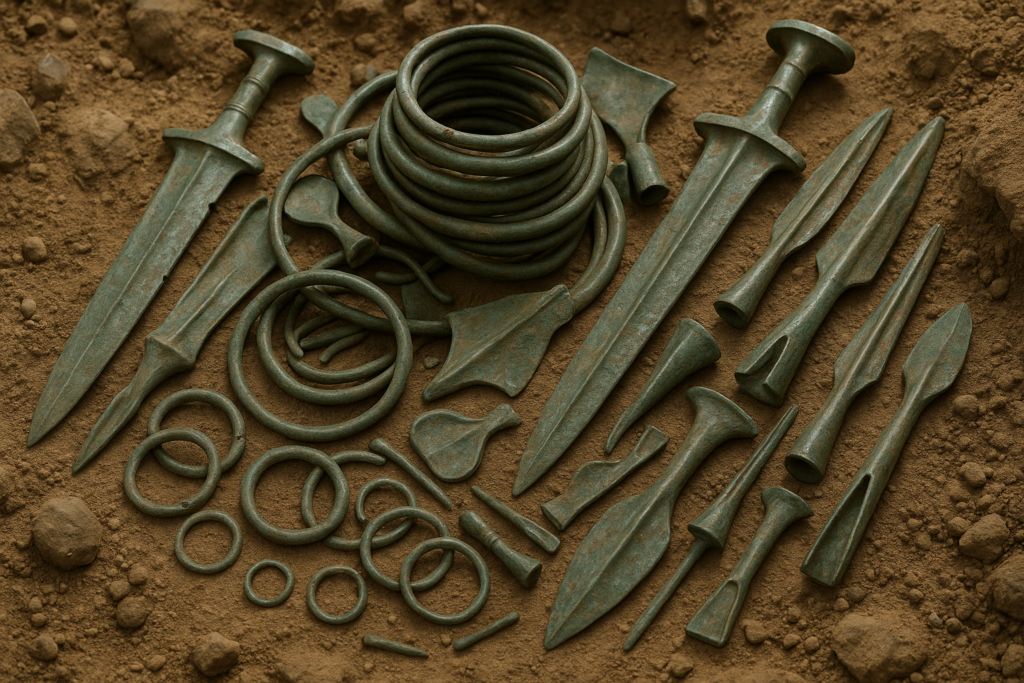
The discovery began as a routine survey in eastern Germany until excavators realized the soil was hiding something far larger than expected. Beneath farmland outside Görlitz, researchers uncovered a vast Bronze Age hoard unlike anything recorded in the region. More than three hundred artifacts emerged from the earth, many shaped in ways that challenge everything previously known about local metalworking traditions. The scale and preservation of the find left archaeologists stunned as they attempted to piece together why such wealth was buried so deliberately.
1. Researchers reveal Saxony’s largest Bronze Age hoard.
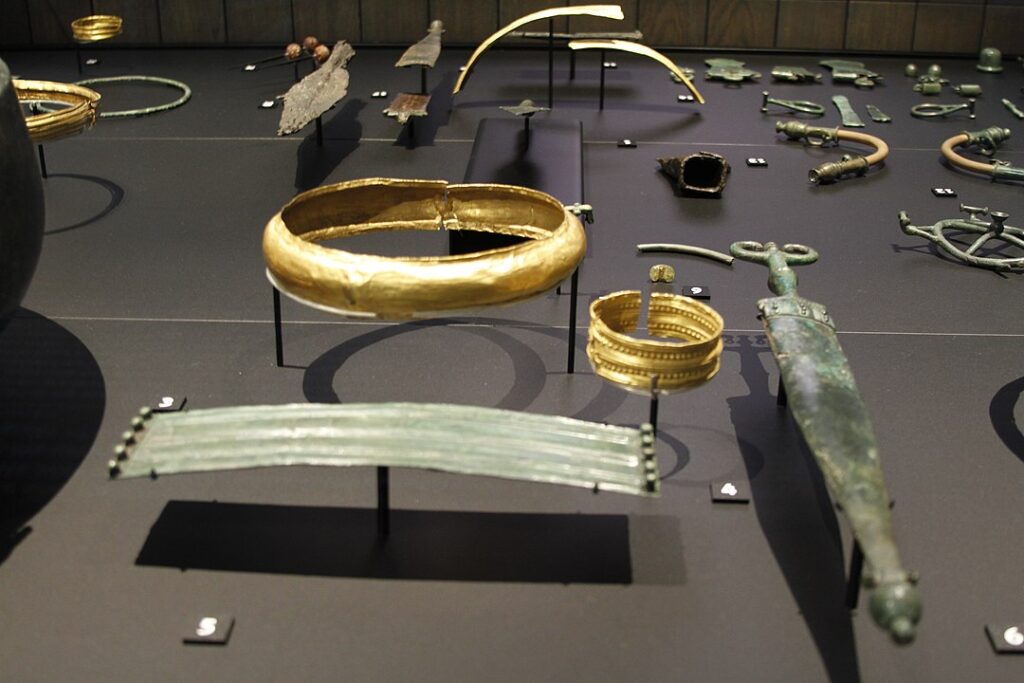
Archaeologists reported that 310 artifacts were uncovered near Görlitz in the Upper Lusatia region, making it the largest Bronze Age hoard ever recorded in Saxony. As stated by Archaeology Magazine, the discovery included axes, chisels, sickles and ornaments, all buried together in tight clusters that suggest intentional storage rather than random deposition.
The focused placement has raised new questions about who controlled this material and why it was hidden away. The sheer quantity implies a community with both resources and skill, placing the region into a far more complex Bronze Age trade network than previously understood.
2. Unusual weapon forms challenged earlier regional assumptions.
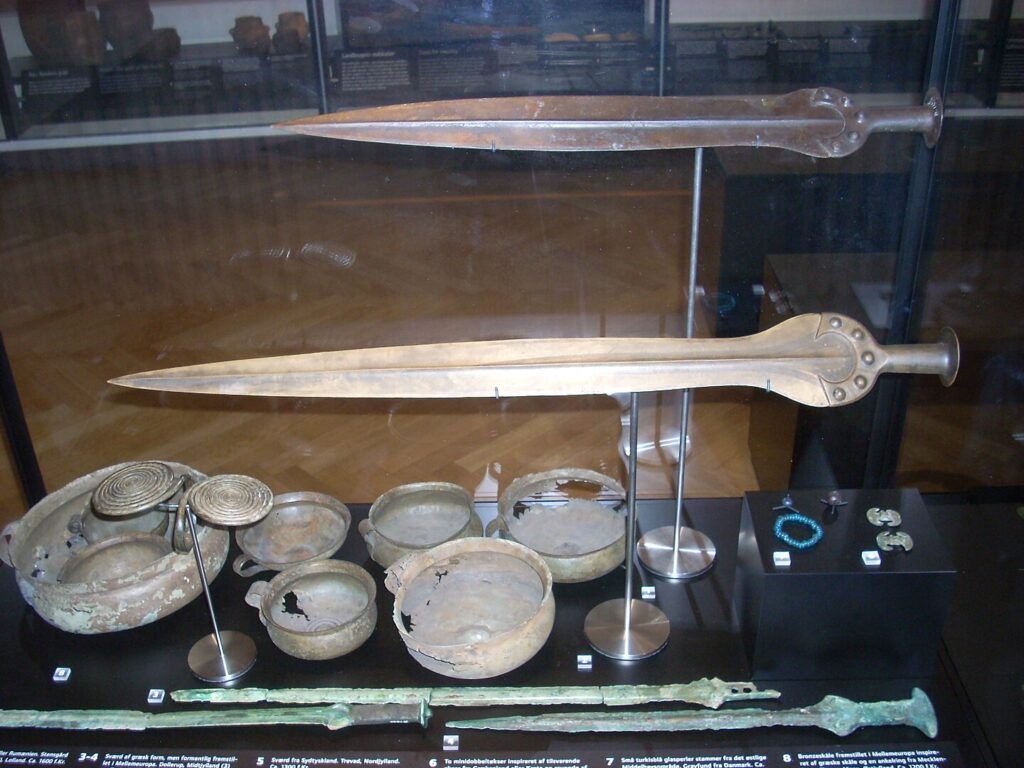
Several blades and axe heads emerged with shapes not commonly seen in central European finds. As discovered by researchers reporting through Science News, the variations include extended flanges, widened shoulders and unfamiliar socket structures that suggest local experimentation rather than imported styles. These shifts force archaeologists to rethink the evolution of weapon technology in the region.
Such differences imply that smiths in Upper Lusatia were innovating within their own workshops. The creativity embedded in the designs suggests a thriving culture capable of shaping its own martial identity.
3. Evidence points toward ritual deposition rather than storage.
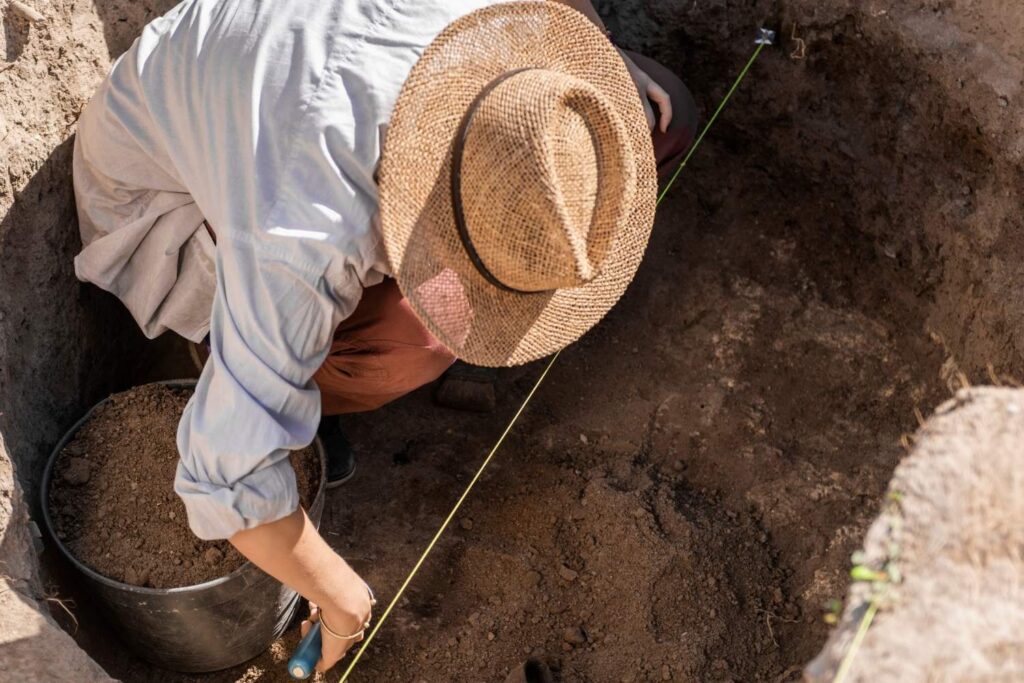
Analysis of soil layers and artifact placement suggests the cache may have been part of a ceremonial act. As reported by the German Archaeological Institute, hoards of this scale often represent offerings, communal wealth protections or symbolic closures during periods of transition. The careful arrangement supports the idea of intentional burial rather than emergency hiding.
If it was a ritual deposit, the community understood that these objects would never return to daily life. The act becomes a message written in metal, reflecting a moment when stability or identity required symbolic reinforcement.
4. The craftsmanship reveals mastery rarely seen in the region.
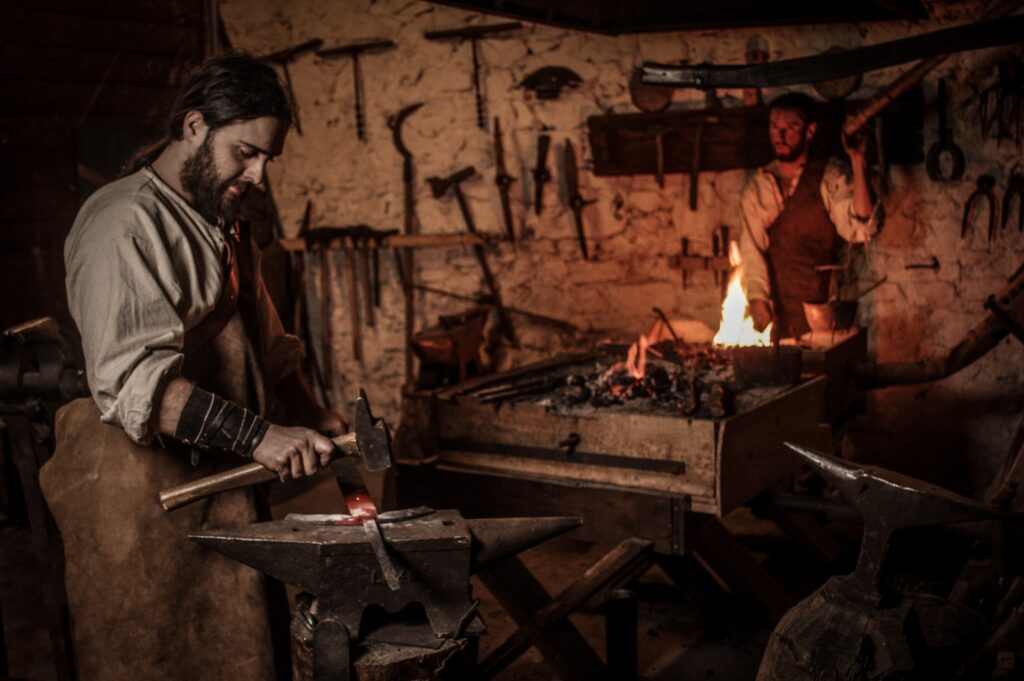
Fine casting lines, deliberate symmetry and exceptional polish indicate smiths who understood metal at an expert level. Bronze was not simply functional here. It carried artistic intention. The creators shaped alloy mixtures that held their edges and resisted corrosion for millennia.
This mastery challenges earlier beliefs that the region relied heavily on imported knowledge. Instead, the find reveals a culture producing advanced metalwork within its own boundaries, a detail that rewrites regional craftsmanship narratives.
5. Clues point to a community tied to long distance trade.
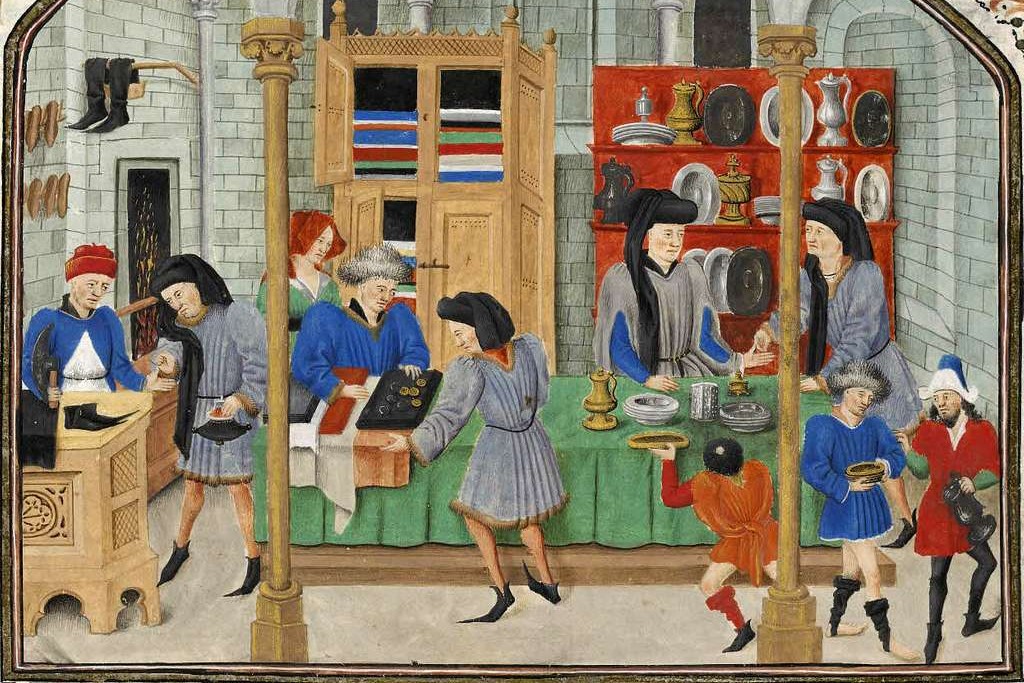
Tin and copper required for bronze rarely existed in the same location, meaning the presence of such a large quantity hints at significant trade lines. The Görlitz region likely connected to networks stretching into Bohemia, the Alps and possibly beyond. Metal flowed along these routes as a form of currency and status.
The hoard’s diversity supports this. A community must have held influence or stable trade partnerships to accumulate metallic wealth of this extent without exhausting its supply.
6. The hoard’s placement reveals strategic burial decisions.

Artifacts were found in a shallow basin near a former watercourse, a location ideal for memory and ceremony. Water often held spiritual value in Bronze Age communities, making the site’s proximity meaningful. The terrain also allowed easy concealment beneath soil that would shift naturally over time.
Such a choice indicates intention. The decision makers wanted this material to rest in a place that the community understood, even if its exact meaning slips through historical gaps.
7. Wear patterns expose how these tools were used and retired.
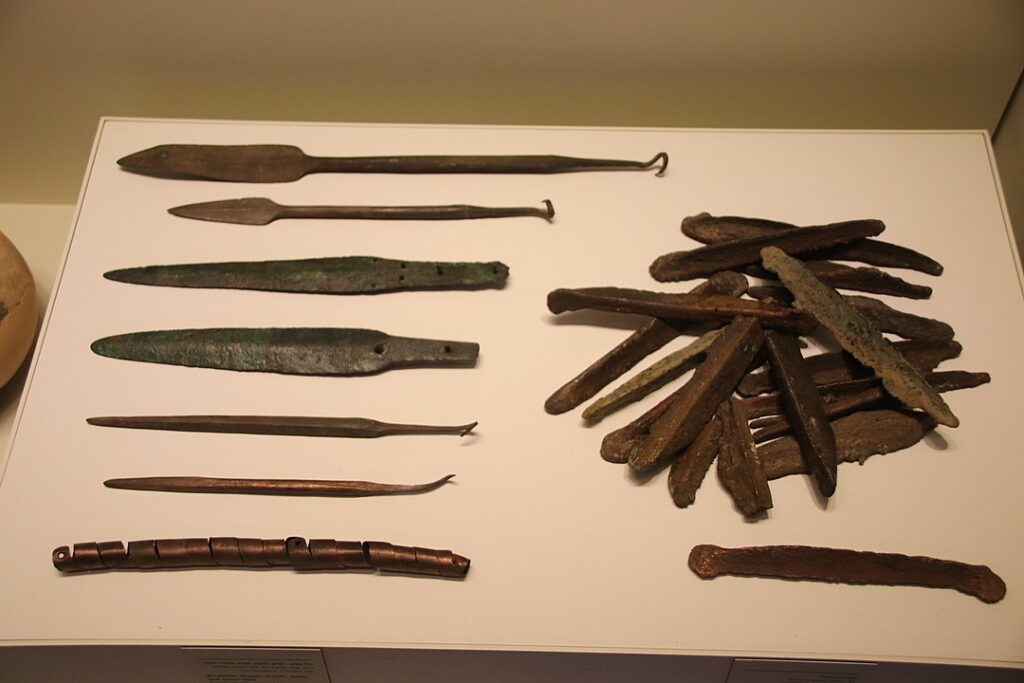
Many items show signs of sharpening, impact wear and repeated repair, suggesting they served real functions before entering the ground. Others appear almost untouched, as if cast specifically for burial. This blend hints at symbolic value, where both well used and pristine items played roles in the final deposit.
These contrasts help reconstruct the rhythms of everyday life. Tools carried stories, and the decision to bury them reflects choices shaped by identity and collective memory.
8. Some artifacts hint at local experimentation in metallurgy.
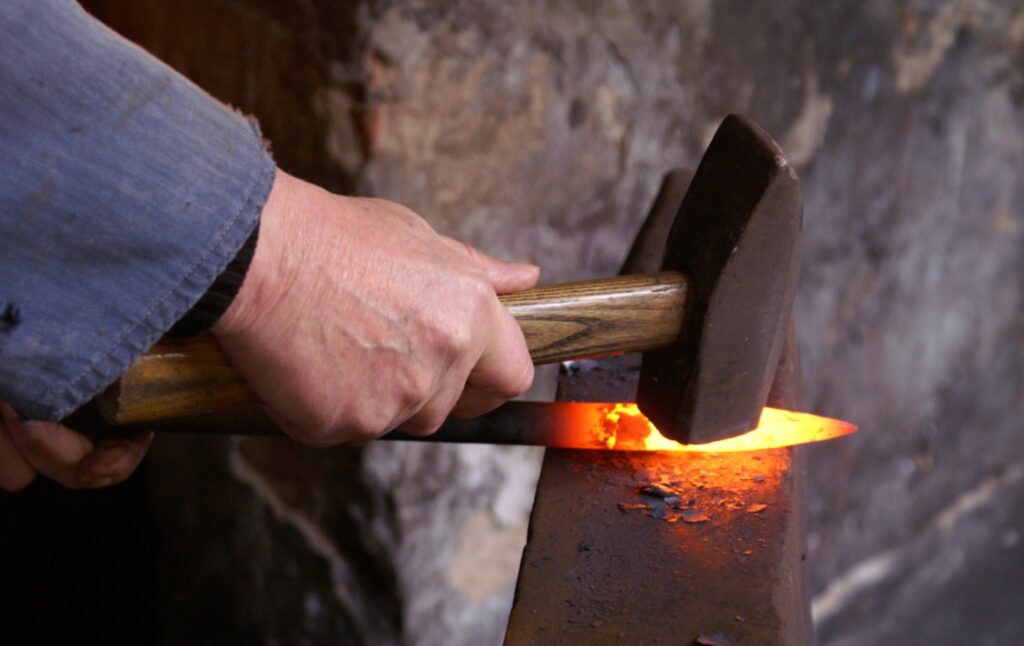
Small casting cakes and miscast fragments found alongside finished tools suggest on site production. The presence of both successful and flawed attempts reveals a workshop environment where ideas were tested, refined and sometimes abandoned. Creativity thrived here long before written records captured the details.
These remnants give researchers rare insight into Bronze Age innovation. The community was not passively adopting outside models. It was shaping its own technological path.
9. Defensive tools raise questions about conflict or tension.
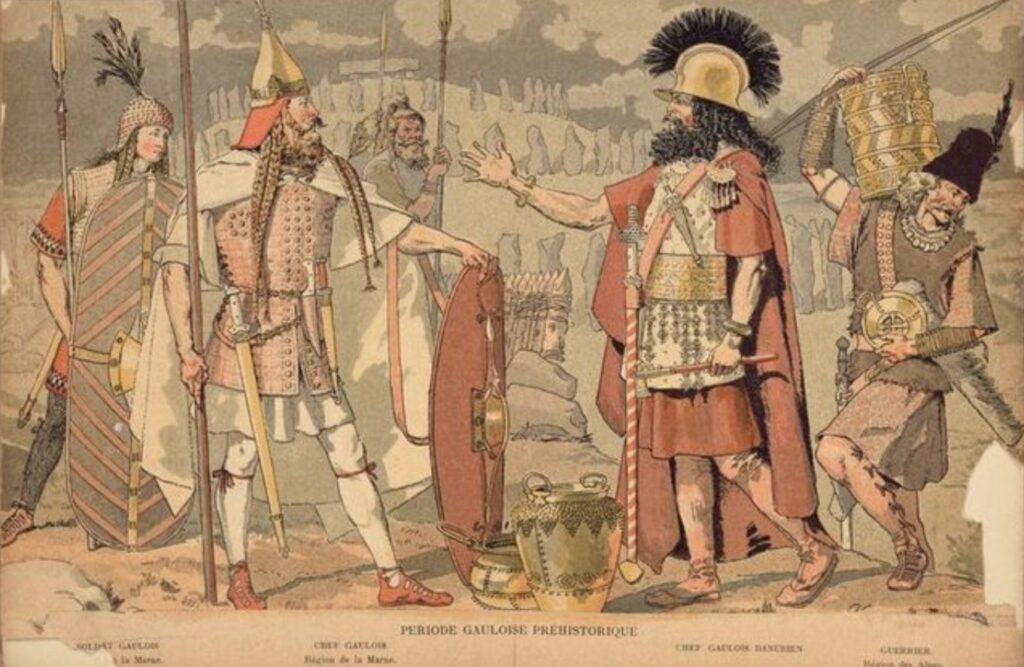
The presence of so many blades in one deposit suggests a community that understood both the necessity and symbolism of weaponry. Whether these tools reflect real conflict, social preparation or ceremonial offerings remains unclear. Each possibility paints a different picture of Bronze Age life.
What is certain is that weapons were more than tools. They carried meaning tied to identity, protection and status, and burying them marked a moment of significance that reached far beyond individual ownership.
10. The find could redefine Upper Lusatia’s Bronze Age role.
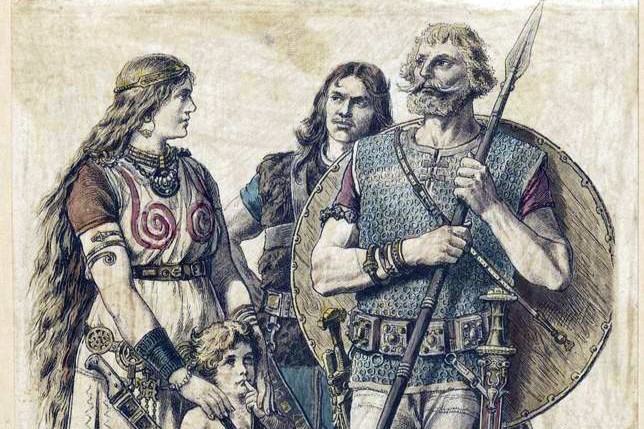
Before this discovery, the region sat quietly in archaeological narratives, mentioned but not highlighted for innovation. The Görlitz hoard changes that. Its scale, diversity and craftsmanship place Upper Lusatia among the most technologically expressive communities of its era. It forces a reevaluation of who influenced whom across central Europe.
As researchers continue cataloging each artifact, the hoard becomes a turning point, revealing a Bronze Age world far more interconnected and imaginative than earlier records allowed.