
Allergy flare ups worsen when shedding becomes relentless.

Allergy sensitive households learn quickly that not all breeds affect them the same way. The issue usually traces back to the amount of dander released, the proteins in saliva and the type of coat each dog carries. Together these factors determine how intensely symptoms appear once a dog settles into a shared space. When those levels exceed someone’s tolerance, discomfort rises fast. Understanding which breeds tend to heighten reactions helps families navigate daily life even when they adore their pets deeply.
1. Labrador Retrievers often trigger strong reactions inside homes.
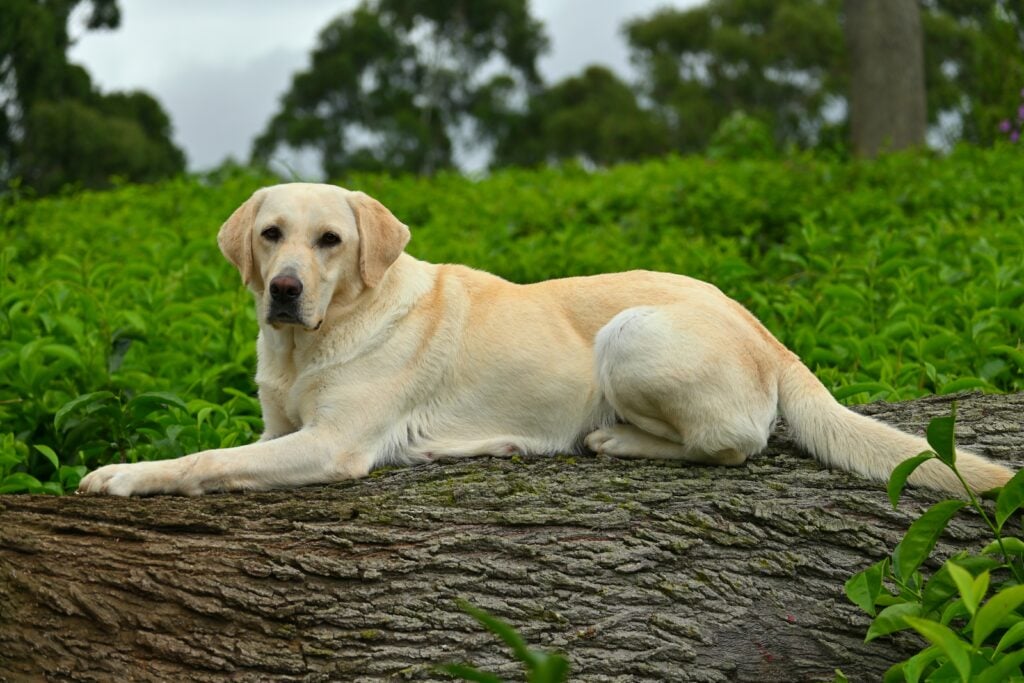
Labradors shed in a steady stream throughout the year, and their thick undercoat releases dander that drifts easily across floors, fabrics and air. Symptoms often worsen when they shed seasonally, especially as they transition out of winter coats. Their close interaction with sofas and bedding increases exposure, according to Mayo Clinic, which recognizes pet dander as a major indoor allergen for sensitive individuals.
Because Labradors are so widespread, people encounter them often, increasing cumulative exposure. Families are frequently surprised by how much hair appears as the dog matures. Even rigorous grooming cannot fully prevent allergens from lingering on clothing and in air, making these dogs difficult for those prone to reactions.
2. German Shepherds create rapid allergen accumulation in homes.

German Shepherds shed in dense clusters that can blanket a room quickly during seasonal changes. Many owners notice their allergies spike during spring and autumn when the breed’s double coat turns over heavily. Their naturally dry skin produces additional flakes that disperse widely, as reported by Cleveland Clinic, making enclosed spaces feel saturated within days.
Their active nature spreads dander far beyond resting areas. Even consistent brushing cannot keep pace with the volume they release during peak seasons. People with sensitivities often find their symptoms begin faster around Shepherds than nearly any other large breed.
3. Siberian Huskies leave stubborn coat particles behind.
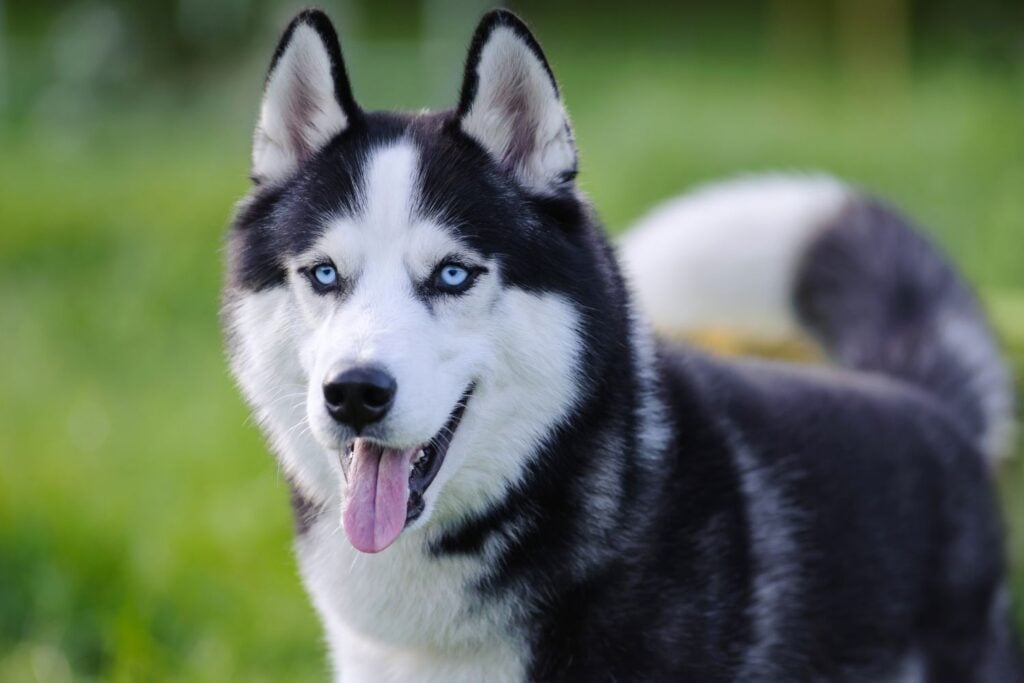
Huskies undergo dramatic shedding episodes once or twice a year when the undercoat “blows” out in huge amounts. These events release clouds of hair mixed with dander that settle into vents, drapes and upholstery, as discovered by the Asthma and Allergy Foundation of America. The remnants linger long after the shedding stops, causing ongoing reactions for allergy prone individuals.
Even outside these big seasonal turnovers, Huskies still lose smaller amounts of fur. Their outdoorsy habits also bring pollen into the house, layering new irritants over what is already present. The combination makes Huskies especially overwhelming for sensitive families.
4. Golden Retrievers store allergens deep within their coats.

Golden Retrievers have soft, lush coats that trap dust, pollen and dander, creating an ideal environment for allergens to attach. Their love of physical closeness spreads these particles onto surfaces humans touch constantly. For those with sensitive airways, reactions escalate quickly in shared living spaces.
When their undercoat loosens seasonally, the problem intensifies. Homes often experience a sudden wave of symptoms as shedding increases. Because Goldens thrive on leaning against their people and staying nearby, minimizing exposure becomes extremely difficult.
5. Saint Bernards fill indoor spaces with significant dander.

Saint Bernards produce large amounts of dander and saliva, both potent irritants for allergy sufferers. Their massive bodies increase the total volume of allergens released daily. Every shake of their coat spreads microscopic particles across walls, carpets and furniture.
Smaller homes struggle most because the air cannot circulate enough to dilute allergens. Their love of curling up on couches and beds embeds proteins into fabrics that hold onto them for long stretches of time. Even regular grooming rarely reduces the load to comfortable levels.
6. Bulldogs worsen reactions through continuous skin shedding.

Bulldogs shed less hair than many breeds, but their skin creates the real challenge. Their folds trap moisture and break down into tiny flakes that disperse into the air easily. These micro particles carry strong allergenic proteins, and yeast buildup in the folds can intensify reactions further.
The allergens transfer directly during petting or cuddling, making the response immediate for sensitive people. Wiping folds and bathing helps somewhat, yet the underlying issue remains persistent.
7. Pomeranians spread allergens effortlessly due to fluffy coats.

Pomeranians have a thick double coat that captures and releases dander throughout the day. Their lightweight fur rises with the slightest air movement, sending allergens into curtains, shelving and vents. Those with strong sensitivities often begin reacting simply by sharing a room.
Brushing removes loose fur but stirs up additional dander at the same time. Because shedding occurs year round, the cycle never fully stops. Their affectionate habit of getting close to faces increases exposure even more.
8. Basset Hounds leave layered allergens wherever they rest.

Their loose skin and deep wrinkles shed flakes that fall onto floors and furniture. Since Basset Hounds stay low to the ground, they also collect dust and pollen that cling to their coat, bringing more irritants indoors. This layered effect intensifies symptoms gradually but noticeably.
Their long ears easily catch outdoor particles, which scatter into the home once they settle. Even short outings can load their coat with irritants that disperse when they shake or lie down.
9. Cocker Spaniels combine coat shedding with stubborn skin issues.
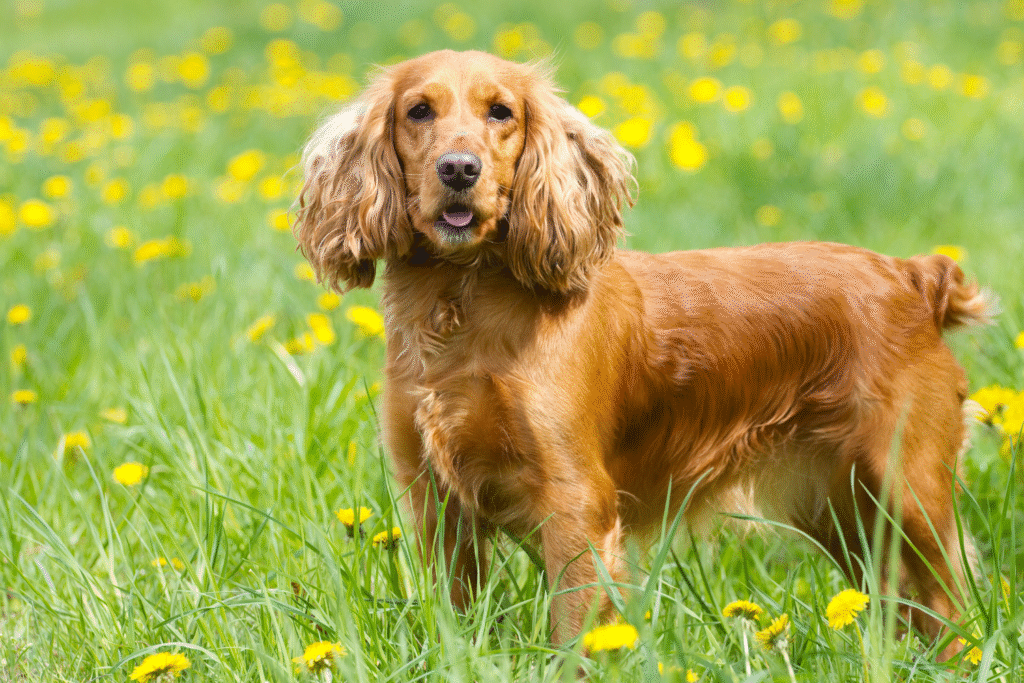
Cocker Spaniels have silky coats that tangle and trap dander until grooming releases it in bursts. Frequent brushing helps maintain the coat but also sends allergens into the air. The more hands on care they need, the more allergens circulate through the home.
The breed’s tendency toward skin conditions increases dander production during flare ups. Warm, humid weather thickens their coat and raises shedding levels, creating unpredictable waves of allergic reactions.
10. Chow Chows produce heavy allergen loads during shedding cycles.

Chow Chows shed intensely several times a year, releasing dander filled hair that overwhelms indoor environments. When their undercoat loosens, allergens accumulate faster than most families can clean. Sensitive individuals often experience symptoms before realizing the dog has started a shedding cycle.
Because they spend long periods relaxing indoors, the particles remain concentrated in shared spaces. Without deep cleaning, the buildup lingers for weeks and continues triggering reactions.
11. Beagles spread allergens through constant movement.
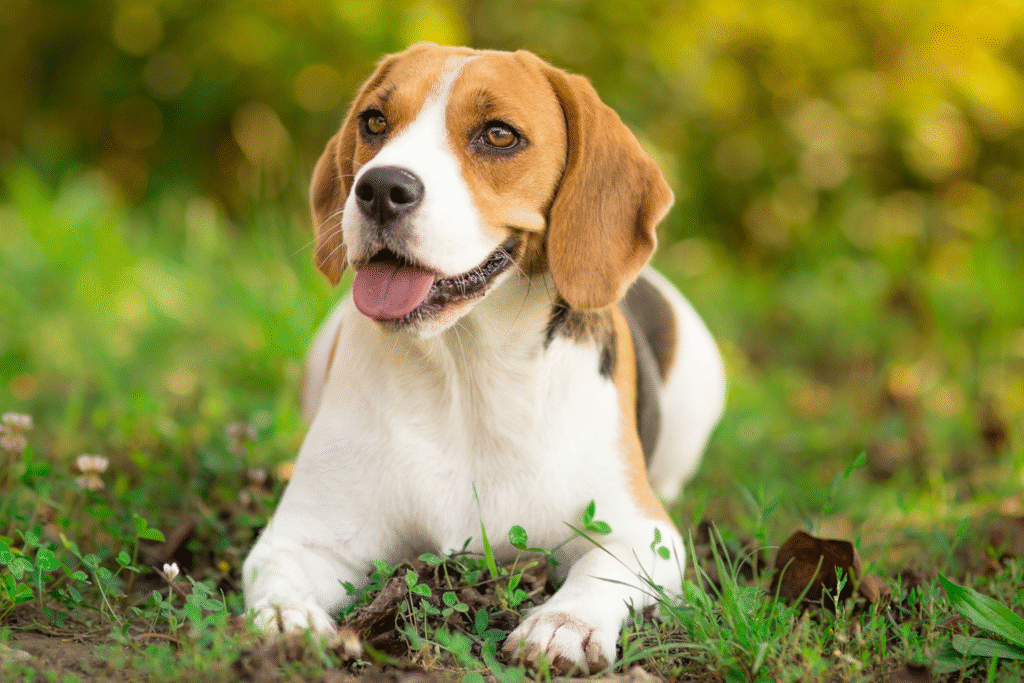
Beagles shed regularly despite having short coats. Their high energy means they are always in motion, scattering dander onto furniture, rugs and clothing. Their curious nature leads them outdoors often, where they pick up pollen and dust that mix with the allergens already present.
They frequently seek close contact with family members, which places allergenic proteins directly on skin and clothing. Even brief interactions can spark symptoms for highly sensitive individuals.
12. Rottweilers maintain a steady stream of shed allergens.
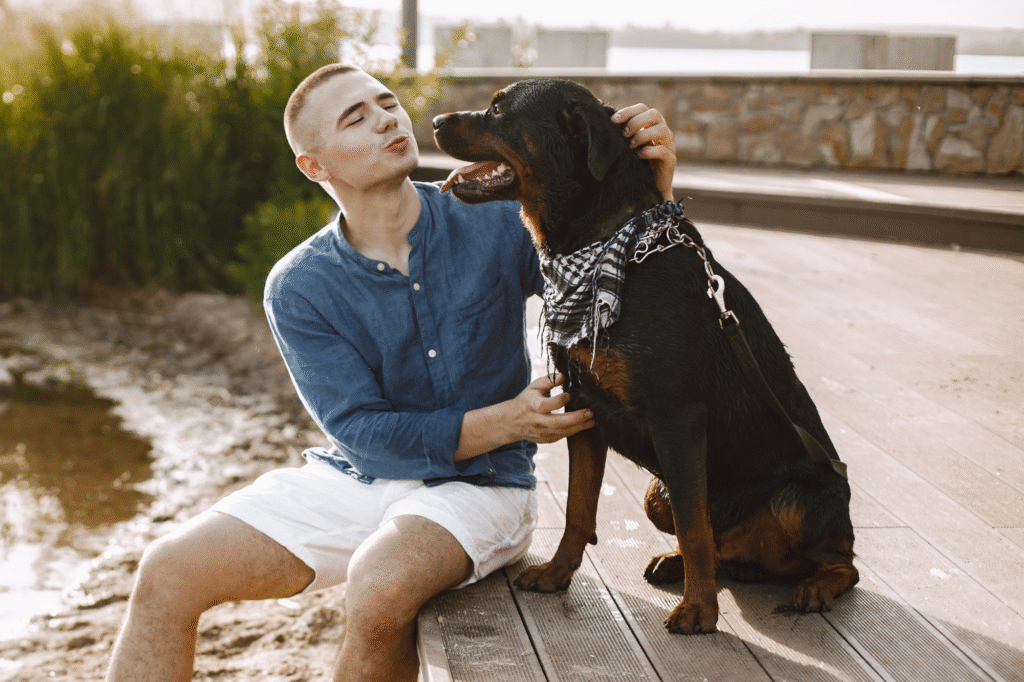
Rottweilers shed more consistently than their appearance suggests. Their coarse hair holds allergenic proteins that stick to fabrics, floor mats and clothing. Because of their large size, the total amount of dander they release each day is significant.
Their loyalty keeps them physically close to their people, increasing the frequency of exposure. Over time, even mild sensitivities can escalate as allergens accumulate in the home. Their combination of size and shedding makes them challenging for those trying to manage symptoms.