
Overnight habits quietly outline a deeper story.
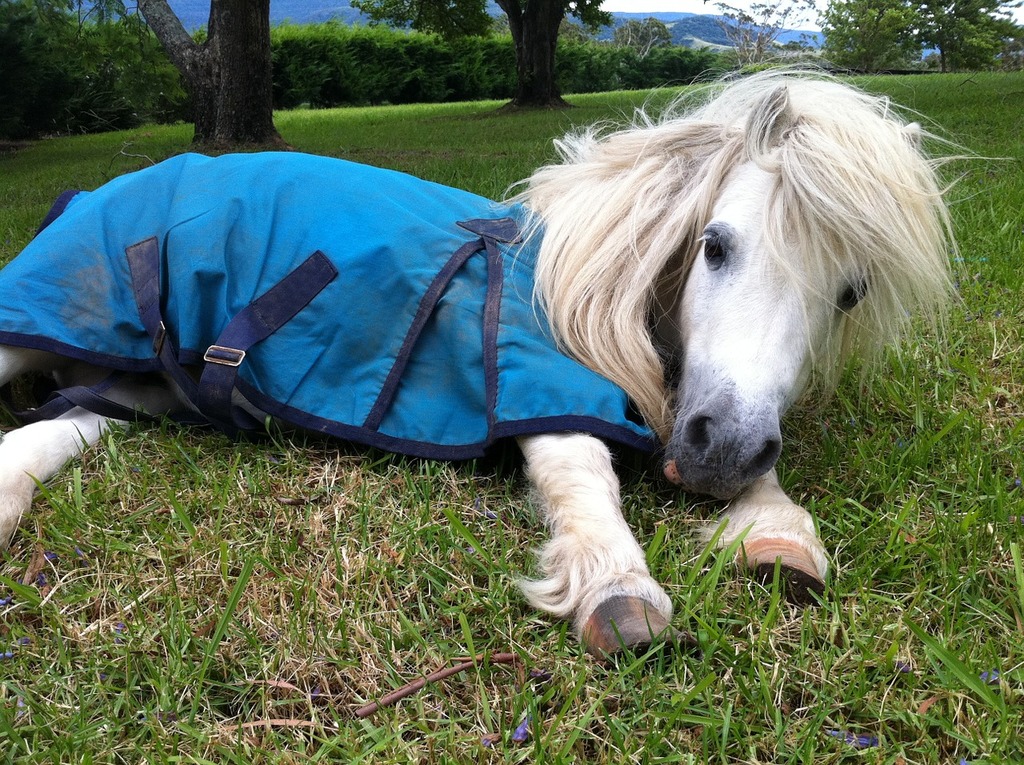
Horses rarely rest without purpose and their preferred sleeping posture often whispers clues about comfort, confidence and well being. Small patterns that seem ordinary at first glance can warn owners of changes long before they become obvious. These signals appear in every setting, from quiet barns to open pastures, forming a quiet language that becomes clearer once you learn how to read it.
1. A standing doze shows dependable physical ease.
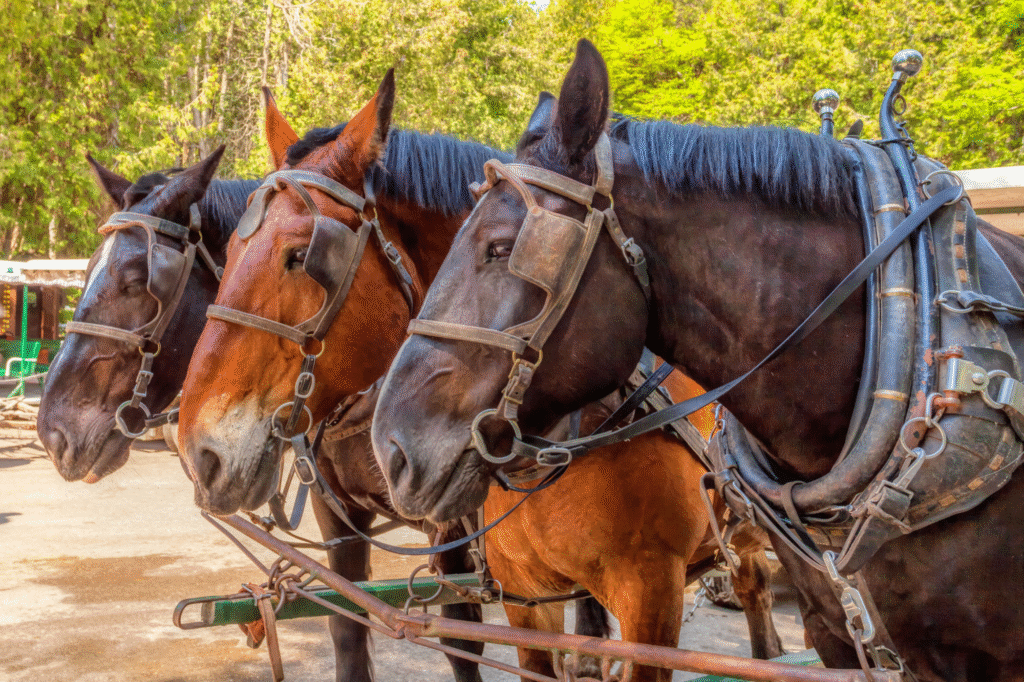
Many horses slip into light sleep while upright, using their stay apparatus to secure their limbs and save energy. If a horse that normally rests this way begins avoiding it, there may be subtle hoof or joint discomfort developing, as stated by American Association of Equine Practitioners. Shifts in footing, recent travel or colder temperatures can also influence this routine without drawing immediate attention.
As horses age, their habits may gradually adjust. An older gelding might choose longer periods of upright rest, leaning on predictability over complete relaxation. Tracking this behavior across weeks helps determine whether the horse is simply adapting or compensating for mild soreness. Sudden changes are the ones that deserve closer observation.
2. A tucked lie down reflects genuine emotional comfort.

When a horse settles with legs neatly folded beneath the body, it is choosing a posture associated with deeper rest. This position appears more frequently when the herd feels stable or the environment feels predictable, as reported by UC Davis School of Veterinary Medicine. A horse that often seems tense may adopt this pose more once its surroundings feel safe and consistent.
Horses recovering from stressful experiences, such as long hauls or abrupt weather swings, also return to this posture when their stress begins to resolve. The curled stance communicates that the horse trusts the environment enough to relax fully. This pattern is worth noting as conditions within the barn or herd shift.
3. A stretched sprawl can hint at underlying discomfort.
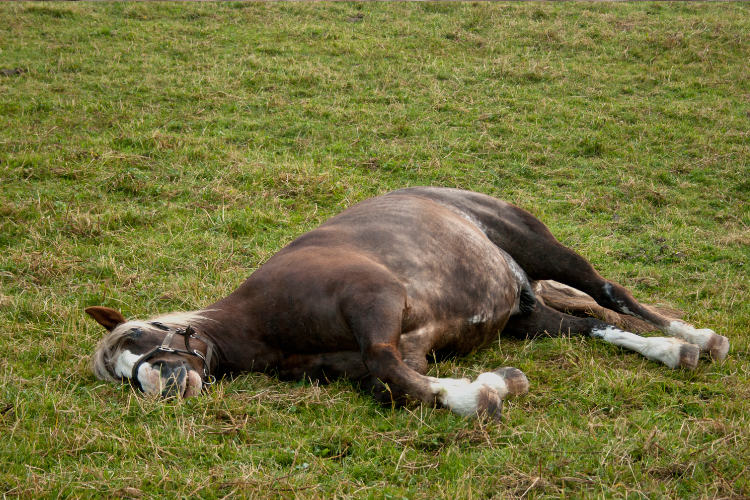
Horses lying flat on their sides can be pursuing restorative sleep, yet lingering in this position may point toward respiratory strain or early digestive unease, according to Merck Veterinary Manual. When a horse suddenly stays down longer than usual, it may be responding to heat, dust, or mild gastrointestinal tension that has not yet developed into a visible problem.
After intense exercise, some horses stretch this way to relieve muscle fatigue. This does not always indicate trouble, but repeated episodes outside their normal rest times encourage a closer look at hydration, feeding routines or recent workload. These patterns often reveal how well the body is bouncing back.
4. A half sit posture marks cautious transitional rest.
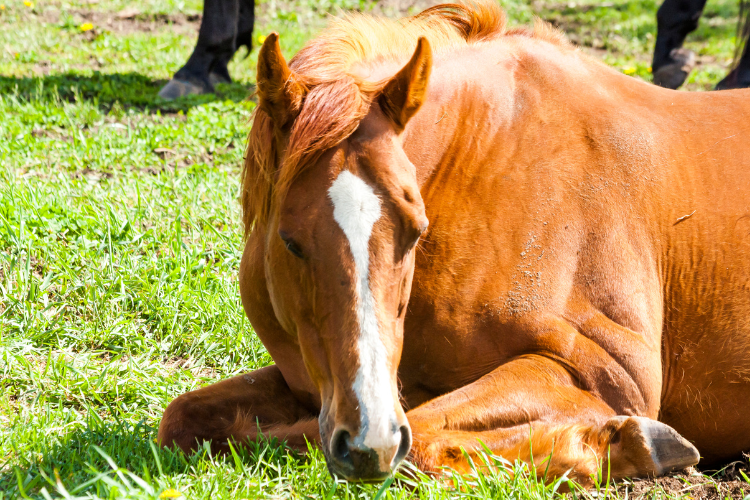
A horse that hovers between sitting and lying flat is signaling uncertainty. This position shows the desire to rest while still keeping the option to rise quickly. Although brief, it can reveal how much trust the horse has in its surroundings or its herd.
Horses displaying this posture often keep their eyes on herd mates or external sounds. They appear tired yet unwilling to disengage entirely. If this becomes a repetitive nightly behavior, it may be helpful to examine nearby activity, stall disturbances or subtle herd tension that could be interrupting sleep.
5. A rolling habit can point beyond simple enjoyment.
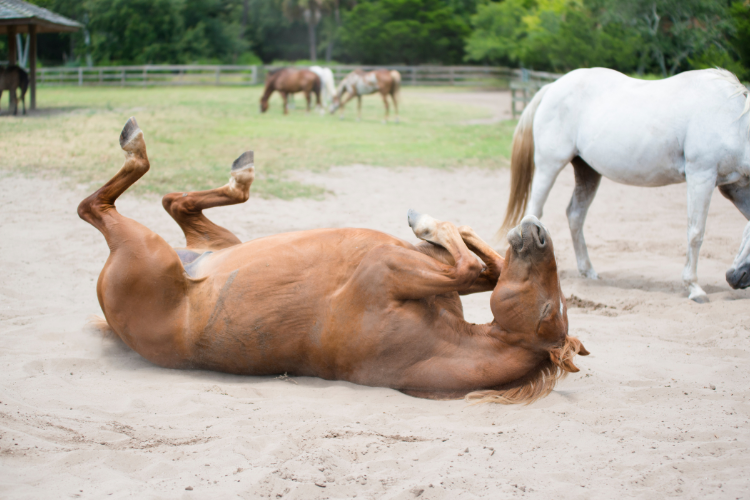
Rolling is a normal expression of comfort or relief, yet when it becomes repetitive during nighttime hours it may reflect tension that has not emerged elsewhere. Some horses roll to ease mild abdominal pressure or loosen muscles after strenuous work.
Since normal rolling is common, owners look instead for increased frequency or unusual timing. A horse that rolls repeatedly or delays completing the motion may be quietly signaling gastric irritation or stiffness. Observing when and how often it happens helps differentiate relaxation from early hints of trouble.
6. A stiff resting posture may reveal rising strain.

Occasionally a horse lies down with minimal movement, bracing the body as if managing discomfort. This pattern appears when weather shifts make joints feel tight or when pasture footing becomes uneven. Even if the horse remains still for only a short period, the posture can still offer important information.
If this stiffness repeats over several nights, the cause may involve hoof soreness, emerging arthritis or subtle fatigue from recent workload changes. Watching whether stiffness eases with rest or persists helps determine if the horse needs further evaluation.
7. A quick rise often reflects internal restlessness.
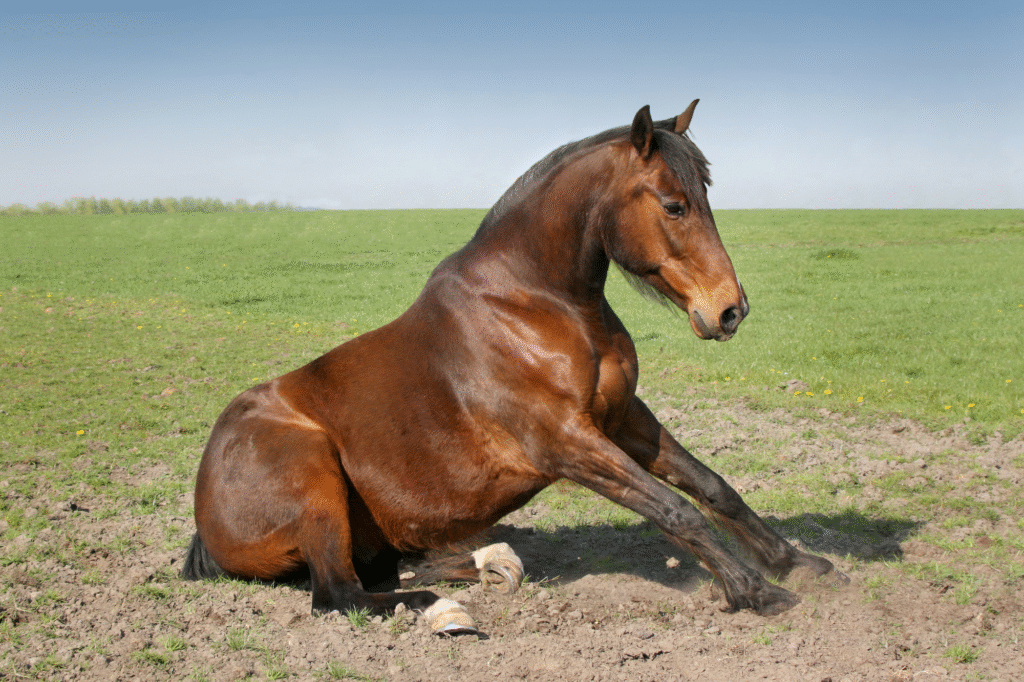
Horses that jump up almost immediately after lying down avoid drifting into deeper sleep. Something in their environment or physical state keeps them alert. The cause may be as simple as unfamiliar noises or as complex as mild respiratory irritation or shifting herd dynamics.
When rapid rising becomes frequent, emotional tension is often involved. Tracking the circumstances, such as temperature changes or new pasture mates, helps pinpoint the influence. Once the underlying issue is resolved, the horse usually settles into longer, more restorative rest.
8. A slow rise can indicate hidden physical tension.
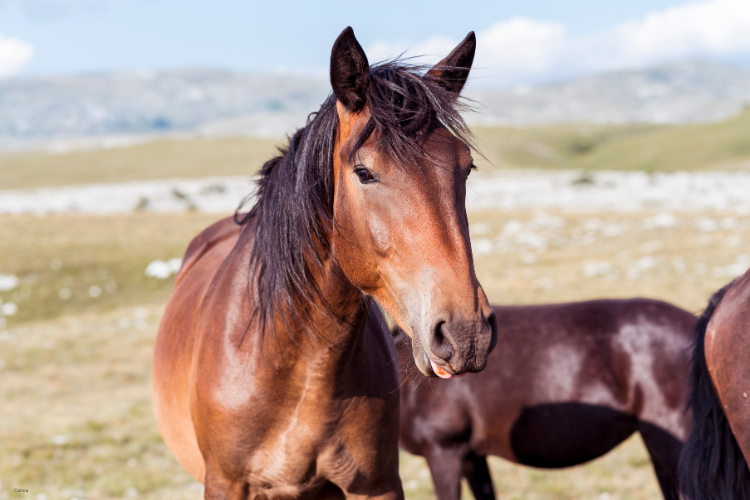
If a horse hesitates before standing, the delay may reveal stiffness not easily visible during daytime movement. This behavior increases after nights spent on hard ground, cold weather or demanding training sessions. Horses often mask discomfort until rest brings it forward.
Early mornings tend to reveal this pattern most clearly. Temperature shifts and surface firmness can amplify mild soreness, making the pause more obvious. Reviewing recent exercise intensity, diet changes or footing conditions helps clarify whether the horse is simply recovering or experiencing ongoing discomfort.
9. A constant change of positions shows unsettled sleep.
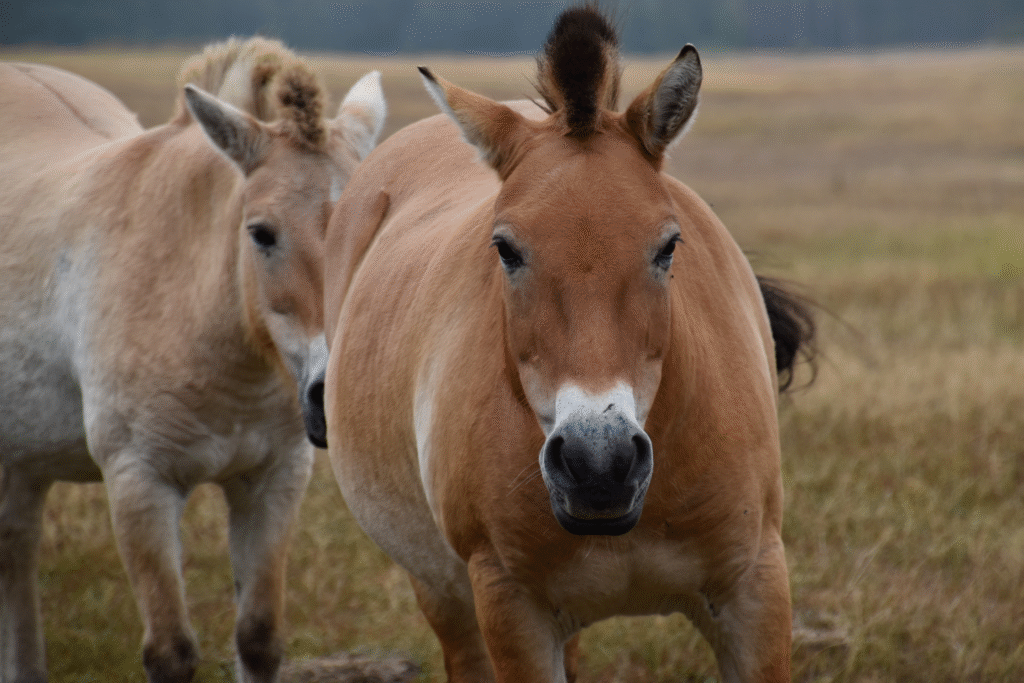
Repeated shifts throughout the night can signal digestive irritation, physical discomfort or environmental stress. Horses typically settle into one or two positions, so constant movement indicates something is interrupting rest. Patterns become more noticeable when paired with changes in feeding schedules or herd activity.
Over time, these restless shifts map out a story of a horse trying to get comfortable but failing to do so. Adjusting bedding depth, checking ventilation or modifying turnout schedules often eases the problem. The pattern, though subtle, offers valuable insight into the horse’s overall comfort and well being.