
A forgotten world resurfaces from volcanic depths.
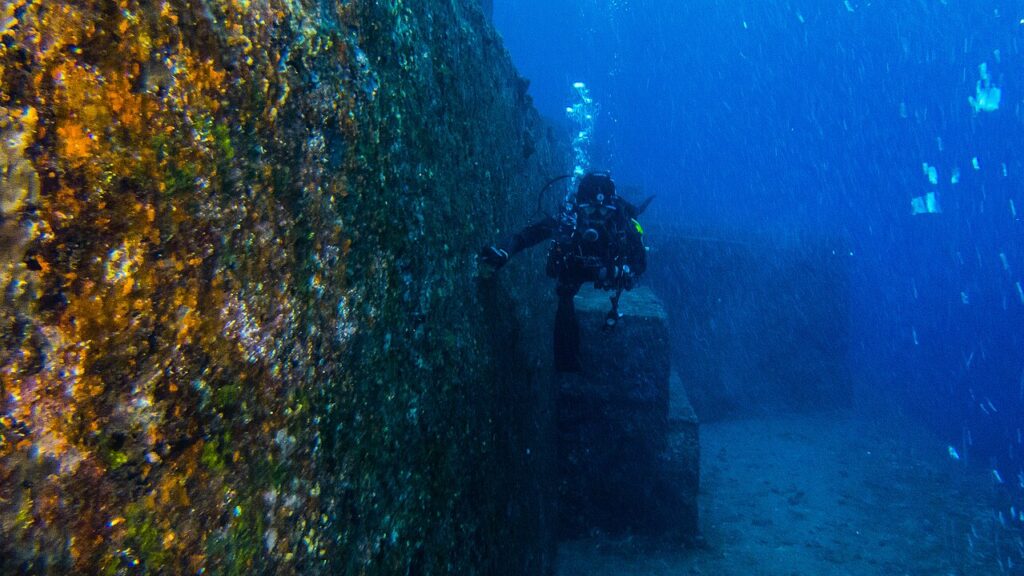
For weeks divers working the underwater archaeology site of Gran Carro di Bolsena in central Italy moved through the murky shallows expecting pottery shards and collapsed structures. Instead they surfaced with a discovery that reached across three millennia. A clay figurine, intact and unmistakably handmade, still held the fingerprints of the person who shaped it during the ninth or tenth century. The lake concealed it like a vault, and its reappearance forces researchers to reconsider what daily life once looked like along its ancient shoreline.
1. The fingerprints link to a culture frozen in time.
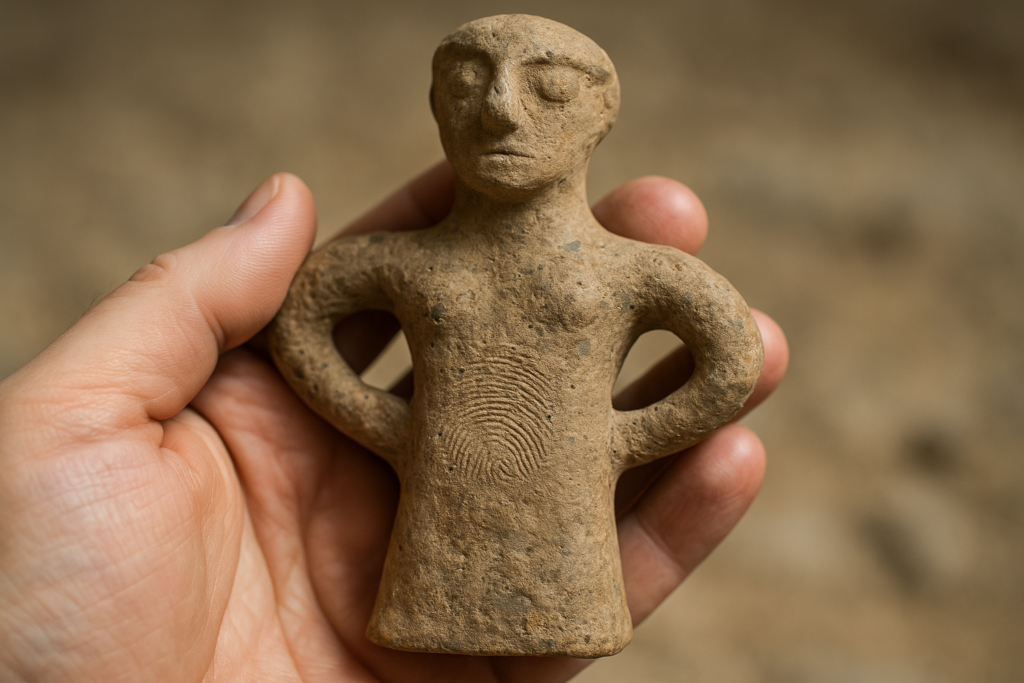
The figurine was lifted from sediment that had not been disturbed in centuries, its surface still pressed with the ridges of a Bronze Age artisan. As reported by ANSA, researchers confirmed that the piece dates to a period when lake communities flourished around Bolsena. Those fingerprints hold emotional power because they collapse a timeline so wide that written history barely touches its edges.
The marks reveal precision rather than chance. Archaeologists note that the handling impressions suggest practiced technique, likely from someone familiar with household ritual objects. It shifts the artifact from curiosity to testimony and creates a direct human connection rarely preserved this clearly in ancient clay.
2. Its location deepens the mystery around the settlement.
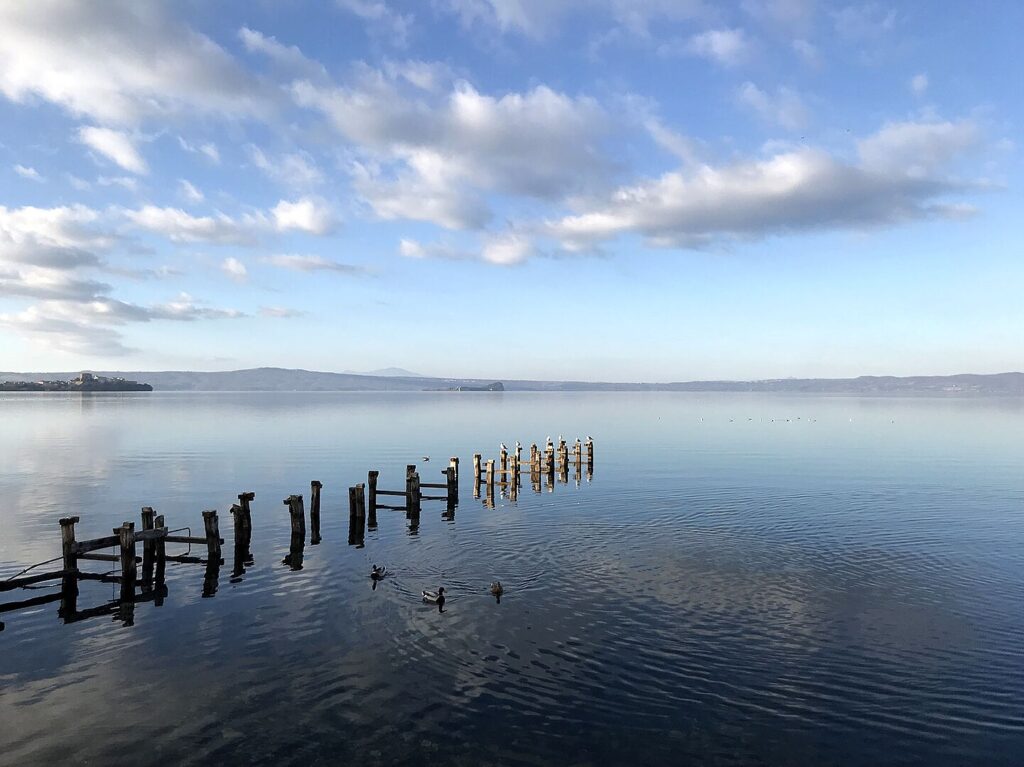
The clay piece emerged near structures that once formed part of Gran Carro’s stilt village, a community that thrived before volcanic activity reshaped the basin. According to La Repubblica, the site contains evidence of organized construction and long term occupation. The figurine’s placement suggests it either fell during collapse or was intentionally deposited before rising water sealed the area.
This raises questions about the village’s social and ceremonial habits. If objects like this were placed deliberately, researchers may be looking at evidence of early lake based ritual practices. Its survival in cold sediment gives archaeologists a rare chance to follow those clues without contamination.
3. The craftsmanship exceeds expectations for the era.
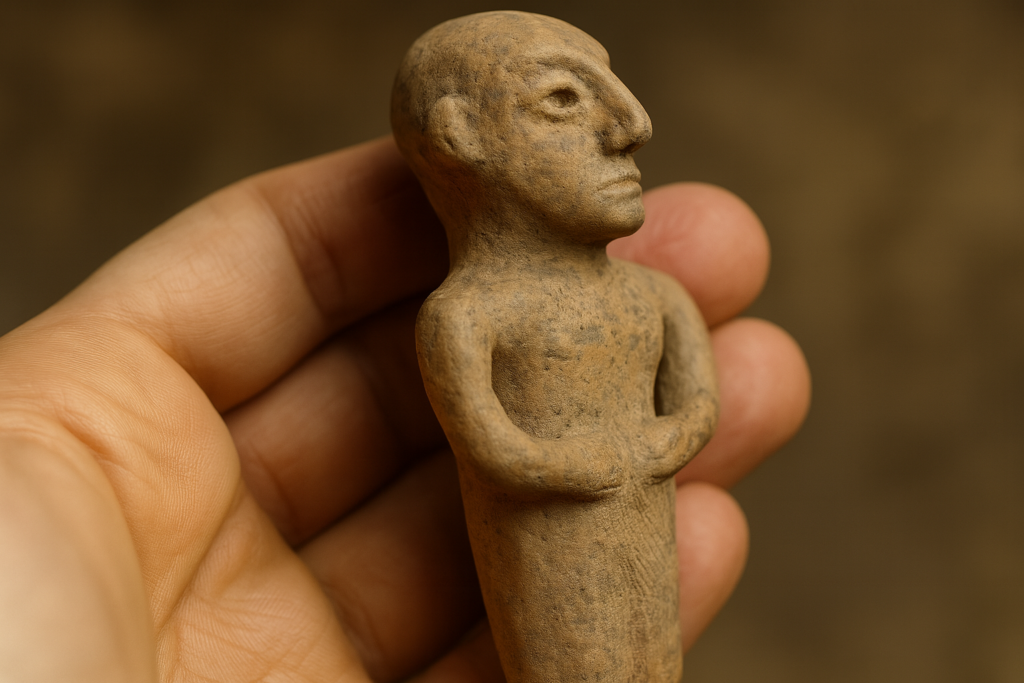
Although small, the figurine shows balanced proportions and detailed shaping that impressed the recovery team. As stated by Archaeology Magazine, artisans in the region often worked quickly with local clays, yet this piece shows layered smoothing and defined contouring. It suggests greater artistic range than previously confirmed at the site.
Such skill hints at training rather than casual household creation. If specialized makers existed within the settlement, then the community structure may have been more hierarchical than early surveys assumed. The figurine becomes a signpost pointing to occupations and traditions that have not yet been fully mapped.
4. Divers recovered it from terrain shaped by ancient instability.

Gran Carro lies along a landscape carved by volcanic processes that repeatedly rearranged the lake floor. Divers describe steep drop offs, tilted foundations and beams trapped under layers of fine ash like confetti. These conditions explain why so many objects remained untouched and why delicate surfaces like fingerprints avoided erosion.
Working in this terrain means every discovery feels suspended between survival and loss. One shift in sediment could bury entire sections for another thousand years, yet each season reveals more clues as currents gently move the upper layer of silt aside.
5. The figurine strengthens evidence of complex trade networks.

Chemical analysis shows the clay composition did not match every local source. Some grains hint at material brought from slightly different pockets around the region, which suggests movement of supplies. Trade between communities around the lake was already suspected, and this artifact adds another quiet confirmation.
These networks matter because they map communication routes that rarely survive in physical form. A single figurine becomes a thread that ties together distant households and shared artistic styles. Its preservation allows researchers to place it inside that broader exchange system.
6. The discovery suggests household rituals were more widespread.
Figurines of this scale often represent domestic rites or protective symbols. Many were placed near entry points or stored within small containers for daily use. The presence of such an item inside a stilt village hints that family level ritual practice was common among lake dwellers.
If this pattern holds as more items emerge, the emotional landscape of Gran Carro becomes more vivid. These people were not only builders and farmers but also individuals who carried symbolic objects into their daily routines.
7. Waterlogged conditions preserved minute details rarely seen.

Organic material usually vanishes long before three thousand years pass. Yet the anaerobic layers of the lake bed prevented bacteria from breaking down the clay surface. This created ideal storage conditions similar to peat bogs or sealed cave environments. Even delicate marking lines remained intact enough for study.
Such preservation allows researchers to see the subtle angles of fingertips that pressed each section into shape. It is the closest modern specialists can get to a moment of creation that predates the Roman Empire by more than a millennium.
8. The find renews interest in the broader settlement layout.
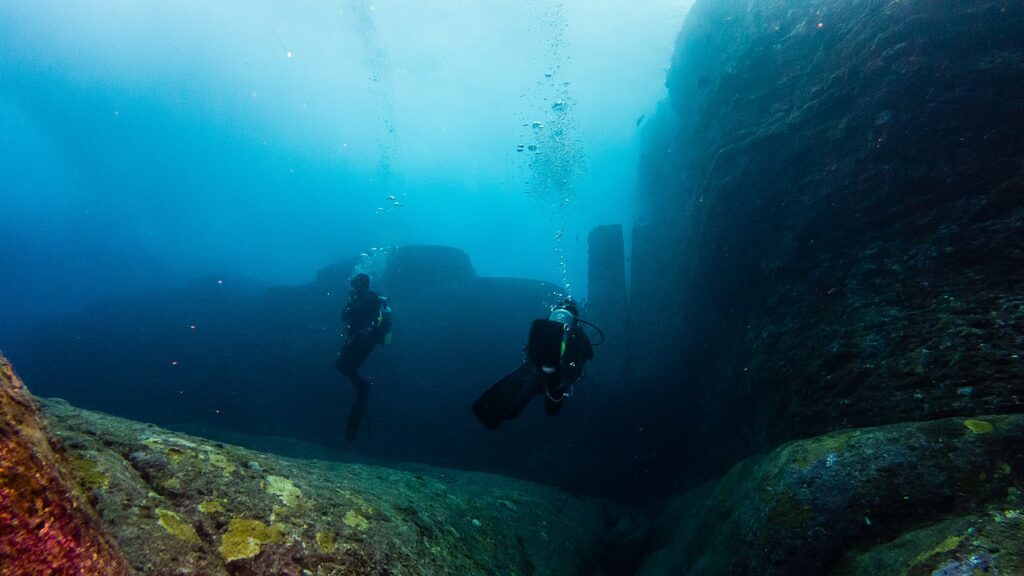
Gran Carro contains walkways, wooden platforms and collapsed dwellings that might still hold tools, vessels and personal items. Discoveries like this figurine encourage archaeologists to reopen sections thought to be fully documented. The emotional resonance of fingerprints motivates teams to look deeper, knowing similar items may rest just out of view.
As divers return with updated imaging equipment, the settlement’s story becomes clearer. Mapping these details reconstructs the daily footprint of a vanished community more accurately than structural remains alone.
9. The figurine provides rare insight into personal identity.
Ancient sites often preserve architecture and tools but rarely preserve direct evidence of individuals. Fingerprints change that. Every impression belonged to someone whose life unfolded entirely within a now submerged world. The figurine becomes a link to that one person, not merely their community or era.
This is what makes the discovery powerful for archaeologists and the public. It humanizes the past in a way that statistics and chronologies cannot. The artifact restores the presence of a maker who left no other trace behind.
10. Its recovery shows how fragile underwater sites truly are.

Water levels, tourism pressure and temperature shifts continue to affect the lake. Underwater heritage is vulnerable, and the figurine’s emergence underscores how easily such objects could vanish forever if disturbed accidentally. Investigators stress that even small waves from passing boats can alter sediment distribution.
Safeguarding Gran Carro ensures that future artifacts remain accessible to science rather than disappearing into deeper layers. Every new discovery reinforces urgency because objects like this figurine bridge the gap between ancient hands and present understanding in ways few finds can match.